REVIEW · MARRAKECH
Mount Toubkal Trek 2 days from Marrakech with a Guide
Book on Viator →Operated by Atlas Mountain Travel · Bookable on Viator
Two days, one big sunrise. This fast, guided ascent to Jebel Toubkal (4,167m) is a real taste of the High Atlas without needing mountaineering experience, and you’ll get a memorable night at the Toubkal refuge (3,207m). I love the simple, well-paced structure: drive in, walk the ridge lines, then start early for the summit push. I also like that you’ll have an experienced mountain guide plus mules to carry your bags, so you can focus on your footing. One drawback to plan for: you are looking at serious hiking effort, including about 4–5 hours of walking on Day 1 and roughly 9 hours on Day 2.
The trip stays practical and doable, but you should still come with a moderate physical fitness level and realistic expectations about mountain cold, rocky ground, and early starts. The payoff is the view shift you get as altitude climbs—valley life, then high-alpine air, and finally wide panoramas across Morocco. If you’re prone to getting tired on steep grades, build in extra patience (and take your time with the guide).
In This Review
- Key Highlights You’ll Feel on This Toubkal Trek
- A Fast Shot at North Africa’s Highest Peak
- Marrakech to Imlil: Starting Where the Trek Actually Begins
- What to watch for here
- Day 1 to the Toubkal Refuge (3,207m): Villages, Sanctuary Stops, and Steep Paths
- The small realities of refuge nights
- Day 2: Sunrise Summit Push to Jebel Toubkal (4,167m)
- The best mindset for summit day
- Guides, Mules, and What Their Support Really Means
- What’s included for your comfort
- Food, Water, and Your Packing Checklist (Sleeping Bags Included in Your Plans)
- Quick packing advice based on what’s missing
- Price and Value: What $339.45 Covers on This 2-Day Trek
- Season Matters: Ice Ax in Winter and the Cold You’ll Feel
- Who Should Book This Toubkal 2-Day Trek
- Should You Book This Toubkal Trek?
- FAQ
- How long is the Mount Toubkal trek?
- What is the highest point you reach?
- Where do you stay overnight?
- Do I need mountaineering experience?
- Is pickup included?
- What meals are included?
- What should I bring since sleeping bags are not included?
- Does the tour include a guide and mule support?
- What’s included for winter conditions?
- Can I cancel for a refund?
Key Highlights You’ll Feel on This Toubkal Trek
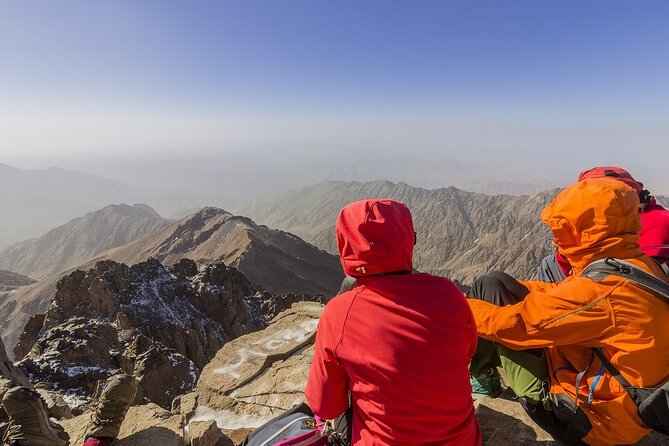
- Sunrise-style summit timing on Day 2 for those sweeping High Atlas views in the first light
- Refuge sleep at 3,207m so you experience the mountain overnight, not just a day hike
- Mules to carry your bags, which keeps the trek more about walking than hauling
- Experienced mountain guides (names you may see include Rachid, Mohammed, and Muhammad) with route know-how and encouragement
- Winter gear included (ice ax) when conditions require it
- Meals included (2 lunches, 1 dinner, 1 breakfast) plus mineral water, coffee, and tea
A Fast Shot at North Africa’s Highest Peak
Mount Toubkal is the headline in the High Atlas, and this 2-day version is built for people who want the summit experience without turning it into a week-long expedition. The key is how the schedule is stacked: you sleep near the mountain (at the refuge), then you go early on summit day.
This matters because altitude and timing change how the day feels. By the time you’re above 3,000m, the air is thinner, temperatures drop, and every long uphill step turns into a cardio workout. A refuge night helps you adjust before the summit attempt, instead of trying to do everything in a single day.
You can also read our reviews of more tours and experiences in Marrakech.
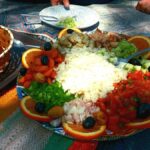
Marrakech to Imlil: Starting Where the Trek Actually Begins
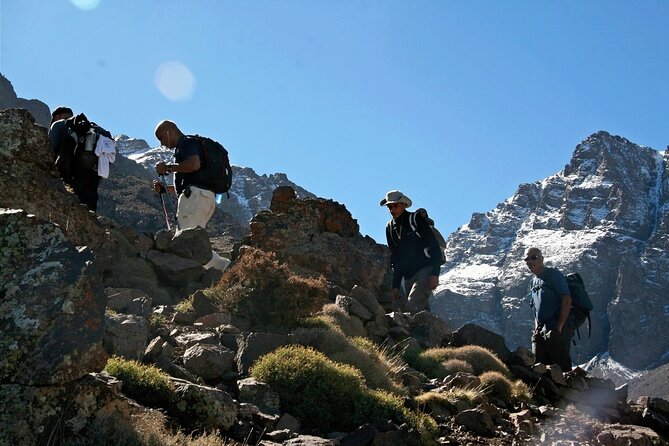
Your trip begins with pickup from your accommodation in Marrakech, then an air-conditioned drive toward the Imlil valley area, around 1,740m. That first transfer isn’t just logistics. It gets you out of the city rhythm and into the mountains gradually, so your body has time to shift gears.
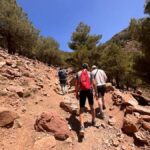
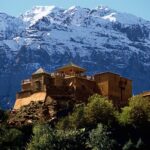
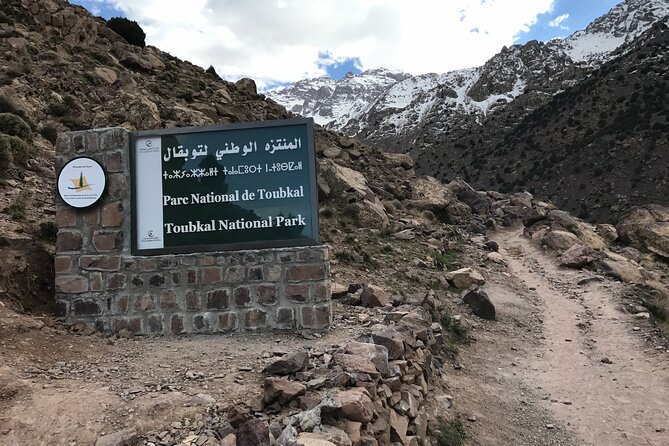
From Imlil, you begin trekking through the Aït Mizane valley area. The route takes you toward Aremd, then onward to the sanctuary of Sidi Chamarouch, and past a nearby waterfall. Even if you’re focused on the summit, I like this part because it gives you variety. You’re not walking the same kind of slope for hours in a row; you’re moving through village terrain, then toward more dramatic mountain scenery.
What to watch for here
You’ll likely feel the pace in your legs by the time you’re climbing toward the refuge. The walking time on Day 1 is about 4–5 hours, and it includes steep paths. Bring a steady hiking rhythm and don’t race the first climb—your summit day will thank you.
Day 1 to the Toubkal Refuge (3,207m): Villages, Sanctuary Stops, and Steep Paths
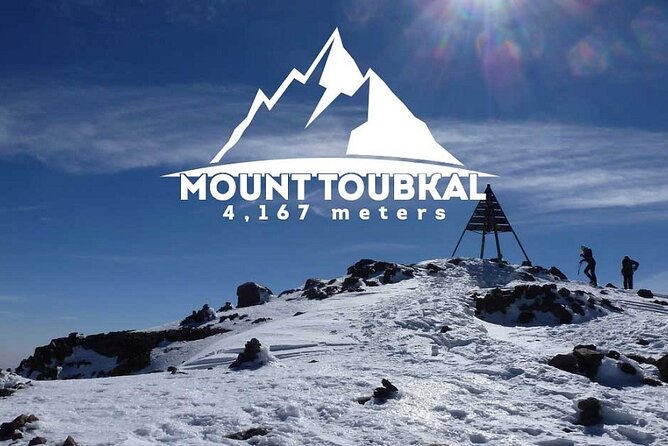
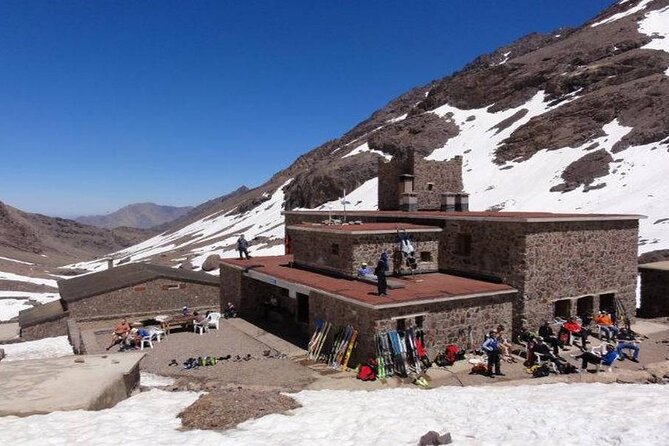
Day 1 ends at the Toubkal refuge at 3,207m, where you’ll spend the night. That overnight stay is a big part of why this trek works as a “mountain experience,” not just a walk up and down.
The route itself is part cultural, part scenic:
- You pass through the Aït Mizane valley and move toward Aremd
- You head to the sanctuary of Sidi Chamarouch
- You walk past a nearby waterfall before the steep push toward the refuge
- You finish with mountain hiking that transitions into a colder, higher feeling environment
The refuge stop changes your perspective. Instead of going back downhill at midday, you settle into mountain mode. You’ll eat, rest, and sleep at altitude, which sets you up for an early start on Day 2.
The small realities of refuge nights
Sleeping at a refuge can mean basic comfort. The tour includes accommodation at the refuge, but it does not include sleeping bags. That’s important. If you expect hotel-style warmth, you’ll be disappointed. If you pack appropriately, you’ll be fine.
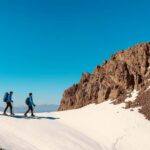
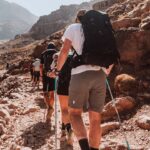
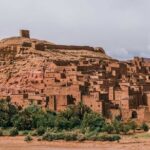
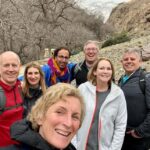
Day 2: Sunrise Summit Push to Jebel Toubkal (4,167m)
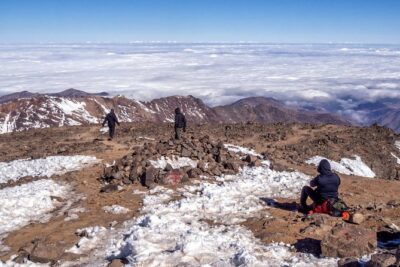
Day 2 starts early, which is exactly what you want for a summit day. The aim is to reach the top of Jebel Toubkal (4,167m). This is the highest point in North Africa, and the effort is real—even though the trek does not require mountaineering skills.
The ascent includes:
- Crossing streams
- Walking through rocky sections
- Reaching a plateau area where you can pause and take in the views
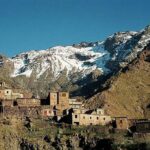
Then comes the moment people remember: the summit. From up there, you can enjoy views that stretch across different parts of Morocco—the plain of Marrakesh and the High Atlas to the north, and the Anti-Atlas and the Sahara to the south.
The best mindset for summit day
Go slow and consistent. The summit isn’t a sprint; it’s a controlled climb. Your guide’s job is to keep the route and timing clear, and it also helps that the group structure here is private, so it’s only your group with the guide and support.
After the summit, you gently start your descent back toward the refuge and then down to Imlil, with about 9 hours of walking plus around 1.5 hours of driving to get back to Marrakech.
Guides, Mules, and What Their Support Really Means
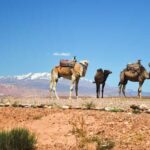
This trek includes an experienced mountain guide and mules to carry your bags. Those two details matter more than you might think.
- A good guide helps you manage the line between effort and overheating, and keeps you moving safely on steep, uneven ground.
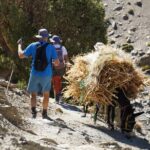
- Mules reduce the load on your body. That doesn’t remove the work of climbing, but it makes your climb day more about legs than carrying.
From the names that have shown up in guest experiences—Rachid, Mohammed, and Muhammad—the common thread is guidance that feels both informed and calm. You’ll also notice that some guests specifically appreciated not being rushed when tired, which is a real quality in mountains where every minute you spend waiting for the group can be the difference between making it comfortably or forcing it.
What’s included for your comfort
Food and drink are handled:
- Mineral water, coffee, and tea are included
- You get 2 lunches, 1 dinner, and 1 breakfast
- There’s also the practical move of staying in the refuge overnight, so you’re not improvising meals in cold, remote conditions
Food, Water, and Your Packing Checklist (Sleeping Bags Included in Your Plans)
The tour includes meals and drinks, which removes a big uncertainty. Still, you should plan your own personal comfort.
What’s included:
- 2 lunches, 1 dinner, 1 breakfast
- Mineral water, coffee, and tea
What’s not included:
- Soda/pop
- Sleeping bags
- Tips for guide and driver
That last one is more than etiquette. If you’re unsure how much to budget for tips, I’d treat it like part of your hiking expenses from the start, not something you figure out at the end with cold fingers.
Quick packing advice based on what’s missing
Because sleeping bags are not included, make sure you have a warm sleeping system for refuge conditions. Also, even though water is included, you’ll still want to drink consistently on the way up and down. Cold air plus altitude can make dehydration sneak up on you.
Price and Value: What $339.45 Covers on This 2-Day Trek
At $339.45 per person for a 2-day, guide-led summit trek, the value comes from the combination:
- Pickup and air-conditioned transportation
- Refuge accommodation
- Experienced mountain guide
- Mules to carry your bags
- Meals and hot drinks
- Seasonal gear support: an ice ax in winter
That bundle matters because Toubkal is not the place where you want to wing it. When you have guide time, logistics, and food handled, you spend your energy on walking and staying safe.
Also, your timing matters. This hike is often booked well in advance (on average, about 221 days), which tells me it’s a popular route people plan for specifically. If you’re traveling in a high-demand season, booking early can help you get the date you want.
Season Matters: Ice Ax in Winter and the Cold You’ll Feel
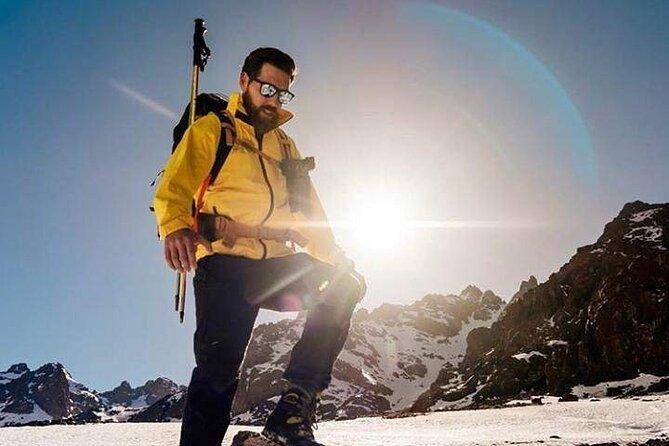
The tour includes an ice ax in winter, which is a clue that conditions can change quickly with temperature and snow or ice near the higher elevations. Even if you come from a mild climate, it’s smart to treat this as a cold-weather hike in the mountains.
If you’re doing this in cooler months, you should plan for:
- Colder mornings on summit day
- Potential icy or slippy patches in the higher sections
- Night temperatures that make a sleeping bag (not provided) a must-have item
If you’re unsure what season you’re going in, ask the operator what they expect for your dates. The ice ax detail suggests they pay attention to conditions, not just the calendar.
Who Should Book This Toubkal 2-Day Trek
This is for you if:
- You want a challenging hike with a clear goal: Toubkal summit
- You have moderate physical fitness
- You don’t have mountaineering experience but still want a true mountain ascent
- You prefer a private group experience where you won’t be competing for guide attention
It’s less ideal if:
- You’re looking for an easy stroll or a “light walking” holiday
- You don’t want to deal with early mornings, steep grades, and rocky ground
- You’re not ready to bring (or arrange) a sleeping bag for the refuge night
Also note: service animals are allowed, and the tour is near public transportation, though the day itself is primarily guide-led trekking with pickup.
Should You Book This Toubkal Trek?
If your goal is Toubkal in a short timeframe, this 2-day guided trek is one of the most straightforward ways to do it well. The combination of refuge lodging at 3,207m, mule support, meals handled, and an early summit push makes it feel organized without stripping away the mountain feel.
Book it if you want:
- A summit day with major views
- A mountain overnight, not just day hiking
- A setup that supports comfort and pacing with an experienced guide
Think twice if you’re not comfortable with steep hiking and a cold overnight, especially since sleeping bags are not included. Fix that with good prep, and you’ll give yourself the best chance to enjoy the climb rather than just survive it.
FAQ
How long is the Mount Toubkal trek?
The trek is about 2 days. Day 1 includes roughly 4–5 hours of walking, and Day 2 includes about 9 hours of walking plus around 1.5 hours of driving.
What is the highest point you reach?
You hike to the summit of Jebel Toubkal, which is 4,167 meters above sea level.
Where do you stay overnight?
You stay overnight at the Toubkal refuge (3,207m).
Do I need mountaineering experience?
No. The trek is challenging, but it does not require mountaineering experience.
Is pickup included?
Yes. Pickup from your accommodation in Marrakech is offered, and you travel by air-conditioned vehicle.
What meals are included?
The tour includes 2 lunches, 1 dinner, and 1 breakfast, plus mineral water, coffee, and tea.
What should I bring since sleeping bags are not included?
You should bring your own sleeping bag for the refuge night. Sleeping bags are listed as not included.
Does the tour include a guide and mule support?
Yes. It includes an experienced mountain guide and mules to carry your bags.
What’s included for winter conditions?
In winter, the tour includes an ice ax.
Can I cancel for a refund?
Yes. You can cancel up to 24 hours in advance for a full refund. If you cancel less than 24 hours before the start time, the amount paid is not refunded.