REVIEW · SALERNO
Trekking of the Amalfi Coast – 4 Days / 3 Nights
Book on Viator →Operated by Go in Italy · Bookable on Viator
A week of hills, views, and small-town Italy is hard to beat here. This Amalfi Coast Trekking itinerary strings together classic villages on foot—Maiori, Minori, Atrani, Amalfi, Ravello, plus the famous Sentiero degli Dei—often away from traffic and crowds. I also like that the route follows the older paths locals used to move food and goods, so you’re not just sightseeing from above.
Two things I like a lot: first, you walk about 8–12 km a day, uphill and downhill, on real mountain paths and old mule tracks that connect the coast towns. Second, logistics are handled for you: you only carry a daybag while your suitcase gets transferred between stays. The main drawback is the physical side—you need a moderate fitness level and to be comfortable walking daily, sometimes in heat or humidity if the weather cooperates.
In This Review
- Key highlights you should know before you go
- From Cava de’ Tirreni to Maiori: the trek’s best warm-up
- Day 2: the lemon trail, Ravello views, and Amalfi details that reward time on foot
- Day 3: Valle delle Ferriere, waterfalls, and the medieval paper world
- Day 4: Sentiero degli Dei to Positano, then ferry back to Salerno
- Price, value, and what you’re really paying for
- Practical tips so the trek feels good, not just impressive
- Should you book the Amalfi Coast Trekking?
- FAQ
- How long is the trek and how many nights is it?
- What kind of physical fitness level do I need?
- How does luggage work during the trek?
- What meals are included?
- Where does the tour start and what time?
- Is the ferry included?
- Are there ticketed attractions I should budget for?
Key highlights you should know before you go
- The route is built for walking, not rushing: old mule tracks and practical paths between villages keep the days feeling purposeful.
- Seaside villages plus hilltop payoff: you get time in Amalfi and Positano, and big-view hiking like the Sentiero degli Dei.
- Luggage handled end-to-end: no dragging bags on steep switchbacks—just a daypack while you hike.
- Included cultural stops with real tickets: Badia della Santissima Trinità in Cava de’ Tirreni, plus Valle delle Ferriere.
- Small group size (max 15): easier pacing, less waiting, and more interaction with your guide.
- Ferry ride is included: Positano to Salerno at the end gives your legs a break while you still see the coast.
From Cava de’ Tirreni to Maiori: the trek’s best warm-up
Your adventure begins in Cava de’ Tirreni, meeting at Hotel Victoria Maiorino at 8:00 am. The practical win is that this base is close to rail and local transport, so you’re not stuck planning complicated transfers before the hiking starts. You also get the feel of real daily life inland from the most famous coast postcard stops—shops, cafés, and restaurants are nearby, and your first night is in a central place near the historical center.
Before you lace up for the trek, you’ll get a guided visit to Badia della Santissima Trinità, an 11th-century Benedictine abbey. What I find especially worth it here is the variety packed into one stop: the church, cloister, catacombs, a small museum, and the chapter room with its Maiolica floor. It’s the kind of cultural reset that helps you feel like you’ve arrived somewhere deeper than a view point.
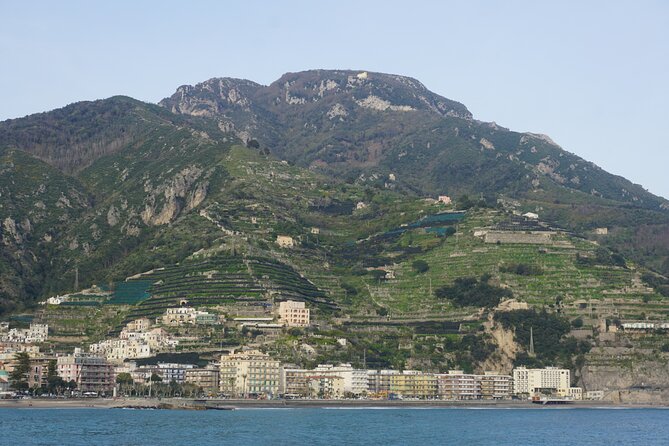
Then you move on to Maiori, where you’ll spend your first hiking-night stay in a local B&B and have dinner on your own. Maiori matters because it’s a calmer start point for the next day’s walk. Also, it sets up the theme of the whole trip: lemons, terraces, and older routes that connect towns along this rugged coastline.
Possible consideration: this is day one of hiking energy. If you’re someone who gets stiff easily, plan to treat that first afternoon gently—walk slowly, hydrate, and don’t overdo it just because you’re in a pretty town.
Day 2: the lemon trail, Ravello views, and Amalfi details that reward time on foot
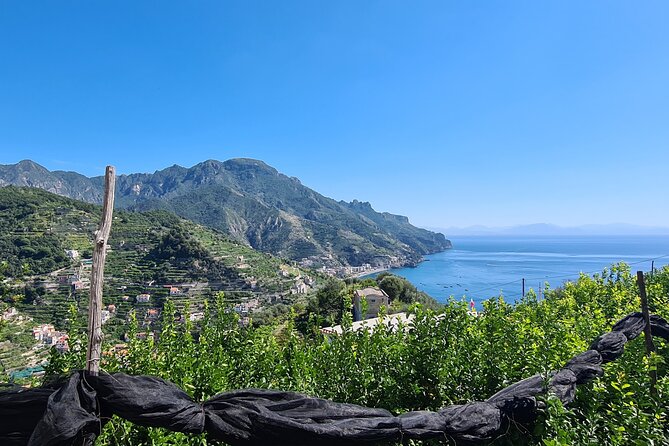
Day two is where the Amalfi Coast starts to feel like more than a brochure. The first stretch is the Sentiero dei Limoni, walking from Maiori to Minori along the Lemons’ Trail. You’ll have strong views of both the sea and the mountains, and you’ll go among lemon groves—plus there’s a lemon garden visit and tasting of produce made with lemons included. For me, this is one of the most grounded parts of the itinerary because it ties the scenery to something tangible: what people here actually grow and turn into food.
From Minori, you shift to a more local rhythm. The hike to Ravello follows a trail locals still use to move their produce and supplies around. The payoff is that Ravello feels lived-in, not just staged. Once you arrive, you get free time to explore attractions at your pace, and you also receive a boxed lunch.
Ravello’s recommended add-on is Villa Rufolo (ticket €7, not included). It’s a place with serious Amalfi-style atmosphere: gardens, plants, and those classic sweeping coast views. Even if you’re not there for a concert season, the villa and grounds are exactly the kind of place that makes the climb feel worth it.
Then comes Atrani, a tiny hamlet (borgo) you reach in about an hour after Ravello. The tour notes that Atrani has the smallest surface area of Italy—whether you care about that fact or not, the feeling is real: it’s tight, characterful, and calmer than its larger neighbors.
Next you reach Amalfi, finishing day two with time to roam and reset. You’ll have room for practical breaks like gelato, pastries, or a cappuccino. After you’ve had your comfort meal, you can choose two culture stops in town.
1) Duomo di Sant’Andrea (ticket €3, not included). The highlights are the cloister, museum, crypt, and the church itself.
2) Museo della Carta (ticket €5, not included). This one is more hands-on: you can join an English guided tour and even make a piece of paper using a strainer. The tour framing here is smart: paper-making connects to the valley industry that fueled wealth and power in medieval Amalfi.
Possible consideration: day two is a lot of moving parts. If you’re someone who hates “optional” decisions while you’re tired, plan your priorities early—pick either one or both ticket stops in Amalfi depending on your energy, then protect time for wandering.
Day 3: Valle delle Ferriere, waterfalls, and the medieval paper world
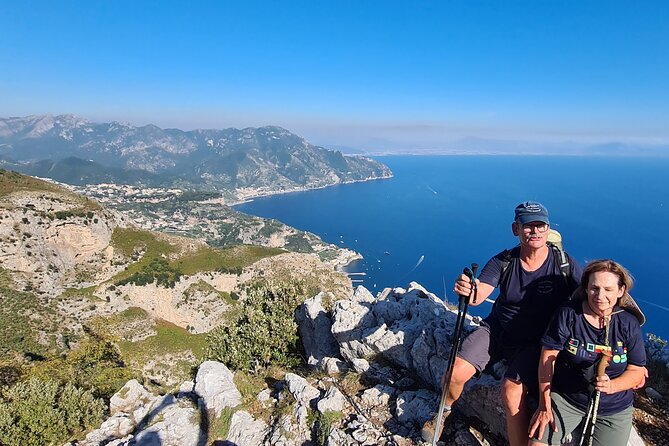
Day three is built around Valle delle Ferriere, one of the most memorable hiking sections in the whole program. You climb ancient stairs and paths through lemon trees and into a valley where you’ll find springs and waterfalls amid high cliffs. That combination matters: it helps break up the day visually and keeps the walk from feeling like one long grind.
You also get a sense of how this place worked centuries ago. In the valley, there are examples of early industry, including remains of an old aqueduct and ironworks, plus ruins of paper factories. This is the part that turns the Amalfi Coast story from “pretty coast” into “an economy and a craft.” The tour specifically ties the paper factories to the historical wealth and power of the medieval Republic of Amalfi, which helps you understand why these hidden valleys were worth building into.
The nature detail is also concrete. The tour highlights the subtropical microclimate where you might spot specific plants, including cyclamen, wild orchids, and even a carnivorous plant called Pinguicula hirtiflora, plus Woodwardia radicans and Erica terminalis (a rare giant fern). Even if you don’t identify every species, you’ll still feel the microclimate shift—shade, humidity, and a different green world from the open coastal edges.
This segment runs about 2 hours with the entrance included. Then you transfer to Agerola for the night at Hotel Gentile, where you reset for the big finale.
Possible consideration: this is a day where uneven footing and stairs may be more noticeable. If you’ve got knee worries, take smaller steps and don’t race the pace. The scenery will still be there.
Day 4: Sentiero degli Dei to Positano, then ferry back to Salerno
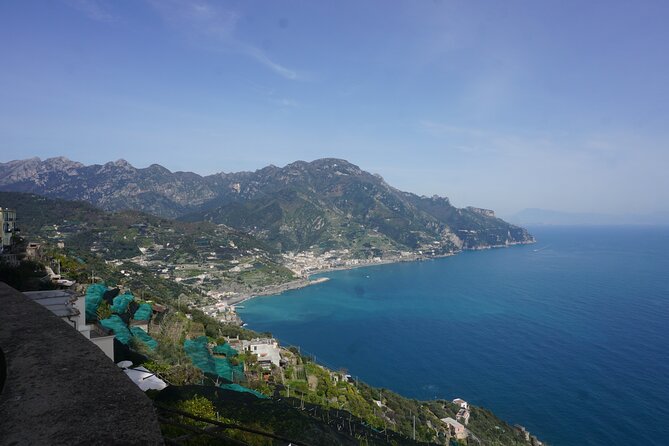
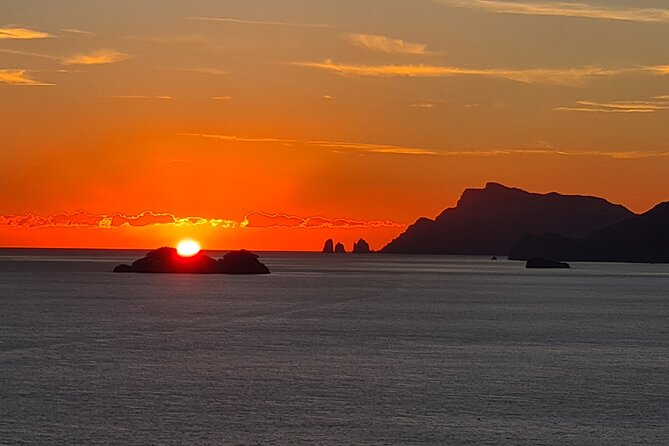
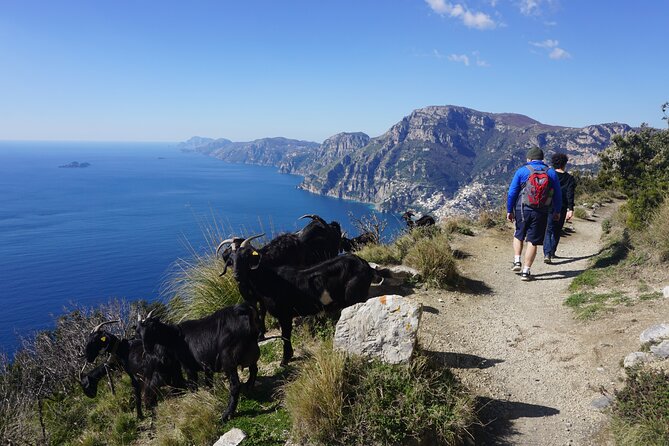
Day four starts on Sentiero Degli Dei from the square in Bomerano (Agerola). The early part gives outstanding views—Praiano, Positano, the Li Galli islets, and Capri—plus the Grotta Biscotto, an old shepherds shelter built into the rock and inhabited since prehistoric times. This is the walk people come for, and the itinerary is smart because it builds in shade and slower moments instead of making the whole thing one constant exposure.
You’ll walk in the shade of elm and oak trees, surrounded by myrtle and juniper. The route also crosses wild precipices with caves and small vineyards, and the tour notes you can see harvesting of ped’ e palomma grapes. That kind of detail helps you understand that you’re not just crossing space—you’re moving through working countryside.
Then you meet a local shepherd who shares locally sourced produce and a glass of red wine. This is one of those moments that turns a hiking day into a people-and-place day. It’s also a useful energy moment right in the middle of the route.
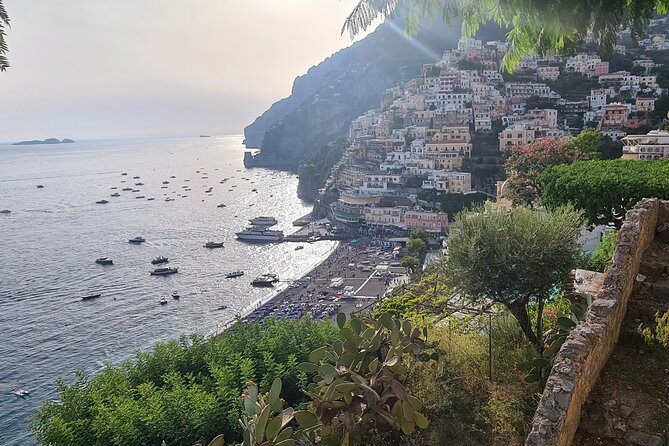
Less than 3 hours brings you toward Nocelle, then you have about an hour of descent to arrive where your day transitions into Positano time. From there, you get free time in Positano (about 2 hours), so you can choose how you want to spend it—wander streets, find a viewpoint, or just enjoy that break from your hiking rhythm.
To finish smartly, the itinerary includes a panoramic ferry ride from Positano to Salerno (about 1 hour 30 minutes). You’ll sail past towns including Positano, Praiano, Amalfi, Atrani, Minori, Maiori, Cetara, Erchie, Vietri sul mare, and Salerno. It’s the perfect way to see the whole coast without the steep physical tax.
Finally, there’s a transfer back to Cava de’ Tirreni, where your overnight accommodation is located and where the tour ends back near the meeting point.
Possible consideration: Positano is famous. Even with free time, don’t plan anything complicated—keep it simple and be ready for crowds in the town itself while your hiking day was more spread out.
Price, value, and what you’re really paying for
At $1,446.02 per person, this trek isn’t a budget pick. But when you look at what’s included, the price starts to make sense for the kind of trip it is.
You’re paying for:
- Guide-led hiking across multiple days with a maximum group size of 15.
- Daily route structure: trails, old mule paths, and the practical connections between towns.
- Accommodation included (the package lists 5 nights; the trek schedule runs 4 days / 3 nights, so expect at least multiple nights on the ground as part of the package).
- Meals included: 3 breakfasts and 4 lunches.
- Luggage transfer so you’re not hauling bags across hills.
- Key admissions included, like the abbey visit in Cava de’ Tirreni and Valle delle Ferriere.
- Major transport included at the end via ferry from Positano to Salerno.
Some attractions are ticketed separately—like Villa Rufolo (€7), Duomo (€3), and Museo della Carta (€5). Alcohol isn’t included, which is standard for tours like this.
In the feedback you provided, the big praised item is the guide experience. One highlight: Gaetano gets named as an amazing guide, and the vibe described is that the days were memorable, fun, and full of laughs. That matters because on a trek like this, the guide shapes your pace, your comfort, and how you experience the route between stops.
Who this is great for: people who like active travel, want real hiking, and still want culture in the middle of the hills. If you like taking your time, enjoy old paths and local food, and don’t mind making smart choices about optional tickets, you’ll likely find the value fair for what you’re getting.
Who might struggle: anyone who wants mostly flat walking, or who gets stressed by daily physical commitment even at a “moderate” level.
Practical tips so the trek feels good, not just impressive
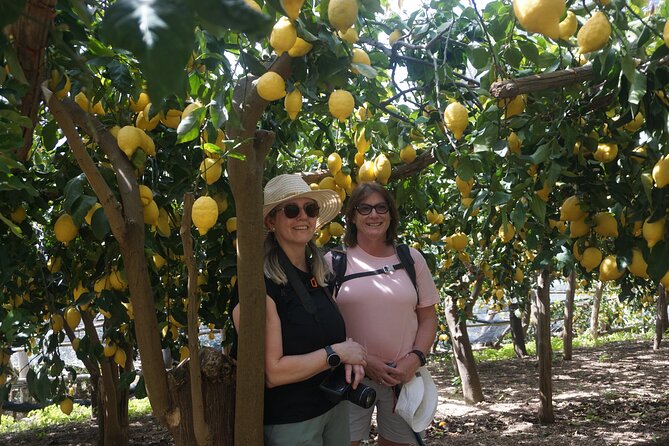
A trek like this works when you treat it like a plan, not a dare. Since you’ll walk 8–12 km per day on uphill and downhill terrain, your comfort depends on a few basics.
- Pack a real daybag kit since that’s what you’ll carry while your suitcase moves ahead. Bring layers for sun versus shade and rain changes.
- Wear shoes you already trust on uneven ground. The route involves stairs, precipices, and mixed surfaces.
- Use your town breaks intentionally. In places like Amalfi and Positano, the free time is short—so decide your priorities: one museum versus just roaming and eating.
- Don’t underestimate the heat factor. The itinerary assumes good weather, so if it’s hot, hydrate steadily and slow down on exposed sections.
- Plan optional sites before you’re tired. In Amalfi, Duomo and Paper Museum are both recommended. Pick based on your energy.
One more thing: this tour is set up for weather dependence and requires good conditions. That’s not a guess—your tour info explicitly flags the need for good weather.
Should you book the Amalfi Coast Trekking?
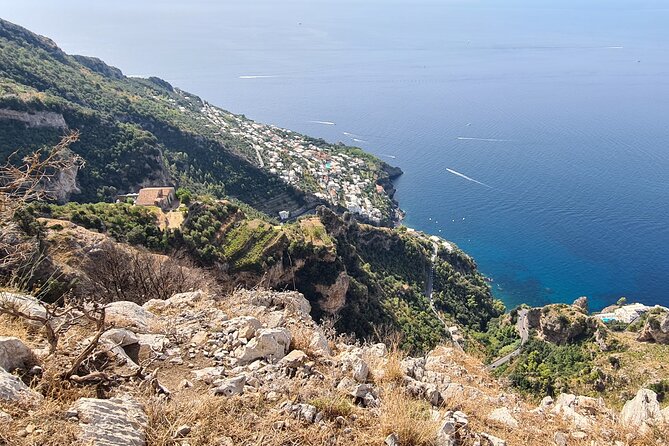
I’d book it if you want the Amalfi Coast in a way that’s earned. The balance here is strong: hikes on old routes, village time that isn’t just a drive-by, and at the end the ferry ride that lets you enjoy the coast without paying for it with extra stairs.
I’d skip—or at least rethink—if daily walking is a hard limit for you, or if you prefer a coast trip with minimal uphill and downhill. This is a hike-first itinerary. Even with breaks and included meals, you’re still signing up for the physical rhythm.
If you’re the kind of traveler who remembers how places feel—terraced slopes, lemon groves, valley water, stone churches—then this trek fits your style. Add in a guide like Gaetano who keeps the energy high, and you’re set up for the kind of trip people talk about long after the photos.
FAQ
How long is the trek and how many nights is it?
The tour runs for about 4 days. It’s listed as 4 days / 3 nights, and the package also says 5 nights of accommodation are included. Plan on multiple nights of lodging as part of the package.
What kind of physical fitness level do I need?
The tour asks for a moderate physical fitness level. Each day you’ll walk roughly between 8 and 12 km with both uphill and downhill sections.
How does luggage work during the trek?
You only carry a daybag while your suitcase is taken from one accommodation to the next one.
What meals are included?
Breakfast is included 3 times, and lunch is included 4 times. Alcoholic drinks are not included.
Where does the tour start and what time?
The tour starts at Hotel Victoria Maiorino in Cava de’ Tirreni at 8:00 am.
Is the ferry included?
Yes. There is a panoramic ferry ride included from Positano to Salerno, about 1 hour 30 minutes.
Are there ticketed attractions I should budget for?
Yes. Villa Rufolo is listed at €7, Duomo di Sant’Andrea at €3, and Museo della Carta at €5. Other admissions are included in the itinerary.