REVIEW · SAPA
Trekking 1 circle the local village to admire Muong Hoa valley
Book on Viator →Operated by Saparis Horizon Travel · Bookable on Viator
Rice terraces pull you out of Sapa town fast. This 2-day village loop turns your hike into real time with ethnic communities and big Muong Hoa valley views along the way, not just quick photo stops. I especially like the scenic trail-to-viewpoint rhythm—walking, then opening up to wide panoramas of Sapa and the terraced fields—and the chance to spend a night in a local homestay.
One thing to keep in mind: this is proper trekking. Paths can be uneven and you’ll spend long chunks moving between villages, and some stops feel more well-known than wild-and-empty, so set your expectations for an active, social route rather than a silent hike.
In This Review
- Key highlights I’d pack this for
- How this Muong Hoa loop feels: village life plus real mountain walking
- Day 1: Sapa pickup, Hang Da, Hau Thao, and the road to Su Pan
- What to expect from the homestay night in Su Pan
- Day 2: Giang Ta Chai, Ta Van rice terraces, and the walk into Lao Chai
- Price and value: why $85 can make sense here
- Pacing and fitness: who will like this most
- Guides, group setup, and the small things that matter
- What to bring (so your legs don’t file a complaint)
- Should you book this Sapa Muong Hoa village trek?
- FAQ
- How long is the trek?
- What does it cost?
- Do you get picked up from your hotel in Sapa?
- Do you stay overnight in a local village?
- Which villages are included?
- Are meals included?
- What is the cancellation policy?
Key highlights I’d pack this for
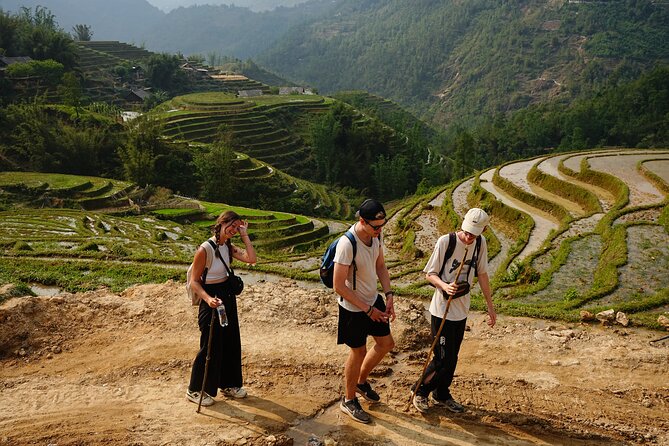
- Panoramic Muong Hoa viewpoints that show Sapa and the terraced valley in one sweep
- Village-hopping across ethnic groups, including Black H’Mong, Red Dao, and Giay (Giáy) communities
- One night homestay in Su Pan for a genuine night in the village, not a quick pass-through
- Walk the local paths between rice terraces and stilt houses, with time to chat and observe daily life
- Hotel pickup in Sapa and a car return to town, so your hiking day is easier to manage
- Lunch provided, plus breakfast at the homestay, so you’re not scrambling for food mid-trek
How this Muong Hoa loop feels: village life plus real mountain walking
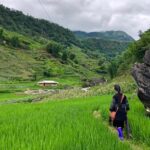
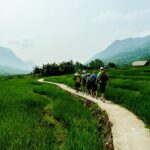
The best part of this trek is the way it mixes movement with meaning. You’re not just staring at scenery from a bus window. You’re walking mountain paths, meeting families in their villages, then stepping into view after view over Sapa and the Muong Hoa valley’s terraced rice fields.
The route also gives you contrast. Morning energy starts with downhill village paths, afternoons shift toward rice fields and traditional houses, then you spend the night somewhere quieter. Day 2 continues with more village names you’ll remember long after—Giang Ta Chai, Ta Van, and Lao Chai—each with its own feel.
If you like trekking for the people as much as the scenery, you’ll probably enjoy how the schedule includes time for interaction and customs rather than constant hurry. And if you just love views, you’re also set up with a clear viewpoint arc that makes the effort feel worth it.
Day 1: Sapa pickup, Hang Da, Hau Thao, and the road to Su Pan
Your day starts easy enough. You’ll get picked up from your accommodation in Sapa town between 08:00 and 08:30, which matters here because early traffic and mountain turns can be a hassle to handle on your own.
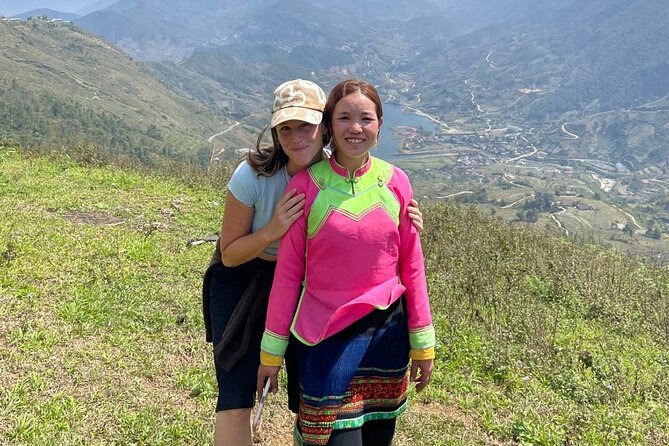
After a bit of time getting going, the walk heads toward Hang Da Village, home of the Black H’Mong people. This stop is designed for the classic Sapa experience: mountain scenery first, then time in the village itself. The best value in Hang Da is that you’re not rushed—there’s enough time to slow down, look around, and watch village life from close range.
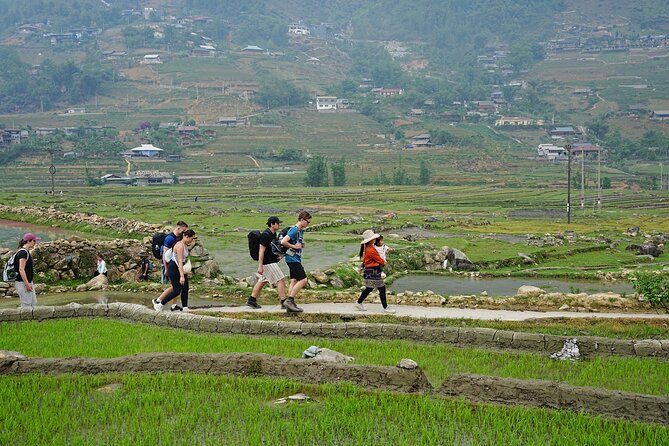
Then the trek shifts to Hau Thao, where rice fields and traditional houses come into focus. After lunch, the schedule moves you along smaller roads and into the quieter rhythm of village lanes. This is a good point in the day to notice details: how houses are arranged, where fields begin and end, and how the landscape shapes daily routines.
By mid-afternoon you move toward Su Pan, where you stay one night at a local homestay. Arriving in the afternoon gives you a smoother transition than an early-morning check-in would. You’re still hiking, but you’re also likely to have time for village atmosphere after you settle in.
What to expect from the homestay night in Su Pan
A homestay can go one of two ways in Sapa: either it feels like a photo stage, or it feels like you’re staying in someone’s real life. This one-night setup is short, but it’s built around the idea of being in the village long enough to feel the difference.
You’ll be in Su Pan, and the experience highlights local food and local culture during your stay. Even without a long program, the homestay night usually changes the entire feel of the trek. Day 1 is active and outdoorsy; the evening is calmer, with time for observation and conversation.
Also, that extra night matters for pacing. Instead of finishing the trek and sprinting back to town at the same time, you get to break the trip into two days. That makes it more doable if you’re not used to multi-hour walking.
Practical note: because it’s a homestay, don’t assume the same comfort level you get in Sapa hotels. I’d treat this as part of the value—simple, local, and focused on the village setting.
Day 2: Giang Ta Chai, Ta Van rice terraces, and the walk into Lao Chai
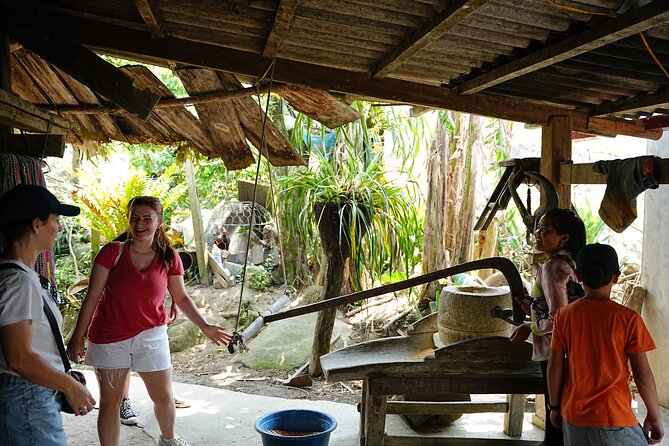
Day 2 begins with breakfast at the homestay, then you head out on the morning trek toward Giang Ta Chai Village, the Red Dao community. The way the schedule is shaped here is smart: after breakfast you’re moving right away, so you avoid the common problem of a late start that turns the day into a scramble.
Giang Ta Chai is described as a small village with plenty to see. In practice, that usually means you’ll get a closer-feeling village encounter than if your stops are only big-picture viewpoints. It’s the kind of place where you notice clothing, daily routines, and how families use their space.
Next comes Ta Van Village, with big emphasis on rice terraces. You’ll walk to see the terraces and interact with the Giáy people. Ta Van is one of the better-known areas in Sapa for terraces, so it can be busier than the smaller side lanes you saw earlier. Still, the trek format helps: you’re not just watching terraces from one spot—you’re moving through the area, which makes the view feel earned.
After Ta Van, the route continues to Lao Chai, another key village stop—this time of the Black H’Mong. You’ll cross a small bridge to enter Muong Hoa valley and enjoy the peaceful scenery there. This is one of the most satisfying parts of the whole loop because it turns your attention from individual village details back to the valley scale.
The hike ends at the center of Lao Chai village, and then you’ll get picked up by car to return to Sapa town around 15:00. If you want to soften your sore legs, the plan also mentions a possible herbal bath in town.
Price and value: why $85 can make sense here
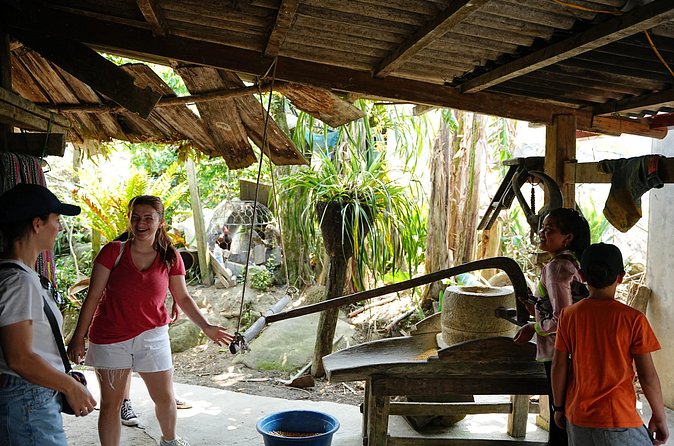
At $85 per person for an approx 2-day experience, the value depends on what’s included—and in this case, the package covers the parts that are easiest to mess up on your own.
You’re getting:
- Hotel pickup in Sapa town to start cleanly
- A guided route across multiple villages
- A one-night homestay in Su Pan
- Lunch provided and breakfast at the homestay
- A car return at the end (so you’re not stuck improvising transport)
When you add it up, you’re not just paying for walking. You’re paying for logistics: the timing, the route between villages, and the fact that the homestay portion is handled for you. For many visitors, that’s what turns a “maybe I’ll do it” idea into a smooth experience.
Group discounts are mentioned too, which can improve value if you’re traveling with friends or family and can match schedules.
The private-tour note matters as well: it says only your group will participate. That can help with pacing and getting answers from your guide without the interruptions of a large mixed group.
Pacing and fitness: who will like this most
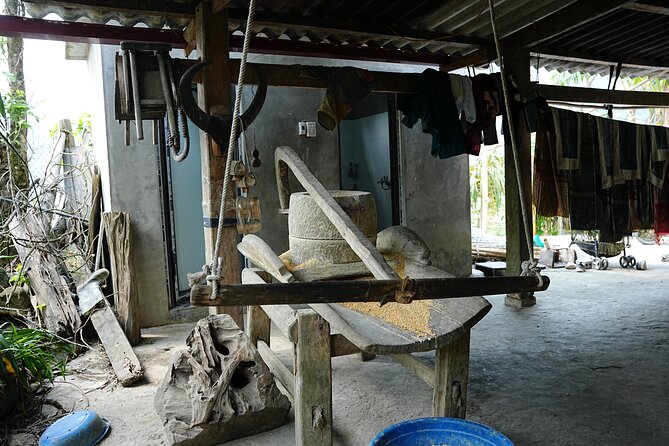
The tour is marketed as something most travelers can participate in, which tells you it’s not designed as an extreme mountain expedition. But it is still a full two-day village circuit. You should expect enough walking that good shoes matter.
If you like:
- multi-stop trekking with village time,
- chatting and observing daily life,
- and finishing with big panoramic payoff,
…this fits your style.
If you dislike:
- uneven paths,
- long stretches outdoors,
- or routes that may feel a bit popular in well-known villages,
…then you’ll want to be mentally prepared and not treat it like a casual stroll.
A quick way to self-check: ask yourself whether you can enjoy the day even if you’re slightly tired. This experience is rewarding, but it’s not the kind of trek where you’ll cruise the whole way.
Guides, group setup, and the small things that matter
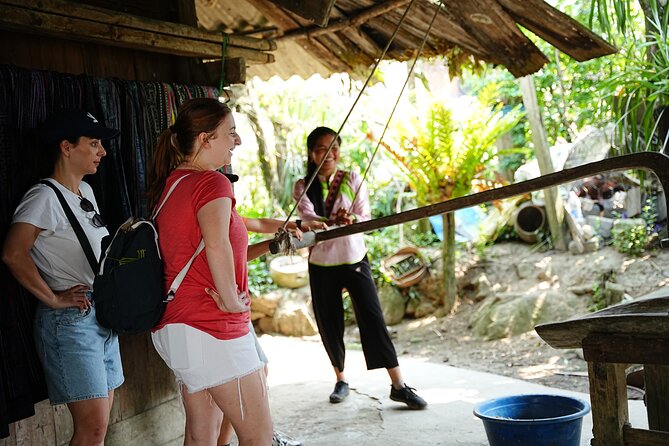
This is run as a private activity for your group, with a guide doing the navigation and village flow. The itinerary structure also suggests your guide keeps you moving, with the walking blocks separated by village visits and meals.
The timing is fairly clear across both days:
- Day 1 starts with pickup in the 08:00–08:30 window, then reaches Hang Da around late morning and moves through Hau Thao and Su Pan in the afternoon.
- Day 2 starts at the homestay with breakfast in the morning, then continues to Giang Ta Chai, Ta Van, and Lao Chai, with return to Sapa town around 15:00.
I like setups like this because it prevents the all-day guessing game. You know what’s coming next, and you can plan your energy around it.
Also, this kind of village trek works best when you travel with a curious mindset. If you keep your questions simple—how their day works, what fields grow, what village life feels like—you’ll likely get far more out of the walk than if you only chase photos.
What to bring (so your legs don’t file a complaint)
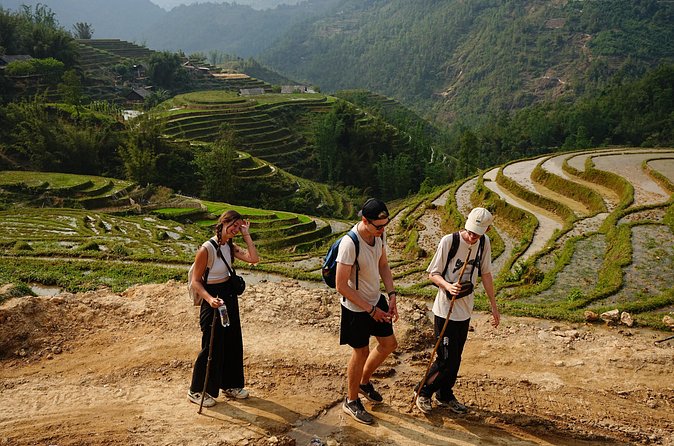
The data doesn’t list gear, so I’ll keep this practical and based on what these treks typically require. Bring:
- Comfortable hiking shoes with grip for uneven ground
- A light layer for cooler mountain air
- A small daypack for water and snacks
- Sun protection (even with clouds, higher areas get bright)
For the homestay night in Su Pan, pack with the mindset that your lodging is simple. Keep expectations realistic and focus on the experience: the village night, the food, the slower pace.
Should you book this Sapa Muong Hoa village trek?
If you want a structured, value-packed 2-day Sapa trek that combines rice terraces, village encounters, and one real night in a homestay, I think it’s a strong choice. The $85 price is easier to justify when you see what it covers: pickup, guiding, multiple ethnic village stops, lunch, breakfast, and the homestay stay.
I’d skip or reconsider if you’re looking for an easy walk with minimal effort, or if you want solitude above all else. This route is built for getting from place to place and meeting people, so it won’t feel like a private wilderness hike.
FAQ
How long is the trek?
The experience lasts about 2 days.
What does it cost?
It’s listed at $85.00 per person.
Do you get picked up from your hotel in Sapa?
Yes. Pickup is offered, and the guide picks you up at hotels in Sapa town.
Do you stay overnight in a local village?
Yes. You stay one night in a local homestay in Su Pan village.
Which villages are included?
Key stops include Hang Da, Hau Thao, Su Pan, Giang Ta Chai, Ta Van, and Lao Chai.
Are meals included?
Lunch is provided during the trek, and you have breakfast at the homestay on day 2.
What is the cancellation policy?
You can cancel for free up to 24 hours in advance for a full refund.