REVIEW · AGUAS CALIENTES
Huchuy Qosqo Trek To Machu Picchu
Book on GetYourGuide →Operated by Libertrek Peru Travel Agency · Bookable on GetYourGuide
Three days, two ancient sites, one starry night. This trek pairs high-Andes walking with Inca ruins and a guided day in Machu Picchu, plus a community stay in Patabamba.
I really like the mix of Peru that you don’t get on a straight Machu Picchu day. You get Cusco area context in the first hike day, then you explore Huchuy Qosqo with a guide who ties together what you’re seeing and why it mattered. I also like the practical meal plan—breakfasts, lunches, and dinners are included, and there’s a vegetarian option at no extra cost.
One real consideration: the route asks for real fitness. The walk includes climbs and downhill sections, and the trek is described as requiring great physical effort, so don’t treat this like an easy stroll.
In This Review
- Key moments to look forward to
- Why this trek makes sense if you want more than Machu Picchu
- Day 1: Cusco, Tambomachay, Qoricocha Lake, then Patabamba under the stars
- Day 2: Huchuyqosqo’s Sacred Temples, terraces, and the trek to Lamay
- Day 3: A guided Machu Picchu tour, bus timing, and the ride back
- What’s actually included (and why that changes the value)
- What’s not included (so you don’t get surprised)
- Lodging and the Patabamba-to-Aguas-Calientes switch
- Who this trek fits best
- Booking advice: should you commit to $490?
- FAQ
- FAQ
- How long is the trek from Cusco to Machu Picchu?
- What time is pickup from my Cusco hotel?
- Are meals included, and is there a vegetarian option?
- Where do you sleep overnight?
- Are entrance tickets to Machu Picchu included?
- Do I need to bring a sleeping bag or trekking poles?
- How hard is this trek?
- What transport is included for Machu Picchu?
- What should I bring with me?
Key moments to look forward to
- Patabamba community night: Dinner with local residents and a night out under the stars.
- Huchuy Qosqo terraces and water system feel: You’re guided through the Sacred Temples and agricultural terraces.
- Puma punku canyon in the middle: A named canyon segment on the way to Little Cusco.
- Machu Picchu guided specifics: You’ll learn key points like the Temple of the Sun and the Intiwatana.
- Emergency backup included: One horse for emergencies, plus an emergency oxygen bottle and first aid kit.
- Meals and stays are built in: Lodge + hotel in Aguas Calientes, with vegetarian options.
Why this trek makes sense if you want more than Machu Picchu
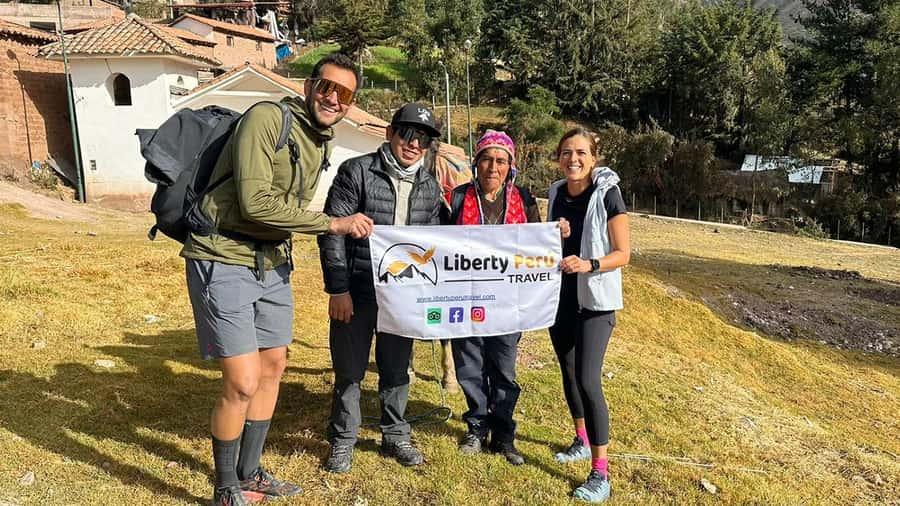
Machu Picchu is the headline, sure. But Huchuy Qosqo Trek to Machu Picchu is built for people who want their day at the citadel to feel earned. Instead of arriving on a bus and hoping you can absorb it all, you hike in first—through Andean scenery, small towns, and Inca-connected sites—so Machu Picchu lands with more meaning.
What also makes this itinerary appealing is the pacing across three days. Day 1 helps you settle into altitude and trail rhythm. Day 2 focuses on Inca sites and a long, satisfying travel day that lands you in Aguas Calientes for the night. Then Day 3 is a guided Machu Picchu visit, with bus and train transport handled.
At $490 per person, it’s not a budget trek. But when you look at what’s included—site entrance tickets, professional bilingual guiding, meals, overnight lodging, and the full Machu Picchu transport chain—it starts to look like a logistics package, not just a hike.
One small but telling detail from a verified booking: the guide Jhordy stood out for giving lots of curiosities and personal attention, and the agency helped with storage for bags for extra days. That’s the kind of real-life support that matters when you’re juggling trains and a tight schedule.
You can also read our reviews of more tours and experiences in Aguas Calientes.
Day 1: Cusco, Tambomachay, Qoricocha Lake, then Patabamba under the stars
You start with a hotel pickup in Cusco at 07:00. From there, you go to Tambomachay, an archaeological center that sets the tone—Inca-era engineering and water themes are part of the story here, even before you reach Huchuy Qosqo.
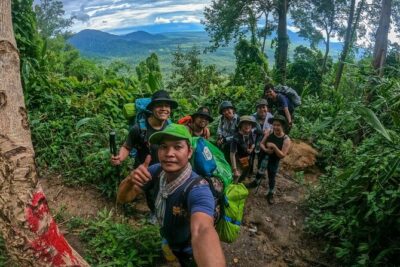
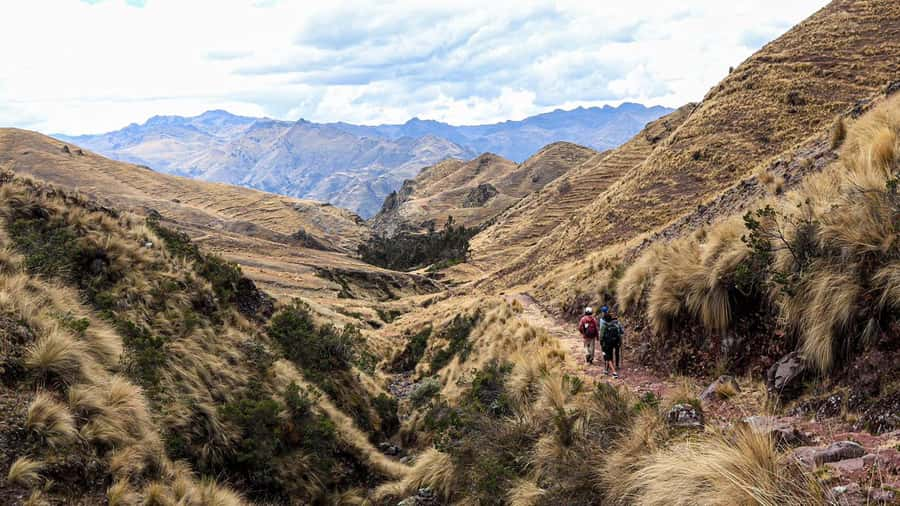
Then the hiking begins. You’ll climb for about two hours until you reach the first step. At that point, you get free time to look out and take in the view of Cusco. It’s a useful break, not just for photos—think of it as your mental warm-up before the longer stretch down into the valley.
After that, you descend to Quesser Grande, then continue hiking to Lake Qoricocha. Lunch is included here, which matters because it gives you a real pause before the next push.
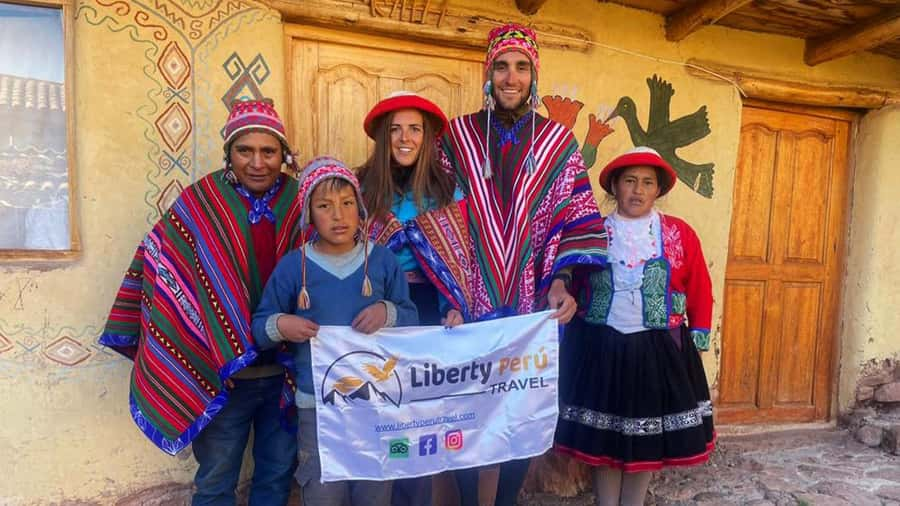
In the afternoon, you walk along the shore area and continue for about two more hours to reach Patabamba. When you arrive, the community welcomes you. You’ll learn customs firsthand and enjoy dinner with residents. Then you sleep for the night in a cozy place, with the big payoff being the night sky—this trek is explicitly about spending time under the stars.
What to watch for on Day 1
- The day mixes climbing and descending, so strong knees help.
- You’ll want solid hiking shoes and sunscreen—sun here can be intense even when the air feels cool.
Day 2: Huchuyqosqo’s Sacred Temples, terraces, and the trek to Lamay
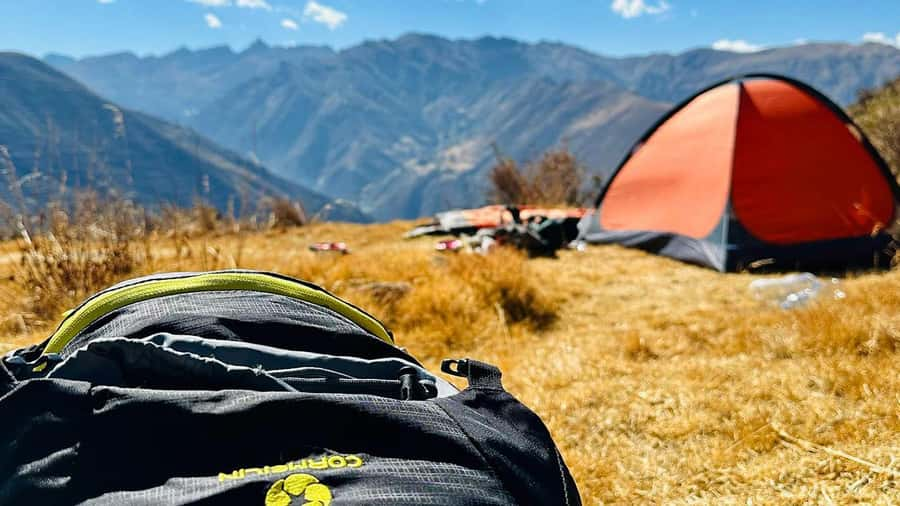
Day 2 starts with breakfast in Patabamba. Then you head out along the trail through different spots and small towns, working your way toward Pukamarca. Lunch is included there.
From Pukamarca, you walk toward Puma punku canyon—this name is Quechua for the door of the puma. The route includes a segment described as an Inca trail, which is where the experience shifts from “scenery hike” into “Inca hike.”
You reach Huchuyqosqo, also known as Little Cusco. Here, the guide leads you through the Inca constructions, including the Sacred Temples and the Inca terraces used for agriculture. This is one of the most rewarding parts of the whole program because it’s guided. You’re not just walking around ruins—you’re learning how the place was organized and why people built it the way they did.
After visiting Huchuyqosqo, the day becomes more about movement again. You hike downhill toward Lamay for about two hours. Once in Lamay, you board tourist transport to Ollantaytambo station.
Then comes the train ride to Aguas Calientes, about two hours. You’ll check into your hotel and sleep there overnight.
A practical reality check for Day 2
Day 2 is the long Inca-focused day, and the combination of guided ruins + downhill hiking + train can feel like a lot. The upside is that your body gets “working breaks” built into the schedule: lunch at Pukamarca, a guided stop at Huchuyqosqo, and then transport steps afterward.
Day 3: A guided Machu Picchu tour, bus timing, and the ride back
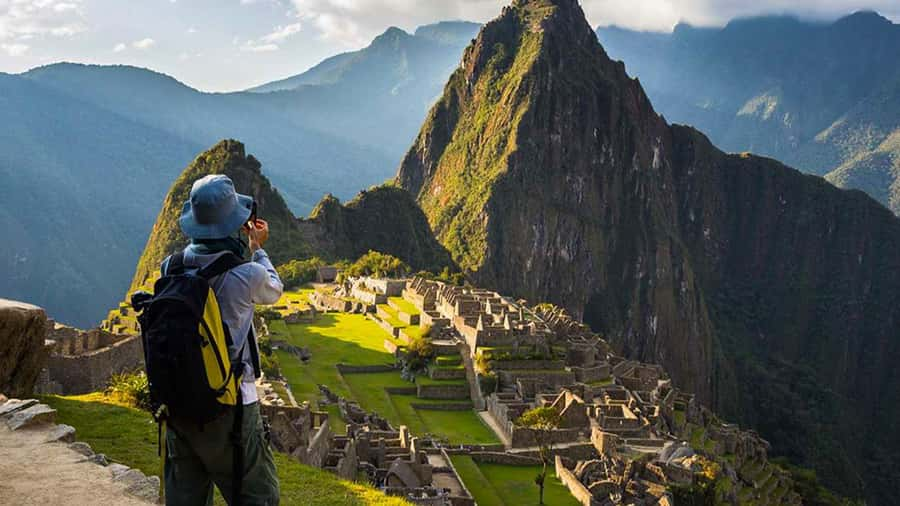
On the morning of Day 3, you head to the bus station at a time set by your guide. The bus ride to the Machu Picchu Sanctuary takes about 30 minutes.
Once you arrive, you enter Machu Picchu and meet the guided tour. This isn’t just a generic walk. The tour includes descriptions of key features such as:
- the Temple of the Sun
- the Intiwatana
- the Sacred Plaza
- the Temple of the 3 Windows
- the Temple of the Condor
That list matters because it shows the tour is structured around important points, not just letting you wander and guess. If you like understanding what you’re looking at—rather than collecting random photos—this format helps a lot.
After the Machu Picchu visit, you take the bus back to Aguas Calientes. You get free time there, then you board the train back toward Ollantaytambo. Agency staff are waiting to transfer you to Cusco by tourist transportation, ending the service.
Quick note on pacing: Day 3 is intense because Machu Picchu is the main event. Your best move is to keep your bag organized and your footwear ready the night before, so the bus and entry don’t turn into last-minute stress.
What’s actually included (and why that changes the value)
This trek is priced at $490 per person, and the value depends on the logistics you’d otherwise have to piece together yourself. Here’s what’s covered:
- Professional bilingual guide (English and Spanish)
- Pickup from your Cusco hotel to start the trek, plus the return transfer to Cusco
- Entrance tickets to Huchuy Qosqo and Machu Picchu
- Meals: 2 breakfasts, 2 lunches, 2 dinners (vegetarian option available at no extra cost)
- 1 night in a lodge + 1 night hotel in Aguas Calientes
- Train tickets related to the route (Ollantaytambo section) and transport timing between the key towns
- Bus tickets up and down: Aguas Calientes ↔ Machu Picchu
- Tourist transport connecting Ollantaytambo station and Cusco
- Emergency support: 1 horse for emergencies, plus an emergency oxygen bottle and first aid kit
A small detail I appreciate: the inclusion of emergency oxygen and a first aid kit signals that the operator is thinking about altitude risk and trail safety, not just selling an experience.
What’s not included (so you don’t get surprised)
You’ll want to plan around the items not included:
- Sleeping bag (you can rent in their office)
- Trekking poles (you can rent in their office)
- Breakfast on the first day and lunch on the third day
Also, plan your own personal medication needs. You’ll be hiking in a high-altitude environment, and the kit list specifically mentions personal medication and a medical statement.
And one strict rule: no alcohol and no drugs.
Lodging and the Patabamba-to-Aguas-Calientes switch
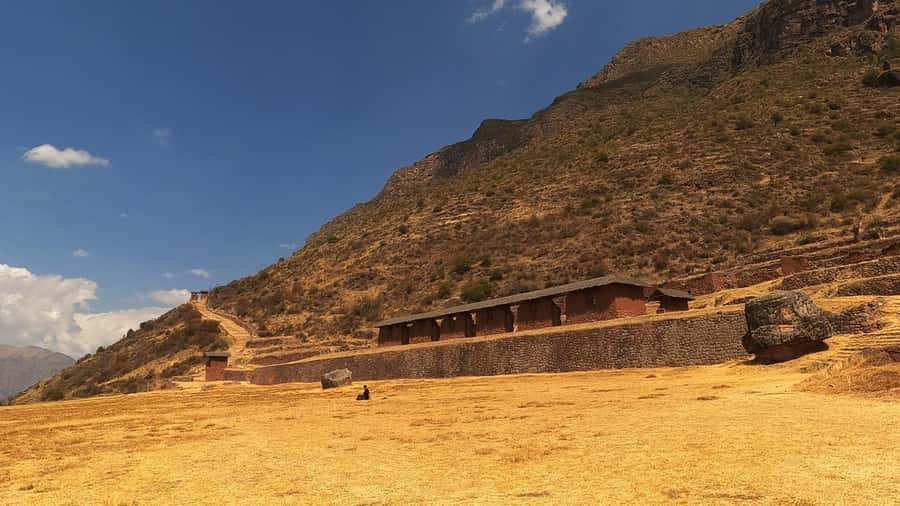
This is one of those itineraries where “where you sleep” changes the vibe fast.
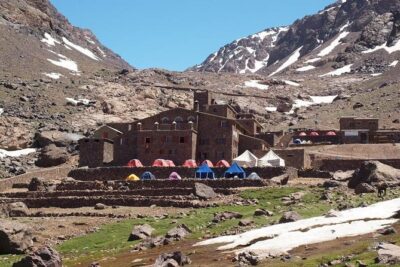
Night 1 is in Patabamba in a cozy local setting, including dinner with residents and an outdoor stargazing feel. Night 2 shifts to a hotel night in Aguas Calientes, which makes sense because you’re traveling and staging for Machu Picchu the next morning.
That change is practical: you get local culture first, then you get a more standard base for the Machu Picchu day.
Who this trek fits best
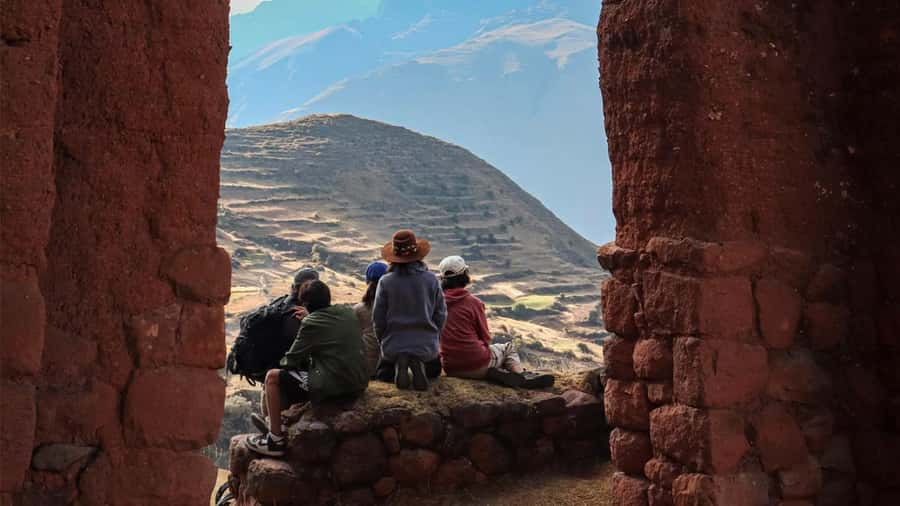
This trek fits best if:
- You want an Andes hiking experience with Inca sites beyond the headline landmark
- You prefer guided interpretation at the ruins (especially at Huchuy Qosqo and Machu Picchu)
- You’re comfortable with a route described as requiring great physical effort
- You like meeting local communities, not just passing through towns
If you’re very new to hiking or you hate uphill/downhill walking, you might feel stretched here. This is not a “flat walking tour.”
Booking advice: should you commit to $490?
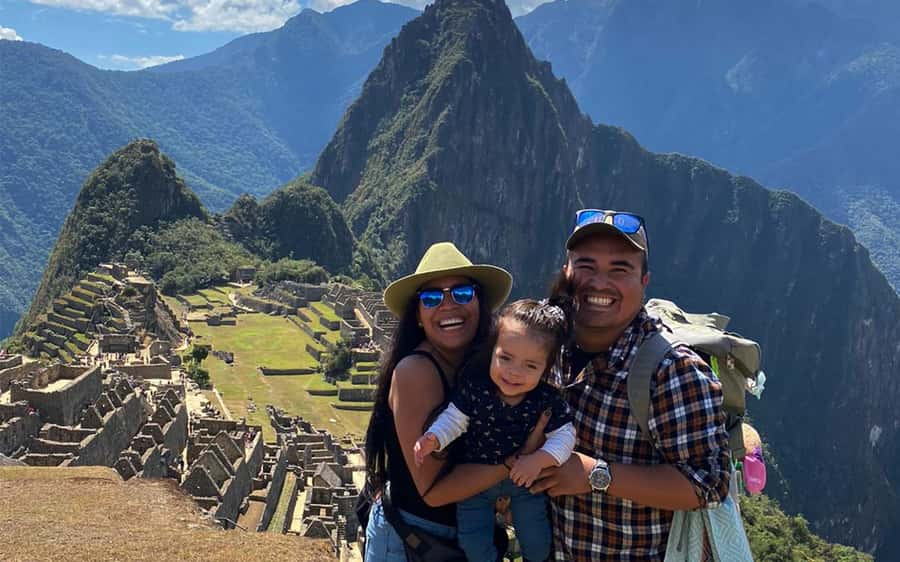
If your priority is only Machu Picchu, you can do that in simpler ways. But if you want your Machu Picchu day to connect to the wider region—Cusco area ruins, Qoricocha Lake walking, Huchuy Qosqo terraces, and a Patabamba community night—this itinerary is a strong package.
My recommendation: book this when you’re ready for the physical challenge and you value being guided at the sites. The included entrance fees, meals, and full transport chain reduce the usual stress of Machu Picchu planning.
If you’re on the fence, check your fitness honestly. If the climb and downhill sections feel manageable, you’ll likely enjoy the whole arc—from stars in Patabamba to the structured tour points at Machu Picchu.
FAQ
FAQ
How long is the trek from Cusco to Machu Picchu?
It’s a 3-day experience.
What time is pickup from my Cusco hotel?
Pickup is at 07:00 AM from your hotel in Cusco.
Are meals included, and is there a vegetarian option?
Yes. The plan includes 2 breakfasts, 2 lunches, and 2 dinners. A vegetarian meal option is available at no extra cost.
Where do you sleep overnight?
You’ll have 1 night in a lodge (on the trek) and 1 night in a hotel in Aguas Calientes.
Are entrance tickets to Machu Picchu included?
Yes. Entrance tickets to Machu Picchu are included, and the Machu Picchu visit is guided.
Do I need to bring a sleeping bag or trekking poles?
A sleeping bag and trekking poles are not included, but you can rent them from the operator’s office.
How hard is this trek?
The route requires great physical effort, with hiking that includes climbs and downhill walking.
What transport is included for Machu Picchu?
You get bus tickets up and down between Aguas Calientes and Machu Picchu, plus tourist transport connections as part of the route.
What should I bring with me?
Bring hiking shoes, sunglasses, sunscreen, hiking pants, a camera, cash, personal medication, a medical statement, and your passport or ID card. Trekking gear is also recommended.
—
If you tell me your hiking background (and whether you’re prone to altitude issues), I can help you judge if the physical effort here matches your comfort level.