REVIEW · AGUAS CALIENTES
Salkantay Trek to Machu Picchu 5 Days with Sky Lodge Domes
Book on GetYourGuide →Operated by Quechuas Expeditions Peru S.A.C. · Bookable on GetYourGuide
Five days, one giant mountain story. This Salkantay hike is built around big Andean moments, including Salkantay Pass and the turquoise Humantay Lake setting, plus sections on ancient Inca routes on the way toward Machu Picchu. I love how the trek balances hard mountain walking with comfort at night, but one possible drawback is that one camp stay can feel more basic than you might expect from the domes.
You also get a small-group feel (limited to 8), with bilingual guidance in English and Spanish. I like the practical details that matter at altitude, like the included oxygen tank and the fact that your gear gets moved by horsemen and mules, with a 7-kilo per person limit.
If you’re sensitive to altitude or looking for a perfectly even comfort level every night, plan for that. One guide-led trek can be flawless, but the mountain doesn’t care about your bedding preferences.
In This Review
- Key things I’d watch for on this trek
- Cusco briefing and the ride into the trek
- Day 1: Challacancha to Soraypampa, plus Humantay Lake at full focus
- Day 2: The tough climb to Salkantay Pass and the descent to Chaullay
- Day 3: A calmer day through Santa Teresa Valley, with hot springs if you want them
- Day 4: Inca trail section, Llactapata views, then Aguas Calientes
- Day 5: Bus to Machu Picchu, guided tour, and train back to Cusco
- Sky Lodge Domes: what the comfort actually changes
- The guide and chef make the difference between tough and doable
- Price and value: why $680 can work (and what to budget)
- What to pack and how to stay comfortable on the route
- Who this trek is best for
- Should you book Salkantay with Sky Lodge domes?
- FAQ
- What is the duration of the Salkantay Trek to Machu Picchu?
- Where does the trek start and what is the first transport day like?
- What accommodation is included during the trek?
- Are meals included?
- Is Machu Picchu entry included?
- How large is the group?
- Do you provide luggage support?
- What gear is not included and can be rented?
- Is there support for altitude issues?
Key things I’d watch for on this trek
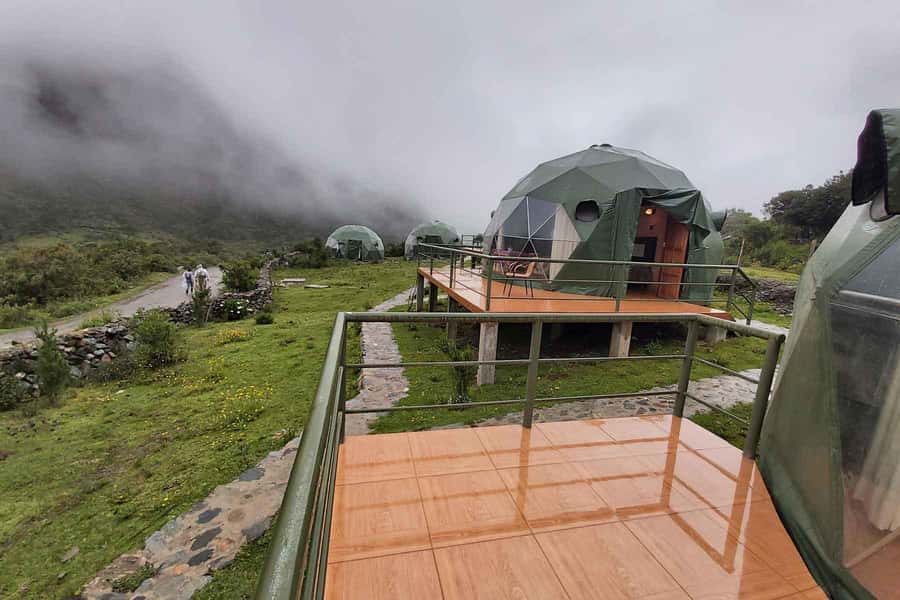
- Sky Lodge domes with private bathrooms and hot showers help you recover after long walk days.
- Humantay Lake is one of the clearest payoffs for your first full day of effort.
- Salkantay Pass is the hard milestone, with big high-mountain views when conditions cooperate.
- Inca touchpoints include part of the Original Inca Trail and a stop at Llactapata.
- Professional cooking keeps meals varied and restoration-focused at camp.
- Altitude backup includes an oxygen tank, plus the option of a horse ride if you need it (paid).
Cusco briefing and the ride into the trek
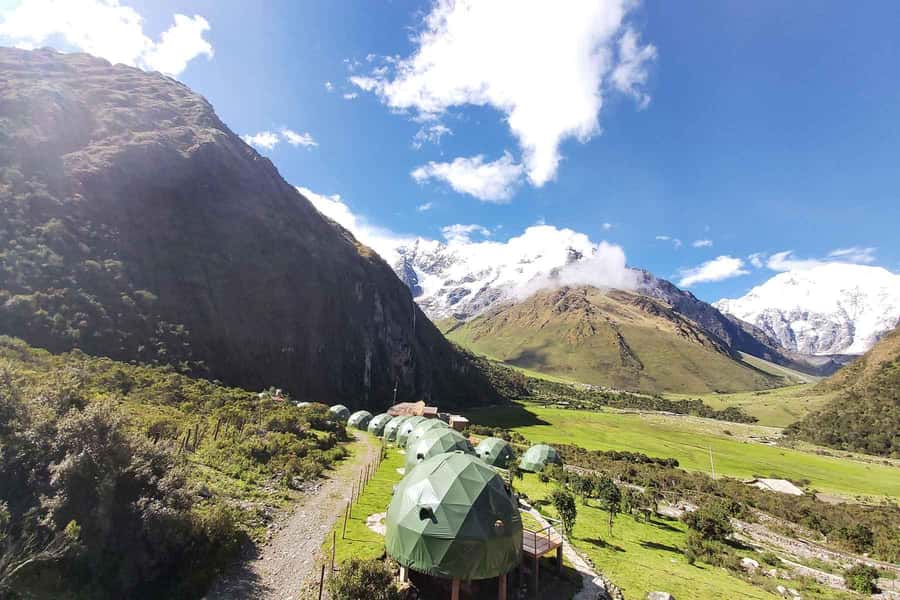
The experience starts the night before with a briefing at 6:00pm at your hotel in Cusco. It’s not just paperwork. You get the basic rhythm of the next days so you know what kind of mornings to expect, how your gear logistics work, and what to pay attention to for altitude.
Day 1 begins early with hotel pickup, then a drive that first takes you to Mollepata for breakfast. That stop matters more than you might think. After Cusco, you want fuel and time for your body to settle into the trekking pace.
From there, you transfer up to Challacancha, which is where the hike begins. The day is paced to ease you into altitude and effort: you’re not thrown straight into the steepest sections before you’ve had a chance to find your breathing.
You can also read our reviews of more tours and experiences in Aguas Calientes.
Day 1: Challacancha to Soraypampa, plus Humantay Lake at full focus
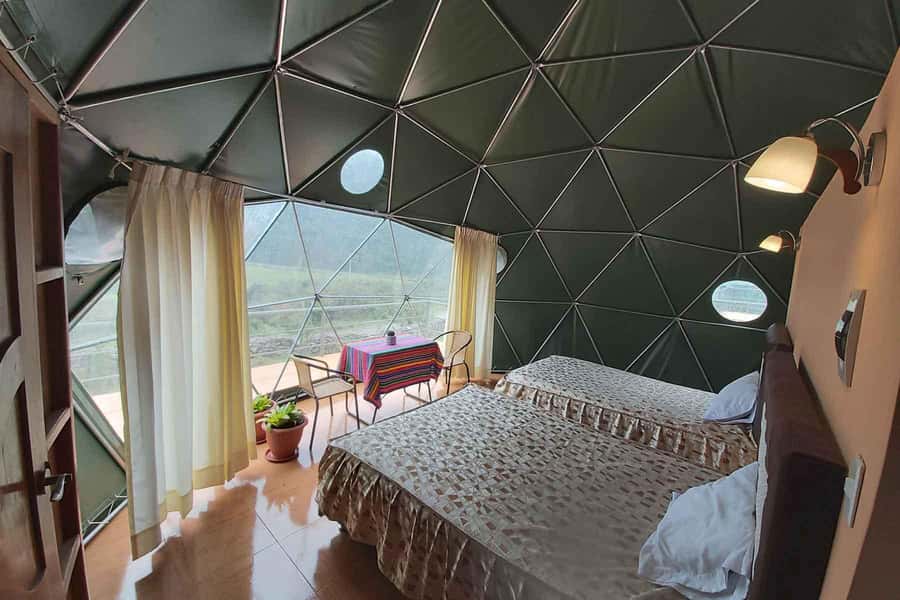
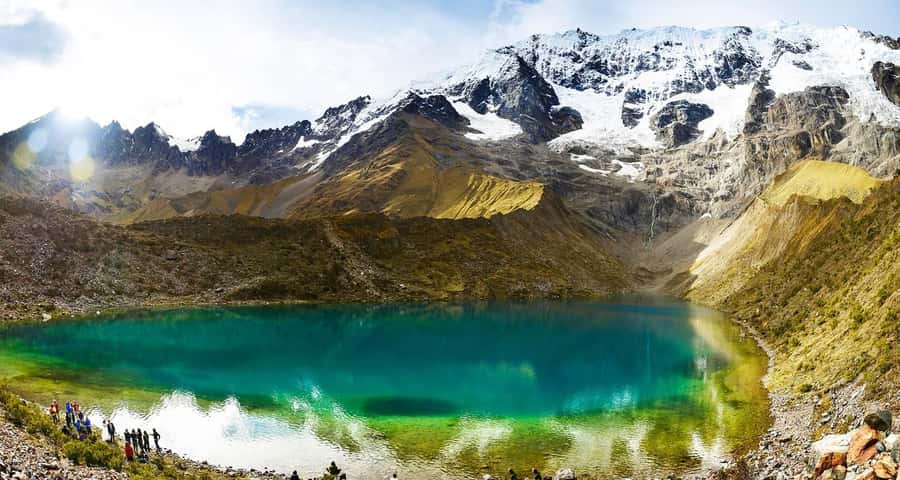
Your first hiking day pairs two major Andean moments: a move toward Soraypampa for your first dome night, and a hike to Humantay Lake. The lake’s color gets described a lot, but what sticks with me is the contrast: bright water under high peaks, with that strong, thin-air feeling around you.
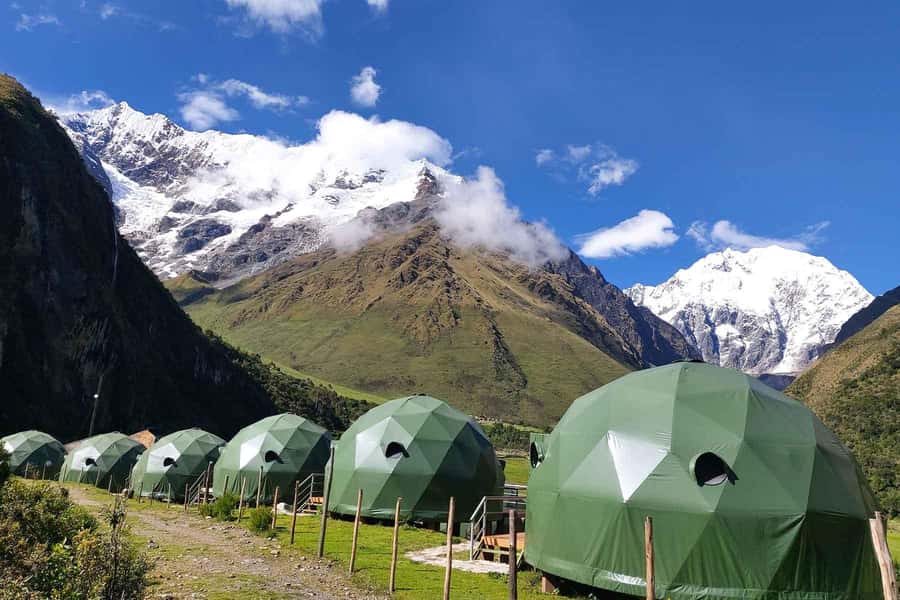
You trek to Soraypampa and spend the night in a Sky Lodge dome, which includes a private bathroom and a hot shower. That’s a big deal on a trek where you’ll likely want to wash sweat and reset your body for the next morning.
After the hiking, you get an evening under the stars. Even if the sky is only partially clear, the domes help make the night quieter and more comfortable than typical camp lodging. It also sets expectations: this isn’t a back-to-basics survival trek. It’s an outdoors adventure with real comfort built in.
Practical note: bring a sun hat and sunglasses. Early mornings and high altitude can be bright fast, even when you think you’re dressed for cool weather.
Day 2: The tough climb to Salkantay Pass and the descent to Chaullay
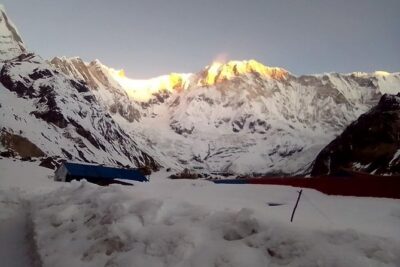
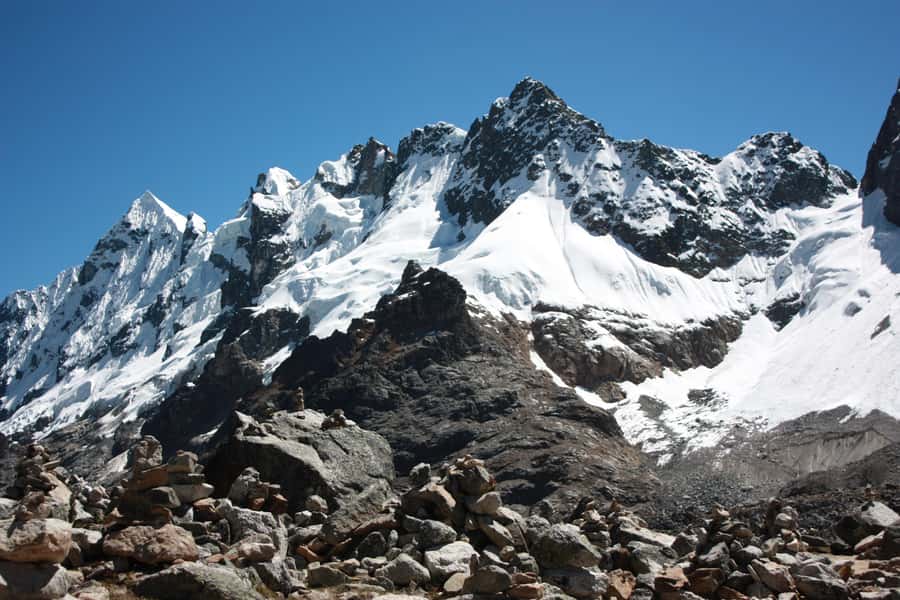
Day 2 is where the trek earns its reputation. After an early start, you hike toward Salkantay Pass, a challenging high point with big Andean views. This is the day most people feel in their legs and lungs, because it’s the highest “task” on the route.
Once you reach the pass area, the day turns toward relief: you descend to Chaullay for the night. Descent is its own challenge—knees and calves get a workout—but the overall shift from high altitude to lower elevations can feel like a release.
If altitude hits you hard, don’t panic. The experience includes an oxygen tank, and there’s also a possibility of a horse option if needed (reported as paid). Knowing that this kind of backup exists makes the hardest push feel less like a blind gamble.
Day 3: A calmer day through Santa Teresa Valley, with hot springs if you want them
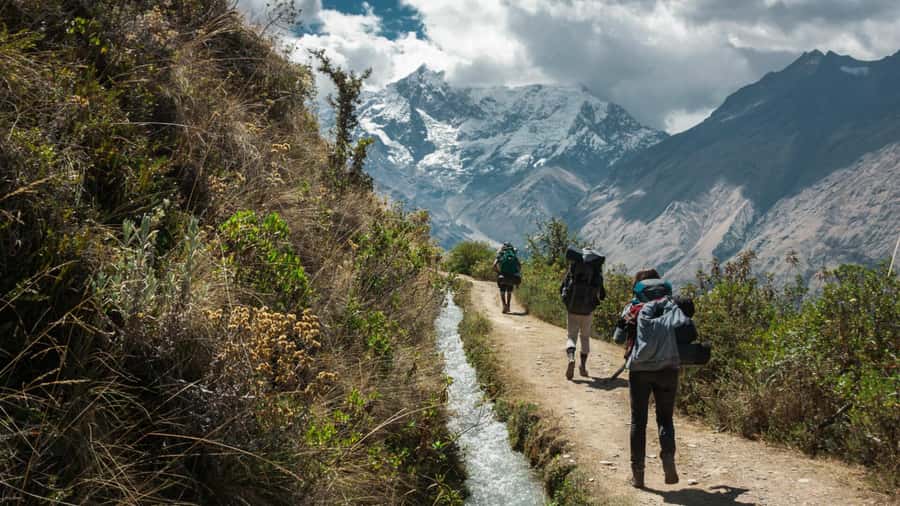
Day 3 is described as easier, and it’s built for recovery. You pass through the Santa Teresa Valley, which gives you a different kind of day: less of a grind, more of a steady walk where you can focus on pacing and staying comfortable.
There’s an optional hot-springs moment built into the day. Since it’s optional, you can choose based on your energy and how your body is handling altitude. If you’re carrying fatigue, a soak can be a smart way to loosen up before the final approach days.
You sleep another night in a Sky Lodge dome. That consistency matters. Even with one reported rougher night on the trip, the dome setup gives most people something they don’t always get on treks: private space, hot water, and a bathroom that reduces the daily hassle.
Day 4: Inca trail section, Llactapata views, then Aguas Calientes
Day 4 is a bridge day. You’re moving from trek mode into the Machu Picchu arrival rhythm.
You pass through part of the Original Inca Trail, then visit Llactapata, an Inca site with views toward Machu Picchu. This stop helps the moment feel real. You’re not just headed to a place; you’re seeing how the Incas positioned sites in relation to the terrain.
Then you make your way to Aguas Calientes for an overnight in a hotel. You can either hike part of the route or take a train, depending on how your legs feel and what pace you want.
This is a good day to be honest with yourself. If you’re feeling strong, the hike can add satisfaction. If you’re already worn down from the pass, the train can keep your energy for the Machu Picchu guided tour the next day.
Day 5: Bus to Machu Picchu, guided tour, and train back to Cusco
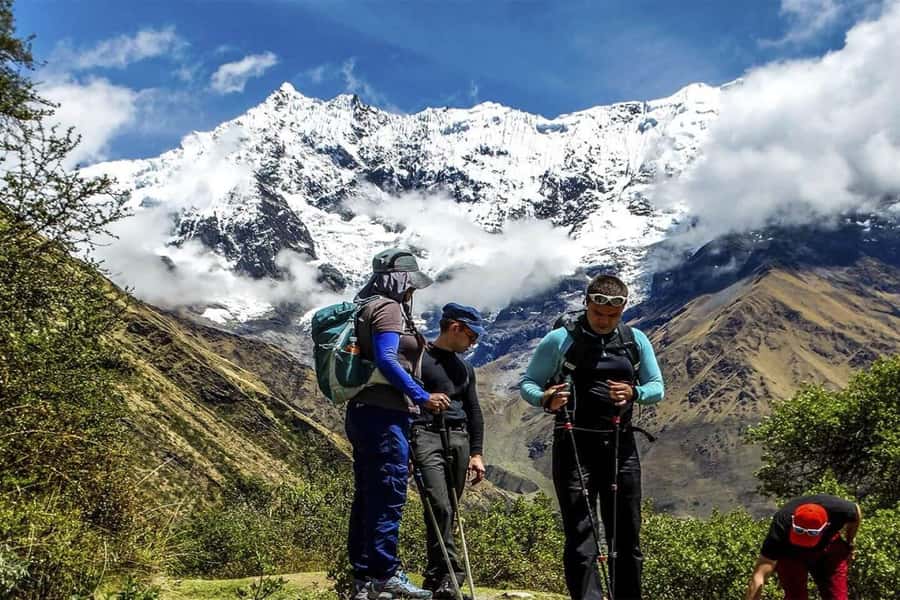
On the final day, you ride a bus to Machu Picchu for a guided tour. The guide keeps things organized, and they also help you get the context so the time inside feels more than just photos and walking.
There are options for additional hikes after the main tour. That’s useful if you want extra viewpoints without turning the day into a full-on endurance challenge.
After Machu Picchu, the route continues with a train to Ollantaytambo, followed by a transfer back to Cusco. That train segment is often the piece people appreciate most at the end, because it lets you enjoy the last part without having to keep climbing.
Sky Lodge Domes: what the comfort actually changes
The domes are more than a “nice-to-have.” On a 5-day trek, comfort affects behavior: you sleep better, you wash off more sweat, and you wake up with more patience for the next climb.
Here’s what’s included with the luxury Sky Lodge domes:
- private bathroom
- hot shower
- dome lodging at camp points during the route
One review flagged that a second night didn’t match the level of comfort promised, described as more spartan than expected. That’s the risk with any multi-night trek setup where conditions can shift by camp location.
Still, compared with standard trekking camps, having private hot water night after night is a major value driver. It helps you keep hygiene under control and makes the trek feel safer and more livable, especially if you’re not used to very basic accommodations.
Also, the trek includes horsemen and mules to move equipment, food, and personal luggage (up to 7 kilos per person), plus a duffel bag. That means your daypack can stay focused on the essentials rather than being overloaded with everything you own.
The guide and chef make the difference between tough and doable
What I like most about this trek is how it’s built around care: professional bilingual guidance, plus a cook who can produce real meals after long days.
Guides come with different styles, but the names you might hear include Fernando and Nildo, both described as professional and attentive. One person specifically mentioned Fernando’s detailed briefing and how he helped manage the right choices at the ticket office for Machu Picchu. That kind of support reduces stress when you’re already tired.
On the food side, Armando is a chef name that came up with strong praise. The consistent theme was healthy, traditional meals made fresh and served when you’re actually hungry. You’re also not stuck with the same simple plate every day; the included meal plan covers:
- 4 breakfasts
- 4 lunches
- 4 dinners
- 3 snacks
You should know what’s not included: the first breakfast and the last dinner. Everything else is handled.
Dining equipment includes portable chairs and tables, which sounds like a small thing until you’ve hiked all day and finally get to sit down without balancing plates on your knees.
Price and value: why $680 can work (and what to budget)
This trek costs $680 per person for 5 days. On the surface, trek prices can look similar across companies. The value here comes from what’s included: not just the hike, but the whole support system.
What your money covers includes:
- pickup and transportation Cusco → Mollepata → Challacancha
- professional bilingual guide (English/Spanish)
- horsemen and mules for gear and food
- Machu Picchu entrance fee
- luxury Sky Lodge domes with private bathroom and hot shower
- 1 night hotel in Aguas Calientes
- meals in camp (with breakfasts/lunches/dinners and snacks)
- first aid kit and an oxygen tank
What you’ll likely still need to budget for:
- sleeping bag rental (available from the operator)
- trekking poles rental (available from the operator)
- first breakfast and last dinner
One extra note: there’s a paid horse option if altitude becomes an issue. You can treat it as a safety valve, not a plan A.
If you compare this to a basic trek package, the domes plus the hotel night plus Machu Picchu entry are where the price starts to make sense. You’re paying for less friction and better recovery at night, which is what turns an ambitious hike into something you can enjoy rather than just survive.
What to pack and how to stay comfortable on the route
The list is straightforward, and I’d follow it:
- passport
- warm clothing
- sunglasses
- sun hat
- hiking shoes
- sunscreen
- rain gear
- daypack
- hiking pants
A daypack matters because your personal comfort items and layers need to be within reach. A trek like this can switch from cold wind to warm sun in a short window, especially at higher points.
Also consider how you’ll manage altitude. The route is not presented as a casual walk, and it isn’t suitable for everyone. This experience is listed as not suitable for:
- pregnant women
- people with back problems
- people with heart problems
If any of those apply to you, skip this trek and look for an alternative route designed for your needs.
If you’re generally healthy, still take altitude seriously. Start slowly on steep sections, hydrate, and don’t judge your pace by the first hour.
Who this trek is best for
This Salkantay trek works well if you want:
- a classic high-Andes route without dealing with basic camp discomfort
- a small group (up to 8)
- a guided Machu Picchu visit, not just a ticket and a map
- strong meal support from a professional cook
It’s especially appealing if you like the mix of natural highlights and Inca connections: Humantay Lake, Salkantay Pass, Santa Teresa Valley, parts of the Original Inca Trail, and Llactapata views.
Should you book Salkantay with Sky Lodge domes?
I’d book this if you want the Salkantay experience with comfort upgrades that actually change your daily life. The domes with private bathrooms and hot showers make the trek feel human after long days. Add in a professional bilingual guide, a cook who can feed you well, and even an oxygen tank, and the whole trip feels more controlled.
I’d think twice if you want absolute consistency in accommodation comfort night to night. One report described a second night as less comfortable than expected. If you’re very sensitive to that, you might prefer a different setup or ask the operator how that specific camp night tends to feel.
Bottom line: if you’re ready for a real trek and you like the idea of ending each day with a hot shower, this is a strong value play at $680, with Machu Picchu entrance included and a full support team handling the hard parts behind the scenes.
FAQ
What is the duration of the Salkantay Trek to Machu Picchu?
It runs for 5 days.
Where does the trek start and what is the first transport day like?
You get an early pickup in Cusco, then transfer to Mollepata for breakfast, and continue to Challacancha, where the trek starts.
What accommodation is included during the trek?
You stay in luxury Sky Lodge Domes with private bathrooms and hot showers, plus 1 night in a hotel in Aguas Calientes.
Are meals included?
Yes. The trek includes 4 breakfasts, 4 lunches, 4 dinners, and 3 snacks. The first breakfast and last dinner are not included.
Is Machu Picchu entry included?
Yes, the entrance fee to Machu Picchu is included.
How large is the group?
The group is limited to 8 participants.
Do you provide luggage support?
Yes. Horsemen and mules transport equipment, food, and personal luggage up to 7 kilos per person, and a duffel bag is provided.
What gear is not included and can be rented?
Sleeping bags and trekking poles are not included, but they can be rented from the operator.
Is there support for altitude issues?
An oxygen tank is included, and there is also the option of a horse ride if altitude becomes difficult (paid).