REVIEW · KATHMANDU
Kathmandu Valley Rim Trekking – 3 days
Book on Viator →Operated by Eco Holidays Nepal · Bookable on Viator
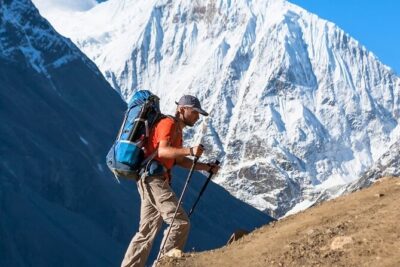
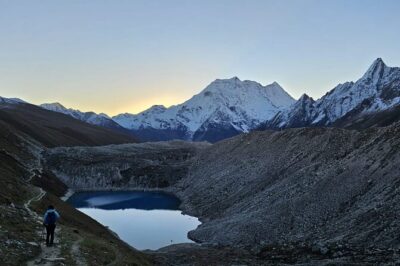
Sunrise on a Himalayan ridge changes your whole mood. This short rim trek circles Kathmandu’s outskirts for big views, calm forests, and a couple of classic hill stops like Chisapani and Nagarkot.
I love that the walking is built for a quick escape: short, enjoyable trail days through cool woodland and small farm villages. I also like the mix of nature and culture, with Tamang villages along the way and the historic Changunarayan Vishnu temple to close it out.
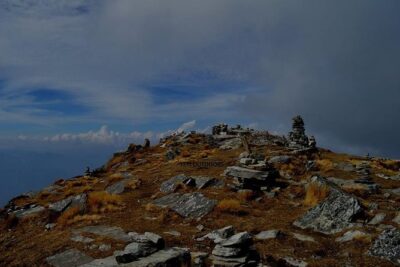
One thing to plan around: the mountain panorama is weather-dependent, so if fog or rain rolls in, the views can be less dramatic than the clear-day photos you came for.
In This Review
- Key highlights you’ll feel fast
- A 3-day rim trek that feels like a real reset from Kathmandu
- Forest-to-village walking: how the route really plays out
- Chisapani: the cool forest climb and the sunrise-on-a-hilltop feeling
- Nagarkot: rhododendron and pine trails to a viewpoint hill town
- Changunarayan temple: a calm cultural finish before you head back
- Price and logistics: what you’re really paying for
- Guides, pace, and group style: why it feels different from big tours
- What to pack (and what to skip) for comfort on the rim
- Who this trek is best for (and who might want a different option)
- Should you book Kathmandu Valley Rim Trekking?
- FAQ
- How long is the Kathmandu Valley Rim Trek?
- Where does the tour start and end?
- Is pickup included?
- Is this a private tour?
- What meals are included?
- Are entrance tickets included?
- What is not included in the price?
- Do I get a ticket on my phone?
- Is the trek suitable for most people?
- What’s the cancellation policy?
Key highlights you’ll feel fast
- Short rim trekking, not a huge commitment: a few days of walking that still feels like a real break from the city
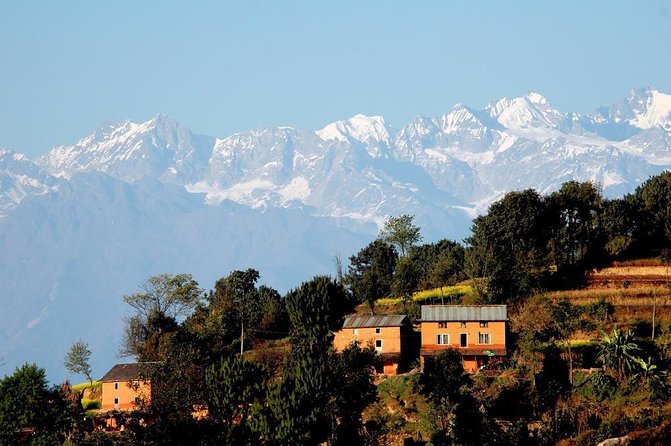
- Chisapani’s viewpoint time: sunrise options from a local lodge with wide Himalayan sightlines
- Nagarkot as the classic sunset and sunrise hill stop
- Real-life route textures: forest paths, ridgeline hops, downhill through villages, then back up again
- Changunarayan temple pagoda visit: a calm cultural stop to reset after the walking
- Private, guide-led, meal-included value: transport, professional guide, and multiple meals are part of the package
A 3-day rim trek that feels like a real reset from Kathmandu
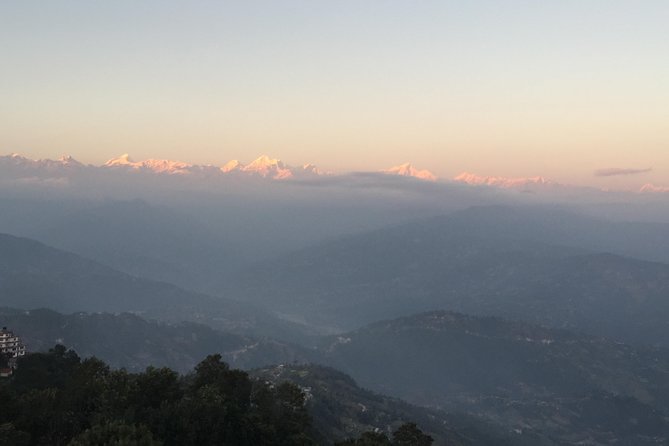
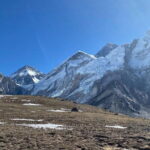
Kathmandu can be loud in your bones. This trek gives you the opposite: fresh air on the valley rim, green slopes, and long sightlines toward the central Himalaya. You’ll start by leaving the city in a vehicle, then trade roads for paths that wind through forests and farmland.
The best part is that you’re not spending days chasing high-altitude drama. This is a rim walk around the capital—built for comfort, scenery, and a steady rhythm. If you want a getaway that still feels meaningful, you’ll probably like this format: travel, walk, viewpoint, sleep in the hills, repeat.
You can also read our reviews of more tours and experiences in Kathmandu.
Forest-to-village walking: how the route really plays out
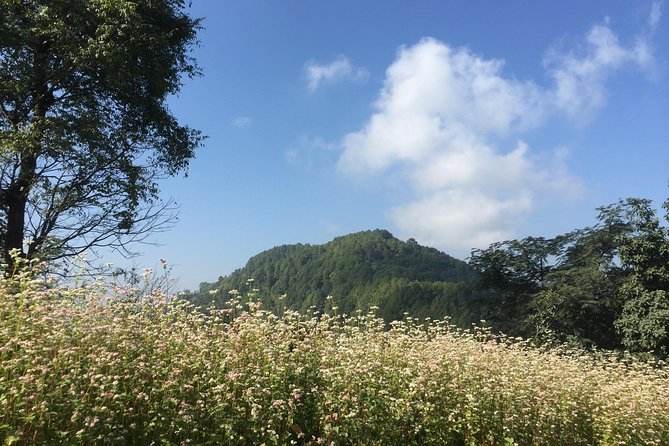
Even though this is only about three days, the walking has variety. You begin with a climb into forested water-shed country, then you drop into farm areas and village sections, and later you head toward bigger viewpoint towns.
That mix matters. Forest sections give you cooler air and shade under trees like rhododendron and pines. Village segments add the human scale—terrace fields, local paths, and small hamlets you pass through rather than scenic dots you just drive past.
You also get used to the daily pattern:
- Start earlier, when conditions are usually better
- Walk gradually on paths that link ridges and valleys
- Use viewpoint stops to slow down and actually look
- Finish the day with a lodge or town base where you can reset
If you enjoy short hikes where the reward shows up repeatedly, this route fits that style.
Chisapani: the cool forest climb and the sunrise-on-a-hilltop feeling
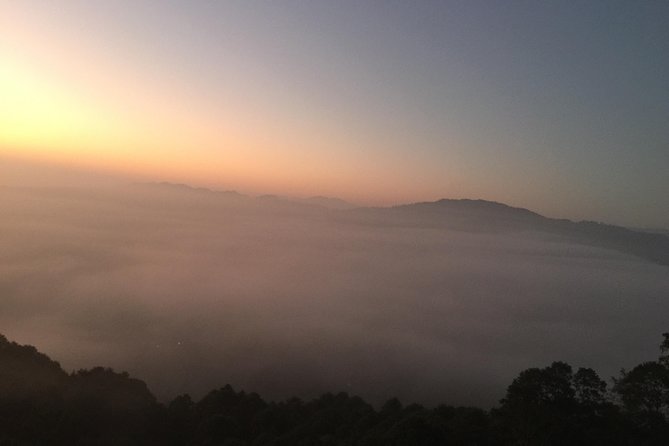
Your first day starts with a drive out of Kathmandu, passing through the north-eastern side toward the edge of the valley rim. From Sundarijal, you climb into the forested water-shed area and pass the reservoir zone that supplies drinking water to Kathmandu.
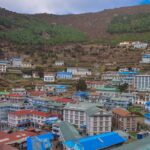
Then the route shifts into village country: Burlung Bhanjyang is described as part of Tamang farm village territory. You’re walking among farmland life, then cutting back into dense woodland until you reach Chisapani, where the overnight stop is at a local lodge.
Why Chisapani works:
- You’re high enough to feel the Himalayan air, not just nearby hills
- The views are a major reason people choose this short trek
- The lodge base makes sunrise a realistic option rather than a rushed hope
The thing to remember is timing and weather. Clear mornings are where the magic happens. If clouds sit in, you’ll still get the forest walk and the calmer atmosphere—but the distant peaks may fade.
Nagarkot: rhododendron and pine trails to a viewpoint hill town
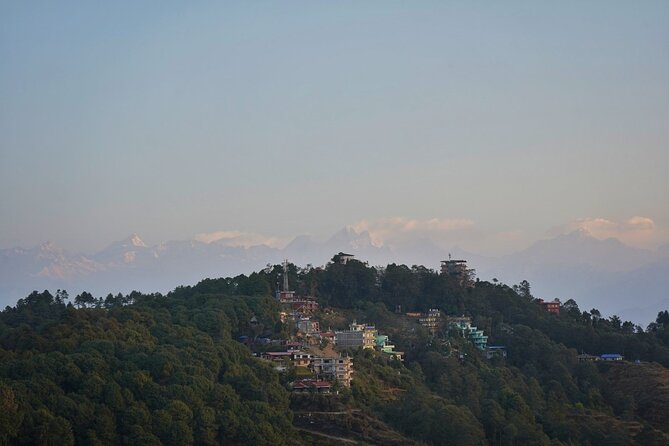
The next morning continues the forest-and-path rhythm. You take a gradual, winding route through rhododendron and pine woodland, then you get downhill sections through small villages like Chowki-Bbhanjyang and areas such as Jarsing Pawa. There are multiple ups and downs, including a section that diverts toward a higher hill before dropping again toward Kartike Bhanyang.
Finally, you end the walking day at Nagarkot, a popular hill town perched roughly in the 1,932 to 2,100 m range. Nagarkot is famous for sunrise and sunset views, and it’s easy to see why: it’s set up for looking out over the wider region from a comfortable base.
A small practical truth: Nagarkot is one of those places where your experience depends on how clear the air is. If weather cooperates, it’s the kind of viewpoint where you’ll want to linger, camera ready. If it’s damp or rainy, you’ll trade peak drama for quieter mood and still-enjoyable town-and-trail time.
Either way, this is a good stop if you like hill towns that are built around scenery—not just overnight beds.
Changunarayan temple: a calm cultural finish before you head back
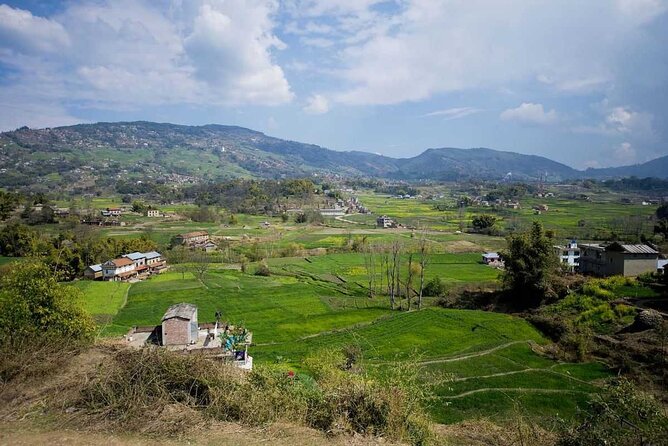
On your final day, the walking transitions from hill-town viewpoint mode into descent. You head downhill past farm villages and terrace fields, then move into a cooler forest patch before reaching Changunarayan.
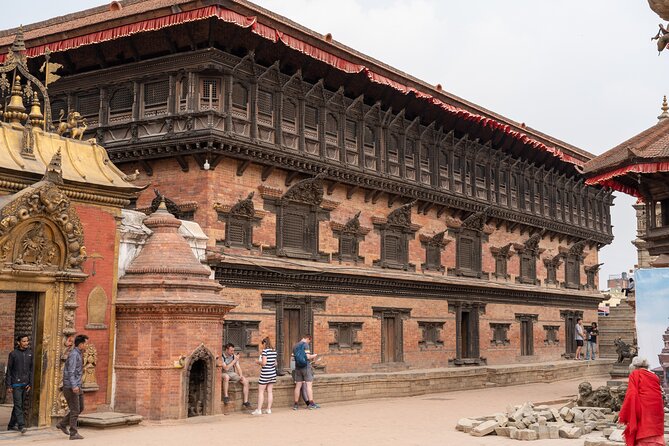
Here you’re not just stretching your legs—you’re stepping into a historic religious site: the Changunarayan temple complex, dedicated to Lord Vishnu. The architecture is described as a pagoda style, and it’s a great place to slow down and take in details rather than chase elevation.
After the temple visit, you return to Kathmandu with free time in the afternoon for relaxed shopping and downtime. That matters if you don’t want your last day to feel like more logistics than fun.
Price and logistics: what you’re really paying for
The price is $380.67 per person for an approximately 3-day trek. For a short trek, this price can still feel reasonable because you’re not just buying guide time.
Included in the package:
- Private transportation
- All fees and taxes
- A professional guide
- Breakfast (2), lunch (3), dinner (2)
That meal count is meaningful. When you’re walking in the hills, food logistics can get annoying fast. Having meals handled means you can focus on your pace and the views rather than constantly planning where to eat.
Also included:
- Pickup is offered
- A mobile ticket
- Entrance costs are listed as free for the stops included
Not included:
- Hot or cold beverages
- Soft or hard drinks
- Travel insurance
Here’s how I’d frame the value: you’re paying for a managed, guide-led experience that covers the big moving parts—transport, meals, and the route coordination. If you’d otherwise have to piece together transport + guide + meals on your own, this package can save time and stress.
Guides, pace, and group style: why it feels different from big tours
This is a private tour/activity, which usually means your day can feel more flexible and less crowded. It also means your guide’s role is more central. In the feedback shared for this trek, guide names like Sagar Ghising and Dhurba show up—both associated with smooth management and a good feel for the route.
A guide matters most on a short trek because you don’t have extra days to recover from mistakes. Having someone professional handling timing and transitions means you spend your energy walking and looking, not troubleshooting.
The pace described for this experience is generally “short” and “easy” style. You still want solid footwear and a willingness to walk daily, but it’s not presented as a technical expedition.
What to pack (and what to skip) for comfort on the rim
The route is in cooler hill forest and viewpoint areas, so think layers and weather readiness. The biggest reality is that rain or cloud cover can blunt visibility, even if the trek itself stays enjoyable. If you come prepared, the day still works.
Bring:
- A light rain layer (because weather can shift)
- Warm layers for early morning and evening viewpoint time
- Comfortable walking shoes with grip
- A small day bag for essentials
Plan for:
- No beverages included beyond what’s part of the meals, since hot/cold drinks and soft/hard drinks are not included. Having a plan for water and sipping helps a lot.
Also, since you’ll be traveling from Kathmandu to the rim and back, keep your valuables simple. You’re trying to move light, not cart a lot of stuff up the hill.
Who this trek is best for (and who might want a different option)
This trek is a strong match if you want:
- A short walking escape from Kathmandu
- Nature plus culture in just a few days
- Sunrise and sunset viewpoint time at Chisapani and Nagarkot
- A guided, meal-included plan that reduces the mental load
It may be less ideal if:
- You’re chasing guaranteed clear views of every major peak regardless of weather
- You hate any downhill/uphill walking at all (even “easy” trekking still involves foot work)
If you’re flexible, come for the hills and the atmosphere, and treat mountain visibility as a bonus, you’re in the right place.
Should you book Kathmandu Valley Rim Trekking?
I’d book it if you want a genuine short break: cool forest walking, farm village texture, two viewpoint stops that are built for sunrise and sunset, and a historic temple finish without a big expedition feel. The package also looks practical for independent travelers because transport, a professional guide, and multiple meals are already covered.
I’d think twice if your trip dates are tied to a single weather window and you’re the type who needs crystal-clear peak lines every hour of every day. You can still have a great time in fog or rain, but the view payoff drops.
If you want a simple formula—walk a few hours, see the valley rim, sleep in the hills, repeat—this three-day rim trek is exactly that.
FAQ
How long is the Kathmandu Valley Rim Trek?
It runs for approximately 3 days.
Where does the tour start and end?
It starts at Tribhuvan Airport, Kathmandu, Nepal, and ends back at the same meeting point.
Is pickup included?
Yes, pickup is offered.
Is this a private tour?
Yes. It’s a private tour/activity, and only your group participates.
What meals are included?
Breakfast is included for 2 days, lunch for 3 days, and dinner for 2 days.
Are entrance tickets included?
All fees and taxes are included, and admission ticket details are listed as free for the included stops.
What is not included in the price?
Hot/cold beverages, soft drinks, hard drinks, and travel insurance are not included.
Do I get a ticket on my phone?
Yes. A mobile ticket is included.
Is the trek suitable for most people?
The information provided says most travelers can participate.
What’s the cancellation policy?
Free cancellation is available. You can cancel up to 24 hours in advance for a full refund. If you cancel less than 24 hours before the experience start time, the amount paid is not refunded.