REVIEW · SAPA
Sapa Local Trekking Adventures
Book on Viator →Operated by Sapa Trekking Tours · Bookable on Viator
Sapa trekking feels different when it’s set up for village life, not just selfies. This Sapa Local Trekking Adventures route takes you into the Moa Huong Valley world, with homestay nights and guided walks small enough to keep the day feeling human. You start in Sa Pa at 9:00am and you hike on a schedule that lets you move at a pace that actually works for a mixed group.
I like two things right away: first, the trip includes the big moving parts—meals, valley entrance, and transport back to Sa Pa—so you don’t spend your day playing logistics bingo. Second, the group stays capped at 8 people, so the guide can actually answer questions and adjust when needed (one guide named Nhu was singled out for paying attention). The main drawback is simple: weather can make trails muddy and slippery, and some walks won’t feel comfortable if your footing is shaky.
In This Review
- Key things worth knowing before you hike
- Moa Huong Valley trekking that actually feels local
- Homestays in Ta Van and Giang Ta Chai: what to expect
- 9:00am to 3:00pm hiking rhythm (and why it helps)
- Day 1: Y Linh Ho walk, lunch included, back to Sa Pa
- Day 2: Ta Van Village and a homestay night
- Day 3: Giang Ta Chai Village, 2 homestays, and a fuller arc
- Pickup, small group pace, and the 8-person cap
- Price and value: does $66.67 make sense?
- Weather: when rain turns the trek into a test
- Who should book this trek in Sapa?
- Should you book Sapa Local Trekking Adventures?
- FAQ
- How long is the Sapa trekking experience?
- Where does the trek take you?
- What are the daily trekking hours?
- How many people are in the group?
- Is pickup included, and where do we meet?
- Are meals included?
- Are valley entrance fees included?
- What if I need to cancel?
Key things worth knowing before you hike
- 8-person max keeps the pace flexible and makes it easier to ask questions.
- Homestay nights are part of the schedule, not an optional add-on.
- Meals and valley fees are included, so your budget is clearer.
- You can choose 1-day, 2-day/1-night, or 3-day/2-night depending on time and fitness.
- Rain changes the hike, sometimes turning it into a wet, slippery day.
- English ability can vary by guide, so bring a few simple phrases if you want smoother communication.
Moa Huong Valley trekking that actually feels local
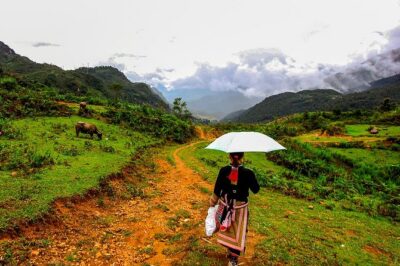
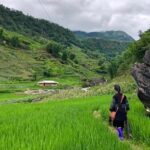
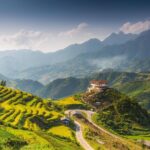
If you’ve ever taken a Sapa tour where the bus drops you off, you walk three minutes, and then everyone scrambles back for lunch, this feels different. Here, the rhythm is built around village paths and valleys, with time to see how daily life fits into the hillsides. Even the route names—Y Linh Ho, Ta Van Village, Giang Ta Chai Village—sound like they belong to a place, not a brochure.
What makes it interesting is the way the experience connects the hiking to culture. You’re not only looking at views; you’re walking through routes where people live, farm, and gather—then you spend at least one night in a homestay if you choose the longer options. One highlight from a guide-spotlight comment was the chance to try work on the land, like planting rice, which is the kind of detail that makes the day feel real rather than staged.
The other value is how controlled the day stays. The hikes run within set hours, and the group is small, so you’re not lost in a crowd. That matters because Sapa’s weather and footing can swing fast. Having a plan you can follow without feeling rushed makes the experience less stressful and more enjoyable.
Homestays in Ta Van and Giang Ta Chai: what to expect
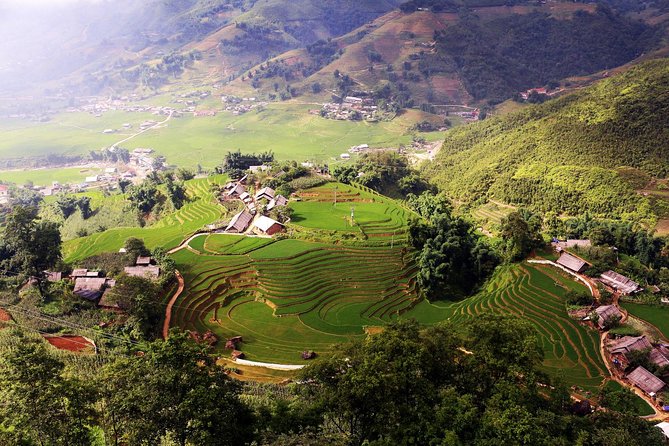
When you choose the 2-day/1-night or 3-day/2-night trek, you’re also choosing the homestay part of Sapa. That’s not just a place to sleep. It’s usually where the day’s culture shows up—how people eat, how they talk about their village, and how daily routines run around the hills.
On the longer routes, meals are built in. For the 2-day/1-night option, you get 2 lunches, 1 dinner, and 1 breakfast. For the 3-day/2-night option, you get 3 lunches, 2 dinners, and 2 breakfasts. You also pay the valley entrance fee through the tour package, so you’re not trying to figure out tickets at the worst possible moment.
A specific detail worth noting: homestay visits can come with hands-on moments if your guide invites them. In one standout experience, the guide helped a participant try rice planting. You might not get the exact same activity every time, but the intention is there: the trek is meant to show local life while you’re walking, eating, and resting in the villages.
9:00am to 3:00pm hiking rhythm (and why it helps)
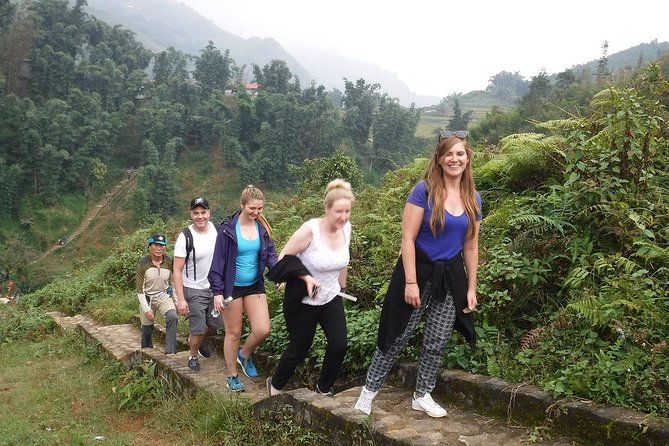
The schedule keeps things straightforward: most of the trekking day runs from 9:00am to 3:00pm, which is long enough for a real trek but not so long that you’re stumbling back exhausted. It also means you’re not hiking in a weird middle stretch of the day when weather shifts hardest.
This matters for two reasons. First, you can compare your energy to the hike length without guesswork. The experience offers different durations—1-day, 2 days/1 night, and 3 days/2 nights—so you can match the walk to your fitness. Second, the small group cap at 8 people makes it easier for the guide to slow down for slower walkers and adjust for weather.
Still, don’t treat the hike like a flat-city stroll. Even when the route is described as manageable, Sapa’s hills and rain can make footing tricky. One practical warning from a rainy-night trek: mud and wet ground can lead to slips, and it can be hard to stay stable if you’re unsteady on your feet. If that’s you, choose the shorter duration or use poles and extra caution, especially after rain.
Day 1: Y Linh Ho walk, lunch included, back to Sa Pa
Day 1 is a full hiking day built around the Y Linh Ho area, with the hike time set for 9:00am to 3:00pm. The package includes lunch at a local restaurant, plus the valley entrance fee and transportation back to Sa Pa after the trek.
This first day is a smart choice if you’re new to Sapa hiking or you want a quick hit of village views without committing to overnight stays. You still get the core experience: guided walking, the feeling of being inside the valley, and time to meet the area’s rhythm rather than rushing through it.
The one drawback to keep in mind is that Day 1 may be rainy-muddy depending on the season and the day’s conditions. If you’re visiting during wetter months, pack proper rain gear and plan for wet socks to be unavoidable. A soggy walk can still be beautiful, but it’s not the same as a dry one. You’ll enjoy the day more if your expectations match the trail conditions.
Day 2: Ta Van Village and a homestay night
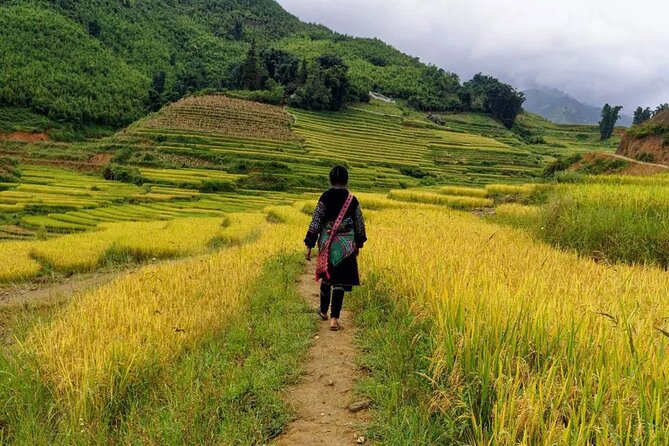
Day 2 is where the trek starts feeling like a stay, not just a day trip. The schedule runs the same 9:00am to 3:00pm window, and you head to Ta Van Village. The package includes 2 lunches, 1 dinner, and 1 breakfast, plus an overnight homestay.
For me, the value here is that you stop thinking only in terms of hiking distance. You start thinking in terms of people and routines. In one highlight, the guide helped someone try rice planting, which is exactly the kind of village detail that turns the trek into a memory. Not every day will include that activity the same way, but the experience is built to connect you with village life while you’re walking through it.
This day can also be a good choice if you want a cultural break without going full marathon. You get one night in the homestay, so you’re not traveling nonstop, and you’re not stuck hiking for three straight days in tough weather. Still, like Day 1, expect slippery ground if it’s been raining. Homestay evenings can be cozy, but getting there might require patience and careful steps.
Day 3: Giang Ta Chai Village, 2 homestays, and a fuller arc
The 3-day/2-night option adds a second homestay and expands the route into Giang Ta Chai Village. Like the other days, hiking runs 9:00am to 3:00pm. For the full 3-day trek, the tour includes 3 lunches, 2 dinners, 2 breakfasts, 2 overnight stays in homestay accommodations, the valley entrance fee, and transport back to Sa Pa after your final trek.
Why this option is worth considering: a longer arc gives you more than a quick photo stop. You experience more village-to-village walking, you settle into the pace, and you have more chances to ask questions and learn how people live in the area. In one strong experience, the guide’s attention to needs and willingness to explain villages made the cultural side feel like a real part of the trek rather than a side note.
The trade-off is time and stamina. Three days means more exposure to rain, mud, and altitude-style fatigue. If you’re the type who hates being cold and damp, then the 1-day option may suit you better. If you’re flexible and like a more complete story, the 3-day version gives you that.
Pickup, small group pace, and the 8-person cap
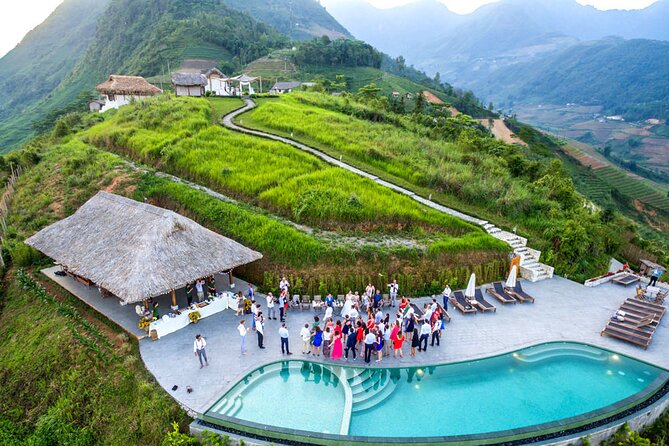
This is a guided experience with a simple meet-up setup. You start in Sa Pa, Lao Cai, and the activity ends back at the meeting point. Pickup is offered, which helps if you don’t want to navigate from your hotel on your own.
The group size limit is 8 travelers maximum, and that’s a big deal in Sapa. With fewer people, you’re less likely to feel like a number. You’re also more likely to get a guide who can respond when the group’s energy shifts—especially useful in rain, when people move slower and need more time.
You’ll also see practical touches that make planning easier, like a mobile ticket and group discounts. If you’re traveling with a friend or small group, that can improve value. And if you’re trying to fit a trek into a tight itinerary, the start time of 9:00am helps you plan your Sapa day around it.
Price and value: does $66.67 make sense?
At $66.67 per person, this trek sits in a budget-friendly-to-mid range, but the value comes from what’s included. Over the 3-day/2-night option, the package covers multiple meals (3 lunches, 2 dinners, 2 breakfasts), homestay stays (2 nights), the valley entrance fee, and transportation back to Sa Pa.
So you’re not paying separately for every little piece of the day, which is where trekking tours in Vietnam can quietly get expensive. You’re also paying for a guided route with a small group, plus the cultural component of villages and homestays.
Where the value question can flip is guide quality and communication. One downside note was that a guide did not speak English well and could only use a few words in response. That can make it harder to feel informed on the walk. In contrast, another experience praised a guide named Nhu for answering questions and sharing village information. Same basic itinerary idea, different on-the-ground experience.
If you care a lot about explanation and language, ask what language support you can expect before you book. And if you mostly want the hike and the homestay feel, this price can be a very workable deal.
Weather: when rain turns the trek into a test
Sapa weather doesn’t ask permission. If it’s rainy, trails can get muddy, and slippery conditions can make even an enjoyable walk feel harder. One rainy-night trek experience described a tough, wet path and falls on the way up. Another noted the beauty still showed through, but rain gear was essential.
Here’s the practical move: treat rain protection as part of your outfit, not an afterthought. Wear shoes with good grip, bring a rain jacket, and plan for wet socks. If you don’t have waterproof gear, you’ll spend more time thinking about comfort than about the villages.
Also, be honest about footing. If you’re unsteady, choose the shortest option you can manage. The tour is described as suitable for most people, but that’s not the same as being good for everyone’s balance.
Who should book this trek in Sapa?
This tour works best for you if you want a structured Sapa hike that still feels personal. The 8-person limit is ideal if you like asking questions, and the homestay nights are great if you want your Sapa trip to include more than viewpoints.
It’s also a good fit if you prefer having the meal and fee logistics handled. With lunch, dinner, and breakfast included on the longer itineraries, you spend less time searching for food you can trust after a long walk.
Choose the 1-day route if you want a gentle entry point, especially if you’re trying to avoid overnight logistics or you want to see the valley without committing multiple days. Choose the 2-day/1-night or 3-day/2-night routes if you’re comfortable with a longer time in the hills and you want deeper village connection through homestays.
Should you book Sapa Local Trekking Adventures?
Book it if you want a small-group Sapa trek with homestay nights and meals already handled, and you’re okay with the idea that the trail conditions depend on the weather. The route through Moa Huong Valley and the village stops give you a more lived-in Sapa feel than a quick pass-through.
Skip or reconsider if you’re extremely sensitive to wet, slippery paths or if you know you struggle with balance. Also consider checking communication expectations if you want lots of detailed English explanations—because guide English ability can vary, and that can affect how much you learn on the walk.
If you’re flexible, bring rain-ready gear, and choose the duration that matches your energy, this can be a very solid Sapa experience for the money.
FAQ
How long is the Sapa trekking experience?
It runs for about 3 days in the main option, with trekking schedules also available as a 1-day trek and a 2 days/1 night trek depending on the duration you choose.
Where does the trek take you?
The route includes Y Linh Ho, Ta Van Village, and Giang Ta Chai Village, with the longer durations adding extra stops.
What are the daily trekking hours?
Trekking is scheduled from 9:00am to 3:00pm.
How many people are in the group?
The maximum group size is 8 people.
Is pickup included, and where do we meet?
Pickup is offered. The meeting point is in Sa Pa, Lao Cai, Vietnam, and the activity ends back at the meeting point.
Are meals included?
Yes. Day 1 includes lunch. The 2-day/1-night option includes 2 lunches, 1 dinner, and 1 breakfast. The 3-day/2-night option includes 3 lunches, 2 dinners, and 2 breakfasts.
Are valley entrance fees included?
Yes. Valley entrance fees are included in the trek package.
What if I need to cancel?
This experience is non-refundable and cannot be changed for any reason.