REVIEW · KATHMANDU
Annapurna circuit Trek
Book on Viator →Operated by Nature Explore Trekking Pvt Ltd · Bookable on Viator
Thorong La is real work, done right. This Annapurna Circuit Trek is a classic mountain loop that mixes big Annapurna views with changing cultures and religions as you climb and descend. I like that the trip is organized around practical pacing and support, not just ticking off peaks, and I especially like the airport pickup and transfers that help you start without chaos.
The second thing I love is the human layer: an experience guide, porters, and day-to-day details like tea/coffee on trek and treated drinking water. One drawback to think about up front is the altitude—your route pushes to the Thorong La area at about 5,416m, so you’ll want to take the acclimatization day seriously and move at the right pace.
In This Review
- Key Highlights Worth Noticing
- Kathmandu First: What Your First 24 Hours Really Should Feel Like
- Road to Dharapani: The Long Transfer That Sets Your Pace
- Chame and Upper Pisang: First Real Views, First Real Breathing
- Manang and the Acclimatization Day: Where the Trek Gets Smart
- Yak Kharka to Thorong Phedi: The Build-Up Before the Pass
- Crossing Toward Muktinath: Thorong La at About 5,416m
- Down to Marpha via Jomsom: The Descent That Still Demands Energy
- Tatopani and Pokhara: Ending the Loop Without Feeling Cut Off
- Guides, Porters, and the Kind of Safety You Can Feel
- What’s Included at $998: Where Your Money Actually Goes
- Who This Annapurna Circuit Trek Fits Best
- Should You Book This Annapurna Circuit Trek?
- FAQ
- Where does the trek start and what time is pickup?
- What’s included in the $998 per person price?
- Are trekking equipment or travel insurance included?
- Is Wi-Fi available on the trek?
- Are permits and TMIS documentation included?
- What’s the cancellation window for a full refund?
Key Highlights Worth Noticing
- Smooth start in Kathmandu with a 3-star hotel and an airport pickup timed for an early day
- Altitude built step-by-step with stops like Yak Kharka and Thorong Phedi before the high pass
- Real support on the trail via an experience guide and porters who handle the heavy lifting
- Included permits and documentation like the Annapurna Conservation entrance permit and TMIS card
- Extra comfort extras such as treated drinking water, tea/coffee, and fresh fruit after dinner
Kathmandu First: What Your First 24 Hours Really Should Feel Like
You begin in Kathmandu, then settle into a 3-star hotel before the trekking logistics start to blur together. The meeting point is Tribhuvan Airport, with start time listed at 6:15am, which is early but not unusual here—get ready for a full day quickly, so you don’t waste daylight.
A big value point for this trek is that they’re handling the boring-but-critical parts: airport pickup, transfers, and the paperwork side (including the permits and TMIS card). That’s not glamorous, but it keeps you focused on the mountains instead of figuring out forms, transport, and what’s open.
If you’re sensitive to stress, you’ll appreciate the structure. One note: the trip is described as private (your group only), yet some transport is by local shared bus or jeep—so you’re not getting a fancy private driver the whole time, but you are getting coordination.
You can also read our reviews of more tours and experiences in Kathmandu.
Road to Dharapani: The Long Transfer That Sets Your Pace
After Kathmandu, you head to Dharapani via Beshishar, taking around 7 to 8 hours and reaching about 2,000m. It’s a long ride day, and it matters because you’ll likely feel the “legs-before-legs” fatigue when you first start walking.
Dharapani is your launchpad into the trekking rhythm. From here, you won’t just be sightseeing—you’ll be working the trail each day. If you’re prone to cramping or tight hips, this is where stretching and easy pacing on day one can make a difference.
Also, when the trek begins right after a long drive, you want to keep your backpack tight and your water routine simple. Treks go better when your body trusts the routine.
Chame and Upper Pisang: First Real Views, First Real Breathing
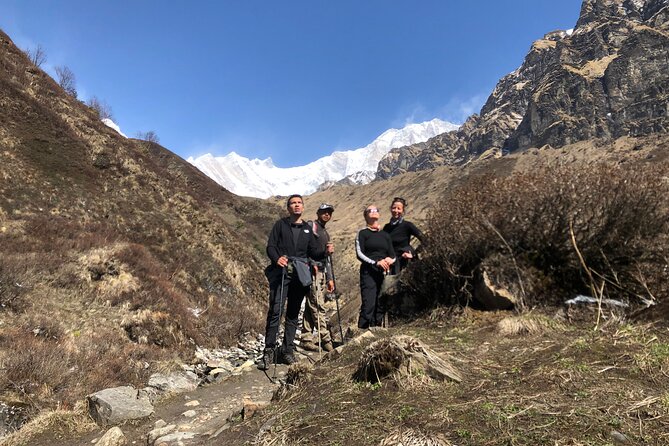
From Dharapani you trek to Chame in about 4 to 5 hours, around 2,600m. Chame is often where trekkers start feeling the altitude more clearly—not because it’s the highest point, but because you’ve been sitting on a bus and then switched to steady uphill walking.
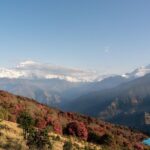
Then you continue to Upper Pisang in another 4 to 5 hours, climbing to around 3,300m. Upper Pisang typically feels more exposed, and the surroundings start changing in texture as the air thins. Expect the trail to demand more breath and less speed.
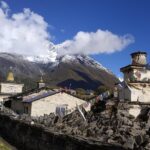
This section is also where the cultural mix begins to feel real. You’ll pass through villages where religion and daily life blend into the trekking world—prayer flags, small shrines, and household rhythms that don’t stop just because you showed up with hiking poles.
Manang and the Acclimatization Day: Where the Trek Gets Smart
You head to Manang via the upper trail for around 7 to 8 hours, reaching about 3,500m. That’s a longer trekking day, and it’s one reason this trek is best for people who can handle “steady and sloggy” without panicking.
Then comes the acclimatization day. In plain terms, this is where your success is built. The route later includes the high pass area, so your body needs time to adjust—better to spend a day feeling slightly bored than spend a night feeling awful.
If you’re thinking of this trek as a test of fitness only, adjust your mindset. Good acclimatization is part of the strategy. Take it easy, hydrate, and don’t treat it like a free rest day to sprint around the village.
Yak Kharka to Thorong Phedi: The Build-Up Before the Pass
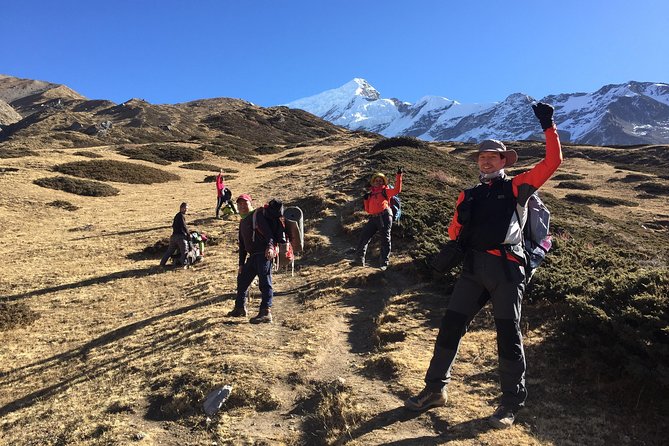
Next you trek to Yak Kharka in about 3 to 4 hours up to around 4,060m. This is a key step because it’s higher, but still close enough that you can settle into a rhythm rather than going from “almost okay” to “whoa.”
Then you move to Thorong Basecamp or Thorong Phedi in about 3 to 4 hours, reaching around 4,500m. This is the practical staging area before the pass. The air will feel thinner, and you’ll likely spend time thinking about layers, pacing, and how you’re going to eat through the day.
This is also where you’ll feel thankful that the trek includes treated drinking water. When you’re high, hydration becomes less of a suggestion and more of a plan. Plus, you’re getting tea or coffee during the trek, which can turn cold, slow breaks into something you’ll actually look forward to.
Crossing Toward Muktinath: Thorong La at About 5,416m
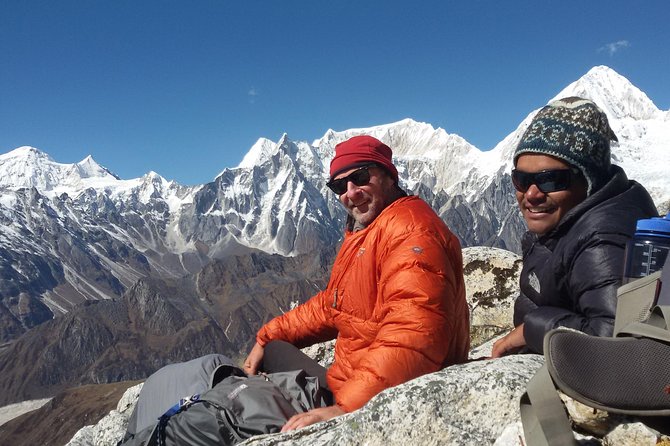
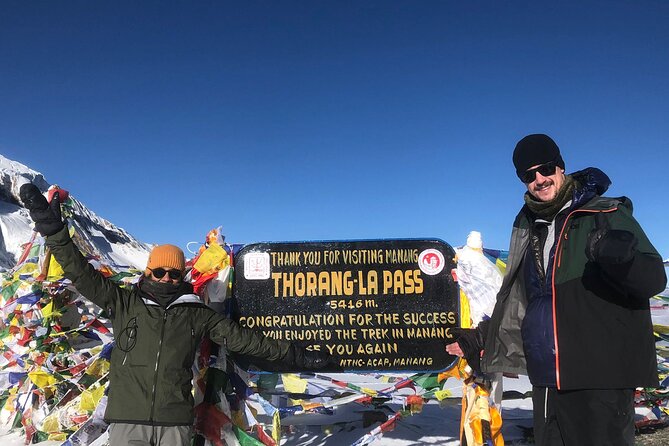
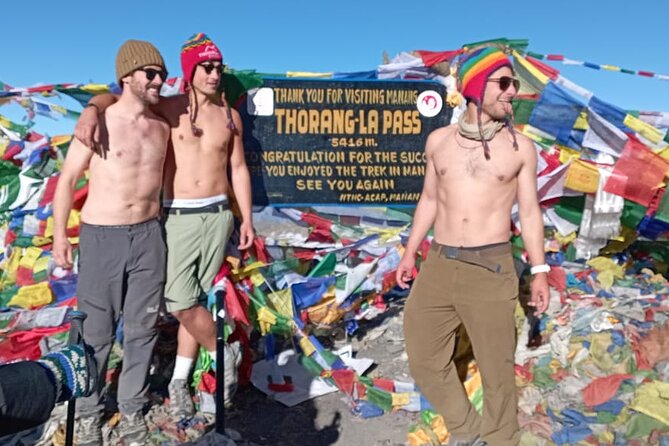
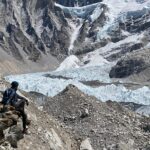
Your high point on paper is Thong-la (Thorong La) at about 5,416m. You then trek toward Muktinath over 7 to 8 hours, ending around 3,800m. This is the biggest day of the whole journey, both physically and mentally.
The best way to handle a day like this is to treat it like a long conversation with your breathing: slow steps, steady effort, no dramatic surges. Even if you feel good early, resist the urge to “make up time.” Altitude punishes ego.
The payoff is huge—Muktinath is a different world from the village days earlier. You’ll also notice how religion and place show up in the details: trekkers often connect the dots between what they’ve been passing and what they’re seeing at journey’s end.
Down to Marpha via Jomsom: The Descent That Still Demands Energy
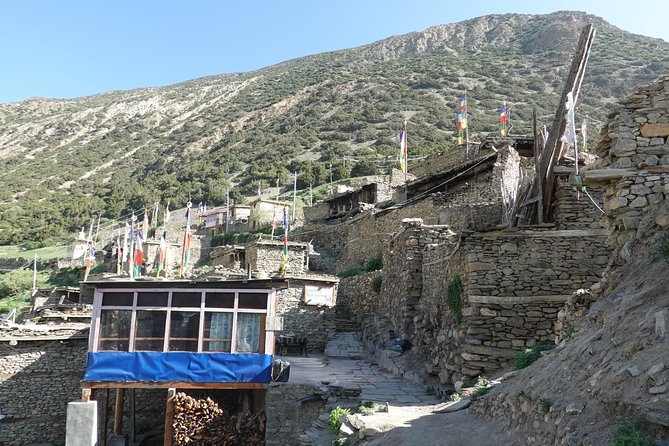
After Muktinath, you trek to Marpha via Jomsom in about 6 to 7 hours, down to around 2,650m. Yes, you’re dropping in elevation, but the work doesn’t vanish. Steep descents can be rough on knees and ankles, and the trail can still be long.
Marpha is a great place to reset mentally because it feels more human-scaled after the biggest heights. If you’ve been pushing through discomfort, this is where your body gets a chance to unclench.
You then shift to driving. From Marpha, you take a bus or jeep to Tatopani in about 5 hours, reaching around 1,190m. That quick transition from trekking mode to road mode is one reason many people like finishing this trek strong.
Tatopani and Pokhara: Ending the Loop Without Feeling Cut Off
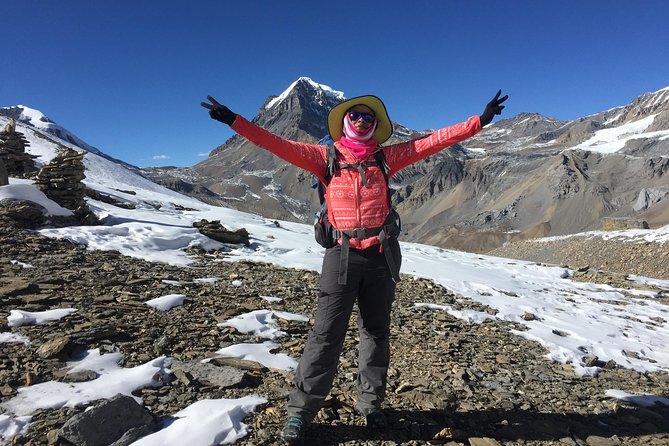
Tatopani sits lower at about 1,190m, and it’s the kind of stop that helps your body recover. After that, you drive back to Pokhara, around 6 hours, ending at about 740m.
You get one night in Pokhara after the trek, which is a practical touch. Finishing a high-altitude journey and then immediately jumping into travel fatigue can make the whole experience feel rushed. Here, you have a buffer night before moving on.
This part also matters for your memory. You’re not just collecting photos; you’re letting your body return to normal while you process what the pass day actually took from you (and what it gave back).
Guides, Porters, and the Kind of Safety You Can Feel
The most praised aspect of Nature Explore’s operation (from past trekking experiences with their team) is strong leadership and care under pressure. Names that come up again and again include Dinesh and Deepak, along with a support crew such as Nara, Ram, and Tej. That matters because the trek isn’t only about the trail—it’s about what happens when someone doesn’t feel right.
In at least one documented situation, the team supported a group needing medical attention, including a medical evacuation. You can’t plan for every emergency, but you can choose a company that shows up prepared and responsive.
On this trek, you also have porters who are part of the included package. That’s not just convenience. It’s also energy saved for your legs. Even if you pack carefully, carrying less helps you keep a steadier rhythm.
What’s Included at $998: Where Your Money Actually Goes
At $998 per person, the value is strongest when you look at what’s bundled rather than what you might still need. Your included items cover a lot of the “you can’t wing this” costs:
- Ground transportation during the trek by local shared bus/jeep, plus the road transfer segments
- Lodging during the trek and hotels in Kathmandu (3-star) and Pokhara (one night)
- Meals: breakfast, lunch, dinner, plus tea/coffee on trek
- Treated drinking water (a real quality-of-life item at altitude)
- Fresh fruit after dinner every day
- Permits and paperwork like the Annapurna conservation entrance permit and TMIS card
- Support team: experience guide and porter (sporting staff)
- A package of gear support: a down jacket (refundable after trip), a duffle bag, and a T-shirt gift
What’s not included is equally important: international airfare, travel insurance, and trekking equipment. If you don’t already have a solid rain layer, warm insulation, boots you trust, and trekking poles, you’ll need to source or rent them outside the package.
Also, tipping staff isn’t included. That’s normal in Nepal, but it’s still something to budget for so it doesn’t hit you at the end.
Who This Annapurna Circuit Trek Fits Best
This trek is aimed at people with moderate physical fitness who can handle long trekking days and a real high pass. It’s also a good match if you want structure: scheduled driving segments, included meals, and a guide-led approach.
You’ll especially like it if you care about practical safety and teamwork. The way the company’s leaders are described—attentive, professional, and responsive—signals a travel style that’s more hands-on than hands-off.
It may be less ideal if you’re the type who needs full control over every detail. This is organized logistics with included services, not a self-guided freedom trip.
Should You Book This Annapurna Circuit Trek?
Book it if you want a classic Annapurna loop with strong logistical support, included permits, and a plan that takes acclimatization seriously. The included treated water, daily meals, and porter support are the kind of things that reduce decision fatigue when your body is busy doing math with altitude.
Hold off or switch plans if you know you struggle with high altitude passes like Thorong La, or if you don’t have the core gear basics yet and would rather manage that yourself.
If you’re prepared for the big day and you want a team that’s praised for care and smooth coordination, this is a solid option for your Annapurna Circuit Trek.
FAQ
Where does the trek start and what time is pickup?
The meeting point is Tribhuvan Airport in Kathmandu, Nepal, with a listed start time of 6:15am.
What’s included in the $998 per person price?
Included items cover airport pickup and drop, a 3-star hotel in Kathmandu, ground transportation during the trek (local sharing bus or jeep), breakfast/lunch/dinner, tea or coffee during the trek, treated drinking water, trekking accommodations, an experience guide, a porter, Annapurna conservation permit and TMIS card, and a down jacket (refundable after trip) plus a duffle bag and T-shirt gift. It also includes a one-night hotel in Pokhara after the trek and necessary trip documents and taxes.
Are trekking equipment or travel insurance included?
No. Trekking equipment and travel insurance are not included.
Is Wi-Fi available on the trek?
Wi-Fi is not included on the trek.
Are permits and TMIS documentation included?
Yes. The Annapurna conservation entrance permit and TMIS card are included.
What’s the cancellation window for a full refund?
You can cancel up to 24 hours in advance of the experience’s start time for a full refund. If you cancel less than 24 hours before, the amount paid is not refunded.