REVIEW · KATHMANDU
Manaslu Circuit Trek
Book on Viator →Operated by Ace the Himalaya · Bookable on Viator
Manaslu feels like Nepal before the crowds. This trek takes you through a controlled trekking route in the Manaslu region—so you get access to a part of Nepal/Tibet-border country that stays quieter and more real than the headline routes. I like that you’re traveling with a licensed, English-speaking guide, and the reviews reflect standout teamwork (names like Shyam, Sunil, Janu, and Sushanta show up again and again).
What I really like is the day-to-day human support. You get a porter ratio of one porter for every two clients, plus down jacket and a sleeping bag for the trek (returned at the end). In real trips, porters like Dilip and Rohin are described as taking logistics off your plate—so you can focus on walking and eating dal bhat, not fiddling with gear.
One consideration: you’ll face big travel days and at least one serious high-pass day, and the route needs good weather to run smoothly. Also, travel insurance with emergency high-altitude rescue/evacuation isn’t included, so you’ll want to plan that early.
In This Review
- Key things that make Manaslu Circuit special
- Controlled access to a quieter Manaslu Circuit
- Kathmandu start: hotel, sightseeing, and a pre-trek reset
- Getting to the trail: the long road days you should expect
- First walking day: Machha Khola to a hot-spring and changing valleys
- Deng and Ghap: villages, bamboo, and flowering mustard
- Lho and Namrung: the Manaslu view starts to lock in
- Samagaun acclimatization: monastery views and a glacial lake option
- Samdo and Dharmasala (Larke Phedi): remote villages and basic shelter
- Larkya La crossing: the longest day and the payoff views
- Tilje and Tal: easing off, then re-entering busier villages
- What you eat and where you sleep along the route
- Value and price: what $1,900 buys you on Manaslu
- Who this trek fits best
- Should you book the Manaslu Circuit Trek with Ace the Himalaya?
- FAQ
- How long is the Manaslu Circuit Trek?
- What’s included in the price?
- What’s not included?
- Do I get a porter?
- What trekking gear is provided?
- What’s the fitness level required?
- What happens if weather is bad?
Key things that make Manaslu Circuit special
- Fewer trekkers, more authenticity: the route is controlled and stays relatively uncrowded
- Permits handled for a restricted region: you won’t be stuck at the paperwork stage
- Real acclimatization time: a dedicated stop around Samagaon before the harder segments
- Comfort-forward support: porter help plus provided sleeping bag and down jacket
- Epic pass views: the Larkya La day is a long push with major mountain panoramas
Controlled access to a quieter Manaslu Circuit
Manaslu Circuit Trek is built around a simple idea: if a place is carefully managed, it stays better for longer. This region is accessed through organized trekking groups using special permits, since it’s a controlled trek area. That matters for you because it often means fewer people on the trail, and more time in villages and viewpoints where you’re not constantly stepping around other groups.
It also helps with safety and logistics. You’re not planning permits, transportation, and daily routing alone. Instead, you’re provided a licensed guide and a structured schedule from Kathmandu to the trekking start points and back again.
And the scenery goal is clear. You move through a range of elevations and ecosystems, from forested river valleys into higher plateaus and exposed stretches. The trip highlights include monasteries, glacial lakes, hot springs, terraced villages, and one big mountain pass crossing that defines the second half of the trek.
You can also read our reviews of more tours and experiences in Kathmandu.
Kathmandu start: hotel, sightseeing, and a pre-trek reset
You begin in Kathmandu at Tribhuvan International Airport, with an airport representative meeting you at a signboard outside the terminal. From there, you’re transferred to a three-star hotel for two nights (twin-share/double rooms). You’ll also get guided sightseeing in Kathmandu, including entrance fees.
This first block isn’t just “tourist time.” It’s your buffer. Jet lag happens. Jet lag plus a 4WD drive plus a long trek day is a rough combo. Starting with sightseeing and a guided orientation gives you time to settle, pick up your rhythm, and ask your guide the questions you’ll be thankful for later.
On day 1 or day 2, you’ll have a pre-trek meeting in the office. You’ll want your passport, three passport-size photos, and a readable copy of your travel insurance policy. You’ll also be asked to bring passport copies and handle any due balance, sign trip forms, and review a non-liability disclaimer.
Getting to the trail: the long road days you should expect
The trek doesn’t start with a simple shuttle. It starts with travel. On the way to the trailhead, you drive from Kathmandu to Dhading Besi on paved roads, then continue on a much rougher, winding dirt route toward Machha Khola. This day can run 8 to 10 hours total, depending on traffic and road conditions.
Two practical points for you:
- You’re using a private 4WD for the bumpy section, with an experienced driver assigned.
- You should plan for “road time” even if you’re excited to start hiking. That first day is about positioning, not pushing pace.
On the return side, you also get road time: after the end of the trek, you ride 4WD via Besisahar back to Kathmandu, roughly 8 to 9 hours.
If you hate long commutes, this may feel like a lot. If you can treat it as part of the Nepal experience, it helps you appreciate how remote the trek gets once you’re walking.
First walking day: Machha Khola to a hot-spring and changing valleys
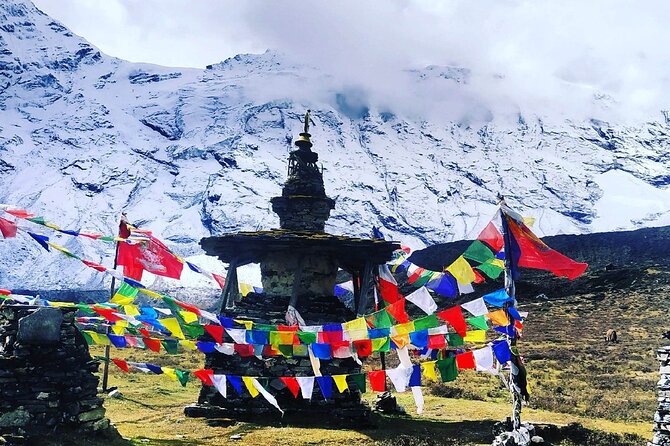
After breakfast, you head to Machha Khola, the trek start point. The trail begins with river crossings and forested sections, and you’ll notice the terrain shift as you gain elevation.
On the way, you hit Tatopani, known for hot springs. This is a nice “early reward” moment. Even if you don’t soak, the stop gives you something different from pure hiking—steam, sound, and a quick reset for legs that are still warming up.
Then the day continues along the Budhi Gandaki River corridor. As the altitude rises, rapids and scenery change quickly. It’s the kind of transition that makes you feel like you’ve moved into a different chapter of Nepal.
Deng and Ghap: villages, bamboo, and flowering mustard
As the route climbs, the valley narrows and you get more dramatic walls. One day includes a terraced hill viewpoint area with views of Sringi Himal (7,177 m) from near Jagat. You’ll also walk through bamboo forest stretches, which can make the trail feel cooler and shaded even when the sun’s strong.
Deng is a tiny village stop, reached after trekking upstream past river rapids. Expect the trail to feel more “real village Nepal” than “wow viewpoint, then back to a lodge.” It’s about moving through farmland and settlement patterns, not just collecting photos.
Then you hit Ghap. This segment is described as longer and harder than earlier days, and you get an extra seasonal treat: flowering mustard fields. At Ghap, you can hear waterfalls and see ancient carvings and writing in stones. That’s the kind of detail that makes the trek feel culturally rooted, not just scenic.
Lho and Namrung: the Manaslu view starts to lock in
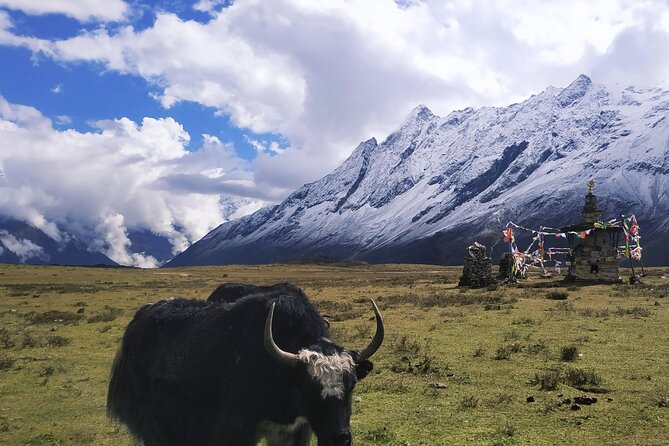
Once you’re pushing toward Lho, the mountains begin to take over your mental map. You walk to Namrung, take lunch with views of Ganesh and Siringi Himal, then continue toward Lho with sights of Mt. Manaslu.
This is also where the route begins to feel more “high Himal day by day.” You move over sections tied to glacial sources—like the Hinan River originating from Linda Glacier—and you pass through villages that sit at the edge of the trekking world.
If you’re hoping for the moment where Manaslu stops being a distant idea and becomes a presence, you’re likely to feel it around here.
Samagaun acclimatization: monastery views and a glacial lake option
Samagaun is a key day. You’re stopping not just to sleep, but to acclimatize. From Lho, you can see peaks like Manaslu North (7,774 m) and Manaslu (8,150 m), and then you get access to a monastery stop at Ribung Gompa area.
On the acclimatization day, you have options:
- Explore Pungyen Gompa and walk to glacial Lake Birendra Tal (time estimate 4 to 5 hours)
- Or do a longer walk to Manaslu Base Camp and return (7 to 8 hours)
For me, the value here is simple: you’re not forced into one experience. You can choose the effort level that fits your body and weather. This flexibility is especially helpful on Manaslu, where conditions can change fast.
Samdo and Dharmasala (Larke Phedi): remote villages and basic shelter
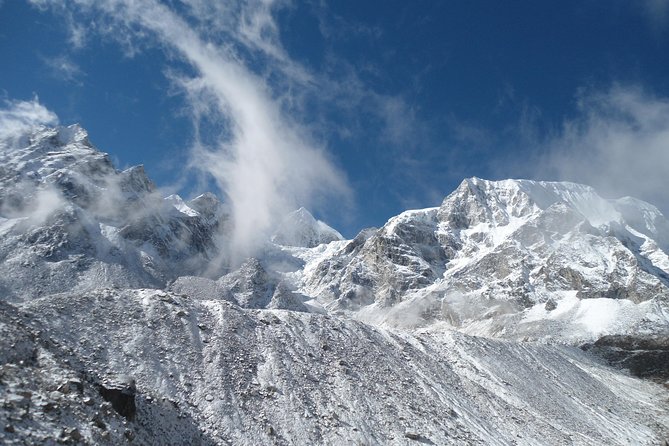
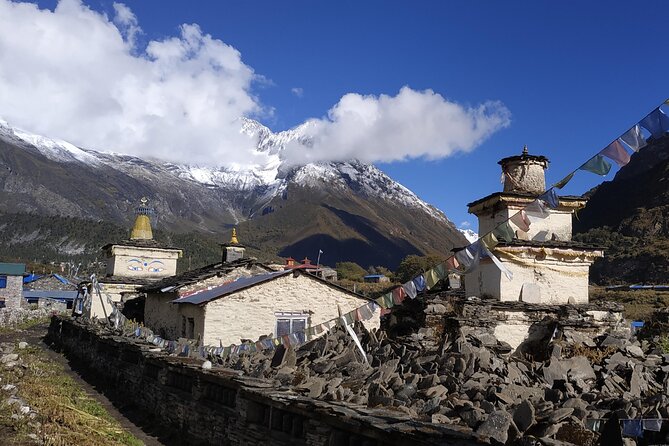
Samdo is described as one of the most remote permanent settlements. The walk includes a terraced hill across the Budhi Gandaki River and then into the quieter settlement rhythm. This is where you start to feel how controlled access also creates a calmer trail atmosphere.
Then comes Dharmasala, also called Larke Phedi. You’ll walk along terrain similar to the earlier Samagaun-to-Samdo day. The lodging here is basic: a small stone guest house, with fooding available and dormitory-style rooms for you.
This part matters because it sets expectations. The Manaslu Circuit is not a luxury trek. It’s a trek where your “comfort wins” come from good planning, not fancy beds. Sleeping in a dorm can be fine if you’re ready for it and you pack layers for night air.
Larkya La crossing: the longest day and the payoff views
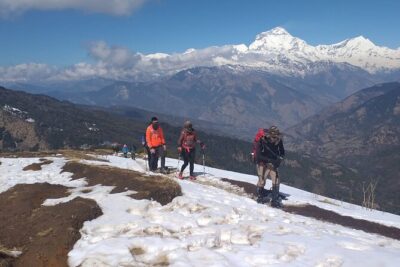
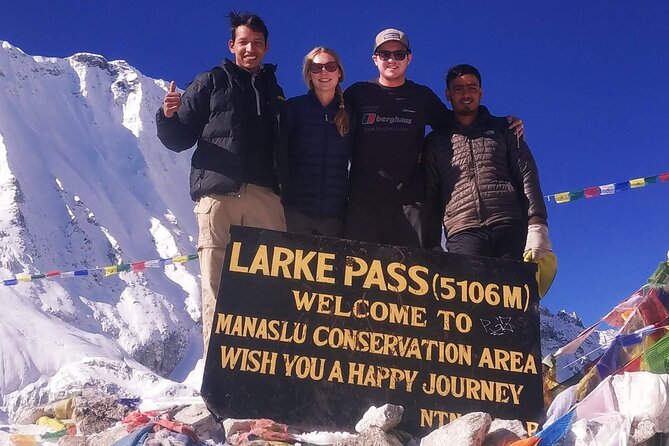
This is the day that earns the effort. You first climb toward Cho Chanda, then push steep uphill to the snowed-up pass. From the top, the panorama is a whole peak list: Himlung Himal, Cheo Himal, Gyagi Kung, Kang Kuru, and Annapurna II.
Then you descend steeply through moraines toward Bhimtang. That descent is work for your knees and thighs, even if your lungs are okay. Plan to move carefully and consistently rather than charging.
In the reviews, a recurring theme is that guides make this day manageable. Names like Sunil, Sushanta, and Shyam show up with the same idea: local knowledge plus pacing helps you get across the pass day without panic, even if you’re not feeling perfect.
Tilje and Tal: easing off, then re-entering busier villages
After the pass day, the route gets easier. You start with a gentle climb through paddy fields, then head through forests—fig trees and rhododendron forests mentioned—down toward Tilje.
Tal is reached with more village density around you. You pass through villages, then stop for lunch at Dharapani, before entering the Annapurna Circuit section. You’ll cross the Marshyangdi River on a suspension bridge and arrive at Tal, a riverbank village with a large waterfall you can watch.
This segment often feels like a shift in energy: less high-pass grind, more community and movement. It’s also a good time to rest, because your final day is long-drive back to Kathmandu.
What you eat and where you sleep along the route
Food is included in a meaningful way. The package covers breakfast for 14 days and lunch and dinner for 13 days each—while Kathmandu meals aren’t included. On trek days, you’ll be eating typical lodge fare, and you’ll likely hear dal bhat come up in conversation because it’s a go-to staple.
Sleeping is split between Kathmandu hotel rooms and guesthouse dorm/twin-share setups. In the trek stretch, the program uses dormitory-style rooms in guesthouses for your nights, with the one notable “basic stone guest house” vibe at Dharmashala.
For packing, this matters: your provided sleeping bag and down jacket help a lot. You still need personal trekking gear (not included), so bring what makes you comfortable in cold mornings and windy ridges.
Value and price: what $1,900 buys you on Manaslu
At $1,900 per person for about 15 days, you’re paying for more than walking. You’re paying for access (permits for a restricted area), a licensed guide, porters (one per two clients), transport from Kathmandu to trail start and back, and lodging across Kathmandu and the trek.
You’re also getting gear support: the down jacket and sleeping bag for the trek are included, and that can save money if you don’t already own cold-weather gear that fits well.
To judge value fairly, compare what’s not included:
- Travel insurance covering emergency high-altitude rescue/evacuation
- International airfare
- Nepal entry visa
- Personal trekking equipment
- Alcoholic and other drinks
- Tips for trekking staff and driver (expected)
If you already own gear, already have solid insurance, and can handle long travel days and basic accommodation, then this price is easier to swallow. If you need to buy insurance or major gear upgrades, your true total may rise. Still, the inclusion of permits + guided logistics is a big part of why this trek works smoothly.
Who this trek fits best
This Manaslu Circuit Trek is a good match if you want a quieter Nepal experience and you’re okay with basic guesthouse conditions. It’s also ideal if you value a strong guide-led approach to route planning, pacing, and safe decision-making around the pass.
The program specifies a moderate physical fitness level. That doesn’t mean easy. It means you should be able to handle long hiking days, with one major high-pass crossing and steep descents, plus some long drives at the start and end.
If you love being in small-group dynamics, this can hit your sweet spot. The operation caps group size at a maximum of 15 travelers, and real trips have ranged from small groups to private setups, which often translates into more personal guiding.
Should you book the Manaslu Circuit Trek with Ace the Himalaya?
I’d book this if you want:
- a controlled, permit-backed route that keeps things calmer on the trail
- real acclimatization time around Samagaun
- guides and porters who make logistics feel easy (names like Janu, Sunil, Shyam, Ganesh Khanal, and Sushanta show up with consistent praise)
I wouldn’t book it if:
- you hate long road days or you’re not ready for dorm-style sleeping on trek nights
- you don’t have proper high-altitude rescue coverage in your insurance
- you’re traveling during a period when you’re likely to be unhappy with weather changes, since good weather is required for the trek to run well
If you’re flexible and you pack smart, Manaslu gives you that rare feeling: fewer people, bigger mountains, and villages where the day still moves at walking speed.
FAQ
How long is the Manaslu Circuit Trek?
The trek runs for about 15 days.
What’s included in the price?
Included are airport transfers, Kathmandu hotel for two nights, guided Kathmandu sightseeing (with entrance fees), trek accommodation (twin-share in Kathmandu and dormitory/twin-share style on trek days), a licensed English-speaking trekking guide, one porter for every two clients, trekking permits including restricted-area permits, 4WD transfers between Kathmandu and the trek areas, down jacket and sleeping bag for the trek, and meals (breakfast for 14 days, lunch and dinner for 13 days each). Government taxes and service charges are also included.
What’s not included?
Not included are lunch and dinner in Kathmandu, travel insurance (especially for emergency high-altitude rescue/evacuation), international airfare, Nepal entry visa, alcoholic and other drinks, personal trekking equipment, and tips for trekking staff and drivers.
Do I get a porter?
Yes. The package provides one porter for every two clients.
What trekking gear is provided?
You’re provided a down jacket and a sleeping bag for the trek, and they are returned at the end.
What’s the fitness level required?
The tour is for travelers with moderate physical fitness.
What happens if weather is bad?
This trek requires good weather. If it’s canceled due to poor weather, you’ll be offered a different date or a full refund.
If you want, tell me your travel month and your current hiking routine (how many hours you hike per day). I can help you judge whether the pass day and the long drive days will feel manageable for you.