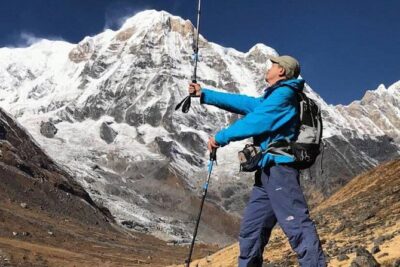
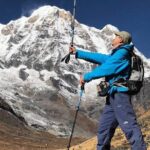
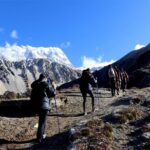
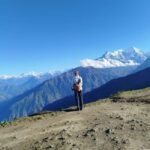
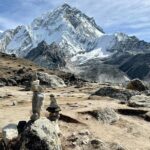
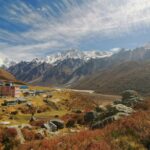
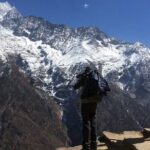
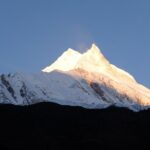
Everest Base Camp starts with a scary little flight. From Kathmandu to Lukla, you trade city time for high-mountain views that keep getting bigger, then settle into cozy lodges while the trail climbs toward 5,364 m. Along the way, Khumbu Icefall and glacier country start showing up in pieces, then all at once.
I love the way the schedule mixes effort with acclimatization time in Namche Bazaar, so you’re not just racing uphill. I also like that the trek includes an ox meter to check pulse and oxygen saturation at altitude, plus an English-speaking guide and a proper first-aid kit. You get real support, not just a handoff at the trailhead.
One drawback to plan for: Lukla weather can slow everything down, and flight delays are possible. Also, the trek includes a lot, but you’ll still need to budget for things not covered like travel insurance, drinks on the trail, and a mountain porter if you want one.
In This Review
- Key highlights I’d bet on
- From Kathmandu to Lukla: The Flight That Sets the Tone
- Namche Bazaar Acclimatization: The Day That Makes or Breaks Comfort
- Tengboche, Pangboche, and Lobuche: Monasteries and High-Altitude Trail Work
- Everest Base Camp and Gorakshep: The Day the Mountain Goes Serious
- Kalapatthar at 5,545 m: Your Reward for the Slog
- The Descent: From Pheriche Back to Namche and Lukla
- Price and logistics: What you’re really paying for at $1,350
- Comfort at altitude: Lodges, gear, and the tiny details that matter
- When weather hits Lukla: Why the team matters
- Who should book this Everest Base Camp trek?
- Should you book it? My honest call
- FAQ
- How long is the Everest Base Camp trek?
- Where does the trek start and end?
- Are domestic flights included in the price?
- What meals are included during the trek?
- What permits are included?
- Is an altitude oxygen monitor provided?
- What lodging is included on the trail?
- What gear is included?
- What is not included in the price?
- Is there flexibility if flights get delayed?
Key highlights I’d bet on
- Dudh Kosi River corridor: steady valley walking early, then steeper mountain reality as you gain height
- Namche Bazaar acclimatization with optional hikes and great view points
- Tengboche to Pangboche to Lobuche: monasteries, prayer walls, and classic high-Khumbu scenery
- Everest Base Camp day from Gorakshep, plus time to see the Icefall area from close range
- Kalapatthar summit (5,545 m) for the famous Everest south-face view
- Altitude checks built in: ox meter + guided pacing instead of guesswork
From Kathmandu to Lukla: The Flight That Sets the Tone
The trek begins with a short scenic flight of about 35 minutes from Kathmandu to Lukla, which is the gateway for the higher Khumbu area. In plain terms, that flight turns your vacation from planning mode into moving mode fast—so keep your day-one energy realistic. After landing, you’ll meet the guide, trekking staff, and porters, then walk the easy approach past Lukla town with views over the region.
Your first walking day follows the Dudh Kosi River corridor. You’ll pass villages like Choplung and Ghat, with small ups and downs that help you loosen up without exhausting you. You end in Phakding, where lodges are the norm and the pace shifts from travel nerves into trail rhythm.
Practical tip: bring a layer that handles both warm cabin air and cooler mountain mornings. Even if the trail starts gently, the temperatures change quickly once you’re above the valley floor.
You can also read our reviews of more tours and experiences in Kathmandu.
Namche Bazaar Acclimatization: The Day That Makes or Breaks Comfort
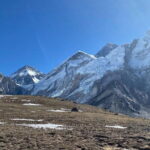
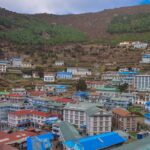
Namche Bazaar is where you slow down on purpose. Day 3 is a rest and free day for acclimatization before you push higher. This matters because Everest Base Camp treks are as much about managing altitude as they are about trekking fitness.
You’ll have options here. You can do a short hike to a view point and museum area for information on flora, fauna, geography, and Sherpa history and culture. If you want more effort, there’s also an optional half-day hike toward Khumjung (with a monastery) and Khunde, plus an option to head up to Everest View Hotel at 3,880 meters via the Syangboche old airstrip.
What I like about this setup is that you’re not forced into one plan. If you feel good, hike. If you feel off, walk slower and use the time to hydrate and eat well.
Tengboche, Pangboche, and Lobuche: Monasteries and High-Altitude Trail Work
From Namche, you’ll trek through scenic forest lines with views that keep appearing between trees and ridges—Everest, Ama Dablam, and other peaks depending on the day’s clarity. Day 4 includes a downhill to Phungetenga for lunch, then a steep uphill through forest to reach Tengboche monastery. This is the big culture moment on the route, and it’s not just for photos. You’ll be able to time a monastery visit to prayer moments, watching monks and priests during their routine.
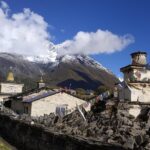
Day 5 moves you toward Pangboche, which is the last permanent village on the usual route to Everest Base Camp. The walking includes Deuboche, bridges across the Imjatse River gorge, and prayer walls and mani stones as you gain elevation. You’ll also pass Shomare, a small temporary village that serves as a lodge and lunch stop on the way, with close views of Ama Dablam.
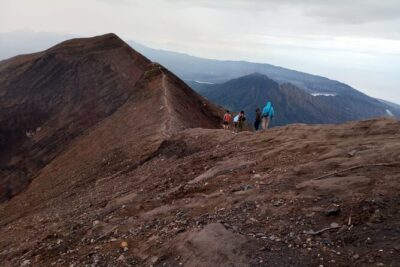
Then comes Day 6, another day where the altitude starts telling you the truth. You’ll climb slowly toward the ridge area with prayer flags and Buddhist monuments, reach Thugla (Dugla) for lunch, and then tackle a short steep climb to a ridge top. This is a meaningful spot because you’ll see memorials of mountaineers who died in the wider Everest region, adding weight to a day that already feels intense.
You finish Day 6 in Lobuche, staying in lodge comfort with the sense that Gorakshep is close.
Everest Base Camp and Gorakshep: The Day the Mountain Goes Serious
Day 7 is the big push. The trail gets harder due to altitude gain, and the views can feel almost constant—Pumori, Lingtrin, Khumbutse, and Everest itself. You’ll reach Gorakshep, a cluster of lodges right before the final approach, after walking across moraine and icy sections.
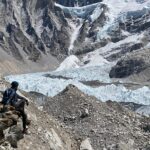
Then you do the part you came for: walking from Gorakshep toward Everest Base Camp along moraine with views of the Khumbu Icefall, and finally reaching the base camp area at 5,364 m. You’ll spend time there, then return to Gorakshep for the night.
Here’s the practical thing to know: this is a long day with sustained attention required. Even when the scenery is breathtaking, keep your pace steady and don’t treat the final push like a sprint. You’re at a height where breathing slows your decisions down—good decisions win.
Kalapatthar at 5,545 m: Your Reward for the Slog
If Everest Base Camp is the headline, Kalapatthar is the payoff. On Day 8, you start with a steep uphill climb to Kalapatthar at 5,545 m. This is the viewpoint built for those moments when Everest’s south face and the surrounding snow peaks fill your entire field of vision.
You’ll spend time at the top, then head downhill back toward Gorakshep. After that, you’ll keep trekking down, passing through the Thugla area and then toward the Pheriche valley for your overnight stop.
One more thing: the viewpoint day can feel like a lot, so plan your day like a climber, not like a tourist. Slow steps. Frequent breaks. Steady hydration. It’s a long way to go for a short time at the top, so use the time well.
The Descent: From Pheriche Back to Namche and Lukla
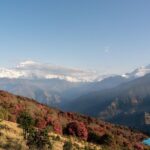
On the return, your body starts to remember every step you took uphill—so this is where good pacing matters. Day 9 goes from Pheriche toward Panboche valley, including super views of Ama Dablam, Nuptse wall, and Lhotse. You’ll cross the Panboche bridge, then continue toward Tengboche Monastery again, before descending back toward Phungtenga and then climbing toward Luvisa and Shanasa villages. You end again in Namche Bazaar.
Day 10 is your last long segment: a leisure and easy walk toward Lukla following the Dudh Kosi River, passing places like Benkar and Tuc Tuc, then reaching Phakding. You’ll continue to Choplung and take the last 50 minutes climb to Lukla.
The descent doesn’t mean easy. It means you’re tired in a different way. Watch your footing and don’t rush the downhill sections. A careful step is worth more than a fast mile at this altitude.
Price and logistics: What you’re really paying for at $1,350
This trek costs $1,350 per person, and the value comes from what’s included. You get both ways domestic flight tickets from Kathmandu to Lukla and back to Kathmandu, plus airport tax. You also get meals three times a day in trekking (breakfast, lunch, dinner), lodge sleeping arrangements on a twin-sharing basis in the mountains, and an Everest trekking map.
The price also covers a lot of the administrative work that usually makes DIY trekking a headache: TIMS, national park entry work, and permits like the Pasang Lamu rural municipality entry permit. You’ll also receive a trip achievement certificate, a four-season sleeping bag and down jacket to use if necessary, and basic altitude safety support via first aid kit and the ox meter.
What’s not included is equally important. You’ll still pay extra for accommodation and meals in Kathmandu, all drinks in the mountain, your personal equipment, and a mountain porter (if you want one). International airfare, travel and rescue insurance, and tips for trekking staff and drivers are also on you.
My take: this price is fair if you want the structure—flights, permits, meals, and guide support—without spending your time juggling logistics. If you already love planning and you’ve got your own gear and systems, you might be able to cut costs elsewhere. But for most people, this is a tidy package for a complicated region.
Comfort at altitude: Lodges, gear, and the tiny details that matter
The route is built around lodge stays, with the trek’s description focusing on nice cozy lodging at different points along the climb. You’ll be in lodges rather than camping, which makes the trip much more manageable for first-time trekkers.
Gear support is included in a big way: a four-season sleeping bag and down jacket are included for use if necessary. That’s a real help because buying proper cold-weather gear can be expensive, and packing it can be a hassle.
Also, the trek includes an ox meter to check pulse, heart rate, and oxygen saturation. That doesn’t remove the need for good judgment, but it helps you avoid the common mistake of ignoring altitude warning signs.
Food-wise, you’re covered in the mountains with three meals a day. Drinks aren’t included in the mountain, so bring a plan for water and spending—small choices add up.
When weather hits Lukla: Why the team matters
Lukla is famous for weather delays, and this trek acknowledges that reality. On Day 11, your flight from Lukla back to Kathmandu starts early, but flight time can get delayed due to bad weather.
This is where team support becomes more than a nice-to-have. The operator’s structure includes experienced guides, English-speaking leadership, and contingency readiness. In documented experiences, the owner Babu has been praised for fast communication and problem-solving when plans needed changes. People also highlighted teams that included guides such as Ishwor and Shyam, plus support staff like Suresh, and porters like Bheen and Kumar in different groups.
Important practical note: your itinerary can shift if weather forces it. Having a guide who can adapt matters more than having a perfect checklist.
Who should book this Everest Base Camp trek?
This is a strong fit if you want:
- A classic Everest Base Camp route with lodge comfort
- A structured schedule with acclimatization in Namche
- Included domestic flights, permits, and mountain meals
- A guide who helps you manage altitude pacing and daily logistics
It’s less ideal if you’re trying to travel ultra-budget, you hate weather uncertainty, or you want fully independent control. Also, the trek asks for moderate physical fitness, so be honest about your trekking base before you go.
Should you book it? My honest call
Book it if you want the work handled: flights, permits, meals, lodge logistics, and on-the-ground guidance to keep you moving safely through altitude. The included ox meter, sleeping bag, down jacket, and altitude-aware pacing are worth real money in stress saved.
Don’t book it if you rely on a fixed return flight window or you’re unwilling to adjust when Lukla weather changes the plan. Also budget for the extras not included—insurances, drinks on the trail, tips, Kathmandu nights, and possibly a porter.
If you’re the type who wants to focus on the trail and the views, not the paperwork, this package is a practical way to chase Everest Base Camp.
FAQ
How long is the Everest Base Camp trek?
The trek is listed at 11 days (approx.).
Where does the trek start and end?
It starts in Kathmandu with a domestic flight to Lukla, then the trek ends back in Lukla with a flight to Kathmandu.
Are domestic flights included in the price?
Yes. Domestic flight tickets from Kathmandu/Lukla/Kathmandu with airport tax are included.
What meals are included during the trek?
Meals are included three times a day (breakfast, lunch, and dinner) during the trekking portion.
What permits are included?
The package includes TIMS and the necessary paperwork for Everest National Park entry, plus a Pasang Lamu rural municipality entry permit.
Is an altitude oxygen monitor provided?
Yes. The included kit includes an ox meter to check pulse, heart rate, and oxygen saturation.
What lodging is included on the trail?
You get twin sharing comfortable private rooms in trekking lodges.
What gear is included?
You can use a four-season sleeping bag and down jacket if necessary.
What is not included in the price?
Not included: Kathmandu accommodation/meals/drinks, drinks in the mountain, your personal equipment, mountain porter, international airfare, travel and rescue insurance, extra personal expenses, and tips.
Is there flexibility if flights get delayed?
Lukla flights can be delayed due to bad weather, so your schedule may shift depending on flight timing.