REVIEW · CUSCO
Salkantay Trek to Machu Picchu 5D/4N or 4D/3N by glamping
Book on GetYourGuide →Operated by Machu Picchu Expeditions Perú · Bookable on GetYourGuide
Salkantay feels quieter than you expect. This glamping trek strings together Humantay Lake, the Salkantay Pass, Inca-style ruins at Llactapata, and a guided Machu Picchu visit, all with a small group and built-in comforts.
I love how the food is treated like a main event, with mountain cooking that shows up as fresh, well-paced meals each day. I also like the mix of camp styles, from a glass-roof cabin on day 1 to sky huts and jungle domes later, so you rest without turning the trip into a gear nightmare.
One consideration: key sites and add-ons cost extra, including Machu Picchu entrance and the Humantay Lake and hot springs fees, so your final budget won’t match the base price unless you plan for those tickets.
In This Review
- Quick take: what makes this trek tick
- Salkantay over the Inca Trail: what you really gain
- Day 1 in Cusco country: glass-roof cabin and first altitude payoff
- Day 2 to Salkantay Pass: the climb that makes the route feel sacred
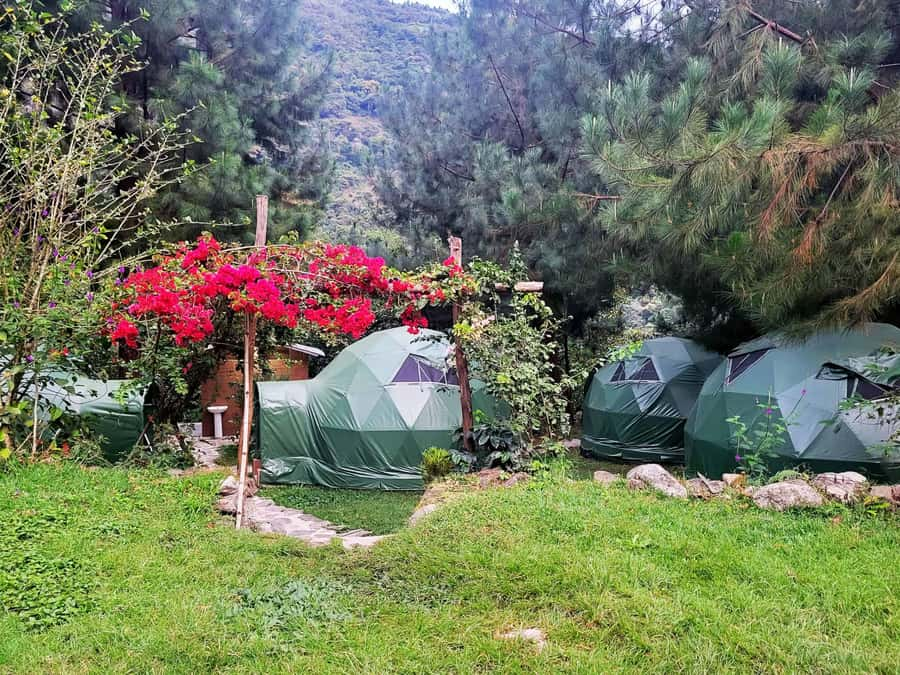
- Day 3: Santa Teresa Valley, coffee tour, and a dome to sleep in
- Day 4: Llactapata ruins, the Inca path feeling, and the long walk to Aguas Calientes
- Machu Picchu day: guided circuit timing and how to use your free time well
- Price and value: what you pay for, and what you should budget for
- Guides and group rhythm: why pace and communication matter
- What it’s like to sleep on the trail: comfort that still feels practical
- Packing list that actually helps: from warm layers to altitude basics
- Who this trek suits best, and who should skip it
- Should you book Salkantay to Machu Picchu glamping?
- FAQ
- Is the entrance to Machu Picchu included?
- What time do you start from Cusco?
- How big is the group?
- Do I need to bring a sleeping bag and walking sticks?
- Are meals included in the price?
- Is the hot springs included?
Quick take: what makes this trek tick
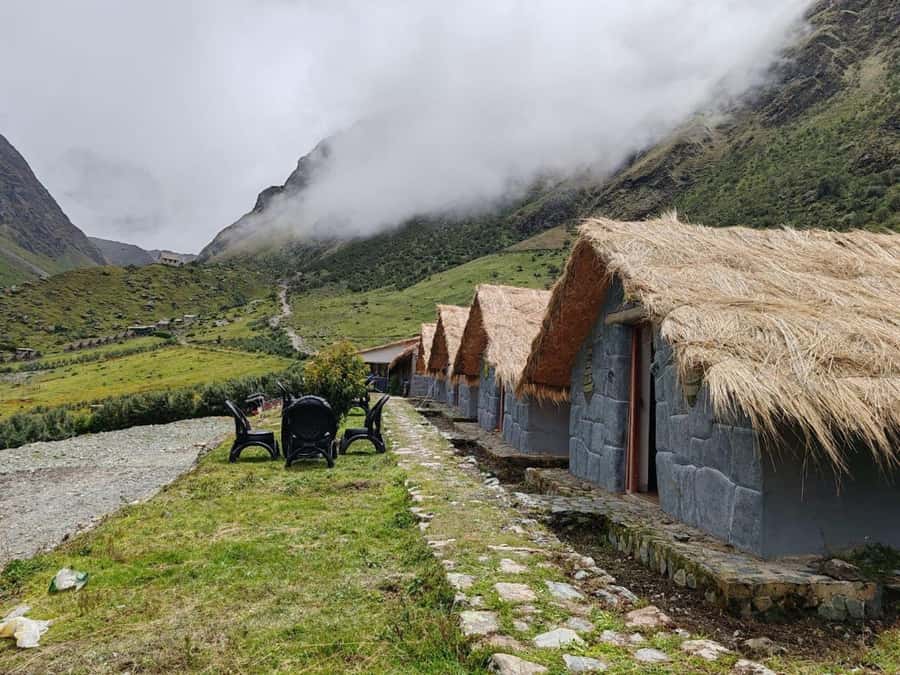
- Glamping stays on the trail that reduce packing stress and help you recover between hiking days
- Humantay Lake at high altitude before the toughest climbs start
- Salkantay Pass with standout views and a day that rewards staying steady
- Cocalmayo hot springs + Santa Teresa Valley scenery for a calmer day in the middle of the trek
- Inca trail section + Llactapata so you don’t feel like you’re skipping the “Inca moment”
Salkantay over the Inca Trail: what you really gain
If you’ve been weighing Salkantay versus the Inca Trail, you’re probably chasing two things: views and breathing room. Salkantay is a more remote route, and that usually means you spend more time in wide-open landscapes and less time inside a crowd. That matters on a trek, because your energy is limited. The more time you get to look up, not around for other people, the better the whole trip feels.
You also get variety without losing the “big mountain” vibe. You start in the Cusco region at a serious elevation, then push through the high pass country, and later your trek starts to change flavor as you move toward the warmer jungle side. That shift is one of the reasons this route works so well as an alternative: the scenery keeps moving, instead of repeating itself.
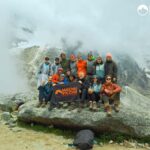
Small-group size helps too. This is limited to 15 participants, which affects how smoothly logistics work, how often you can ask questions, and how easily you can keep your pace without getting separated.
You can also read our reviews of more tours and experiences in Cusco.
Day 1 in Cusco country: glass-roof cabin and first altitude payoff
Your trip begins with a very early start, with hotel pickup from Cusco’s historic center around 4 a.m. That sounds intense, but on a mountain trek it makes sense: you’re spending daylight hiking instead of wasting time on delays later.
After a rest in comfortable transport, you stop in Mollepata for breakfast. Then you begin the hike from Challacancha toward Soraypampa. This first day is not the “killer” day, but it does position you for what’s coming. You’ll feel the elevation, you’ll get used to the rhythm of walking, and you’ll learn how your guide expects you to move as a group.
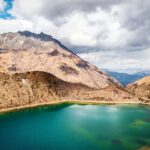
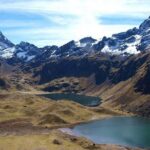
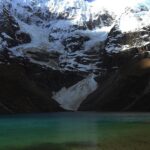
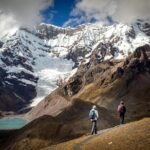
The day’s signature moment is Humantay Lake, at about 4,200 m. The lake is dramatic even when the weather is just okay, and the timing often gives you a sense of scale: you’re small, the mountains are huge, and the trail takes its time letting you notice details.
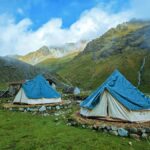
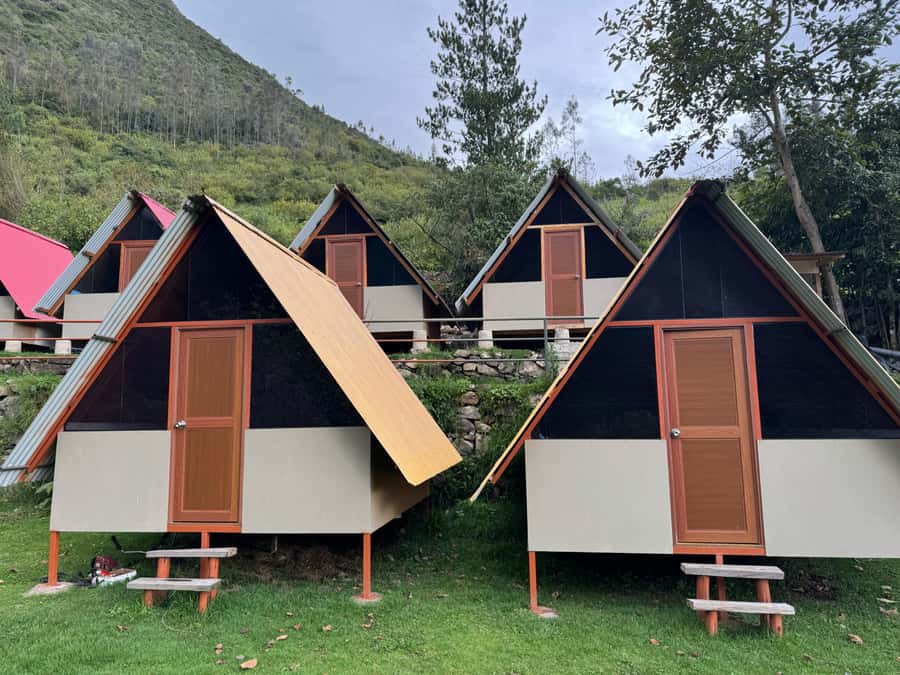
At night, you sleep in a cabin with a glass roof. That’s a real morale booster. Instead of “sleeping in a place you tolerate,” you get a campsite feel that feels more like a planned experience and less like an endurance test. Dinner comes with that same theme: you’re not living on sad snacks, and you get proper food after the hike.
Day 2 to Salkantay Pass: the climb that makes the route feel sacred
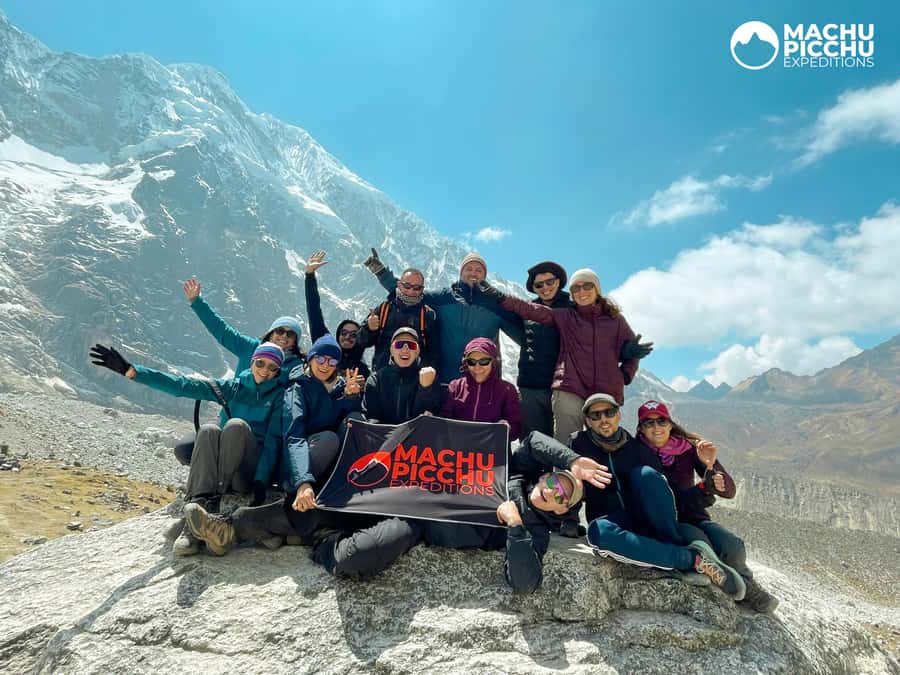
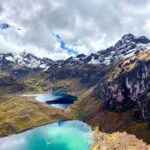
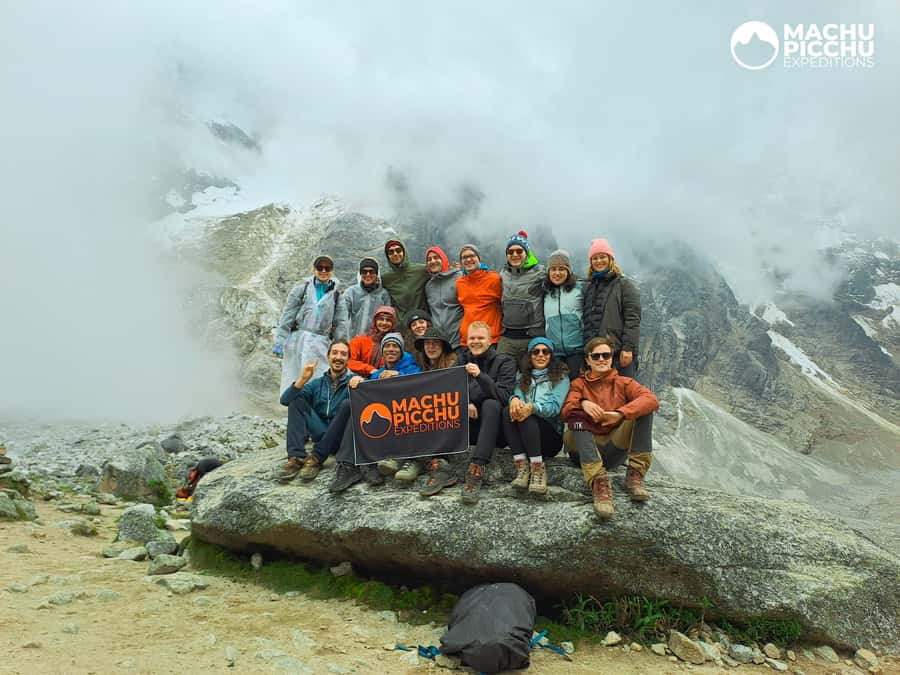
Day 2 is the backbone of the whole trek. You wake up to coca tea, then breakfast, then hike toward Salkantay Pass (around 4,630 m). The route includes the challenging section often described as the Trail of the 7 Snakes. It’s steep enough that you’ll want to focus on steady steps rather than speed.
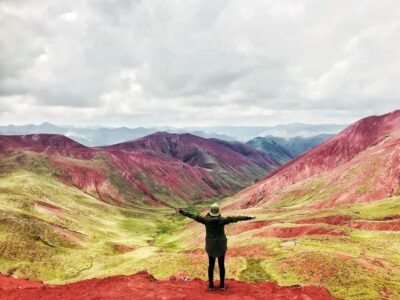
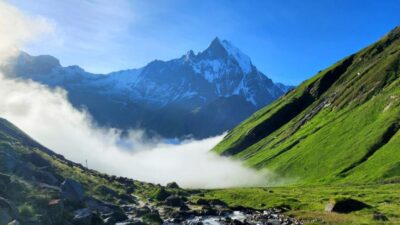
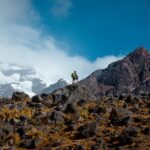
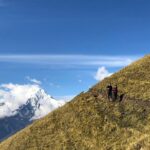
At the top, you’re rewarded with wide views around Salkantay, including the impressive sight of Salkantay itself, at about 6,271 m. Even if you’re not a “mountain photography person,” this is the kind of view that gives you a jolt. It also teaches you something useful: altitude fatigue isn’t only about breath. It’s about pacing your effort so your body doesn’t spike stress.
Later, you descend to Collpapampa (around 2,950 m) for dinner and sleep in cozy sky huts. This is where good planning shows. The day is hard, but the recovery setup feels intentional, and having a warm meal and real rest helps you show up better on day 3.
Day 3: Santa Teresa Valley, coffee tour, and a dome to sleep in
Day 3 shifts from high passes to a more “travel through landscape” day. You wake around 6 a.m. for tea and breakfast, then head out from camp toward La Playa, walking through the Santa Teresa Valley.
This part can feel like a breathing day, but don’t mistake it for easy. You’re still trekking, just with fewer “oh wow, we’re at extreme altitude” moments. You’ll likely feel more relaxed because the scenery is changing and the route is less punishing than the pass day.
Lunch happens at camp, and then you get a choice that adds variety: you can visit the Cocalmayo hot springs for a soak, or skip it and unwind. The hot springs fee and hot springs transport are extra, so you’ll want to decide early if you’re budgeting for that day’s relaxation. If you do go, it’s a smart way to reduce soreness before the final approach toward the Inca sites.
You also get an optional zipline for those who want a quick burst of adrenaline. If ziplining isn’t your thing, that time is a good window to rest and refuel.
That night you sleep in jungle domes. Compared with colder, drier camps, domes tend to feel cozy and slightly magical because you’re listening to nature more than the harsh mountain wind. It’s also a practical win: you’re not dealing with messy sleep setups on a day that already asks a lot of you.
Day 4: Llactapata ruins, the Inca path feeling, and the long walk to Aguas Calientes
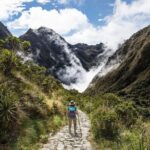
Day 4 mixes trekking with archaeology, which is exactly what you want right before Machu Picchu. After breakfast, you start the final trekking day, including a section of the original Inca Trail.
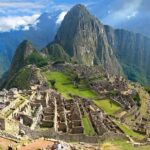
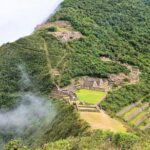
You’ll climb for about 2 hours to reach Llactapata (around 2,700 m). Llactapata is an archaeological site with views of Machu Picchu, which means you get a preview moment before the main event. That helps you appreciate Machu Picchu more when you arrive, because you’ve already tasted the perspective.
Then you descend, about 2 hours, and you may catch glimpses of the citadel along the way. Lunch is in Hidroeléctrica, which also sets up the final leg: you continue toward Aguas Calientes, where you check into a 3-star hotel for the night.
One practical note: the final approach includes a stretch walking in an area near the train route before reaching Hidroeléctrica. That section can feel more repetitive than inspiring. It’s not the whole trek, but it’s the kind of detail worth knowing so expectations stay realistic.
In Aguas Calientes, you’ll have dinner at about 7:00 p.m. and then you’re in the pre-Machu mindset. This is also the part of the trip where sleep matters. I’d treat the hotel night as your chance to recover fully, even if the town can be lively.
Machu Picchu day: guided circuit timing and how to use your free time well
The Machu Picchu visit is guided, with a set circuit (listed as Circuit 2B/6, 7 and an 8:00 a.m. guided time). Entrance to Machu Picchu is not included in the price and must be purchased separately through the official Peruvian government ticket sales site.
Once you’re inside, you’ll do a guided tour of about 1.5 hours. Then you get free time to explore. This is where your preferences matter, because Machu Picchu has different “levels” of effort.
You can hike Huayna Picchu (around 2,720 m) or Machu Picchu Mountain (about 3,000 m). If hiking feels like too much on an already intense trip, you can keep it more relaxed with options like the Sun Gate (around 2,729 m) or Inca Bridge. All of these are weather-dependent, so bring your sunglasses and sunscreen and expect changing light.
A guided circuit on a fixed schedule is also part of the value here. When you’re traveling long distances for a landmark, the biggest fear is losing half a day to confusion. This setup keeps you on track.
Price and value: what you pay for, and what you should budget for
At the stated price, the value mostly comes from the amount of support you receive on tough terrain. You’re not just paying for transportation. You’re paying for a full system: an English/Spanish-speaking guide, a professional chef and cooking equipment, horses to carry up to 6 kilos of your personal belongings, and private transportation to the trailhead.
That “carry-your-luggage” detail is a big deal. When you’re trying to keep your backpack light, the difference between 6 kilos carried for you and 6 kilos on your shoulders can feel enormous over multiple days.
Meals are also a major part of the value equation. The trek includes 5 breakfasts, 4 lunches, 4 dinners, and 3 snacks, plus tea time every afternoon with popcorn, cookies, chocolate, and coffee. That turns the trek into a more balanced experience because you’re not constantly hungry or stuck with limited food options.
Where the budget can surprise you is the extras:
- Machu Picchu entrance (about $45, subject to official availability)
- Humantay Lake entrance fee (20 PEN)
- Hot springs entrance and transportation (10 PEN entrance + 40 PEN transport)
- The walking sticks and sleeping bag are rentable (about $10 for the whole trek)
- Wi-Fi has a per-camp cost
- Zipline is optional (about $28)
If you hate add-on surprises, make a quick checklist before you go. If you plan for these costs up front, the trek becomes much easier to judge as a good value.
Guides and group rhythm: why pace and communication matter
This type of trek lives or dies on group rhythm. Even with good guiding, you may have mixed fitness levels and mixed comfort with altitude. A small group can still split into slow and fast walkers if everyone doesn’t follow the same pace plan.
The good news is that the guides can make a huge difference. In past trips, guides like Ruben have been praised for thoughtful insight and good organization. Other guides you might encounter include Roger and Reynaldo, along with Tupac and Nidia. Across these examples, the pattern is consistent: when something needs adjusting, the guide is there to help you keep moving without panicking.
If you want smoother pacing, do one simple thing: don’t surge early on steep sections. You’ll feel better later, especially around the pass day.
What it’s like to sleep on the trail: comfort that still feels practical
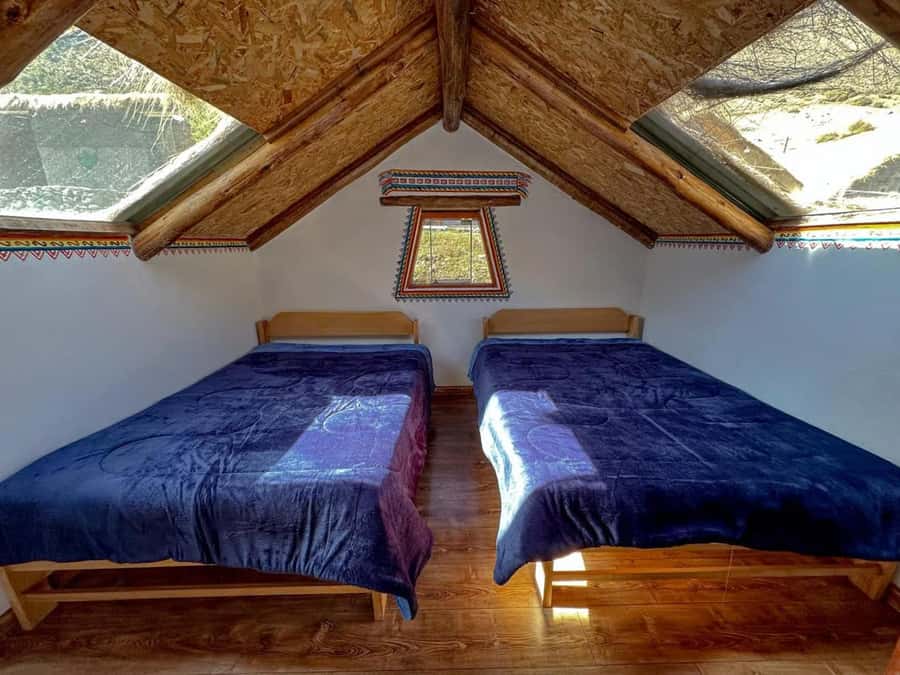
The glamping setup here is not about luxury for luxury’s sake. It’s about making your recovery realistic on a multi-day trek.
- Day 1: a cabin with a glass roof gives you comfort early, after a long travel morning.
- Day 2: sky huts help you rest after the Salkantay Pass day.
- Day 3: jungle domes make the warmer side of the trek feel manageable and cozy.
- Day 4: a 3-star hotel in Aguas Calientes gives you real beds and a chance to reset.
One reality check: Aguas Calientes is not silent. The hotel experience can vary a lot by room, and you can’t always assume perfect conditions like quiet surroundings or consistent hot water. If those details matter to you, ask directly what your room conditions are before you commit.
Packing list that actually helps: from warm layers to altitude basics
You’ll hike at high altitude, then move through warmer areas, so pack for temperature swings. You’re told to bring warm clothing, gloves, a long-sleeved shirt, a hat, sunglasses, and hiking shoes. Those aren’t “nice to have” items. On the pass day especially, they affect how long you can comfortably stay outside.
You’ll also want:
- A reusable water bottle (bottled water isn’t included)
- Sunscreen and biodegradable sunscreen
- Biodegradable insect repellent
- A small daypack
- A charged smartphone (and a power bank)
- Flashlight
- Swimwear and a towel (for the hot springs option)
- Cash (for optional add-ons and fees)
If you don’t have trekking poles, walking sticks can be rented for about $10 for the whole trek. Sleeping bags can also be rented for about $10 for the whole trek. If you already own quality gear, you can still bring it, but don’t bring extra weight you don’t need.
Who this trek suits best, and who should skip it
This is a serious trek with altitude highs, long walking days, and uneven terrain. It’s not suitable for pregnant women, people with back problems, mobility impairments, heart problems, wheelchair users, children under 18, people with respiratory issues, people with epilepsy, or those over 70.
If you can hike steadily for multiple days and you’re comfortable with altitude challenges, you’ll likely enjoy the whole arc: lake views, the pass climb, hot springs recovery, Inca trail vibes, and then Machu Picchu with a guided plan.
Should you book Salkantay to Machu Picchu glamping?
If you want the Machu Picchu payoff without the typical crowd experience, this route is a strong choice. The glamping stays reduce your packing stress, the meals are a big part of the value, and the itinerary builds momentum through Humantay Lake, the Salkantay Pass, Llactapata, and then Machu Picchu.
I’d book it if:
- You like natural scenery more than long lines
- You want a structured guide and chef support
- You’re okay budgeting for Machu Picchu entrance and a couple of key site fees
I’d think twice if:
- You’re sensitive to altitude or have any health condition listed as not suitable
- You dislike add-on costs, because Machu Picchu entrance and hot springs are extra
- You need quiet, predictable hotel comfort in Aguas Calientes, since conditions can vary
If your goal is a more personal-feeling trek that still lands you at one of the world’s top sights, this is one of the better ways to do it.
FAQ
Is the entrance to Machu Picchu included?
No. The Machu Picchu entrance ticket is not included and is purchased separately on the official government ticket sales site. Your guided time is set for a specific circuit (Circuit 2B/6, 7, with 8:00 a.m. listed).
What time do you start from Cusco?
You’re picked up from your hotel in Cusco historic center, and the trek starts with pickup around 4 a.m. (plus a pre-trek briefing the day before at 6 p.m.).
How big is the group?
The group is limited to 15 participants.
Do I need to bring a sleeping bag and walking sticks?
You don’t have to bring them if you don’t want to. Sleeping bag and walking sticks can be rented for about $10 for the whole trek.
Are meals included in the price?
Yes. Meals included are 5 breakfasts, 4 lunches, 4 dinners, 3 snacks, and daily coca tea wake-ups, plus afternoon tea time (popcorn, cookies, chocolate, and coffee). Vegetarian or vegan options are available on request with no additional charge.
Is the hot springs included?
The hot springs visit costs extra. The entrance ticket and transportation to the hot springs are not included.