REVIEW · CUSCO
Ancascocha Trek To Machu Picchu 4 Days And 3 Nights
Book on Viator →Operated by Action Peru Treks · Bookable on Viator
The Ancascocha trail starts with big altitude and bigger views. This 4-day trek guides you from Cusco to remote Inca ruins, Andean villages, and the final payoff at Machu Picchu, all without the crush you get on the Inca and Salkantay paths. You get a small group setup (up to 30), which usually means your guide can actually keep an eye on everyone.
I love that the trek is built around real hiking days plus real camp life: you sleep in the mountains with meals and fees covered, then you roll into Aguas Calientes for a night before Machu Picchu. A chef is part of the plan, and you’ll taste that at lunch in the high country (Rayan). The main drawback is straightforward: this trek asks for strong fitness, and the altitude plus steep sections won’t feel easy.
In This Review
- Key reasons to consider this trek
- From Cusco to Soqma: starting above 10,000 feet
- Perolniyoc waterfall and a cliff-top Inca site
- Rayan lunch at 12,139 feet: fuel that actually matters
- Kuychiccasa Pass (14,599 ft): llamas, farmers, and thin air
- Chancachuco Valley camp: where the day really ends
- Aguas Calientes night and the guided Machu Picchu moment
- Price and value: what $730 covers and what to budget
- Who this trek is best for (and who should skip it)
- Crew energy: guides, cooks, and horse support
- Quick tips to make the trek feel easier
- Should you book Ancascocha 4D/3N to Machu Picchu?
- FAQ
- How many days and nights is the Ancascocha Trek to Machu Picchu?
- What’s the maximum group size?
- What’s included in the price?
- What meals are provided during the trek?
- Is pickup and drop-off included?
- Do I need bus tickets from Aguas Calientes to Machu Picchu?
- Do I need strong fitness for this trek?
- Are service animals allowed?
- Can I get a full refund if I cancel?
Key reasons to consider this trek
- Small-group feel on a less-traveled route above the Sacred Valley
- Machu Picchu with a guided ruin tour, plus one night in Aguas Calientes
- Camping included with national park fees and meals handled for you
- Starting high in Soqma (10,512 ft) and topping out at Kuychiccasa Pass (14,599 ft)
- Waterfall plus Inca ruins early on, starting with the Perolniyoc cascade lookout
- A full crew: local guide, cooks, and horse/mule support depending on the day
From Cusco to Soqma: starting above 10,000 feet
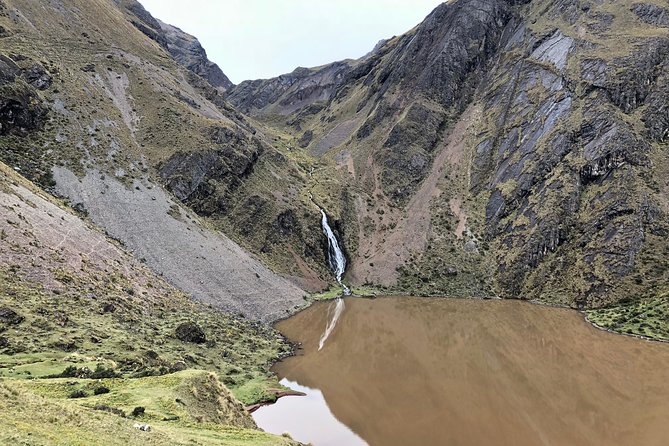
Your trek begins with a Cusco hotel pickup, then a drive of about 1 hour 45 minutes to Soqma at 10,512 ft. That first transfer matters more than it sounds. Starting your first day already at elevation helps you get your rhythm fast, but it also means you’ll want to take the first climbs slowly. Think of it as a warm-up that is still very much work.
You’ll be heading into a trail that’s intentionally away from the classic Inca and Salkantay crowd. That doesn’t mean it’s empty. It does mean you’re more likely to experience the mountains at hiking speed, with fewer bottlenecks and less time standing still while other groups filter past.
Because you’re traveling with a small group, the guide can pace you. That is a big deal on a route like this, where one person going too fast can derail the whole day’s energy. It also helps if you need extra time at viewpoints or want a quick explanation of what you’re looking at.
You can also read our reviews of more tours and experiences in Cusco.
Perolniyoc waterfall and a cliff-top Inca site
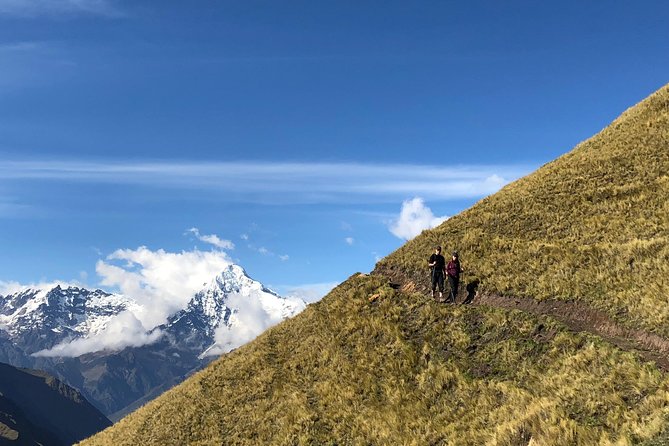
The first real hiking push is about 2 hours to the Perolniyoc cascade lookout. The trail here feels like a payoff right away: you reach the waterfall and then get time to take it in. Water is a nice change of scenery in the Andes, and it gives you something to focus on other than your legs.
After that lookout, it’s about 45 minutes more to the Inca site of the same name. The ruins sit perched on a cliff-top with sweeping views down the valley. This is one of the moments where you really feel how practical the Inca were with their building locations: height for control, sightlines for the landscape, and stonework placed where it could last.
What you’ll likely love most here is the combination of nature and history in one stretch. It’s not a museum stop. You’re hiking to it, and the guide connects the site to how the area was used. If you get a guide like Lino or Lina (names that show up often in past groups), you’ll usually hear the story in a way that sticks.
A small consideration: early days at altitude can make even short pauses feel like a big effort. So if you’re the type who rushes, try not to. Enjoy the waterfall, then take your time with the ruins.
Rayan lunch at 12,139 feet: fuel that actually matters
Next comes a steep ascent of about 1 hour to reach Rayan at 12,139 ft. You’re going up, not around. Expect your breathing to change fast.
Then you reach lunch, and this is where the trek earns points. The chef prepares the first big meal of your hike here, and the tour includes lunch and dinner as buffet-style meals. That means you’re not just eating to survive; you’re eating to keep moving through the next climb.
At this altitude, you want calories plus something you can actually digest. Even if you’re not a gourmet eater, a good lunch can turn the rest of the day from misery into manageable.
Also, this is your first strong clue about how the camp system works on this route. You’re not carrying everything on your back. The trek includes camping gear, and the experience runs with a crew behind you. That frees you to focus on the trail instead of juggling logistics.
Kuychiccasa Pass (14,599 ft): llamas, farmers, and thin air
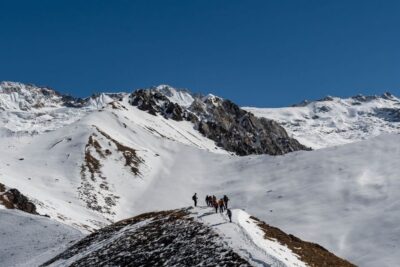
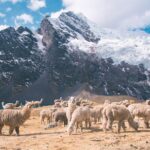
The afternoon brings one of the hardest sections: around a 3-hour uphill hike to Kuychiccasa Pass at 14,599 ft. This is where you’ll see rustic houses of farmers along the way, and you’ll also spot llamas. It’s not just scenic. It’s a real glimpse of how people live in the highlands while you pass through.
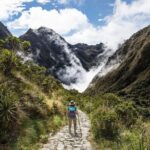
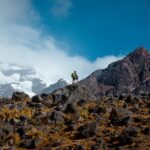
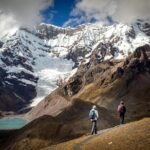
As you climb, the views open up toward the Nevadas, the snow-capped peaks you can see in the distance. This is one of the moments where the trek feels like it’s doing its job: you earn the elevation with effort, and then you’re rewarded with a view that makes you forget how steep the path was.
One practical note: at a pass, everything gets more exposed—wind, sun, and cold can shift quickly. You’ll want to have your layers ready and not wait until you’re shivering to get warm.
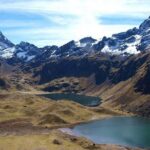
After you reach the top, there’s a break with magnificent views of the Chancachuco Valley. That pause matters. It helps you regain control of your breathing so the next part doesn’t hit you all at once.
Chancachuco Valley camp: where the day really ends
From the pass, it’s about a 45-minute downhill to the campsite at the Chancachuco Valley (14,147 ft). Even downhill can feel tough at altitude. Your legs are still working, just in a different way—more braking than pushing.
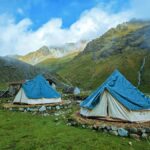
When you arrive, the campsite is already prepared. You can change into warmer clothing, which is huge when evenings get cold quickly. This is one of the reasons trekking with included camping setups is worth it: you spend less time fiddling and more time recovering.
The tour includes breakfast, lunch, and dinner, with dinner listed as a buffet dinner. After a day like this, food in camp is not just comfort. It’s part of how you’ll feel the next morning.

Aguas Calientes night and the guided Machu Picchu moment
You’ll spend one night at a B&B in Aguas Calientes. This is your buffer town—the place where you swap steep mountain hiking for a calmer night before Machu Picchu.
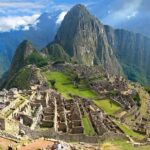
Day 4 is Machu Picchu time. The tour includes a guided tour of the ruins, and this is where the whole trek pays off. You’re not arriving to Machu Picchu with no context. You’ve already walked through the Andes, seen rural life, and visited Inca ruins along the way—so the city ruins don’t feel like they showed up out of nowhere.
There’s one logistics piece you should plan for: round trip bus tickets from Aguas Calientes to Machu Picchu are not included. That means you’ll want to budget for transport so you’re not stuck at the last minute.
The guide’s role here is more than pointing out buildings. It’s tying together how Inca engineering, geography, and settlement choices connect—from the cliff-top sites you visit on the trek to what you see in Machu Picchu.
Price and value: what $730 covers and what to budget
At $730 per person for about 4 days, this trek can feel like a big number until you look at what’s folded in. The tour includes camping gear, meals, and national park fees. It also covers local guiding plus hotel pickup and drop-off in Cusco, and it includes that B&B night in Aguas Calientes.
Those inclusions reduce the “surprise costs” that often make trekking prices feel misleading. You’re not paying extra for the core trail support, and you’re not improvising meals every day in the middle of nowhere.
The main thing not included is transport on day 4 from Aguas Calientes to Machu Picchu via bus tickets, plus alcoholic drinks and any excess luggage charges where applicable. If you keep your packing tight and plan for the bus, your budget tends to stay steady.
Who this trek is best for (and who should skip it)
This trek fits you if:
- You want Machu Picchu without the biggest crowds on the classic routes
- You like small-group hiking with a guide who can manage pacing
- You value getting off the main tourist trails into Andean villages and ruins
- You’re willing to work for the views, especially at high elevations
It may not fit you if:
- You don’t handle altitude well
- You’re looking for an easy stroll. This is described as challenging, and it requires strong fitness
- You’re traveling with limited mobility or you expect flat terrain and minimal climbs
One helpful angle: the trek is capped at a maximum of 30 travelers. That keeps it from feeling like a rolling bus tour, and it usually helps you get better explanations at the ruins and viewpoints.
Crew energy: guides, cooks, and horse support
A trek like this is a team event. The included local guide is central, but you’ll also rely on the cooks and the horse/mule crew for how smooth camp life feels.
From past groups, guides such as Lino, Eddie/Eddie, Lina, Christian, and Eddy show up in different combinations. You might also hear names like Oskar and Elsa for horse/mule support, and cooks like Joel and Eliquin or Super Mario and Edison in other crews. Even if you don’t get the same names, the structure is similar: guide on interpretation, cooks on meal quality, and a support team so you can hike without carrying everything.
If you care about details, pay attention to the way the guide explains each ruin stop. The route includes multiple Inca-related points, and the guide connects them to what you see around you.
Quick tips to make the trek feel easier
Here’s what I’d focus on so the trek feels like a win instead of a grind:
- Start slow. The trek starts at altitude right away, so take the first hours easy.
- Pack for temperature swings. You’ll hike above 14,000 ft and then need warm layers at camp.
- Keep your day bag simple. You’re moving all day; fewer items mean less hassle.
- Plan for the bus on day 4. Transport from Aguas Calientes to Machu Picchu isn’t included.
- Hydrate and pace your breathing. High passes are where you either manage effort or get stuck fighting it.
The good news is the camp setup is prepared for you, and warm clothing changes are part of the routine. That’s one less variable to manage at the end of a tough day.
Should you book Ancascocha 4D/3N to Machu Picchu?
Book this trek if you want a more personal, less crowded way to get to Machu Picchu, and you’re excited by the idea of mixing hiking with Inca ruins and Andean village life along the way. The value is strongest if you like the idea of having camping support, meals, and park fees handled for you, then enjoying a guided Machu Picchu visit without scrambling for day-to-day logistics.
Skip it if you want a gentle experience or you know altitude climbs will be a problem. This route includes steep ascents, a high pass, and long hiking hours—so it’s not the best choice for a first-time trek unless you train and prepare.
If you do fit the fitness and adventure profile, this is the kind of itinerary that makes Machu Picchu feel earned, not arrived at.
FAQ
How many days and nights is the Ancascocha Trek to Machu Picchu?
It’s listed as 4 days and 3 nights, with two nights camping during the trek and one night at a B&B in Aguas Calientes.
What’s the maximum group size?
The tour has a maximum of 30 travelers.
What’s included in the price?
Included are national park fees, camping gear, meals (breakfast, lunch, and dinner buffet), a local guide, hotel pickup and drop-off, two nights camping, and one night at a B&B in Aguas Calientes.
What meals are provided during the trek?
Breakfast is provided, along with a buffet lunch and a buffet dinner during the camping portion of the trip.
Is pickup and drop-off included?
Yes. Hotel pickup and drop-off are included.
Do I need bus tickets from Aguas Calientes to Machu Picchu?
Yes. Round trip bus tickets from Aguas Calientes to Machu Picchu on day 4 are not included.
Do I need strong fitness for this trek?
Yes. Travelers should have a strong physical fitness level.
Are service animals allowed?
Service animals are allowed.
Can I get a full refund if I cancel?
Yes. Free cancellation is available up to 24 hours in advance for a full refund. If you cancel within 24 hours of the experience start time, the amount paid is not refunded.