REVIEW · CUSCO
4-Day Lares Trek to Machu Picchu
Book on Viator →Operated by Inkayni Peru Tours · Bookable on Viator
Skip the crowds on a mountain trail. This 4-day Lares Trek to Machu Picchu is built for people who want the path less traveled and still reach the big show, Machu Picchu, with energy to spare. I love the way the route trades traffic for quiet Quechua mountain villages and mirror-like lake scenery, and I also like that the trip wraps sightseeing into an all-in package with meals, camping help, and transport. The one drawback to think about: the trek climbs high (nearly 14,000 feet / 4,400m), so if you’re not comfortable with altitude or steep effort, you’ll feel it.
You start with an early pickup in Cusco, then move through the Sacred Valley and into the rugged Lares highlands with a real support team—bilingual guide, chef, mules for camp gear, and even an oxygen bottle. By the end, you’re taking the morning route into Machu Picchu to beat the worst of the crowds and still get time to wander on your own.
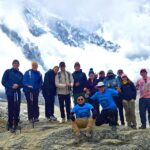
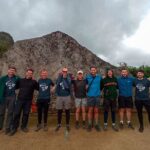
One more note: groups cap at 15, which helps the experience feel more human than a conveyor belt. On a recent group, the guide Edgar stood out for how patiently he supported a walker struggling at altitude—exactly the kind of steadiness you’ll want on a high trek.
In This Review
- Key things I’d plan around
- Why the Lares route feels different than the usual Machu Picchu hike
- Day 1: Cusco pickup, Sacred Valley sights, and your climb up from Pumahuanca
- Day 2: A high pass, downhill relief, and Yanacocha’s dark-water views
- Day 3: Meet an Andean family, shop alpaca textiles, then soak at Lares hot springs
- Day 4: The early Machu Picchu bus, a guided tour, and optional mountain tickets
- Tents, Thermarest, oxygen bottle: what “included” really means for your comfort
- Price and value: $656 for a full route, not just a guide
- Guide support and small-group pace at altitude
- Who should book this Lares Trek, and who should think twice
- Should you book the 4-Day Lares Trek to Machu Picchu?
- FAQ
- What’s the starting time for the trip?
- Where does the tour begin?
- What’s included in the price besides the guide?
- Are meals included during the full 4 days?
- Is Machu Picchu entrance included?
- Can I visit Huayna Picchu or Machu Picchu Mountain?
- What about sleeping gear?
- Is there support for altitude risk?
- What’s the minimum age?
- What’s the cancellation policy?
Key things I’d plan around
- High pass effort near 14,000 ft: you’ll earn your views, then recover with easier downhill segments
- Yanacocha lake on the descent: that dark-water moment is a legit highlight
- Andean family visit + alpaca textiles: you’re not just passing through villages, you’re meeting people
- Lares hot springs in the mix: it’s timed so you can soothe sore legs before settling in Aguas Calientes
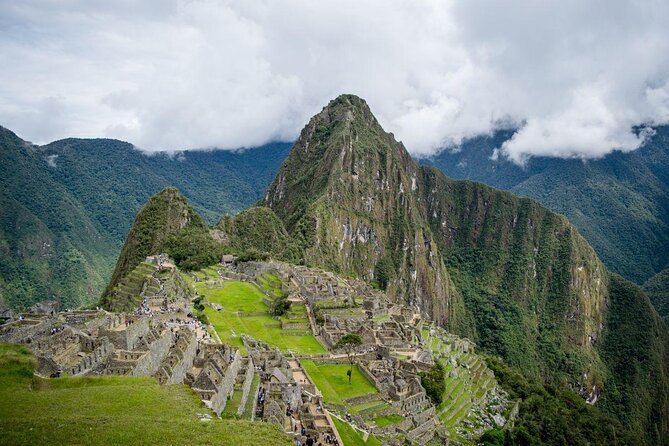
- Machu Picchu with both guidance and free time: you get the story, then you get to see it your way
- Smaller group size (max 15): better pacing, fewer bottlenecks, and more attention from your guide
Why the Lares route feels different than the usual Machu Picchu hike
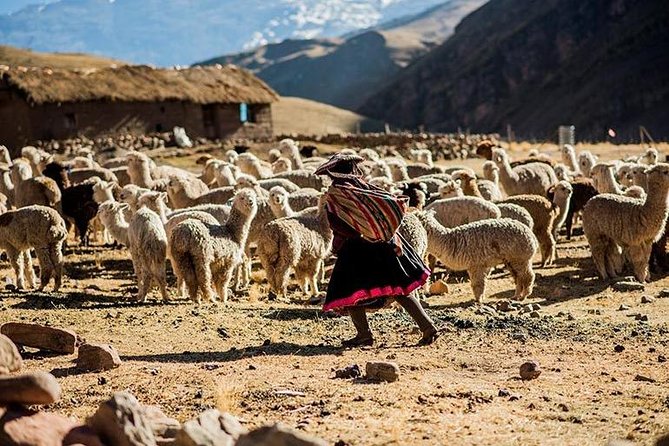
Most Peru bucket-list routes try to move fast and pack in big numbers. The Lares trek does the opposite. You’ll spend your days walking mountain valleys and villages that aren’t flooded with buses. The result is simple: you hear more wind than chatter.
This is not a “luxury stroll” trek. You’ll climb, you’ll descend, and you’ll sleep in tents on three different nights. But that’s exactly why it feels rewarding. Instead of arriving at Machu Picchu already worn out from standing in lines all day, you arrive tired in the good way—the kind that makes the citadel look even more unreal.
The other big difference is how the route is timed for a better Machu Picchu experience. You take the morning bus from Aguas Calientes, go in early, and that changes the feel of the place. Then, you get a guided tour plus solo time. That combination is ideal: you won’t miss the key features, and you’ll still have space to look at terraces, temples, and stonework without a timer in your ear.
You can also read our reviews of more tours and experiences in Cusco.
Day 1: Cusco pickup, Sacred Valley sights, and your climb up from Pumahuanca
Your day starts early with pickup from your Cusco hotel (and the overall meeting time for the trip is set at 5:00 am). Cusco sits at about 3,399m / 11,152 ft, so the morning is already about acclimating without rushing. You travel by private transport through the Sacred Valley, with views of snowy peaks and small Andean villages.
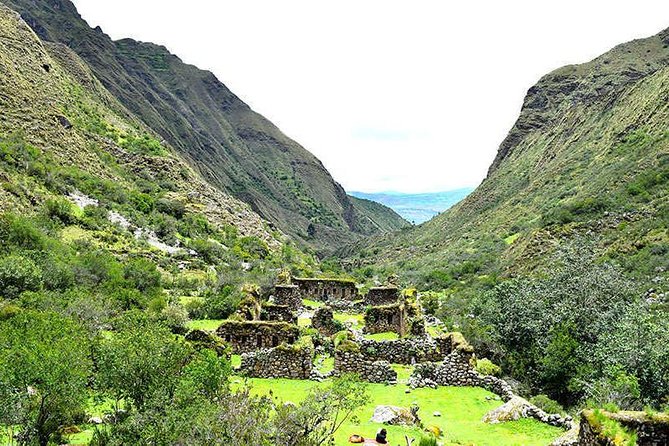
From there, the trek begins at Pumahuanca (2,950m / 9,678 ft). The first hiking day is your big warm-up climb: about 14 km (8.7 mi) with roughly 1,150 m (3,773 ft) of ascent. It’s a long upward grind through a valley with native forests and streams, so even when you’re working hard, there’s still something to see—birds, water, and changing forest tones as you gain altitude.
One site stop that matters here is the Inca location of Pumahuanca. You’re not just walking past stones; your guide explains the region’s history and even the local flora and birdlife. In my opinion, this is a smart way to start: you get context early, then you earn that context with your legs.
Possible drawback for Day 1: because this is a true ascent, it’s where pacing matters most. If you go out too fast, altitude stress will creep in. The practical move is to keep your effort steady and let the scenery slow you down.
Day 2: A high pass, downhill relief, and Yanacocha’s dark-water views
Day 2 is the day many people remember most. It’s still challenging, but it’s also more balanced than Day 1. After sleeping at camp near Puyoc, you hike about 13 km (8 mi) toward Cuncani (3,900m / 12,795 ft). Much of the day trends downhill, which is a gift after the climbing you did the day before.
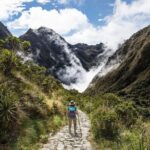
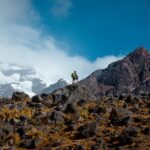
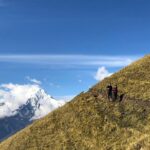
That said, you still face the highest pass of the trek. The day begins with about a two-hour climb to the pass, and then you drop into remote valleys. This is where you’ll get those sweeping views of snow-capped peaks and open space.
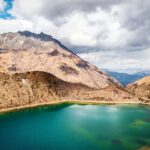
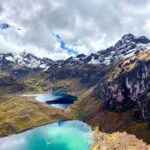
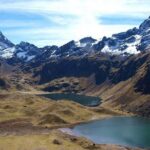
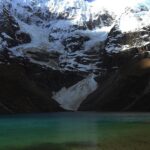
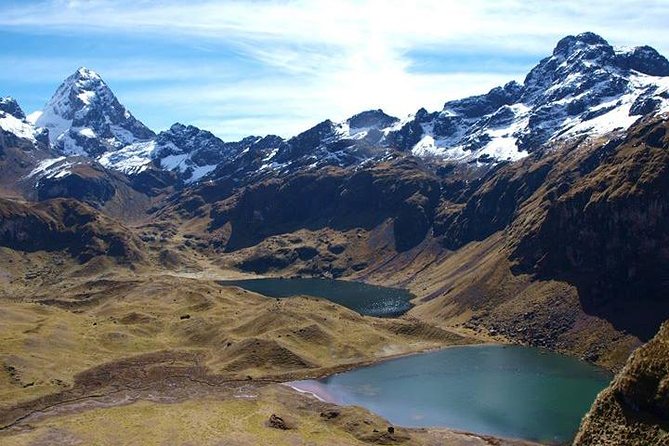
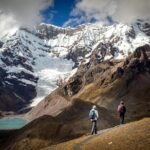
One of the most striking details is the lake stop: you pass serene high-mountain lakes, including Yanacocha (Black Water Lake). The name tells you what to expect. The water can look dark and mirror-like, and it’s the kind of pause that makes your legs forget the incline for a moment.
Culturally, Day 2 also shifts your mood. You’re moving deeper into small-scale mountain life. The route feels more local and less staged as you get farther from the more famous corridors.
Practical consideration: this is a day where the air can feel thin even if the ground is gentler. Hydrate, move steadily, and don’t measure yourself against anyone else’s pace.
Day 3: Meet an Andean family, shop alpaca textiles, then soak at Lares hot springs
By Day 3, your body knows the rhythm—step, breathe, slow down when you need to. This is the day built around people, not just scenery.
After an early start, your guide takes you to a local home to meet an Andean family. You’re shown traditions, and you’re given a chance to talk and learn. If you know a few Quechua phrases, you’ll likely enjoy the moment when you try them—this is the kind of interaction where a little effort goes a long way.
Then comes the small but meaningful part: you can offer small gifts and browse handwoven alpaca textiles. Alpaca products here aren’t just souvenirs; they’re a craft with real skill behind it. It’s also a nice break from constant uphill focus—you’re trading trail energy for human conversation.
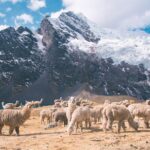
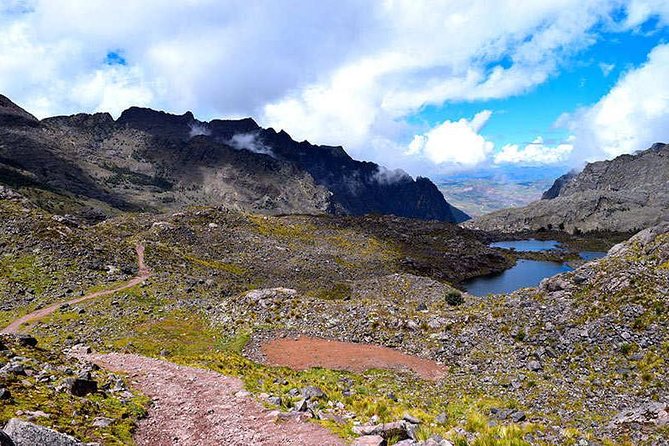
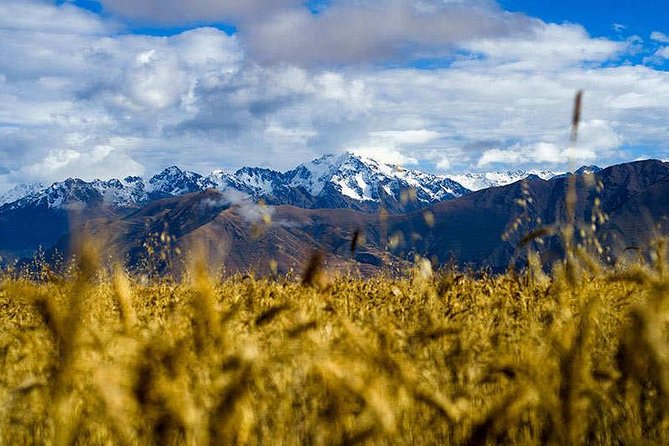
After that, you head out from Cuncani (3,900m / 12,795 ft) on a gentle descent of about 6 km (3.7 mi) toward the Lares hot springs at around 3,150m / 10,334 ft. This is a recovery-focused segment. You’ll pass fields like quinoa and tarwi, and you may spot Andean wildlife depending on conditions.
The hot springs are part of why this trek doesn’t feel punishing day after day. This is your chance to loosen up before the final push toward Aguas Calientes. The plan is designed so you can hit the hot springs, then settle in for the night with a proper hotel stay.
Possible drawback: if you’re sensitive to schedule pressure, Day 3 can feel like it has a lot going on—people visit, then walking, then hot springs. The antidote is simple: keep your pace calm and treat downtime as part of the day, not something you rush through.
Day 4: The early Machu Picchu bus, a guided tour, and optional mountain tickets
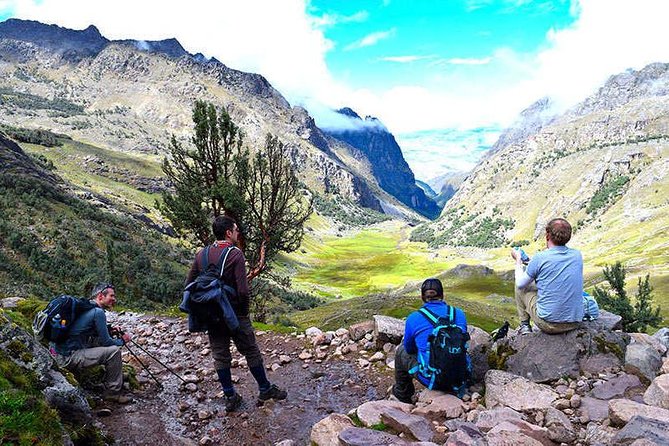
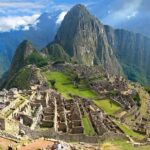
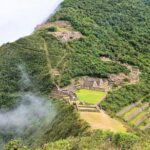
Day 4 is the big moment. Breakfast first, then you board one of the morning buses to Machu Picchu (at 2,430m / 7,972 ft). This timing matters because entering early changes everything: you’re more likely to enjoy the site with fewer crowds pressing in.
Inside Machu Picchu, your guide leads an in-depth tour, pointing out key features like temples, ceremonial areas, terraces, and storage structures. The value of a guided visit here isn’t just knowing names. It’s learning how the stones relate—where people lived, where they gathered, and how the terrain supported their systems.
After the guided part, you return to Aguas Calientes. There’s also an option to go higher for more views: if you arranged an additional ticket in advance, you can explore either Huayna Picchu or Machu Picchu Mountain. Those are steep, exposed walks, so only take them if you’re steady and comfortable on uneven stone steps.
Practical tip: if you’re debating whether to add one of those extra viewpoints, think about your total stamina. This trek gives you a lot of altitude work already. You don’t want to trade the main citadel experience for a second hike that leaves you too drained to enjoy it.

Tents, Thermarest, oxygen bottle: what “included” really means for your comfort
This trip is more than a hike with a guide. You’re also getting real camping support, and it affects how enjoyable the trek feels.
You’ll carry personal items with the mule support system—mules handle cooking and camping equipment, plus up to 7 kg of your personal items. That’s a big deal because it shapes what you pack. You can’t haul a heavy bag yourself all day, so plan to travel light.
Meals are included for the trekking portion: breakfast (3), lunch (3), dinner (3) plus three afternoon snacks. Water is included except for the first four hours of the trek, when you need to bring your own. That “first four hours” detail matters. If you forget, you’ll feel it right away in thin air.
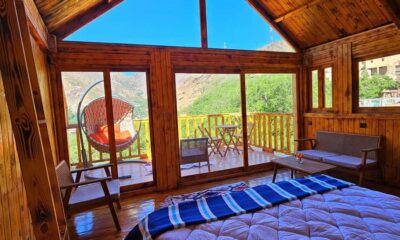
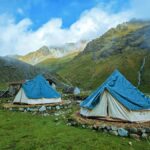
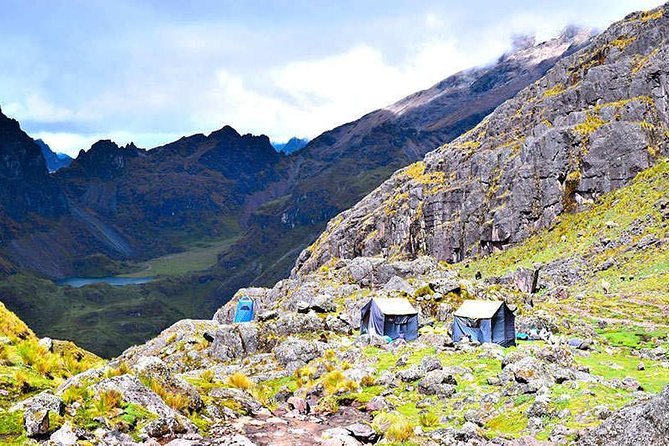
Camping setup includes a dining tent with tables and chairs, plus 4-man tents for every two trekkers. You also get an inflatable Thermarest sleeping mattress, which is a quiet luxury on cold nights. There’s an oxygen bottle and a first aid kit for altitude emergencies and general safety.
On the last trekking night before Machu Picchu, you get a hotel in Aguas Calientes on Day 3. That hotel night is a smart reset—tents are part of the adventure, but your body will thank you for real beds before the citadel visit.
What’s not included is also important: you’ll need your own sleeping bag (though you can hire one), and tips aren’t included. Also, breakfast on Day 1 and lunch on Day 4 aren’t included, so budget for those meals.
Price and value: $656 for a full route, not just a guide
At $656.42 per person, this trek can feel like a lot—until you look at what’s bundled. You’re paying for the full machine: bilingual guide, chef, mule support, camp setup, entrance fees, and the return route back to Cusco via train and bus. You also have a hotel night in Aguas Calientes and round-trip bus service from Aguas Calientes to Machu Picchu.
Many cheaper “treks” end up costing more once you add extras like camping gear rentals, guide time, and transport segments. Here, you know where your money goes because the plan includes meals, accommodations, and key transport legs.
So the real value question for you is this: do you want to outsource the logistics and focus on walking and enjoying? If yes, this package makes sense. If you’re the type who likes to self-organize every detail and arrange your own gear and transport, you might find a different style of trip more aligned with your preferences.
Guide support and small-group pace at altitude
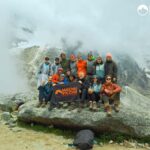
This route runs with a maximum of 15 travelers. That number isn’t just trivia. It affects how your day feels. Smaller groups tend to move with fewer pauses for regrouping, and you’re less likely to be swallowed by a crowd.
Your main guide is professional and bilingual. If the group is 9 or more, there’s also an assistant guide. That extra support matters on the harder stretches, when someone needs help with pace, breathing, or just reassurance.
From the kind of stories you’ll hear about this trek, one strong theme shows up: when altitude hits, encouragement matters. One guide highlighted by name, Edgar, was praised for supporting a guest who had trouble higher up. That’s the kind of leadership you want on a high pass day.
Still, the tour is clear: you should have a strong physical fitness level. Training helps, but humility helps more. You’re walking above 3,000m for multiple days, with passes nearing 14,000 ft / 4,400m.
If you’re worried about altitude, plan to take it slow and keep communicating with your guide. Don’t wait until you’re miserable to speak up.
Who should book this Lares Trek, and who should think twice
This trek is a great match if you:
- Want fewer crowds than the main routes into Machu Picchu
- Like a mix of village culture + ruins (not just stone sightseeing)
- Are comfortable with 4 days of hiking and camping
- Want a guided Machu Picchu visit that still leaves time to wander
It may not be the best fit if you:
- Struggle with high-altitude hiking and aren’t sure you can handle near 14,000 ft passes
- Need easy walking every day (there are climbs and long ascents)
- Don’t want to sleep in tents (even with the included Thermarest, it’s still camping)
Should you book the 4-Day Lares Trek to Machu Picchu?
If your ideal Peru trip has two ingredients—quiet trail time and a high-impact Machu Picchu morning—then yes, this one is worth serious consideration. You get the cultural stops, the real highland walking, and a guided entry into the citadel without feeling like you’re rushing through everything.
Book it especially if you want value in the practical sense: meals, gear support, transport, and the Machu Picchu bus are handled, so you can focus on pacing yourself and enjoying the scenery.
Just be honest with yourself about altitude and effort. The trek is designed for people with strong fitness, and that near-14,000-ft pass is not a “stand here and take a photo” moment.
FAQ
What’s the starting time for the trip?
The meeting point start time is listed as 5:00 am.
Where does the tour begin?
It begins with hotel pickup in Cusco, Peru, then transport to the start of the trek.
What’s included in the price besides the guide?
Meals (breakfast, lunch, dinner, plus afternoon snacks), accommodations (including a hotel in Aguas Calientes on Day 3), entrance fees, transfers (including train and bus), plus camping support like mules for equipment and a Thermarest mattress.
Are meals included during the full 4 days?
Meals are included for most days: breakfast (3), lunch (3), and dinner (3), plus three afternoon snacks. Breakfast on Day 1 and lunch on Day 4 are not included.
Is Machu Picchu entrance included?
Entrance to Machu Picchu as part of the tour is included. Huayna Picchu Mountain entrance is not included, and Machu Picchu Mountain is also an optional ticket.
Can I visit Huayna Picchu or Machu Picchu Mountain?
Yes, if you secured an additional ticket in advance. Huayna Picchu entrance is not included in the base package.
What about sleeping gear?
A sleeping bag is not included, but you can hire one. An inflatable sleeping mattress is included.
Is there support for altitude risk?
An oxygen bottle and a first aid kit are included. The tour also includes a professional bilingual guide and support for the group.
What’s the minimum age?
The minimum age is 6 years.
What’s the cancellation policy?
This experience is non-refundable and cannot be changed for any reason.