REVIEW · KATHMANDU
Annapurna Base Camp Trek – 11 Days
Book on Viator →Operated by Base Camp Adventure Pvt. Ltd. · Bookable on Viator
Annapurna Base Camp delivers serious mountain drama. This 11-day trek from Kathmandu connects classic high-mountain walking with real village life, standout forests, and a Poon Hill sunrise moment that makes the cold mornings feel worth it. You’ll also get two chances to unwind in Jhinu Danda hot springs, plus views that frame the Annapurna and Dhaulagiri ranges.
I especially like the gear included with the trek: a down jacket, sleeping bag, and duffel bag take a big chunk of stress off your packing list. I also appreciate the added safety touch of oxygen monitoring with an oxymeter, so the trek team can keep an eye on how you’re doing along the way.
One consideration: this route asks for moderate fitness, and the itinerary includes lots of stone-stair walking and early starts. If you’re not comfortable with long uphill stretches, this is the part you’ll feel first.
In This Review
- Key things I’d focus on before you go
- From Kathmandu to Pokhara: the road that buys you breathing room
- Nayapul to Ghorepani: Modi River crossings and rhododendron stair climbing
- Poon Hill sunrise: the big payoff for early cold mornings
- The trek’s reset button: Jhinu Danda hot springs
- Chhomrong and Sinuwa: forest walking, river crossings, and altitude-building
- Deurali to Machhapuchhre Base Camp (3700m): when the trek turns serious
- Finishing loop: upper Chhomrong to Nayapul, then the return to Kathmandu
- Price and what you truly get for $986: the value check
- Guides, support, and the one thing to watch for
- Who this Annapurna Base Camp trek is best for
- Should you book this 11-day Annapurna Base Camp trek?
- FAQ
- How long is the Annapurna Base Camp trek?
- Where does the trek start and end?
- What time does the experience start?
- Is this trek private?
- What’s included in the price?
- Are trekking permits included?
- Does it include an oxygen meter check?
- What lodging can I expect during the trek?
- What’s not included?
- What if the weather is poor?
Key things I’d focus on before you go
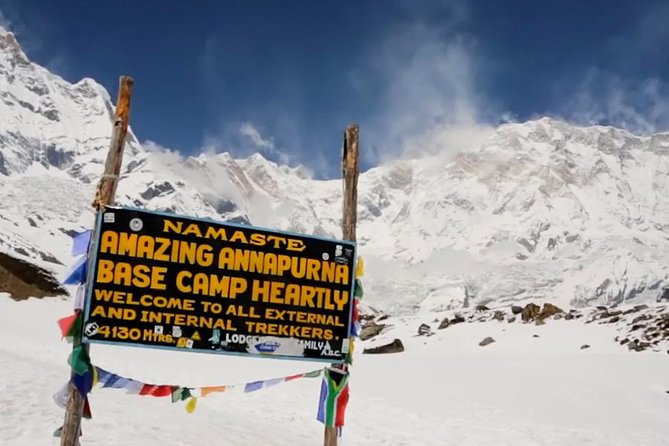
- Poon Hill sunrise timing: an early ascent to catch sunrise views over major peaks like Annapurna, Dhaulagiri, Nilgiri (7061m), and Lamjung Himal (6983m).
- Hot-spring payoff: Jhinu Danda shows up in the middle of the trek and again at the end of the mountain push for a warm reset.
- Bridge-and-forest rhythm: crossings over Modi River and Kimrong Khola, plus long stretches through rhododendron forest with orchids and ferns.
- Machhapuchhre Base Camp day: you’ll reach Machhapuchhre Base Camp (3700m) and later return via moraine routes and a river trail.
- Support that goes beyond just walking: licensed English-speaking trekking guide, first-aid kits, and an oxymeter during the trek.
- Private group setup: only your group participates, which can make the pace and day-to-day needs feel more flexible.
From Kathmandu to Pokhara: the road that buys you breathing room
Day 1 is all about getting into position. You start in Kathmandu at 6:15 am, then drive to Pokhara via the Prithvi Highway on a tourist bus. It’s not the hike yet, but it’s a useful warm-up: you’ll watch rivers, terraced farms, and towns slide by, and you’ll have a clear runway into the trekking days ahead.
Why I like this kind of start is simple: it reduces the odds that you’re trying to do everything on day one—travel, altitude exposure, and effort—at the same time. Also, the included surface transfer (from and back to Kathmandu) means you’re not stitching together extra tickets while you’re already tired.
The main downside is the early start. If you’re the type who needs time to wake up properly, plan to handle the morning energy with snacks and water before you leave.
You can also read our reviews of more tours and experiences in Kathmandu.
Nayapul to Ghorepani: Modi River crossings and rhododendron stair climbing
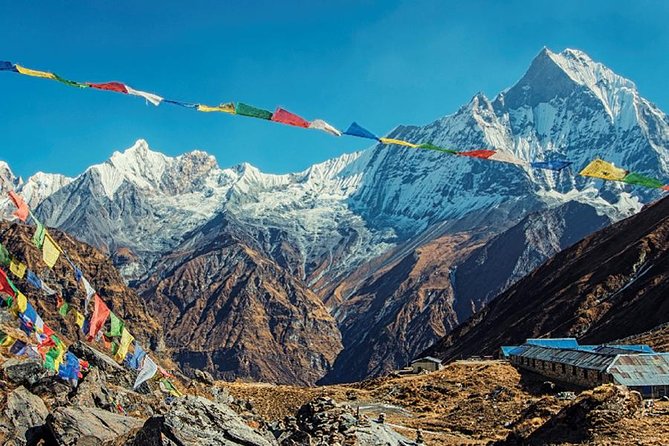
On Day 2, you drive from Pokhara to Nayapul (about a two-hour ride), then step onto the trail by crossing a suspension bridge over the Modi River. From there, you head toward Birethanti and continue on to Ghorepani.
This day matters because it sets your trekking rhythm. The trail is described as an easy start through thick rhododendron forest on Day 3, with village walking through places like Banthanti and Nangethanti. You also get ascending stone stairs and enter the village of Ghorepani—so even though it’s “easy,” it’s still realistic mountain walking.
A tip for enjoying these early days: don’t treat them like a warm-up you can rush. If you move steadily and pause for views and photos when they appear, the forest sections become the memory you’ll miss on the later, tougher days.
Poon Hill sunrise: the big payoff for early cold mornings
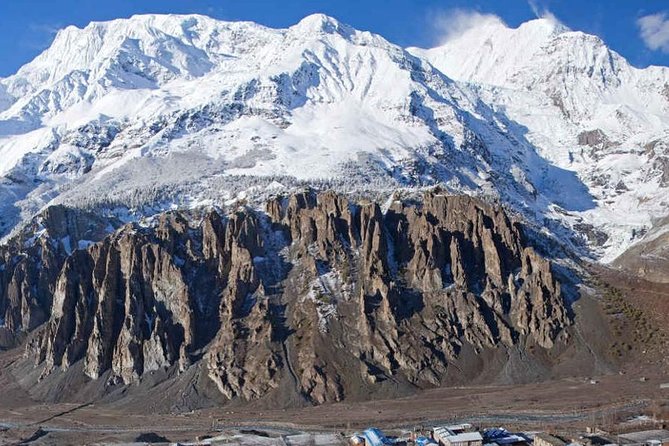
Day 4 is your iconic moment. You’ll start early and ascend toward Poon Hill to watch sunrise over the Annapurna and Dhaulagiri ranges, plus named peaks including Nilgiri (7061m) and Lamjung Himal (6983m) (as listed in the itinerary). The plan mentions snowy trails, which is your clue to expect cold conditions.
I like this setup because sunrise viewing is not a random add-on here—it’s built into the route. It also helps mentally: once you’ve seen the mountain lineup in morning light, the rest of the trek feels less like walking and more like following a map of sights.
The only real drawback is practical. Early starts in cold air can make you feel stiff even before the first uphill. Since the trek includes a down jacket and sleeping bag, you’re already set up better than you would be if you were renting or buying gear last minute.
The trek’s reset button: Jhinu Danda hot springs
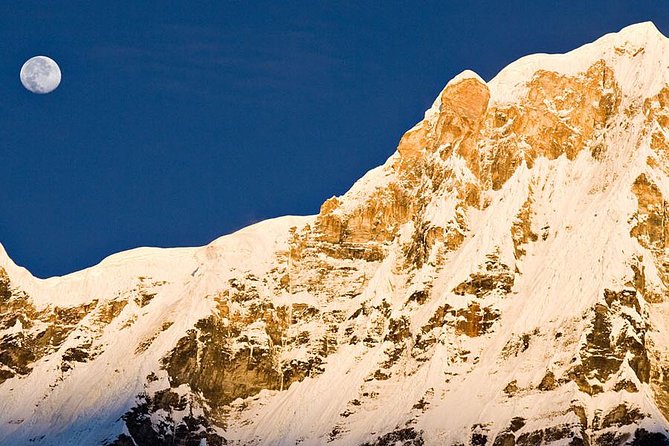
Day 5 shifts your focus from climbing toward recovery. After uphill and then downhill on a forested trail, you cross a suspension bridge over Kimrong Khola, then arrive at Jhinu Danda, where the itinerary calls out hot springs. You can take a short rest in the water before continuing.
Then Day 9 repeats the idea again, with a warm dip in the hot springs after descending back toward Jhinu Danda. Having two hot-spring stops is more than a cute perk. It gives you something tangible to look forward to on the days when your legs are tired and your motivation needs a little help.
If you plan on using the hot springs, treat it like part of your trek, not a bonus you squeeze in at random. Time your snack, change into dry layers, and keep your warmth in mind afterward—especially because the surrounding walking days still include stone steps and changing weather.
Chhomrong and Sinuwa: forest walking, river crossings, and altitude-building
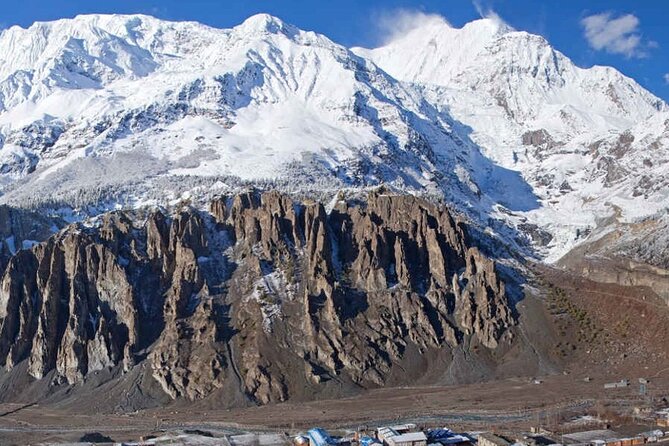
Day 6 keeps things straightforward and scenic. You’ll walk through rhododendron forest with orchids and ferns, descend stone stairs, cross Chhomrong Khola, then ascend to Sinuwa. After that, you continue through additional stairs and trail sections (the itinerary cuts off mid-description, but the structure is clear: repeated step sections and consistent changes in elevation).
Day 9 continues that same pattern in a new direction. You first ascend through an “amusing forest” to Sinuwa, then head down to Chhomrong Khola. Next comes the stair section to upper Chhomrong, followed by a descent toward Jhinu Danda for the hot-spring soak.
Why this segment is worth paying attention to: it’s where many people feel the trek becoming a real test of endurance. The route doesn’t just throw you uphill nonstop—it cycles between down sections and up sections, which can feel easier on your body than a single long grind. Still, those stone stairs add up.
Deurali to Machhapuchhre Base Camp (3700m): when the trek turns serious
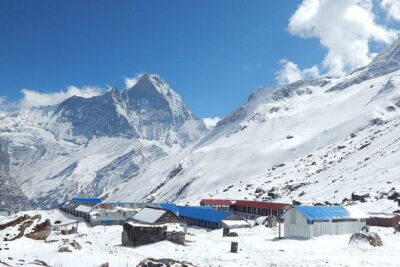
Day 7 is one of the key altitude-building days. You ascend to Deurali, then walk along stone stairs toward a viewpoint area before reaching Machhapuchhre Base Camp (3700m). The itinerary also mentions following moraines afterward, which is a big clue you’re dealing with more rugged terrain than the gentler village-to-village legs.
Day 8 gives you a different feel. You start by descending to Machhapuchhre Base Camp through the moraine route, then follow trails along Modi Khola through rhododendron and fir forest. That combination—moraine terrain one day, forest river trail the next—keeps the trek from becoming monotonous fatigue.
A practical consideration here: weather can shape what the mountains look like and how pleasant the trail feels. Since this experience requires good weather, don’t assume you’ll always get clear views or easy footing. If the weather is uncertain, trust the guide’s timing and keep your pace steady rather than forcing it.
Finishing loop: upper Chhomrong to Nayapul, then the return to Kathmandu
Day 10 is the transition from trekking to travel. You descend to Nayapul following trails along Modi Khola, then drive back to Pokhara. The itinerary notes that in the evening you can choose to relax, though details aren’t specified.
Day 11 brings the final transfer back to Kathmandu by tourist bus early in the morning. The drive is described as passing greenery and villages along the highway, and you’ll arrive in the capital to end where you started.
What I like about the finish is that it’s structured. You don’t get dumped into an unscheduled day without a plan. You also get a clear end point, so you can plan flights or onward travel with less guesswork.
Price and what you truly get for $986: the value check
At $986 per person, this 11-day plan isn’t a “bare bones” trek. It includes several big-ticket items and the actual backbone of the experience: trekking permits and fees, accommodation in guest houses, an English-speaking licensed guide, and the daily meals spelled out in the package (10 breakfasts, 9 lunches, 8 dinners).
It also includes practical equipment that many people have to buy or rent separately: a down jacket, sleeping bag, and duffel bag. That’s the kind of value that matters because those are bulky items, and last-minute sourcing in Nepal isn’t everyone’s idea of stress relief.
For comfort and logistics, you get surface transfers from and to Kathmandu, and you’ll stay in the best available guest houses, mainly in twin sharing. Private group setup can also be a quiet advantage—less time spent compromising in a crowded schedule.
What’s not included matters too. The package does not cover alcohol, hot and cold drinks, laundry, your travel insurance, personal trekking equipment, or international airfare and airport departure tax. It also notes that tips for trekking staff are not included. If you’re budgeting, build those into your total cost from the start so nothing surprises you at the end.
Guides, support, and the one thing to watch for
The most praised element in the provided feedback is how well the trek team looks after the details. Names that come up include Prakash and Dhakal Saroj, with specific mentions of guides being patient, polite, and helpful—especially for people doing a long trekking route for the first time.
There’s also a positive theme of hospitality and organization, with the team arranging hotels and transfers smoothly. And since the itinerary includes an oxymeter to check pulse and oxygen saturation and heart rate, you’re not just on your own to guess how you’re handling altitude-related strain.
Still, there is one caution worth respecting: at least one past experience described a guide as not being professional for a first-time solo trek. I can’t promise that won’t happen again for anyone, so here’s the practical fix: before you commit to the full trek plan, clarify your expectations with your guide on day one. Confirm your walking pace, what you’ll do for cold discomfort, and how often you’ll check in during the tougher stair sections.
Who this Annapurna Base Camp trek is best for
This is best for you if you want a classic Annapurna Base Camp route with structured days, support that handles permits and permits-related admin, and an itinerary that includes iconic moments like Poon Hill sunrise and Jhinu Danda hot springs. It also fits well if you prefer a private setup where your group is the focus.
It may be less ideal if you strongly dislike early morning departures, or if you’re not comfortable with stair-heavy walking and frequent elevation changes. The itinerary is built around that rhythm: forests, bridges, stone steps, and river valleys.
Should you book this 11-day Annapurna Base Camp trek?
I’d book it if you want a well-rounded route that balances big scenery moments with recovery breaks, and you value having key items included (down jacket, sleeping bag, duffel) plus permits, guide support, and daily meals handled for you.
Don’t book if your budget can’t stretch to what’s not included (especially travel insurance and personal trekking equipment), or if you’re likely to struggle with early starts and stone-stair days. If that’s you, consider a shorter or gentler route instead of forcing this one.
FAQ
How long is the Annapurna Base Camp trek?
It’s listed as 11 days (approx.).
Where does the trek start and end?
It starts and ends back at the Kathmandu meeting point.
What time does the experience start?
The start time is 6:15 am.
Is this trek private?
Yes. It’s a private tour/activity, meaning only your group participates.
What’s included in the price?
Included items include trekking permits and fees, guest house accommodation (mainly twin sharing), a licensed English-speaking guide, daily meals (10 breakfasts, 9 lunches, 8 dinners), an oxymeter, and first aid kits. It also includes surface transfers from and to Kathmandu and trekking gear like a down jacket, sleeping bag, and duffel bag.
Are trekking permits included?
Yes, all necessary trekking permits and entry fees are included.
Does it include an oxygen meter check?
Yes. The package includes an oxymeter to check pulse and oxygen saturation and heart rate.
What lodging can I expect during the trek?
The itinerary states you’ll stay in the best available guest houses during the trek, mainly in twin sharing.
What’s not included?
Not included are alcoholic and other drinks, laundry, travel insurance, personal trekking equipment, international airfare and airport departure tax, and tips for trekking staff.
What if the weather is poor?
This experience requires good weather. If it’s canceled due to poor weather, you’ll be offered a different date or a full refund. Free cancellation is also available up to 24 hours in advance for a full refund.