REVIEW · CUSCO
From Cusco: Salkantay Trek to Machu Picchu 5D/4N or 4D/3N
Book on GetYourGuide →Operated by MACHU PICCHU JUNGLE · Bookable on GetYourGuide
Salkantay to Machu Picchu is a long wow. What makes this route appealing is the mix of big altitude moments (Salkantay Pass) and scenic variety like Humantay Lake. You’ll also get a real guided Machu Picchu visit with circuit options, but the biggest drawback to plan around is timing: Machu Picchu tickets and entry circuits can affect how smoothly your final day runs.
I like that this trek is structured for hikers who want comfort where it matters (a chef, hot food, and a camp setup) without turning the day hikes into a luxury bus tour. Your group day-by-day pacing is also clear, from 4:30 a.m. departures to a late-day arrival in Aguas Calientes.
One more thing to consider: this is an altitude-heavy itinerary (up to 4,630 m on Day 2), so you should be honest with yourself about pace, hydration, and how your body handles the climb.
In This Review
- Key things to know before you go
- Salkantay to Machu Picchu: why this route feels worth the effort
- Day 1: Cusco to Mollepata, Soraypampa, and Humantay Lake at 4,200 m
- Day 2: Salkantay Pass at 4,630 m and the changing landscape drop to camp
- Day 3: Rainforest walking to La Playa, then Cocalmayo hot springs
- Day 4: Llactapata over Machu Picchu, Hidroeléctrica lunch, and Aguas Calientes basecamp
- Machu Picchu morning: circuits 2A/2B vs 3B vs 1B
- Price and logistics: what $50 covers and what you’ll likely add
- Who this trek suits best (and who should think twice)
- The people part: when the guide and cooking matter
- Should you book this Salkantay to Machu Picchu tour?
- FAQ
- What time is pickup in Cusco?
- How many days can I choose, and what changes?
- What Machu Picchu circuit options are available?
- Do I need to pay extra for Machu Picchu and nearby transport?
- Is Humantay Lake entrance included?
- Are meals included during the trek?
- What gear is provided or available to rent?
Key things to know before you go
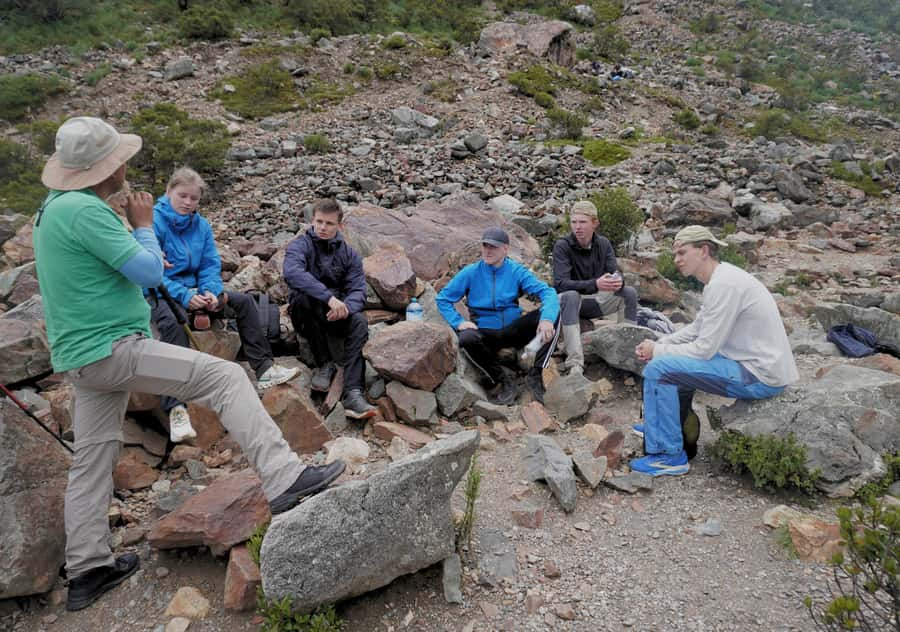
- Salkantay Pass at 4,630 m: the high point is the main physical challenge and the view reward.
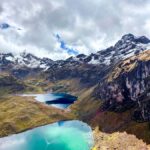
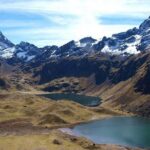
- Humantay Lake at 4,200 m: turquoise-color payoff after a steep hike.
- Cocalmayo hot springs: a true recovery moment after rainforest walking.
- Llactapata on Day 4: an archaeological stop that looks down toward Machu Picchu.
- Machu Picchu circuit choices: 2A/2B is the full popular route; 3B and 1B offer different viewpoints.
- Food support on the trek: a chef, cooking gear, and tea/coca tea help keep energy steady.
Salkantay to Machu Picchu: why this route feels worth the effort
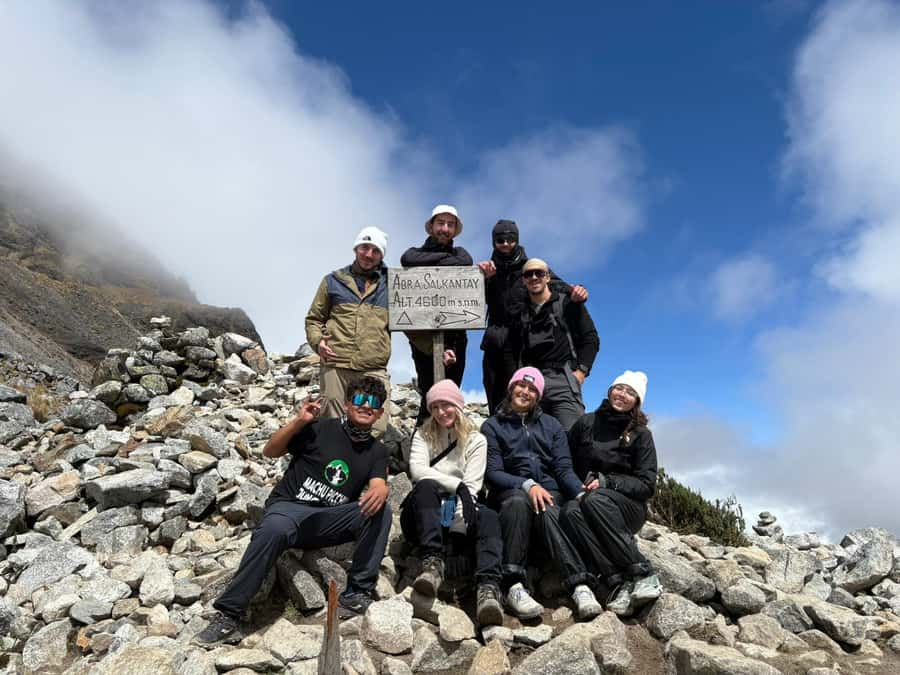
This trek works because it doesn’t treat Machu Picchu like the only highlight. Yes, you’ll end at the world-famous citadel. But the route builds anticipation the right way: first you earn your altitude, then you move through different climates, and only at the end do you hit the main site.
The Salkantay part also gives you that sense of being in the Andes, not just walking near them. You’ll start high, drop, climb again, and watch the landscape change from mountain trails to rainforest terrain. That shift matters. When the vegetation and weather change, your hike feels like it actually goes somewhere.
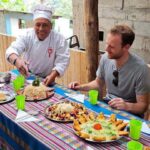
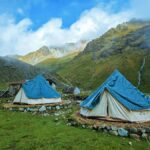
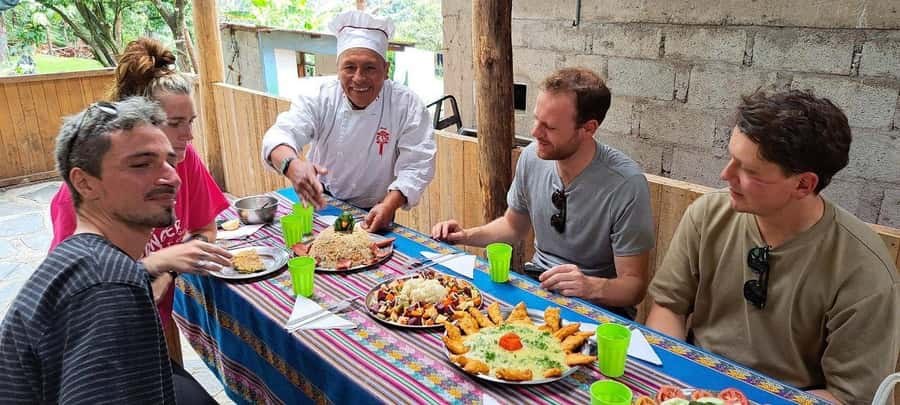
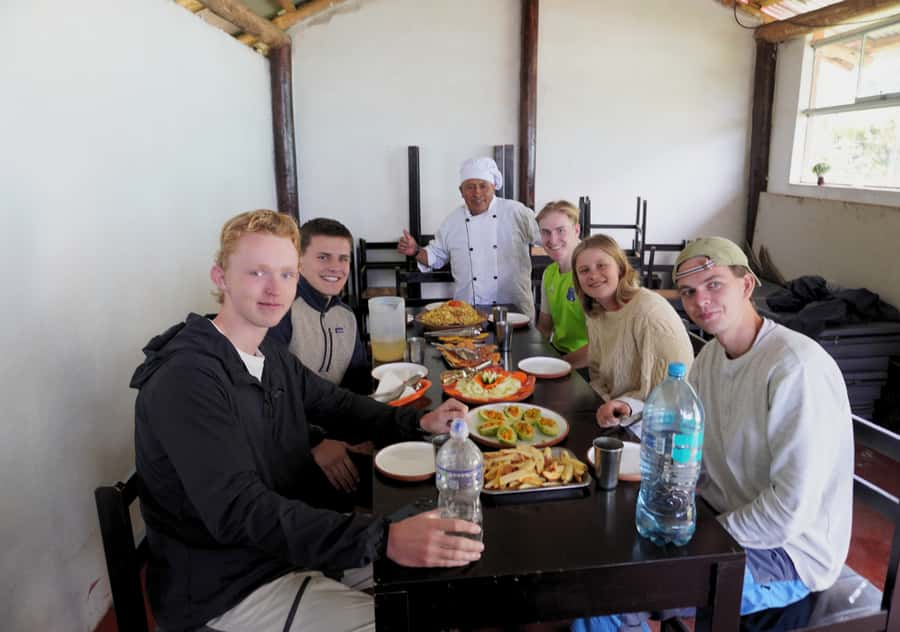
I also like the practical setup. Your trek day isn’t just “hike and hope.” There’s a professional chef and cooking equipment for camp meals, plus coca tea to wake up each morning. There’s even tea-time snack breaks each afternoon (popcorn, cookies, chocolate, and coffee). It’s small, but on a multi-day trek, it helps you stay fueled instead of fading halfway through the afternoon.
The other big plus is the way your gear is handled. You’ll get a duffel bag allowance for 6 kilos, and a horse carries it along with cooking equipment. That means you hike with less weight on your back than you would on many self-guided routes.
You can also read our reviews of more tours and experiences in Cusco.
Day 1: Cusco to Mollepata, Soraypampa, and Humantay Lake at 4,200 m
Your day kicks off early, with pickup around 4:30 a.m. in Cusco. Then you’ll have about a 3-hour scenic drive to the trailhead area. If you’ve ever started a trek at dawn in the Andes, you already know the drill: it’s cold before it’s warm, and you’ll want to have your layers ready.
After breakfast in the Cusipata District, you begin the hike to Soraypampa (3,800 m). The schedule puts this at about 3 hours. Soraypampa is more than a waypoint. It’s where your body starts adjusting to altitude before you go higher.
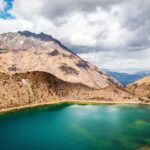
Then comes the Humantay Lake push. After lunch, it’s about 2 hours up to Laguna Humantay (4,200 m). Expect views to stop you mid-step. From a practical standpoint, this is also where you’ll learn how your breathing is coping at elevation. Slow pace, frequent sips of water, and not going too fast will help.
The final part of Day 1 continues with another 2 hours to camp, where you’ll spend the night. Dinner is included, and the vibe is simple: finish the day, eat well, and recover under the night sky.
Possible drawback to plan around: Day 1 is a lot of hours above 3,800 m. Even though it’s not the highest day, it’s still an acclimatization day disguised as a normal trek day. If you’re prone to altitude headaches or fatigue, take it easy on the first climb.
Day 2: Salkantay Pass at 4,630 m and the changing landscape drop to camp
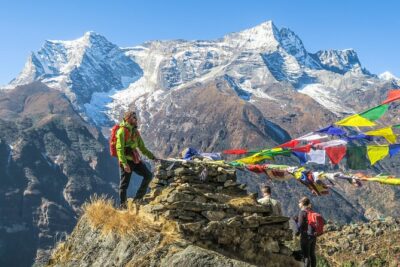
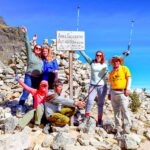
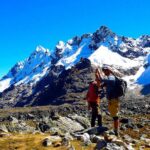
Day 2 is the signature challenge. You’ll wake up with coca tea (included), then hike for about 3 hours to the highest point on the route: Salkantay Pass (4,630 m).
This is where you should focus on rhythm, not speed. The schedule suggests you’ll enjoy breathtaking views up high, plus a visit to a nearby lake. In real terms, this portion can feel longer than the clock says because altitude slows you down.
After the pass, you descend for around 3 hours to Wayracmachay, with lunch included there. The big value of this stop is that it breaks the day into two halves. Even when you’re tired, you know lunch is waiting.
Then you keep descending for another 3 hours until you reach your campsite at either Chayllay or Collpapampa (2,770 m), near a local village. That altitude drop is huge. It also means the air feels different fast, which is why Day 2 often feels like two hikes in one.
A smart consideration: bring rain gear. Weather can shift quickly at these elevations, and the itinerary implies that Day 2 passes through changing climates. If your layers are weak or your rain protection is missing, the day can feel colder than it looks.
Day 3: Rainforest walking to La Playa, then Cocalmayo hot springs
Day 3 shifts gears. You’ll start after breakfast and walk along trails through the rainforest area of Santa Teresa. Instead of high-Alpine steps, you get a more tropical vibe: wooden bridges, waterfalls, and farmland planted with bananas, passion fruit, and avocados.
The hike continues until you reach La Playa, where you enjoy a buffet lunch. Then the day splits based on trek length. This is also the point where the shorter itinerary group is no longer on the same schedule, so you’ll notice the logistics change later.
For most people, the best part of Day 3 is the recovery. In the afternoon, you can visit Cocalmayo hot springs (entrance and local transport to the springs are not included; the itinerary gives a per-person charge for hot springs). If you’ve done long mountain days before, you know the drill: hot water helps your legs feel human again.
After that, there’s dinner at camp, plus a group bonfire. You’ll then return to your room to rest. It’s a nice pacing choice. Day 4 ends with moving into Aguas Calientes, so you want your body ready for the final hiking push.
Tip that matters here: if you plan to soak at Cocalmayo, don’t go right after a super heavy lunch. Give yourself a little time to settle first, then enjoy the springs when you’re ready.
Day 4: Llactapata over Machu Picchu, Hidroeléctrica lunch, and Aguas Calientes basecamp
Day 4 is a mix of archaeology and travel logistics, which is exactly what you want before Machu Picchu.
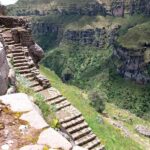
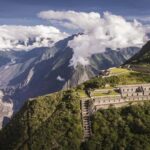
After breakfast, you hike part of the original Inca Trail to Llactapata (2,700 m). The climb is about 2 hours, and Llactapata is an archaeological site with views overlooking Machu Picchu. The value of arriving here is psychological as much as scenic. You’ll see the “Machu Picchu shape” before you’re inside it.
Then you descend for about 2 hours to Hidroeléctrica for lunch. From there it’s walking onward to Aguas Calientes, where you check into your accommodation and have dinner with the group around 7:00 p.m.
Why this day matters: it turns Machu Picchu from a distant dream into an immediate schedule. You’re in Aguas Calientes, you’ve eaten, and you can actually rest without feeling like you still have to hike for hours.
Possible drawback: this is a day where you’ll still be moving after you’ve already had a big climb and a high view stop. Don’t plan extra activities in Aguas Calientes on Day 4 unless your legs feel strong. Save your energy for the early Machu Picchu morning.

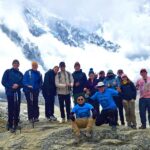
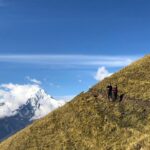
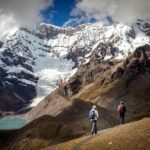
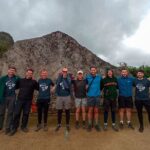
Machu Picchu morning: circuits 2A/2B vs 3B vs 1B
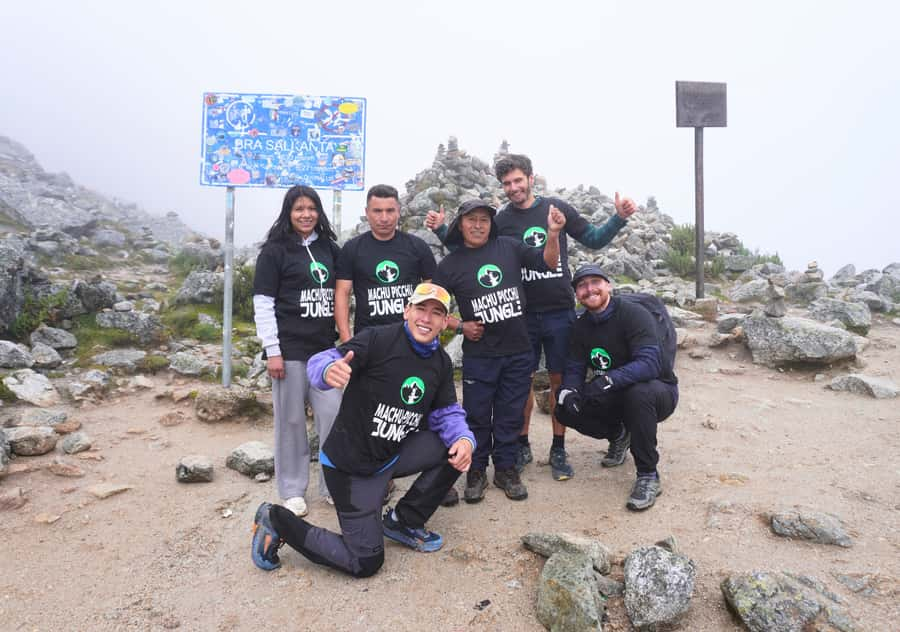
Your Machu Picchu morning is set up like an early entry for the day. After an early breakfast, you climb stairs for about an hour to the main gate. The schedule suggests arriving around 6:30 a.m. That timing helps you start the visit before the site gets crowded.
You get a guided tour of 2.5 hours, and the itinerary mentions circuit choices:
- Circuit 2A or 2B: full visit to Machu Picchu. This is the most popular option.
- Circuit 3B: lower stop at Machu Picchu, a middle viewpoint, and sacred temples.
- Circuit 1B: upper terrace, often the one people associate with the classic photo angles.
Here’s how to think about it as a decision you’re making, not just a ticket detail. If you want the standard route that shows you the main complex in a logical flow, choose 2A or 2B. If you prefer a shorter or more viewpoint-focused experience, 3B or 1B can make sense—especially if your mobility is limited or you’re feeling altitude fatigue.
One more important note for your planning: your Machu Picchu entry depends on ticket availability through the Peruvian government website. The tour provides a reservation approach during the briefing, and if tickets aren’t available, you may need to purchase entrance locally in Aguas Calientes with cash and your passport.
Practical reality check: if your entry ticket situation doesn’t get sorted ahead of time, you could end up needing a few extra days just to purchase the ticket in person. The itinerary even warns that additional days may not include meals or accommodation—so plan time cushion when you can.
Price and logistics: what $50 covers and what you’ll likely add
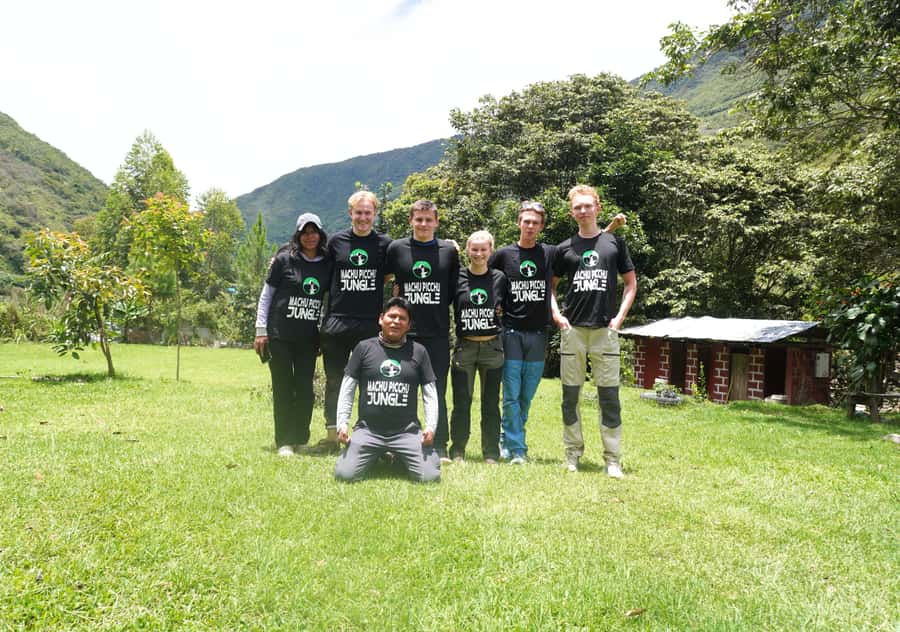
The listed price is $50 per person, but you should budget like a smart hiker, not like a gambler.
Included items are valuable: guide support (English/Spanish/Portuguese), private group format, private transportation for the start of the trek, the chef and camp cooking, daily meals (4 breakfasts/4 lunches/4 dinners for 5 days; 3 of each for 4 days), and the Machu Picchu guided tour with circuit 2A or 2B.
But these are the costs that are explicitly not included and can add up:
- Entrance to Humantay: PEN 20 per person.
- Machu Picchu entrance fee: listed as USD 60 per person (or Wayna Picchu, if that’s what you choose).
- Bus to/from Machu Picchu: USD 12 up and USD 12 down from Aguas Calientes.
- Hot springs: entrance fee (PEN 10 per person for entrance) plus transport price depending on group size.
- Trekking essentials if you don’t have them: sleeping bag rental (USD 15 for the entire trip) and trekking poles rental (USD 10 for the entire trip).
So is it good value? In my view, it can be, because a trek with a chef, camp meals, guide, and horse support usually costs much more than raw transportation. The key is making sure you don’t get surprised by the Machu Picchu day costs.
Also pay attention to one specific gear detail: duffel bag transfer from Lucmabamba to Aguas Calientes isn’t included. You may carry your bag yourself or arrange car transport.
If you’re traveling tight on budget, do this math early:
- Add Humantay entrance + Machu Picchu entrance + bus round trip.
- Add hot springs if you want the soak.
- Add rentals only if you truly need them.
Who this trek suits best (and who should think twice)
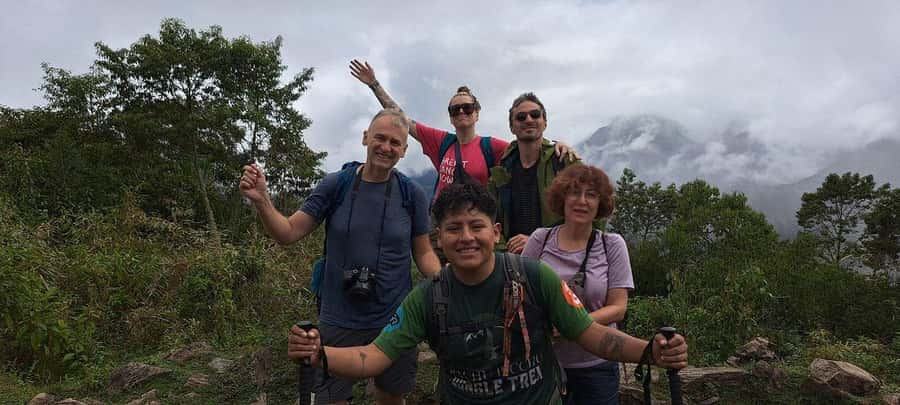
This tour is best for people who want a structured, guided Salkantay experience with a strong physical component, but without the stress of running a camp or figuring out every meal.
You’ll likely enjoy it if you:
- Like waking early and being on the trail while the day is still cool.
- Want variety: high pass day, then rainforest walking, then archaeology and Machu Picchu.
- Appreciate practical support like a chef, tea/snacks, and camp routines.
You might think twice if you:
- Know altitude hits you hard. Day 1 and Day 2 are both high, and Day 2 tops out at 4,630 m.
- Get uncomfortable with steep stair climbs. Machu Picchu includes a stair ascent from Aguas Calientes toward the main gate.
- Need a completely low-planning trip. Ticket availability and circuit assignment can create knock-on effects.
One more practical note: the tour is described as a private group and offers guide languages including English and Spanish (and Portuguese). That usually means smoother communication than a chaotic mixed-language group.
The people part: when the guide and cooking matter
Good treks run on more than views. They run on people who keep you moving and fed.
In one recent experience, the guide Fernandez was highlighted for being kind, experienced, and consistently helpful on the trek. The camp food also stood out, with Edgar cooking meals described as tasty and healthy. And there was a helper named Eulogio mentioned for being eager to support.
You can treat that as a signal, not a guarantee: this trek’s comfort depends on the human team behind the scenes. When the guide is steady and the cooking is dependable, your body tolerates the hard days better.
Should you book this Salkantay to Machu Picchu tour?
I’d book it if you want the classic Salkantay feel—mountain drama, Humantay Lake views, a rainforest change of scenery, hot springs recovery, and then a guided Machu Picchu day—without having to manage every camp and meal detail yourself.
I’d also book it if you’re serious about Machu Picchu timing. The itinerary is set for an early entry feel and includes a guided tour with circuit options. That helps you get more out of the site than wandering around with a map.
I’d pause and plan extra carefully if your main concern is Machu Picchu tickets. The tour specifically flags ticket availability issues and the need to purchase in Aguas Calientes if tickets aren’t available online. If your dates are fixed and you can’t handle delays, build in cushion.
Bottom line: this is a value-minded trek that still takes care of key parts—guiding, food, and camp basics—while leaving you to do the part you came for: hike, breathe, and earn the view.
FAQ
What time is pickup in Cusco?
Pickup is described as an early start around 4:30 a.m. for the trek’s first day.
How many days can I choose, and what changes?
You can do either a 5-day/4-night or 4-day/3-night version. The itinerary notes a point on Day 3 where the 4-day group turns off the longer schedule.
What Machu Picchu circuit options are available?
You’ll be assigned a circuit based on availability, including Circuit 2A or 2B (full visit), Circuit 3B (lower stop with a middle viewpoint and sacred temples), or Circuit 1B (upper terrace and classic photo angle).
Do I need to pay extra for Machu Picchu and nearby transport?
Yes. The tour states that the Machu Picchu entrance fee and the bus up and down from Aguas Calientes are not included, and you may need to pay for entrance depending on ticket availability.
Is Humantay Lake entrance included?
No. The entrance to Humantay is listed as PEN 20 per person and is not included.
Are meals included during the trek?
Yes. For 5 days: 4 breakfasts, 4 lunches, and 4 dinners are included. For 4 days: 3 breakfasts, 3 lunches, and 3 dinners are included.
What gear is provided or available to rent?
A sleeping bag and trekking poles are not included, but you can rent them: sleeping bag for USD 15 for the entire trip, and trekking poles for USD 10 for the entire trip.