REVIEW · CUSCO
6 day Rainbow Mountain x Ausangate Trek – FlashpackerConnect
Book on Viator →Operated by FlashpackerConnect LLC · Bookable on Viator
Six days in the Andes, then sunrise hits hard.
This trek pairs the big draw of Rainbow Mountain with the quieter, wilder Ausangate region—so you’re not just checking off a photo spot. I really like that everything is handled end to end: a fluent guide, camping setup, and meals so you can focus on the trail. I also like the pacing and support: you’re in a small group (max 8), sleeping in provided tents, and you even get an oxygen-ready first aid kit. One drawback to think about up front: you’re dealing with high altitude and long hiking days (including passes up to about 5,130m), so if you’re not fit and comfortable walking for hours, this will feel rough fast.
From Cusco, you start early (meeting time is 6:00 am) and you get private transportation to the trailhead, which keeps the logistics simple. On trek mornings, the routine is very clear: coca tea or coffee arrives early, breakfast follows, then you’re moving. And after the hike, the camps are set up for you—tents, sleeping bags, a portable toilet—so the day ends the right way instead of turning into campsite chaos.
The best way to picture the vibe: part big-mountain views, part Andean culture (hot springs, farmers, alpacas, animals along the way). Expect uneven ground, cold mornings, and weather that can change—this tour runs in all weather, so dress smart and don’t show up underprepared.
In This Review
- Key things you’ll notice on this trek
- Getting from Cusco to Tinqui: start with less stress
- Day 1: Tinqui to Upis (4200m) and a hot springs reset
- Day 2: Seven Lagoons of Ausangate and camp at Ninaparayuc
- Day 3: Qampa Pass (5051m) and the Qampa Valley descent
- Day 4: Palomani Pass (about 5130m) and the highest pass feel
- Day 5: Warmi Saya Pass and the long approach to Rainbow Mountain
- Day 6: Rainbow Mountain sunrise, then Red Valley and back to Cusco
- What you’re really paying for: $1,050 value check
- Fitness, altitude, and what to expect on trail
- Who should book this (and who should consider another option)
- Should you book FlashpackerConnect’s Rainbow Mountain x Ausangate trek?
- FAQ
- What time does the tour start?
- Is pickup from my Cusco hotel included?
- What’s included with the trek beyond the guide?
- Are meals included?
- Is there a vegetarian option?
- How big is the group?
- Is the booking refundable if I cancel?
Key things you’ll notice on this trek
- Small group size (max 8 travelers) with a fluent English/Spanish guide
- All meals included (5 breakfasts, 5 lunches, 5 dinners) plus coffee and coca tea
- Horseman and pack horses handle your gear (your personal duffel carried up to 6kg)
- High pass days including Qampa Pass (5051m) and Palomani (about 5130m)
- Emergency support built in, including a first aid kit with an oxygen tank
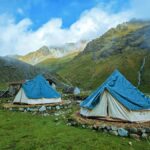
- Provided camping comfort, including a tent, sleeping bag, and a portable toilet
Getting from Cusco to Tinqui: start with less stress
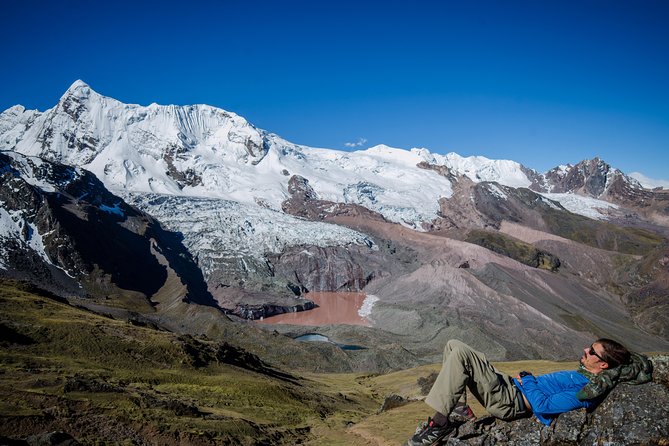
Your morning begins early. You meet at 6:00 am in Cusco, then you’re taken by private transport to the trek starting area in the hills near Tinqui. This matters more than it sounds. When you’re heading into high altitude trekking, shaving off confusion and time wasted helps you arrive calmer and ready.
On the first day, you stop for a local lunch after your gear is loaded onto pack horses. Then you begin walking toward the first camp, with just enough effort to settle into the rhythm before the altitude asks more from you.
Also, this is a tour built around a simple flow: you’re not checking bus schedules, booking permits, or figuring out what to eat each day. Instead, you’re given a mobile ticket and a plan, and your guide coordinates the route, camps, and meals. For a lot of hikers, that’s the real value—less admin, more time on the mountains.
You can also read our reviews of more tours and experiences in Cusco.
Day 1: Tinqui to Upis (4200m) and a hot springs reset
Day 1 is intentionally not a gut-check. You hike about 2–3 hours, arriving around the village of Upis. That shorter day does two useful things: it helps you adjust after Cusco and it gets your body moving without overloading you before the bigger pass days.
Here’s the real treat: you can take a soak in the hot springs after arriving. You’ll also get coca tea and a chance to relax your muscles before dinner. If you’re coming from sea level or you’re still feeling altitude in Cusco, this kind of recovery time isn’t a luxury—it’s smart.
Gear-wise, this is where you’ll appreciate the system. Your personal items go into a duffel bag and the horses carry that up to 6kg per person. Your daypack stays manageable, and you don’t need to become an amateur logistics expert. The tour provides tents and a sleeping bag, so your evening is mostly about warming up, not assembling camp gear under cold air.
Day 2: Seven Lagoons of Ausangate and camp at Ninaparayuc
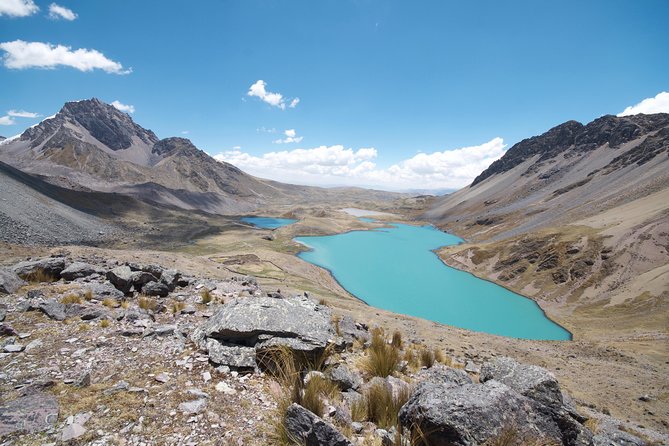
Day 2 starts early—wake around 5:00 am with coca tea or coffee delivered to your tent, followed by breakfast. Then the walking ramps up: about 5 hours and roughly 10 km toward the seven lagoons.
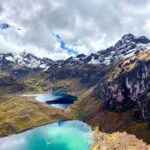
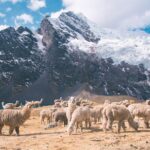
This is where the Ausangate region feels special. Along the route you pass local farmers, alpacas, and you get explanations from your guide about why this area is such a big deal. You might even spot animals like condors, chinchillas, and vicuñas (not guaranteed, but it’s part of the excitement).
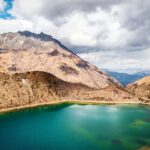
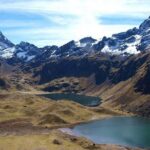
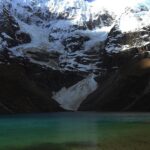
The lakes and the mountains can be visually intense, but the practical part is this: the lagoons give you repeated pauses—places to stop, breathe, and take in where you are. That helps on a day where your body is working harder.
You finish at the campsite of Ninaparayuc, surrounded by tall peaks. After lunch and a rest, you’re encouraged to explore nearby lakes in the afternoon. That’s a small detail, but it’s a big quality-of-life upgrade: it’s not just hike, camp, sleep. You get time for photos and quiet wandering when the light is kinder.
Day 3: Qampa Pass (5051m) and the Qampa Valley descent
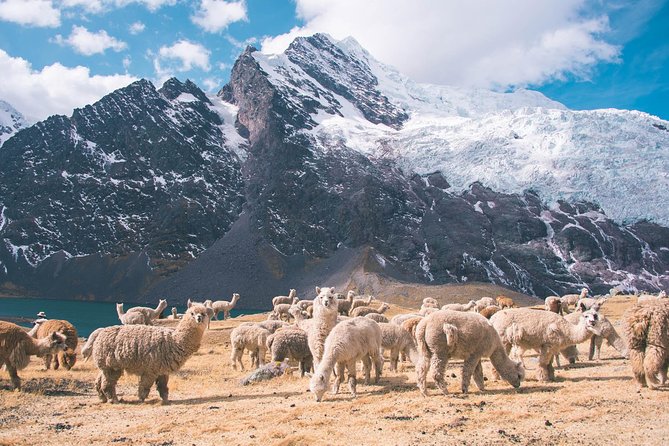
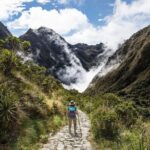
Day 3 is the first truly challenging one. You start with Qampa Pass (5051m), hiking up to a high point where the views reward your effort. You also get a pattern here that repeats across the trek: climb, break, then descend into a different mood of the Andes.
After the pass, you head down into the Qampa Valley, moving through terrain described as glacial and grazing-livestock country (think llamas). It’s a different kind of scenery than you get on day trips. You’re walking through places people live and work, not just walking to a viewpoint.
Lunch is at Surapampa, and in the afternoon you pass through an ancient moraine area while keeping an eye out for mountain chinchillas (Andean rabbits). Even if you don’t spot them, the instruction matters: slow down, scan the ground and slopes, and keep your curiosity alive.
The day ends at the campsite called Huchuy Phinaya. You’re looking at 7–8 hours of hiking and about 14 km. That’s a long day—so the value of having a professional setup (tents, chef-prepared meals, camp routine) shows up here. Dinner isn’t something you have to plan. It’s already taken care of.
Day 4: Palomani Pass (about 5130m) and the highest pass feel
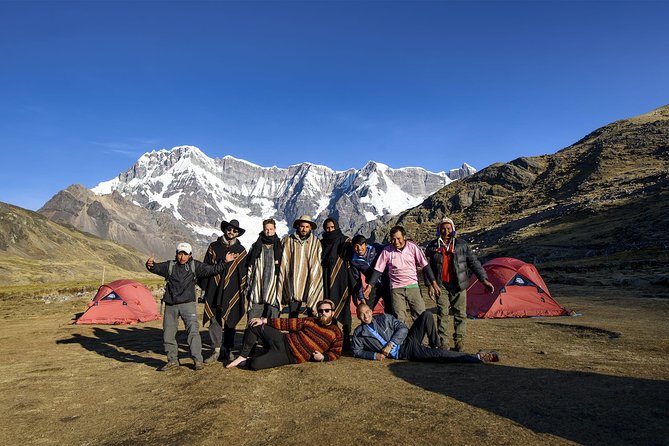
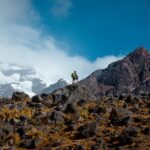
Day 4 climbs again, and it’s framed as the top pass day: Palomani sits around 5,130m and is described as the highest pass on the trail. Expect a climb that feels demanding, but also expect the kind of wide-open views that make the slow steps worth it.
After reaching the pass, you descend into the valley for lunch. The route is also described as traveling past multi-colored hills near Ausangate Mountain, plus glacial lagoons along the way. The practical takeaway: color and water help you judge distance. When you can see the valley and lagoons guiding you, it’s easier to keep a steady pace instead of watching only your feet.
In the afternoon you walk up for about 2 hours to the next camp, Puca Cocha at about 4,600m. Then you get tea time and dinner—another built-in recovery block. You’re at a high altitude camp, so this matters. Warm drinks and food aren’t just nice. They help you get through the night without feeling like survival mode.
This day is again roughly 7–8 hours and 14 km.
Day 5: Warmi Saya Pass and the long approach to Rainbow Mountain
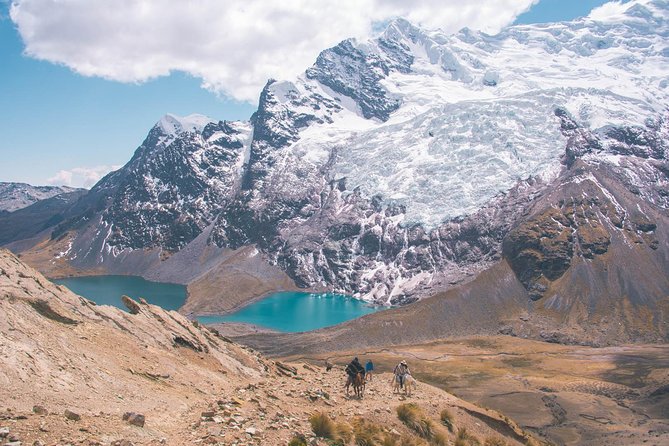
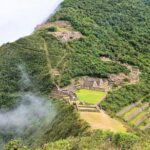
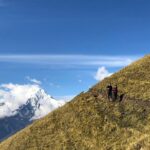
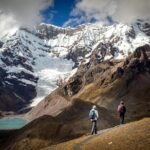
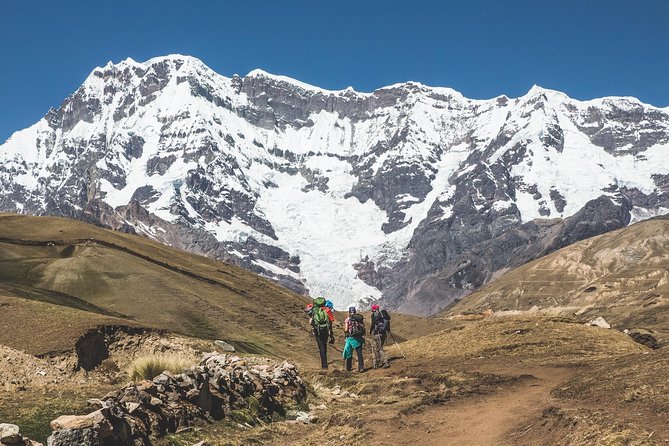
Day 5 starts with breakfast among the mountains, then you hike about 6–7 hours (around 13 km). The morning begins with Puca Cocha Pass (5051m) and continues through the Red Mountain Valley. You’re set up to see Mount Ausangate and colorful glacier lakes as you walk.
Then comes the second big climb: the Warmi Saya Pass. Here’s the moment hikers tend to care about most—during your ascent, you get views of Rainbow Mountain in the distance. Even if you’re excited, use that sighting like a mental checkpoint. You’ve still got a day’s effort between you and the sunrise moment, so keep your pacing conservative.
After you descend, you reach camp for lunch and rest. Day 5 is where you’ll feel the accumulated altitude fatigue. But you also have a big advantage: the tour structure stays consistent, so you know what’s coming next—meals, camp setup, and a guide to keep you moving safely.
Day 6: Rainbow Mountain sunrise, then Red Valley and back to Cusco
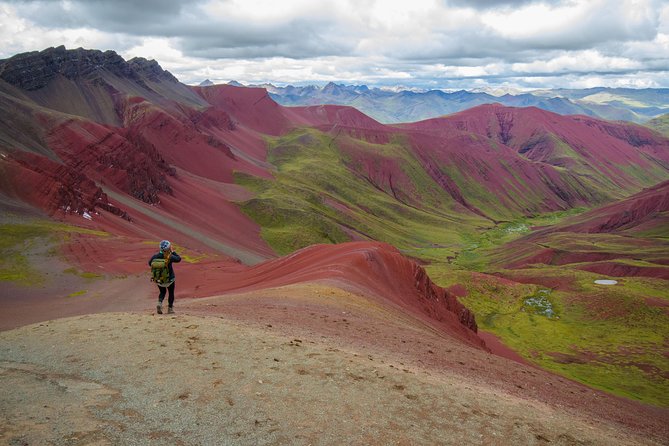
This is the day you’ve been waiting for. You wake up at 4:45 am with coca tea delivered to your tent. You hike about 45 minutes to 1 hour to reach Rainbow Mountain.
Once you arrive, you get time to explore and take pictures. The schedule allows around 30 minutes to 1 hour, depending on trekking speed and weather. Then you visit Red Valley (about 30 minutes), before heading to the bus station and catching your van back toward Cusco. You’ll be dropped off at your hotel around 3:00 pm.
This finish is one of the best things about the tour design. You get a sunrise-focused moment without turning the entire last day into a full-day march. And since your horses and chef are handled for the earlier days, your energy stays mostly focused on that special morning and not on end-of-trek logistics.
What you’re really paying for: $1,050 value check
At $1,050 per person for an approximately 6-day trek, the cost looks steep only until you break down what’s included.
Here’s what you avoid paying for or organizing yourself, based on what the tour includes:
- Private transportation to and from your Cusco hotel
- A fluent English/Spanish guide
- Fees to access private land
- A first aid kit with an oxygen tank
- Camping gear: tent and sleeping bag
- A chef handling meals (and the meals themselves: 5 breakfasts, 5 lunches, 5 dinners)
- Pack horses and a horseman carrying gear
- A portable toilet
- Snacks plus coffee and/or tea
- Duffel bags for personal belongings (carried by horses, up to 6kg)
That last point is sneaky-important. When horses handle your bulk, you walk lighter. That tends to make a high-altitude trek feel more manageable, especially on the pass days.
And yes, you’re still responsible for your personal trekking gear and your own backpack, plus you won’t be riding the horse—so bring a daypack plan you’re comfortable with. But overall, the value here is the “turnkey” nature: you’re paying for people, systems, and food so you can spend your limited energy where it belongs—walking and adapting to altitude.
Fitness, altitude, and what to expect on trail
This trek is for people with strong physical fitness. Hiking times range roughly from 2–3 hours on the first day to 7–8 hours on the harder days, with passes at around 5,051m and 5,130m. The route is also uneven, and the tour notes it’s not recommended for those with walking disabilities.
So the best preparation advice is simple:
- If you can’t comfortably hike for 6–8 hours on uneven ground, train before you go.
- If altitude makes you miserable, plan to take it slow early. The trek does include early starts and high points, so your body needs time to adjust.
- Dress for all weather. The tour operates in all weather conditions, which means you should pack layers and be ready for cold, wind, and changing conditions.
Also keep your expectations realistic: Rainbow Mountain is your peak moment, but the trek is the whole arc. The reward comes from doing it in stages—hot springs reset, lagoon day, pass days, then sunrise.
Who should book this (and who should consider another option)
This trek fits best if you:
- want a real multi-day hike instead of a one-day sprint
- like structured support—small group, guide, camp setup, meals handled
- are excited by animals and Andean life elements you can actually see on foot (alpacas, farmers, possible wildlife sightings)
- want Rainbow Mountain without it feeling like a tourist shuffle
You might rethink it if you:
- hate long days of walking, especially with passes at altitude
- need a fully accessible route (uneven ground is part of the plan)
- need a flexible itinerary with easy changes, since the experience is non-refundable and cannot be changed for any reason
Should you book FlashpackerConnect’s Rainbow Mountain x Ausangate trek?
If you’re an active traveler who wants big high-mountain scenery plus the comfort of a guided, included setup, I’d say this is a strong match. The small-group size, provided tents and sleeping bags, chef-made meals, and the oxygen-ready safety approach are all practical upgrades that make a tough trek feel more doable.
My main caution is not about the route—it’s about risk management. High altitude days and long walks aren’t forgiving if you wait until the last minute to assess fitness or if your plans are uncertain. If your schedule is locked and you’re ready for the altitude work, this is the kind of Andes trek that earns its photos the hard way.
FAQ
What time does the tour start?
The meeting start time is 6:00 am in Cusco. On trek days you’ll also have early wake-up times, like around 5:00 am on Day 2 and 4:45 am on Day 6.
Is pickup from my Cusco hotel included?
Yes. The tour includes private transportation to and from your hotel in Cusco.
What’s included with the trek beyond the guide?
You get a fluent English/Spanish guide, first aid kit including an oxygen tank, snacks, coffee and/or tea, tents and sleeping bags, a portable toilet, and horseman/pack horses to carry your gear.
Are meals included?
Yes. Breakfast, lunch, and dinner are included for the trek days listed (5 breakfasts, 5 lunches, and 5 dinners).
Is there a vegetarian option?
Yes. A vegetarian option is available if you advise at the time of booking.
How big is the group?
This trek has a maximum of 8 travelers. There is also a minimum of 2 people per booking.
Is the booking refundable if I cancel?
No. This experience is non-refundable and cannot be changed for any reason.