REVIEW · CUSCO
4 Day Inca Trail Trek to Machu Picchu Multi day tour
Book on Viator →Operated by Inca Trail Machu · Bookable on Viator
The Inca Trail has a way of changing your pace. This 4-day hike from Km 82 to Machu Picchu threads ancient Inca roads, climbs to Dead Woman’s Pass, and ends at the Sun Gate with a proper guided visit.
I particularly like how the trip packages the hard stuff—permits, Machu Picchu entry, a guide, and camp logistics—so you can focus on your feet and your breathing. I also like the support setup: your duffel is carried by a personal super porter, while the team handles food and camping gear.
Here’s the tradeoff: it’s not a casual stroll. You’re climbing to 4,215 meters (13,828 feet), starting early (around 4:30 am), and you’ll need real fitness plus the right gear like a sleeping bag.
In This Review
- Key takeaways before you commit
- Why this 4-day Inca Trail route still feels special
- Day 1: Cusco pickup, Urubamba Valley drive, and your first real step at Km 82
- Day 2: Dead Woman’s Pass (Warmiwañusca) and the Pacaymayo campsite reset
- Day 3: From Runkurakay to Sayacmarca, then Phuyupatamarca and Wiñay Wayna
- Day 4: Checkpoint to Sun Gate, then Machu Picchu with a guided visit and return transport
- What you’re really paying for: $930 value breakdown
- Altitude and pacing: what to expect in your body
- Camping comfort (and what “included” actually means)
- The guide matters: how staff names show up in the experience
- Who this trek is best for
- Should you book this Inca Trail trek?
- FAQ
- What time does the tour start?
- How long is the trek and where does it start?
- What is the highest point on the route?
- How many people are in the group?
- What meals are included?
- Is camping equipment included?
- How do you return after Machu Picchu?
- What is not included that I should budget for?
- What if my plans change and I need to cancel?
Key takeaways before you commit
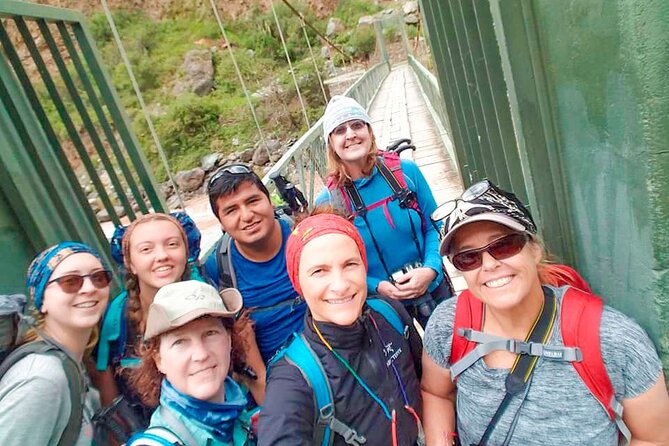
- Dead Woman’s Pass (Warmiwañusca) is the altitude headline at 4,215 m, with big views as the reward.
- Sun Gate + Machu Picchu guided tour on Day 4 makes the finish feel meaningful, not just photo stops.
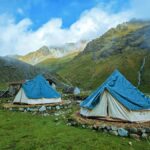
- Camping is handled for you: tents, mattresses, cooking setup, and a toilet tent are included.
- Duffel weight control: your personal duffel bag is limited to up to 7 kg carried by your super porter.
- Small group size (max 16) keeps the experience feeling organized and less like a stampede.
- $930 includes a lot (permits, entry fees, transport to/from Machu Picchu), but you still bring your sleeping bag and tips.
Why this 4-day Inca Trail route still feels special
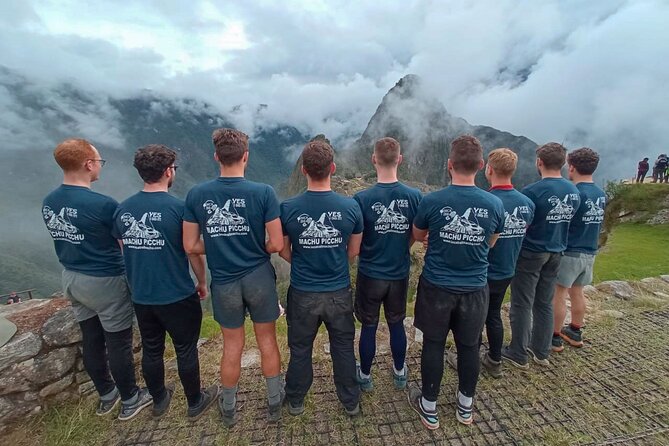
This is the kind of trek where the “famous” part is earned. The route runs about 42 km (26 miles) over four days and moves through changing terrain—from high mountain climbing to cloud-forest vibes and down toward subtropical jungle edges.
What matters for you: this itinerary doesn’t treat Machu Picchu as a random add-on. You’re hiking archaeological sections along the way, then you finish with a first sighting from Inti Punku (Sun Gate). That arc turns your effort into a story you can feel in your legs.
Also, the group stays capped at 16 people, which helps your guide manage pacing and rest breaks. And if you’ve ever had a trek where you’re constantly waiting on stragglers, this structure usually helps.
You can also read our reviews of more tours and experiences in Cusco.
Day 1: Cusco pickup, Urubamba Valley drive, and your first real step at Km 82
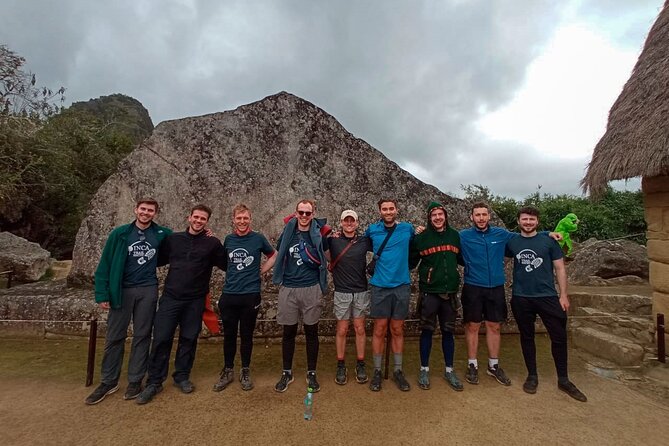
The day starts early—your pickup is timed for a 4:30 am start. You’ll ride out through the Urubamba Valley to the trailhead at Km 82, then cross the Vilcanota River before you start hiking.
Your first hike section is about 7.5 miles (12 km) and sits at a moderate level for Day 1. That “moderate” label is useful: it gives most people a chance to settle into rhythm without immediately smashing the climbs. The trail also runs along the Urubamba River banks, so you’re not just staring at the ground.
Along the way, you pass Huayllabamba and you may have opportunities to interact with local people. Those small moments are often what make the day feel human instead of just scenic.
Practical thought: Day 1 is also your best chance to get your packing system right. You’re carrying what you personally need for the day, but most of your duffel weight is planned to be carried for you.
Day 2: Dead Woman’s Pass (Warmiwañusca) and the Pacaymayo campsite reset
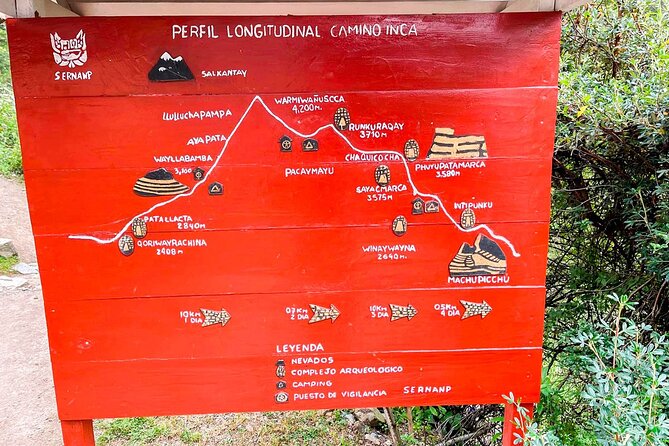
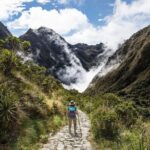
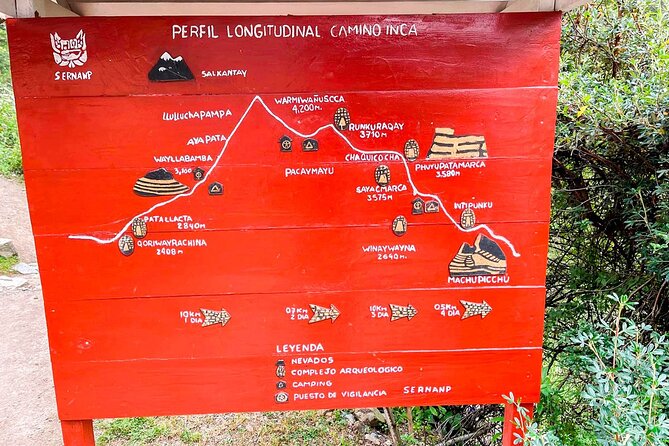
Day 2 is where the Inca Trail identity shows up. You wake early, eat breakfast, and begin a gradual climb toward the highest point of the trek: Warmiwañusca, also called Dead Woman’s Pass, at 4,215 meters.
This ascent can feel challenging. The good news is that you’re not rushing it as a single vertical sprint. You get a rest at the top—because yes, the views are the payoff. On the other side, you descend into the Pacaymayo Valley for the night.
One of the big reasons I’d pick this route setup is the scenery change. You move from high-altitude areas into cloud forest conditions where you can find orchids and bromeliads. Even if you don’t spot every plant, you’ll feel the shift: cooler air, more moisture, and that layered green atmosphere.
Your campsite at Pacaymayo sits in this greener zone, so the day ends less “rocky peak” and more “forest breathing.” If you’ve got any altitude anxiety, this is the day where a good guide makes the climbs feel controlled and the stops timed.
Day 3: From Runkurakay to Sayacmarca, then Phuyupatamarca and Wiñay Wayna
Day 3 keeps the structure of passes plus ruins, which is exactly what makes the Inca Trail more than a mountain hike.
You start uphill to the second pass, Runkurakay (3,970 m). After you reach the top, the trail drops into a cloud forest section and heads toward the ruins of Sayacmarca (3,624 m). This is one of those “walk and look” days. The ruins are staged in the terrain, so your sightlines change constantly.
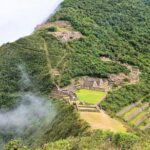
Then you continue toward the third pass: Phuyupatamarca (3,670 m). After that, you descend down to Wiñay Wayna, a major highlight known for agricultural terraces and ritual baths. It’s not just walls in the woods—it’s the Inca system of farming and water shaping, visible right where you’re walking.
You sleep at Wiñay Wayna, around 2,650 m, which means the air tends to feel friendlier than the high-pass days. You also get mountain views around camp, and that matters because it gives you a mental breather after two big altitude-focused climbs.
Time-wise, this day is listed around 6 hours, but don’t let that fool you. Pass days still take energy because your body is working harder at altitude.
Day 4: Checkpoint to Sun Gate, then Machu Picchu with a guided visit and return transport
Day 4 starts early again with breakfast. You trek to the checkpoint that gets you into the final stretch.
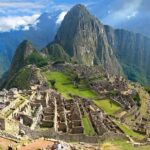
Then comes the moment that most people remember most: walking to Inti Punku (Sun Gate) for your first panoramic view of Machu Picchu. This is a “stop and stare” point. You’re not rushing it—this is the reason you climbed for multiple days.
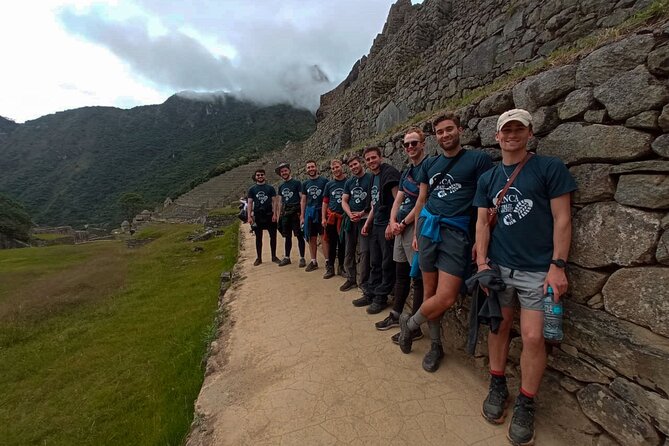
After you take in the views, you head to Machu Picchu itself for a guided tour of the ruins. You’ll learn context around the site’s rediscovery by Hiram Bingham in 1911.
After the guided portion, the logistics kick in so you’re not trapped in limbo: you take a shuttle bus down to Aguas Calientes, enjoy a celebratory lunch, then board the tourist train back to Ollantaytambo. A final bus ride brings you back to Cusco.
This “hike out, train back” structure is part of the value. You get the effort of trekking up, but you don’t also have to manage every transport step with your own planning.

What you’re really paying for: $930 value breakdown
At $930 per person, you’re paying for much more than a trail guide. Here’s what the price covers based on what’s included:
- Inca Trail permit and entrance fee to Machu Picchu
- Experienced tour guide plus a professional trekking chef
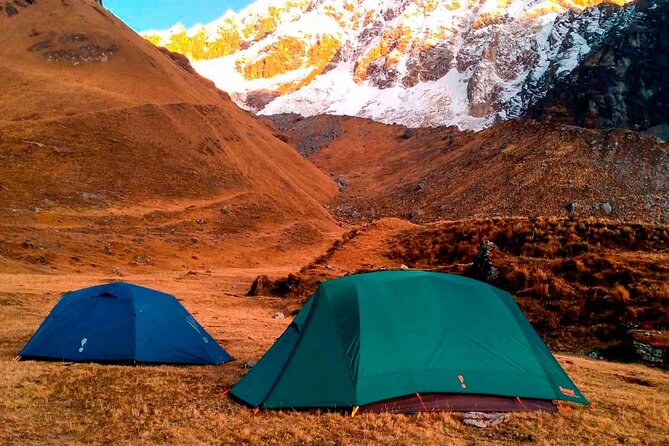
- Camping setup: 3 nights of camping (3x dinners, 3x lunches, 3x breakfasts), kitchen and dining tents, tables/chairs, gas bottle, toilet tent
- Sleeping comfort setup: Eureka tents (2 people per each 4-person tent) and a comfort sleeping roll mattress
- Your personal gear support: a personal super porter carries your duffel bag (up to 7 kg)
- Food-and-camp porters who carry cooking and camp equipment
- Water provided at every campsite by the chef
- Machu Picchu access and movement: shuttle bus down from Machu Picchu to Aguas Calientes, plus tourist train and bus transfers back to Cusco
- Extras that matter in real life: an emergency oxygen bottle in the first-aid kit, a plastic rain poncho, and a special t-shirt to remember the trek
- Optional bonus: you can sponsor planting native trees
What you should notice: a lot of the “hidden” costs are handled—permits, Machu Picchu entrance, and multiple transport legs. If you tried to DIY this, you’d spend time and stress figuring out permits, camp gear, and timing. Here, the package is doing that work for you.
What’s not included (so you can budget without surprises):
- First breakfast and last lunch in Aguas Calientes
- Sleeping bag (listed around $25)
- Hiking poles (listed around $20)
- A rest mattress inflatable option listed at $20
- Tips and extra souvenirs
- Peru travel insurance
Altitude and pacing: what to expect in your body
If you take only one thing from this review, take this: you climb to 4,215 meters. That’s the main physical barrier, not just the distance.
You’ll feel it in:
- breath control (especially on the long climb toward the pass)
- slower pace on uphill sections
- the way you sleep and recover in camp
The itinerary design helps because it spaces the big climbs across multiple days, with descents and camp nights in between. Still, you should show up with strong physical fitness, because you’re hiking in high-altitude conditions.
Practical advice: start Day 1 with the mindset that your job is to pace, not to win. If you go out too hard on the first day, Day 2 can punish you.
Camping comfort (and what “included” actually means)
A lot of trekking companies say “camping,” but the real question for you is: will you sleep enough to keep going?
This setup includes:
- Eureka tents, arranged so 2 people occupy each 4-person tent
- a comfort sleeping roll mattress
- a toilet tent
- kitchen and dining tents so you’re not eating in the cold
- water provided at every campsite by the chef
Also, your team handles the cooking equipment and camp setup, so you’re not stuck hauling gear. Your super porter deals with your duffel up to 7 kg, while other porters carry food, camp, and cooking gear.
Food is another big reason people enjoy this trek. You get full meals across the days (3 dinners, 3 lunches, 3 breakfasts), and the chef is part of what makes the rhythm work after long walking hours.
The guide matters: how staff names show up in the experience
This trek tends to succeed or fail based on how your guide manages pace, questions, and group energy.
In past departures, guide names included Nico Raul, Josias, Cesar Pérez, Plinio (also spelled Pliñio), Pepe (Pinyo), and César Coavoy, with chefs named like Clemente and Jesus, and support members like Leo showing up in accounts. The common thread is hands-on care—watching the group’s capabilities, keeping you informed about what you’re seeing, and helping when the route gets tiring.
What that means for you: if you want more than just a leader who holds a rope, this package is built around an interpretation of the trail and the ruins—not just footsteps.
Who this trek is best for
This is a great fit if:
- you want the full Inca Trail-to-Machu Picchu arc with Sun Gate and a guided ruins day
- you’re comfortable with early starts and sustained hiking
- you value structured support: porters, chef, tents, and included transport
You might want to rethink the fit if:
- you’re unsure about your ability to handle high altitude
- you hate the idea of sleeping in a tent for multiple nights
- you’re traveling light on purpose and don’t want to deal with a sleeping bag requirement (it’s not included)
Should you book this Inca Trail trek?
Book it if you want an organized, full-value trek where the expensive and logistically complex parts are handled for you: permits, Machu Picchu entry, camp setup, and the train + bus return. The $930 price makes more sense when you see everything inside it, not just the hike.
Don’t book yet if you’re not ready for altitude. Warmiwañusca at 4,215 m is the defining challenge, and your tour is built around people who can handle it. Also, you should plan for the gear and extras that aren’t included, like a sleeping bag and possibly hiking poles.
One more reality check: this experience is listed as non-refundable and can’t be changed if you cancel. So commit when you’re truly set on your dates.
FAQ
What time does the tour start?
The start time is listed as 4:30 am, with an early pickup from your Cusco hotel.
How long is the trek and where does it start?
It’s a 4-day trek, starting at Km 82 and following the Inca Trail route toward Machu Picchu.
What is the highest point on the route?
The highest point is Dead Woman’s Pass (Warmiwañusca) at 4,215 meters (13,828 feet).
How many people are in the group?
The maximum group size is 16 travelers.
What meals are included?
The trek includes 3 breakfasts, 3 lunches, and 3 dinners.
Is camping equipment included?
Yes. You’ll have 3 nights of camping with Eureka tents, a comfort sleeping roll mattress, a toilet tent, and the kitchen/dining setup.
How do you return after Machu Picchu?
You take a shuttle bus down from Machu Picchu to Aguas Calientes, then a tourist train to Ollantaytambo, followed by a bus back to Cusco.
What is not included that I should budget for?
Not included are the first breakfast and last lunch in Aguas Calientes, a sleeping bag (listed at $25), hiking poles (listed at $20), and an inflatable rest mattress option (listed at $20). Tips and travel insurance are also not included.
What if my plans change and I need to cancel?
This experience is non-refundable and cannot be changed for any reason, so the paid amount will not be refunded if you cancel or ask for an amendment.
If you want, tell me your hiking background (hours per week and any altitude history) and I’ll help you judge whether 4-day Inca Trail pacing sounds realistic for you.