REVIEW · CUSCO
Choquequirao Trek 4 days and 3 nights
Book on Viator →Operated by TreXperience · Bookable on Viator
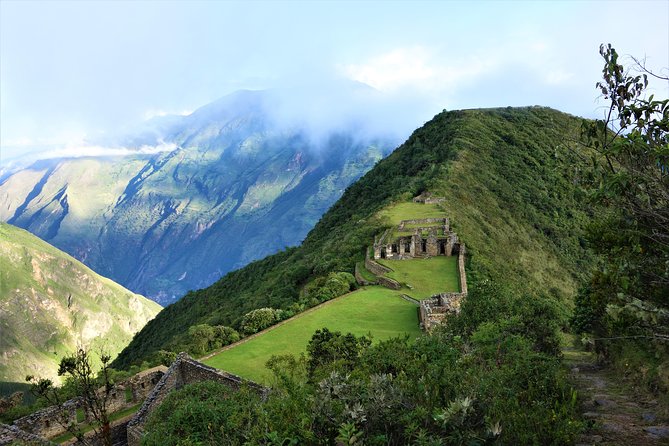
Choquequirao feels like a secret in the Andes. I like the hassle-free transfers from Cusco and the small-group feel capped at 12–16, which keeps the whole trip calm and personal. The only drawback is the effort: you’re hiking through real elevation changes, and sleep gear like a mattress or sleeping bag is optional rather than included.
What makes this trek special is how the route moves you across environments fast. You start high near Capuliyoc, drop toward the Apurimac canyon for big panoramas, then settle into cooler, greener cloud-forest vibes before you ever reach Choquequirao. On top of that, departures run early, between 4:30 and 5:00 am, and you get a pre-trip briefing the night before at 6:00 pm.
I also appreciate the “you don’t have to manage everything” side. You travel with an English-speaking guide, plus a chef and a porter setup—your personal porter can handle up to 7 kg—so you can focus on the trail and the site.
In This Review
- Key Reasons This Trek Gets Such Strong Love
- First Stop: Getting Oriented in Cusco Before You Hike
- Day 1: Capuliyoc Downhill to Chiquiska Lunch and Santa Rosa Camp
- Day 2: Another Early Start and the Approach Toward Marampata and Choquequirao
- Day 3: Sunrise at Choquequirao, Then the Long Push to Chiquiska Camp
- Day 4: The Final Uphill Back to Capuliyoc, Then Saywite Rock
- Your Trekking Team: Guides, Chef, and Porter Support That Actually Matters
- How Difficult Is It: Moderate Means Long, Not Technical
- Price and Value: What $698 Includes (and Why It Changes the Experience)
- Practical Notes: Gear, Food Options, and What to Pack
- Should You Book This Choquequirao Trek?
- FAQ
- What is the duration of the Choquequirao trek?
- Where do you start the trek from?
- What time does the trek start each morning?
- What’s included in the price?
- Are sleeping bag, mattress, or trekking poles included?
- Is there a vegetarian meal option?
- How large is the group?
- How much can the porter carry for you?
- Do I need a passport for this trek?
- What happens if weather is bad?
Key Reasons This Trek Gets Such Strong Love
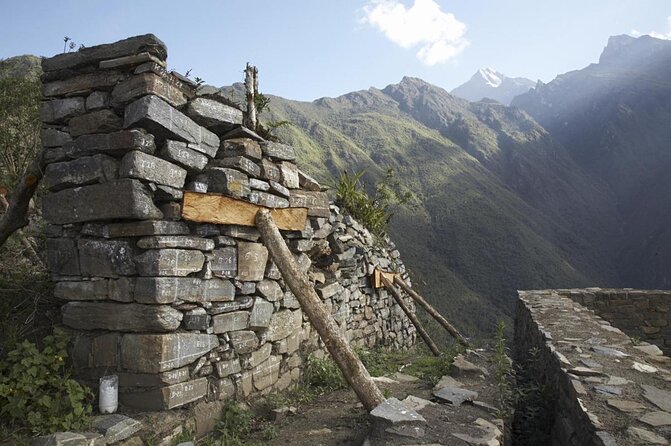
- Small-group access to Choquequirao: limited group size helps you enjoy the ruins with breathing room rather than just passing through.
- Trail meals that feel like a proper dining plan: a dedicated chef runs the cooking, and multiple guides/teams have been praised for serving varied, high-quality food.
- Porter help for your pack: your porter can carry up to 7 kg of your personal items, which matters on steep days.
- Apurimac canyon views built into the schedule: you get the canyon during the downhill approach, not just at the end.
- Sunrise at the Inca citadel: day three starts with watching the sky change over Choquequirao.
- Saywite as a final extra: after the last uphill, you get time at the rock site before returning to Cusco around 5 pm.
First Stop: Getting Oriented in Cusco Before You Hike
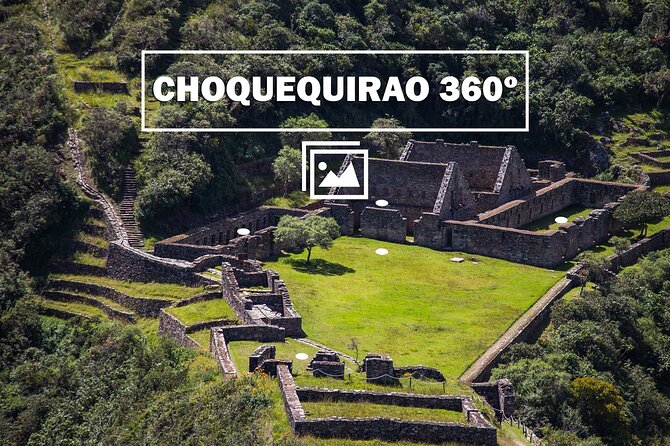
Cusco is the base, and you’re not left to figure out transport on your own. The plan includes pickup from your Cusco hotel (and the overview also mentions airport pickup), plus a drive out toward the trek starting point. The departure schedule starts very early—4:30 am to 5:00 am—so the night-before briefing at 6:00 pm is there for a reason: you’ll know what to expect before you’re out the door.
This matters because Choquequirao is not a gentle walk. When you start that early, the route is usually about steady movement and careful pacing. A clear briefing helps you pack smart, understand the support system, and avoid the classic mistake of bringing too much.
One more practical thing: you’ll need a current valid passport for the day of travel, and you’ll provide passport details at booking. If you’re traveling internationally, this is easy to forget until you’re at the counter—so get it done early.
You can also read our reviews of more tours and experiences in Cusco.
Day 1: Capuliyoc Downhill to Chiquiska Lunch and Santa Rosa Camp
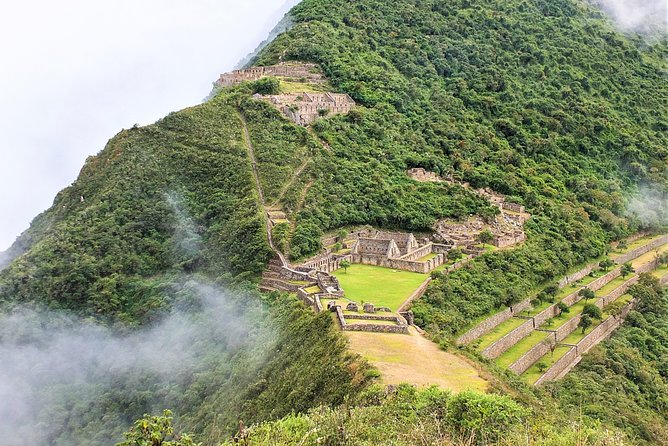
Day one is your big “drop into the canyon world” day. You depart Cusco between 4:30 and 5:00 am and arrive at Capuliyoc around 8:30 am. After your first breakfast, you start with a downhill trek—about four hours downhill—from Capuliyoc (2,911 m / 9,550 ft) to the lunch stop at Chiquiska (1,893 m / 6,210 ft).
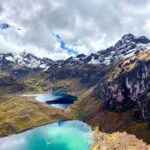
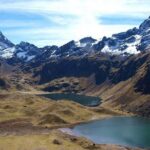
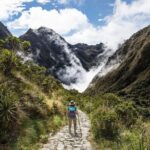
The standout here is the timing of the views. You get early panoramas of the Apurimac canyon while the trail is still steep enough to make every turn feel like a new scene. The canyon is one of the deepest in Peru, and the route is designed so you see shifting vegetation, from highland terrain down toward denser cloud-forest areas. In other words, this day is about watching the environment change as you descend.
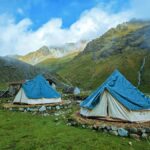
After lunch, you continue another two hours downhill to Santa Rosa, where you camp at about 1,478 m (4,849 ft). Total distance is listed as 10.8 km (6.7 miles) with around six hours of hiking time. Difficulty is marked moderate, but you should still expect steep trail sections—moderate here means you don’t need technical skills, not that the walking is easy.
What I like about day one: it’s paced so you’re not rushing straight to Choquequirao. You earn the experience by building momentum, then ending with camp setup instead of an endless grind.
Day 2: Another Early Start and the Approach Toward Marampata and Choquequirao
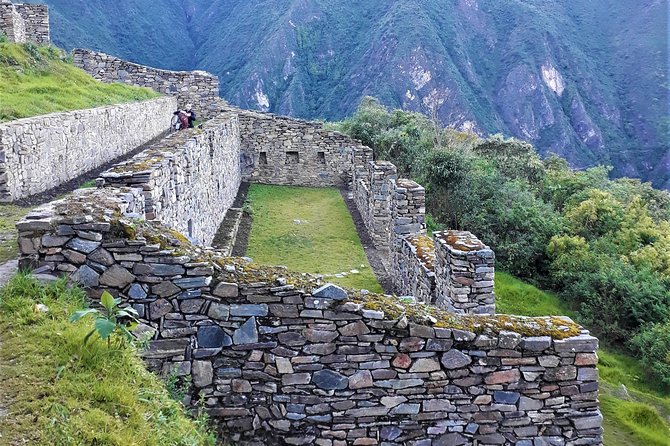
Day two keeps the early rhythm. You depart Cusco again between 4:30 and 5:00 am and drive across the Andes to Capuliyoc (arriving around 8:30 am). Breakfast happens on arrival, then the hiking plan continues downhill toward lunch at Chiquiska and onward to Santa Rosa for your next camp.
Even though the day’s label points toward Marampata and the Choquequirao approach, the practical takeaway is this: you’re continuing that downhill progression and spending more time in the canyon-and-cloud-forest transition zones. That’s exactly what helps Choquequirao feel earned when you finally reach it. Your body gets conditioned to the terrain, and your eyes start recognizing the different bands of vegetation as you gain and lose elevation.
Day two numbers match the day one pattern: about 10.8 km (6.7 miles), around six hours of hiking time, with the day’s highest elevation listed at 2,911 m / 9,550 ft and camp at 1,478 m / 4,849 ft. Difficulty remains moderate, and admission ticket inclusion is listed for the trekking days.
If you’re the kind of traveler who hates repetition, this day may feel like a continuation rather than a dramatic new chapter. But if you prefer consistent pacing with real scenery time, it works well.
Day 3: Sunrise at Choquequirao, Then the Long Push to Chiquiska Camp
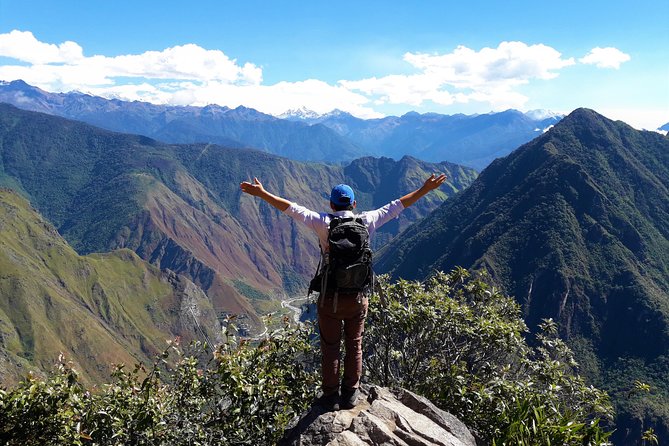
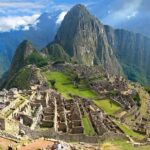
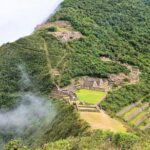
Day three is the big payoff. You wake up and watch sunrise at Choquequirao, then enjoy breakfast after. There’s something special about seeing an Inca site lit by early light. It also helps you understand the place in layers: first as atmosphere, then as structure.
After breakfast, the hike goes downhill toward Santa Rosa for lunch at about 2,230 m. From there, you keep moving downhill for two more hours, then you do two hours uphill until you arrive at your campsite at Chiquiska (listed at 1,450 m / 4,350 ft).
This is also the day where the experience shifts from “scenic trek” to “bio-diversity trek.” The plan highlights hundreds of flowers, birds, and waterfalls in the distance. Even if you’re not an obsessed nature nerd, that detail matters: you’ll notice sound and movement around you more than just the steepness under your feet.
Distance is listed at 8 km (11.32 miles) with about eight hours of hiking time. Highest elevation crossed is listed at 3,100 m / 9,300 ft. Difficulty stays moderate, but day three is the longest day in the schedule, so it’s worth taking your pacing seriously.
Day 4: The Final Uphill Back to Capuliyoc, Then Saywite Rock
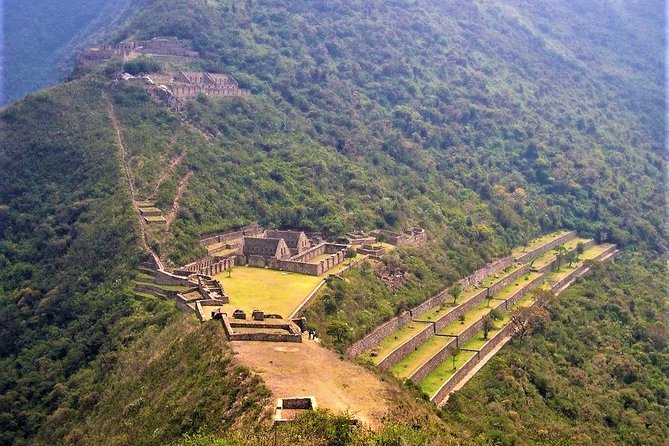
Day four starts with breakfast and a “turn the day around” feeling. You’ll hike uphill for about four hours back to Capuliyoc, where you have lunch and say goodbye to the team that supported you through the trekking days. After that, you take private transportation to Saywite, described as a mysterious rock.
Saywite isn’t just a stop to fill time. It’s your final culture-and-meaning button, and you get enough time to explore it before drop-off at your Cusco hotel around 5 pm.
The hiking portion is listed as 8 km (11.32 miles) with about eight hours of total walking time, difficulty moderate, and a highest elevation crossed around 2,850 m / 9,407 ft. Admission ticket inclusion is listed for the final trek day as well.
For me, the best part of day four is that it’s structured so you finish the hardest part of the trek before ending with something interesting rather than just going straight back to the hotel.
Your Trekking Team: Guides, Chef, and Porter Support That Actually Matters
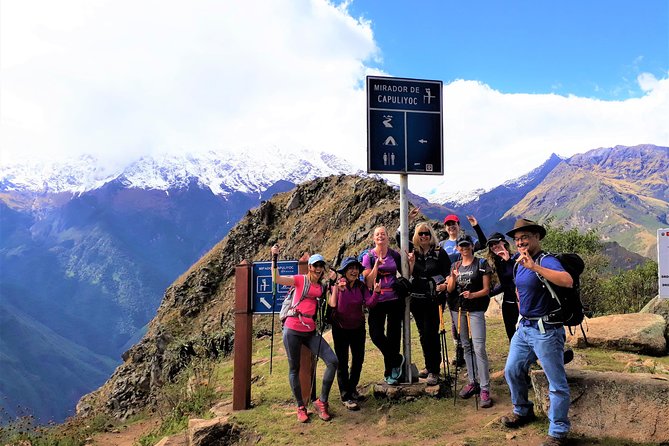
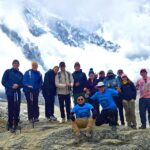
The support structure is one of the most praised parts of this trek. You’re not just handed a route and sent off. You get a professional English-speaking guide, a chef who manages meals on the trail, and a porter system that handles personal items up to 7 kg.
From the strong feedback tied to this specific experience, guides like Elias and Sebastian are noted for being patient, positive, and focused on getting everyone up the steep bits. Elias is repeatedly mentioned as a top guide—knowledgeable about Inca and local culture, and also the kind of person who helps you keep moving when the legs complain.
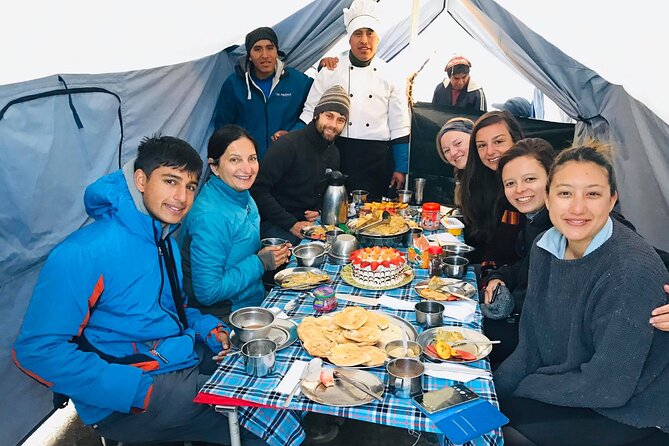
On the food side, chef Leandro (and sometimes other team chefs like Chef Ratatouille Balbino on later dates) has a reputation for meals that are surprising for multi-day hiking. More than once, the feedback stresses that dishes don’t repeat and that the kitchen stays clean and well organized, even while trekking.
The mule or horseman role also comes through. Boris gets mentioned for carrying gear between camps efficiently and cheerfully, which is the kind of behind-the-scenes skill you only appreciate when you don’t have to manage it yourself.
Practical result: you spend less time worrying about logistics and more time experiencing the canyon views and the ruins.
How Difficult Is It: Moderate Means Long, Not Technical
This trek is labeled moderate, and the itinerary shows why. You’re hiking daily with distances around 8–10.8 km and hiking times that range from about six to eight hours. The plan includes significant elevation variation: Capuliyoc sits at 2,911 m / 9,550 ft, and you camp down around 1,478 m / 4,849 ft on the early nights. Day three includes a listed high point around 3,100 m / 9,300 ft.
So what should you expect?
- You won’t need technical gear to walk the trail.
- You will feel the climbs and descents in your legs.
- You’ll benefit from starting each day fresh, because the schedule is early and the walking time stacks up.
If you have moderate hiking fitness, this is a reasonable target. If you can handle steep hikes but still get winded easily, bring patience. The trip is built around steady effort and a team that keeps you moving.
Price and Value: What $698 Includes (and Why It Changes the Experience)
At $698 per person, this trek sits in the “real trip” category. You’re paying for more than the walking route. The included package covers:
- Transportation from start to finish, including pickup from your hotel (and the overall description also notes airport pickup options)
- A pre-departure briefing the night before at 6:00 pm
- An English-speaking guide
- A chef to prepare meals
- Meals: 4 breakfasts, 4 lunches, 3 dinners
- Porter support for your personal staff up to 7 kg
- Admission ticket inclusion on the trekking days
- Limited group size, which is a big part of the quality feel
That matters because Choquequirao isn’t a one-person hike. The cost is essentially buying a functioning moving camp: guides to manage pace and safety, cooks to keep you fed, and porters/horseman help to keep your load reasonable. If you tried to DIY this with separate vendors, the planning time and coordination headaches could easily outweigh the savings.
Is it expensive? It’s not cheap. But when you compare it to the full package of guides, meals, tickets, and transport, it starts to look like good value for a four-day Inca-route trek.
Practical Notes: Gear, Food Options, and What to Pack
This tour includes meals and cooking support, but it doesn’t automatically include trekking sleep gear. Mattresses, sleeping bags, and trekking poles are listed as optional. The operator says they can guide you on what to bring or how to handle it.
Food-wise, you’re covered. Breakfast, lunch, and dinner are prepared by the chef, and there’s a vegetarian option available if you request it at booking. If you have any specific dietary requirements, you should advise before departure so the kitchen can plan.
Group support also affects packing. With a porter carrying up to 7 kg of your personal items, you can pack lighter than you would for a self-supported trek. Still, keep your most essential items within easy reach, since you’ll be moving fast each day and you’ll want convenience.
Finally, make sure your passport details are ready at booking and your passport is valid on travel day. This trip is strict on that point.
Should You Book This Choquequirao Trek?
I’d book this trek if you want Choquequirao without the chaos of constant crowds, and you care about a well-run team experience. The combination of small group size, English-speaking guides, strong food execution by the chef team (with Leandro and others earning praise), and porter/horse support makes the hike feel organized instead of stressful.
I’d think twice if you’re hoping for an easy day out. This is a moderate trek with long walking days, early mornings, and real elevation changes. If you’re not comfortable with that, you may end the trip exhausted rather than satisfied.
If you’re deciding today, here’s a simple checklist:
- You can handle 6–8 hours of hiking on uneven trail.
- You’re okay starting between 4:30 and 5:00 am.
- You want support for meals and packing so you can focus on the ruins and the canyon views.
If those fit, this is a strong choice for a memorable Choquequirao visit from Cusco.
FAQ
What is the duration of the Choquequirao trek?
The trek runs for 4 days and 3 nights.
Where do you start the trek from?
You start in Cusco, with pickup from your hotel. The tour overview also mentions round-trip transfers and airport pickup.
What time does the trek start each morning?
The start time is between 4:30 am and 5:00 am, with driving to the trek starting area around 8:30 am.
What’s included in the price?
Transportation from start to finish, a pre-departure briefing at 6:00 pm the night before, an English-speaking guide, chef-prepared meals (4 breakfasts, 4 lunches, 3 dinners), porter support up to 7 kg, admission ticket inclusion, and pick up from your hotel.
Are sleeping bag, mattress, or trekking poles included?
No. Mattress, sleeping bag, and trekking poles are optional. The provider says they can offer guidance.
Is there a vegetarian meal option?
Yes. Vegetarian options are available if you advise the provider at booking.
How large is the group?
The tour is described as limited to 12 travelers in the overview, and the activity listing notes a maximum of 16 travelers.
How much can the porter carry for you?
A personal porter carries your personal staff up to 7 kg.
Do I need a passport for this trek?
Yes. A current valid passport is required on the day of travel, and passport details are needed at booking.
What happens if weather is bad?
This experience requires good weather. If it’s canceled due to poor weather, you’ll be offered a different date or a full refund.