REVIEW · KATHMANDU
Everest Base Camp Trek
Book on Viator →Operated by Sublime Trails Pvt. Ltd · Bookable on Viator
Altitude, awe, and good logistics matter here. This guided two-week Everest Base Camp package starts with Kathmandu comfort, then moves you onto the high-altitude trail via Lukla—so you spend less time wrestling paperwork and more time walking and looking up.
I especially like two things: all meals during the trek (breakfast, lunch, dinner) plus lodge accommodation and porter support, which keeps your energy for the trail. I also like the steady leadership you get from an experienced mountaineering guide—people have praised guides such as Ajit, Suman, Prakash, and Bibek for clear day-to-day guidance and calm problem-solving.
One possible drawback to plan for: Lukla flights can run into weather and scheduling issues, so your timing may shift. That’s not the operator being careless—it’s the nature of flying into one of the world’s most famous airstrips.
In This Review
- Key things I’d watch for
- First Day in Kathmandu: A Real Start, Not a Last-Minute Panic
- Lukla Flights and First Footsteps Toward Phakding
- The 11 Walking Days: Passes, Villages, and the Rhythm Your Body Learns
- Lodges, Meals, and Porter Help: The Real Meaning of All-Inclusive
- Guides and Safety: Clear Leadership, Not Guesswork
- Small Group Dynamics (Max 16): Why It Feels Less Chaotic
- Price and Value: What $1,750 Covers (and What You Still Pay For)
- Who Should Book This Everest Base Camp Trek (and Who Should Reconsider)
- Should You Book This Everest Base Camp Package?
- FAQ
- Where does this Everest Base Camp trek begin?
- How do I get to Lukla?
- Where do we stay during the trek?
- What meals are included?
- Do I get a guide and porter support?
- How many people are in the group?
- What fitness level do I need?
- What documents or paperwork are handled?
- Is rescue and travel insurance included?
Key things I’d watch for
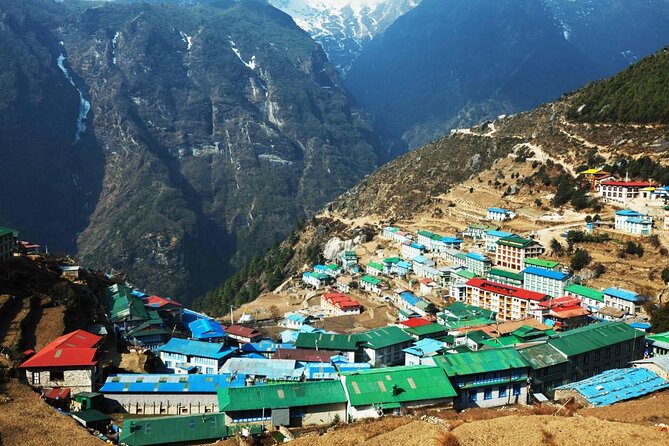
- Kathmandu pre-trek base: airport pickup plus 2 nights in a ~3-star hotel with a briefing and free time in Thamel
- Lukla flights included round-trip: Kathmandu to Lukla and back are part of the package
- Meals and lodge stays during trekking: breakfast, lunch, and dinner each day while hiking
- Porter support: your guide is not traveling alone—there’s extra muscle for the load
- Small group size: up to 16 travelers, so you’re not lost in a crowd
- Guides get to carry the safety gear: a first-aid kit is carried by the guide, plus first-day route briefings
First Day in Kathmandu: A Real Start, Not a Last-Minute Panic
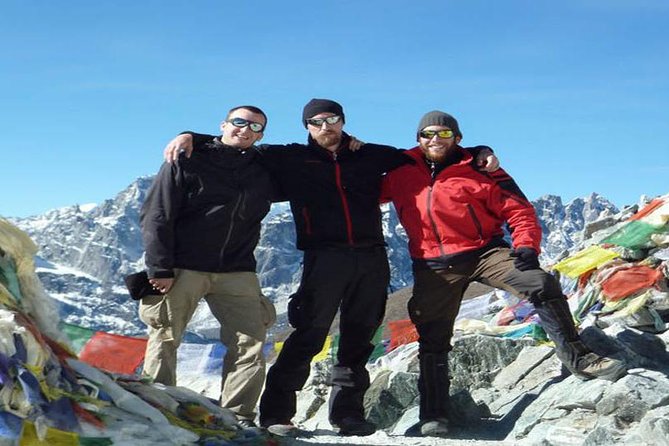
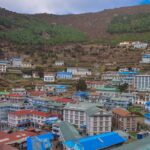
Your trek doesn’t start with a scramble at the airport. You get picked up, then transferred to a 3-star hotel for 2 nights in Kathmandu. You’ll rest a bit, eat breakfast, and get a short briefing about what’s coming next.
Then you get your most flexible time of the trip. You can shop and prep in Thamel, Nepal’s classic tourist quarter, without feeling like you’re always in “hurry mode.” Since Kathmandu meals other than breakfast aren’t included, I like that this gives you space to choose what fits your budget and appetite that day.
This “easy first day” matters more than you might think. Everest Base Camp isn’t just the trail. It’s managing sleep, nerves, and the small practical stuff (gear, chargers, layering, and timing). If you’re the type who gets anxious when logistics are vague, this setup helps you get your bearings fast.
You can also read our reviews of more tours and experiences in Kathmandu.
Lukla Flights and First Footsteps Toward Phakding
After your Lukla flight, you’ll receive another trek briefing right there—then you start walking from Lukla. The first leg is a solid introduction: you walk along the Dudh Koshi river for about 3 hours to reach Phakding, where you sleep for the night.
This matters because it sets expectations early. You’re not jumping straight into “all day, no guidance” trekking. There’s a clear handoff from air travel to feet-on-the-ground, and you’ll have a guide guiding how the day should feel and what to focus on.
Here’s the practical thing to know: flights to Lukla can be affected by weather, and your schedule might need adjustment. If you have tight non-trek plans in Kathmandu, you’ll want buffer time for possible changes. The package is built to handle the trekking side with a guide and support team, but flying into Lukla is still flying into Lukla.
The 11 Walking Days: Passes, Villages, and the Rhythm Your Body Learns
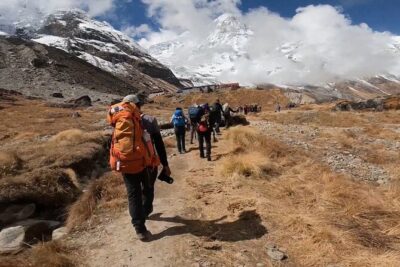
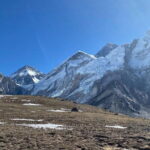
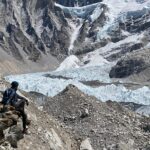
The trekking portion is where the real story happens: 11 days walking high-altitude trails between high passes and villages. The package is guided the whole way with an experienced mountaineering guide, plus porter support.
You should expect the trip to feel like a long education for your lungs and legs. Early on, you’ll likely feel energetic (even excited). Then the pace becomes more about consistency than speed. Your guide’s job is to keep you moving safely through altitude and fatigue—not by pushing, but by guiding the day-to-day plan you’re following.
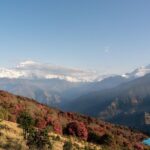
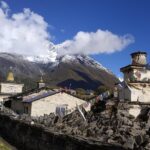
The route is described in broad strokes in this package, but that’s normal for Everest Base Camp treks. What’s useful is how it’s framed: passes and villages. That’s your mix of effort and culture. You’re not just walking through scenery—you’re passing through places where tea houses and trail routines shape what the day feels like.
If you’re the type who hates “mystery itineraries,” you’ll likely appreciate the detailed route and daily expectations that guides like Ajit have been praised for sharing. The best version of this trek feels less like suffering and more like understanding the next step.
Lodges, Meals, and Porter Help: The Real Meaning of All-Inclusive
During the trek, you get lodge accommodation plus breakfast, lunch, and dinner each day. That’s a big deal. At altitude, when options are limited, having meals handled helps reduce decision fatigue and keeps you fueled for the trail.
Also included is porter support. Even if you don’t think you’ll mind carrying your own daypack, the small weight adds up over repeated long walking days. Porters take on that burden, and your guide can stay focused on route, pacing, and small safety calls.
Now, don’t confuse “included meals” with “everything is free.” Drinks and bottled or boiled water are listed as personal expenses, along with things like battery recharge, hot showers, and similar extras. In other words: the essentials are covered, but you still need to budget for comforts and convenience.
One more practical angle: because you’ll be in lodges, your day tends to become more about routine than adventure thrills. That’s not a complaint—it’s good. On a trek like this, consistency is often what makes the experience enjoyable. You’ll know when to eat, when to rest, and when to get moving again.
Guides and Safety: Clear Leadership, Not Guesswork
This is a guided mountaineering trekking package, and the guide isn’t just a person holding a map. Your guide includes a first-aid kit as part of the support system. That’s the kind of detail that matters when you’re far from hospitals and where “quick help” isn’t quick.
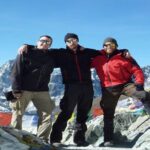
People have specifically praised guides for leadership and logistics handling. Names showing up in feedback include Prakash and Ajit for route guidance, and Suman and Bibek for professional, supportive care. The consistent theme: clear instructions for what to expect each day, and patience when the trek takes longer than planned.
That’s worth your attention because Everest Base Camp is famous for variables—weather, trail conditions, and flight timing into and out of Lukla. When that happens, a guide who stays organized can change your whole mood. You’re less likely to panic, and more likely to adapt calmly.
Still, be smart: rescue and travel insurance aren’t included. The package can support the trek day-to-day, but it can’t replace insurance for accidents, emergency evacuation, or medical coverage. Even on a guided trek, altitude travel can get unpredictable—plan for that reality instead of hoping you won’t need it.
Small Group Dynamics (Max 16): Why It Feels Less Chaotic
The group limit is 16 travelers, which is a sweet spot for a trek like this. It’s large enough to feel social, but small enough that your guide can actually pay attention to individuals.
In practice, this often means smoother pacing decisions. You’re not watching a guide fight a long line of people who all need different things. Instead, you can get clearer instructions, more direct communication, and better follow-through—especially on days where altitude or schedule shifts slow the pace.
There’s also the “mental space” benefit. Trekking with a smaller group can make each day feel more personal. You’ll notice who needs an extra rest, who’s moving too fast, and who’s just focused on the view. That’s the kind of environment where good guiding really shows.
If you want a social trek but hate the big-tour feel, this small group setup is a strong reason to consider this exact package.
Price and Value: What $1,750 Covers (and What You Still Pay For)
At $1,750 per person, this isn’t a cheap whim. But it’s also not just you paying for a label on a hiking map. You’re paying for a package that includes major cost drivers:
- Kathmandu hotel for 2 nights in a ~3-star category
- Lodge accommodation during trekking
- Breakfast, lunch, and dinner each trekking day
- Flight fare Kathmandu ⇄ Lukla
- Airport pickup and ground transfers
- An experienced guide plus porter support
- Paperwork support with Nepal government and tax department requirements
- First-aid kit carried by the guide
That’s the value. Many “budget” options show lower prices but then hit you later with flights, meals, guides, and key logistics. Here, a lot of the heavy lifting is wrapped in, so you can plan a realistic trip budget earlier.
What’s not included is equally important. You’ll need to plan for:
- International airfare (to Nepal)
- Your Nepal entry visa fee
- Rescue and travel insurance, plus trip cancellation costs
- Kathmandu meals other than breakfast
- Personal expenses like drinks, water, phone/internet, laundry, and hot showers
- Tipping for the crews
My advice: don’t just compare sticker price. Compare what you’re likely to spend anyway. If you would otherwise pay separately for flights, guides, and meals, this package can feel like better value than it first appears.
Who Should Book This Everest Base Camp Trek (and Who Should Reconsider)
This trek is listed as suitable for travelers with moderate physical fitness. So think in terms of: can you hike for many days on uneven trails, handle long walking hours, and stay flexible when conditions change?
It’s a great fit if you:
- Want a guided route with meals handled and porter support
- Prefer a small group (max 16)
- Like the comfort of landing in Kathmandu, getting set up at a hotel, and having briefings before you start walking
- Want logistics managed around flights and trek support rather than coordinating it all yourself
Consider reconsidering if you:
- Have very tight timing that can’t absorb potential Lukla flight shifts
- Don’t want to budget for personal expenses like water and drinks (they’re not included)
- Are unwilling to arrange travel and rescue insurance yourself
This is one of those trips where your attitude matters as much as your fitness. The best experience usually comes from working with your guide’s pacing rather than trying to “win” the trek.
Should You Book This Everest Base Camp Package?
I’d book this if you want the Everest Base Camp experience with structured support: Kathmandu pickup and hotel, Lukla flights built in, lodge stays and daily meals while trekking, and a guide with porter backup plus a first-aid kit.
I’d hesitate if your plans are too rigid or if you’re trying to make everything on the cheap without planning for insurance, visa, and personal costs at altitude. Flights into Lukla can be temperamental, so buffer time is your friend.
If you’re ready for a real guided trek—one that handles the big stuff and lets you focus on the trail—this package is a practical path toward one of the world’s most iconic destinations.
FAQ
Where does this Everest Base Camp trek begin?
The trip starts in Kathmandu, Nepal, with airport pickup and transfer to a 3-star hotel.
How do I get to Lukla?
Round-trip flights between Kathmandu and Lukla are included in the package.
Where do we stay during the trek?
You stay in lodge accommodation during the trekking days in the Himalaya.
What meals are included?
During the trek, breakfast, lunch, and dinner are included each day. In Kathmandu, only breakfast is included.
Do I get a guide and porter support?
Yes. The package includes a well-experienced guide and porter for the trekking.
How many people are in the group?
The maximum group size is 16 travelers.
What fitness level do I need?
The tour asks for a moderate physical fitness level.
What documents or paperwork are handled?
The package includes necessary paperwork with the government of Nepal and the tax department.
Is rescue and travel insurance included?
No. Rescue and travel insurance are not included, and you’re strongly advised to purchase personal travel insurance.