REVIEW · KATHMANDU
Everest base camp trek & Heli return
Book on Viator →Operated by Himalayan Mentor · Bookable on Viator
Everest Base Camp in one week feels bold, even before you leave Kathmandu. What makes this trip interesting is the helicopter return and the fact you’re hiking high with an English-speaking government-licensed guide who can explain what you’re seeing as you go. In the real world of Everest logistics, having that guided structure matters.
Two things I like: first, the trip trims the usual return hike by flying back, which keeps your energy for the big days. Second, the guide quality is a standout in the team—people have worked with guides like Padam (praised for English and experience) and Kesh (praised for fast communication and calm problem-solving when weather changes plans). One drawback to think about is that high-altitude flights and helicopter rides can be weather-dependent, so you’ll want flexibility rather than a rigid schedule.
In This Review
- Key things to know before you go
- Getting to the trailhead: Kathmandu pickup and the 5:15 a.m. push
- Lukla to Phakding: your first taste of Everest altitude (around 3,500m day-two energy, faster)
- Phakding to Namche Bazaar: markets, viewpoints, and a gradual feel to the climb
- Namche to Tengboche: rhododendron forests, Mani walls, and classic Himalayan views
- Tengboche to Dingboche: Deboche bridge vibes and Imja Khola energy
- Dingboche to Lobuche: views stack up, and the day turns serious
- Base Camp day through Gorakshep: reaching 5,364m and coming back to sleep
- Kala Patthar and the heli return: 5,545m to Kathmandu without the long slog
- Tea house nights, meals, and what your $3,195 covers
- Price and logistics: is $3,195 good value for a one-week Everest Base Camp?
- Fitness, weather, and realistic expectations for a week at Everest Base Camp
- Should you book this Everest Base Camp with helicopter return?
- FAQ
- What is the starting point and start time?
- How long is the trek and heli return?
- How do flights work on this trip?
- What’s included in the price?
- What is not included?
- How many people are in the group?
- What fitness level do you need?
- Where do you end the trip?
Key things to know before you go
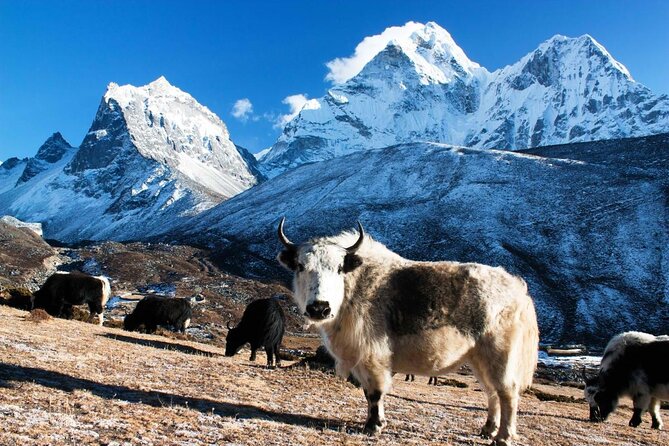
- A tight 7-day rhythm: enough time for the signature stops, but it moves at a pace that rewards real fitness.
- Helicopter instead of a long trek back: you fly from Gorakshep to Kathmandu after reaching the top viewpoint.
- Licensed guide support: you’ll have an English-speaking guide with government credentials for the trek.
- Small group size (max 15): helps keep the pace and logistics smoother on narrow trails.
- Tea house lodging, included meals: overnight stays are handled, and breakfast/lunch/dinner counts are built into the plan.
Getting to the trailhead: Kathmandu pickup and the 5:15 a.m. push
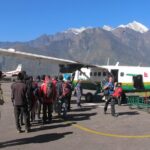
This is not a slow start kind of adventure. You meet at the TIA Domestic Terminal parking lot in Kathmandu, with a start time of 5:15 am. You’re also covered for airport transfers for the arrival and departure tied to the trek, so you’re not scrambling for a taxi when you’re half-asleep.
That early departure matters because the classic Everest circuit starts with flights—especially the one to Lukla. If you’ve ever watched daylight become a timetable in the mountains, you’ll understand why plans feel time-sensitive here. You’ll want to treat the morning like a mission: sleep the night before, keep documents easy to grab, and don’t over-pack your mental checklist.
You can also read our reviews of more tours and experiences in Kathmandu.
Lukla to Phakding: your first taste of Everest altitude (around 3,500m day-two energy, faster)
Day 1 starts with an early flight to Lukla, then you hike to Phakding (about 2,600m). The walking time is listed as roughly 3 to 4 hours—short enough to feel manageable, long enough to start waking up your legs for what’s ahead.
Phakding is a useful first step because it gets you into the Everest rhythm without immediately throwing you into the highest terrain. You’re moving onto the Sherpa trail network, and it’s a good moment to settle into how your body reacts when the air thins. Tea-house nights are included, so you can focus on resting and eating instead of negotiating lodging on the fly.
One practical note: because this is the first day’s flight + hike combo, delays can happen. The team’s communication style gets praise in reviews, and in a trip like this that’s worth its weight in phone battery.
Phakding to Namche Bazaar: markets, viewpoints, and a gradual feel to the climb
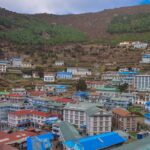
On Day 2 you trek from Phakding to Namche Bazaar (about 3,500m) for around 4 to 5 hours, then you’ll have time to explore in the late afternoon. Namche is where the Everest adventure starts to feel real. It’s not just a waypoint—it’s a place where you can see how the region runs: trekking commerce, gear repairs, and tea houses that cater to a steady flow of hikers.
The schedule here gives you a key advantage: you’re not just walking and sleeping. You also get time to wander a bit and orient yourself. That matters because later days come fast, and it helps if you already know what the “look” of the trail towns feels like.
If you’re the type who gets anxious about altitude, Namche is where you’ll likely feel it most. Take your pace seriously, drink water, and don’t treat every uphill meter like a race.
Namche to Tengboche: rhododendron forests, Mani walls, and classic Himalayan views
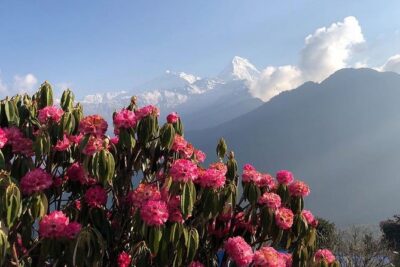
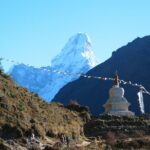
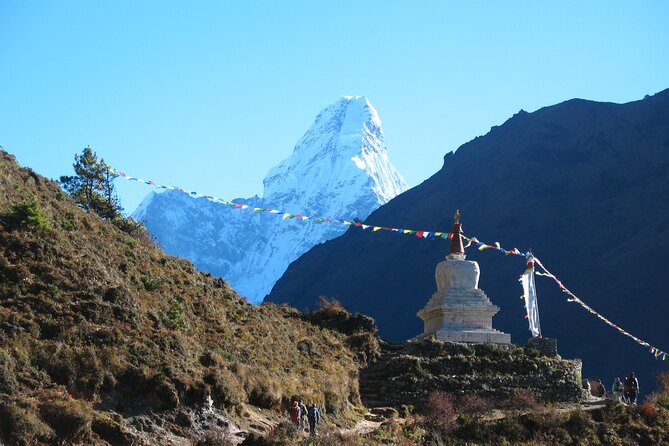
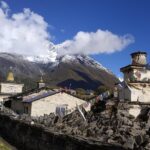
Day 3 takes you to Tengboche (about 3,870m) with a listed walk of 4 to 5 hours. The trail passes through rhododendron forests, plus you’ll see Mani walls and Chortens. Along the way, the plan promises panoramic Himalayan views, and this is one of those days where the scenery isn’t just background—it’s part of the experience.
Tengboche also tends to feel like a spiritual checkpoint on the route, not only because of the famous monastery setting but because the trail slows down your brain. You’re going from climbing-focused effort to a “pause and look” mode. If you’ve been staring at the same slope all morning, these visual breaks help you keep your mood steady.
Small drawback: days like this can feel a bit long if you set off too fast. Keep a steady rhythm. You want strength left for the later big push toward Base Camp and Kala Patthar.
Tengboche to Dingboche: Deboche bridge vibes and Imja Khola energy
Day 4 brings a more varied walk from Tengboche down toward Deboche, including an exciting bridge over the roaring Imja Khola, then you climb gradually toward Dingboche (around the 4,000m zone). The listed time is about 6 hours, and it includes trail segments through Pangboche and Somare village.
This day matters because it mixes downs and ups. That’s often harder than pure uphill walking: your knees do more work on the downhills, and your breathing has to reset for the climbs. If you’ve only ever hiked flat terrain, expect this day to be a mental check: you’ll learn quickly how to pace.
Dingboche is where the trip starts to shift into high-altitude mode for many people. You’ll want to treat the lodge evening like training time—rest well, eat the meal options provided, and keep your gear organized so morning doesn’t turn into a scramble.
Dingboche to Lobuche: views stack up, and the day turns serious
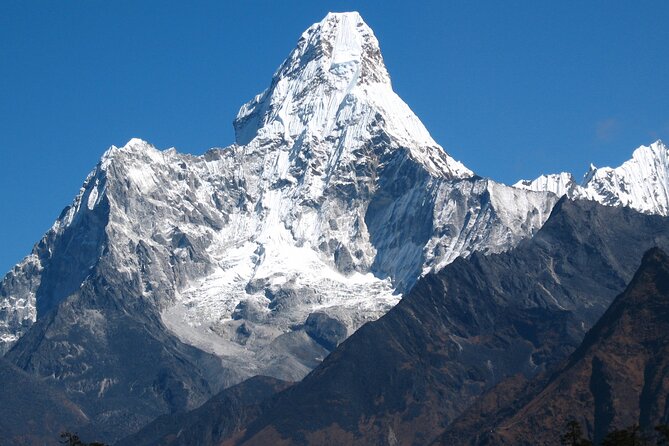
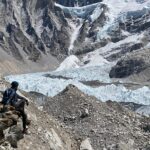
On Day 5 you trek to Lobuche (about 6 hours). The plan highlights views of Ama-dablam, Lhotse, Phortse peak, and Cholatse as you move toward Dughla and continue on.
This is one of those days where the views are motivating but the altitude is demanding. As you climb and the air tightens, the scenery can distract you—then you realize you still have distance to cover. A licensed guide helps here, because they can keep you on the right effort level and explain what you’re seeing without turning the hike into a lecture marathon.
Also, the trip uses tea house lodging again, so you can settle in after the hike without negotiating arrangements. That’s part of the value of this package: the heavy lifting of logistics is off your plate.
Base Camp day through Gorakshep: reaching 5,364m and coming back to sleep
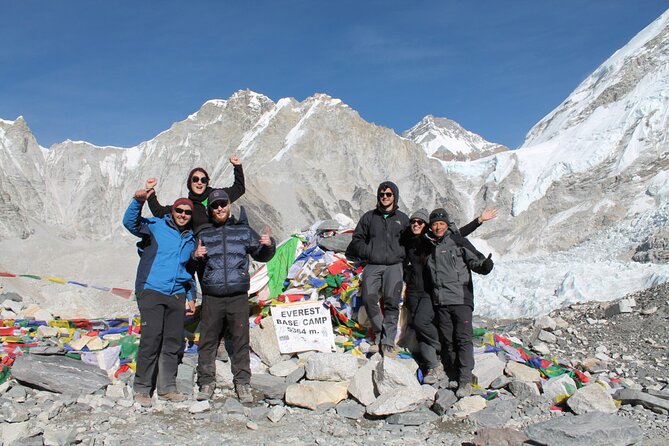
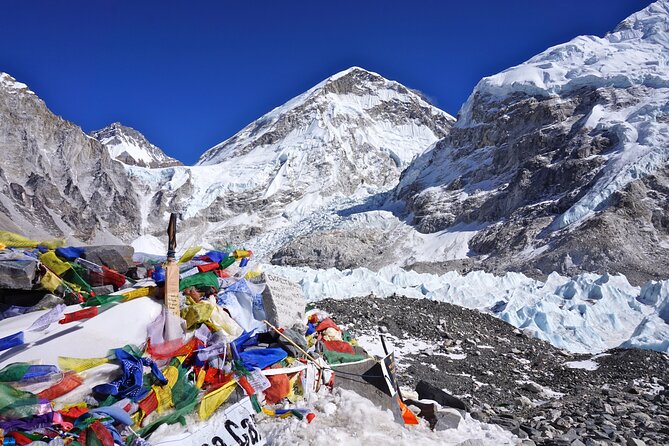
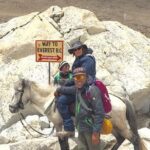
Day 6 is the big signature day. You head toward Everest Base Camp via Gorakshep. The walk is listed at about 7 hours, and the key point is the altitude target: Everest Base Camp at 5,364m.
The plan goes like this: first, you reach Gorakshep, stop for lunch, then continue on to Base Camp. After the visit, you return to Gorakshep for the night.
That structure is practical. Base Camp day can be energy-sapping, so having the lunch checkpoint at Gorakshep helps you avoid burning too much strength before the final push. Also, the day isn’t framed as “rush to the summit of Everest.” You’re reaching Base Camp, taking in what you came for, then turning back. That keeps it within the realistic boundaries of a week-long trek.
You’ll likely feel both emotions at once: the thrill of being there, and the knowledge that your body still needs to walk back down to sleep altitude. Keep your steps controlled on the return.
Kala Patthar and the heli return: 5,545m to Kathmandu without the long slog
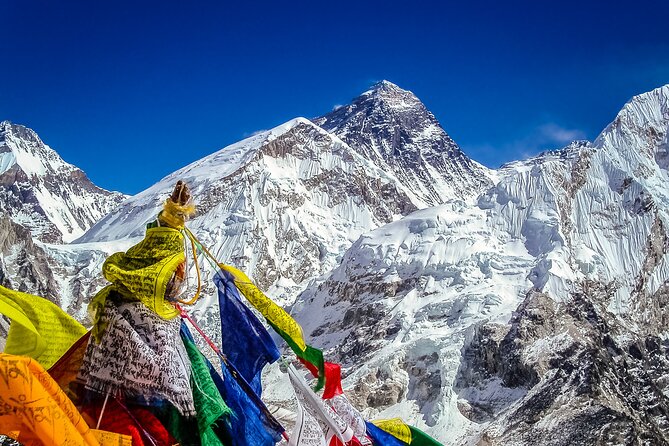
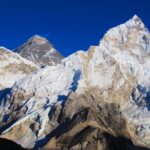
Day 7 starts early with a hike to Kala Patthar (about 5,545m), described as the final destination point for the trekking portion. From there you enjoy views of Mt. Everest and other Himalayas, then you return to Gorakshep.
After breakfast, you fly back to Kathmandu by helicopter. The plan specifically calls out Gorakshep to Kathmandu as the helicopter ride, with the activity ending back at the meeting point in Kathmandu. You’re also told this includes a sharing helicopter, which is common in regional aviation—meaning you may not fly exactly when you want, but it keeps costs lower.
This is the day where the trip’s whole idea shines. Instead of spending another set of trekking days descending back to Kathmandu, you get a fast exit from the highest-stress segment of the route. It’s also where weather matters most: if conditions shift, you’ll want to be mentally ready to wait or adjust.
Tea house nights, meals, and what your $3,195 covers
This package is set up to reduce decision fatigue. You get overnight accommodation at tea house lodges, plus breakfast (6), lunch (6), and dinner (6) included. You also get necessary trekking permit and entrance fee coverage, and a supporting staff team with an English-speaking government-licensed guide.
What you should also notice: the cost includes the air links that are hard to coordinate on your own. You get Kathmandu to Lukla flight ticket, and the Gorakshep to Kathmandu helicopter flight. Those flights often represent the difference between a calm trip and a logistics headache.
What’s not included is where you’ll need to plan personal spending:
- No Kathmandu hotel before or after the trek.
- No personal expenses like battery charging, Wi-Fi, beverages, mineral water, or hot showers.
- No travel insurance or emergency evacuation coverage.
- No personal trekking gear.
That’s typical for Nepal treks, but it’s still important for budgeting. You can easily end up paying for charging, snacks, and drinks even when the main meals are covered.
Price and logistics: is $3,195 good value for a one-week Everest Base Camp?
For $3,195 per person and roughly 7 days, you’re paying for more than the walking. You’re paying for:
- flights into the mountains (Kathmandu to Lukla),
- an air shortcut back out (helicopter from Gorakshep),
- permits and fees,
- tea house lodging,
- and an English-speaking licensed guide.
If you’ve ever priced Everest logistics separately, you’ll see why packages exist. The helicopter and the Lukla flight are the two expensive “moving parts,” and they’re already included here. That can be the difference between a smooth plan and a scramble.
The other value piece is structure. A small group size (max 15) plus defined hiking days helps keep things organized when altitude is working against you. And based on guide-related praise in feedback, the team’s communication and professionalism are part of what you’re buying.
Where the price won’t feel like a bargain is if you’re the type who wants lots of independent flexibility or you’re likely to change plans. This isn’t a choose-your-own-adventure style trek. It’s a tight plan with high-altitude flight components.
Fitness, weather, and realistic expectations for a week at Everest Base Camp
The trip asks for moderate physical fitness. That sounds encouraging, but it pairs with high altitude and long hiking days. You’ll be walking as much as 7 hours on the key Base Camp day, with earlier days around 4 to 6 hours most of the time. That mix is manageable for fit hikers, but it’s not “casual stroll in mountains” territory.
Also, plan for weather. One review notes lots of weather delays and credits the team—especially Kesh—for staying in contact and helping with changes. That’s not a guarantee of smooth skies, so treat weather as an active character in your schedule.
Finally, keep your pacing smart. A one-week timeline means acclimatization opportunities are built into the stops, but you still need to take it seriously. If you rush, you can pay for it quickly at these heights.
Should you book this Everest Base Camp with helicopter return?
I’d book this kind of trip if you want Everest Base Camp in a one-week window and you value saving energy on the return with a helicopter ride. The included flights, permits, tea house lodging, and licensed English guide support make it a strong “logistics handled” option.
I’d pause before booking if:
- you need total schedule control (flights can shift),
- you’re not comfortable with repeated long hiking days at altitude,
- or you’re expecting your Kathmandu stay to be covered (it isn’t).
If you like a clear plan, enjoy being guided through what you’re seeing, and you’re ready for early mornings and serious walking days, this is a well-aligned way to chase the Everest dream without spending extra weeks on the mountain.
FAQ
What is the starting point and start time?
The meeting point is TIA Domestic Terminal parking lot in Kathmandu, and the start time is 5:15 am.
How long is the trek and heli return?
The experience lasts about 7 days.
How do flights work on this trip?
You fly Kathmandu to Lukla for the trek start, then you fly by helicopter from Gorakshep back to Kathmandu.
What’s included in the price?
Included are airport transfers, tea house lodge accommodation, trekking permits/entrance fee, a licensed English-speaking trekking guide, Kathmandu to Lukla flight, Gorakshep to Kathmandu helicopter flight, and meals (6 breakfasts, 6 lunches, 6 dinners).
What is not included?
Not included are hotels in Kathmandu before and after, personal expenses (like charging, Wi-Fi, beverages, mineral water, hot showers), travel insurance and emergency evacuation cost, and personal trekking gear.
How many people are in the group?
The group maximum is 15 travelers.
What fitness level do you need?
Moderate physical fitness is required.
Where do you end the trip?
The trip ends back at the meeting point in Kathmandu.