REVIEW · POKHARA
7 Days Annapurna Base Camp Trek from Pokhara
Book on Viator →Operated by Swami Narayan Travels Pvt Ltd · Bookable on Viator
The Annapurna Base Camp trek starts gently. You begin in Pokhara, ride to the trailhead, and then spend a week hiking through Gurung villages, forest sections, and suspension-bridge moments with major mountain views. I especially liked how the hotel pickup and drop-off reduce stress on travel days, and how the trip includes an English-speaking trekking guide who keeps the pace sensible and the logistics clear.
One thing to think about: the altitude climbs fast, and you should go in with strong fitness and realistic expectations around effort at 4,130–4,310 meters.
In This Review
- Key things to know before you go
- From Pokhara to the trailhead: less hassle, more walking
- Day-by-day route: what each stop really feels like
- Day 1: Nayapul to Ghandruk (the first big village day)
- Day 2: Ghandruk to Chhomrong (views sharpen, pace tightens)
- Day 3: Chhomrong to the Annapurna Sanctuary area (big amphitheater energy)
- Day 4: Machhapuchhre Base Camp and then Annapurna Base Camp (the summit day feeling, without the summit)
- Day 5: Down to Bamboo (momentum shifts back to recovery)
- Day 6: Bamboo/Ghandruk area to hot springs (recovery with a payoff)
- Day 7: Phedi down to Pokhara (finish strong, then switch to city mode)
- Permits, guides, and guesthouses: the comfort part of the challenge
- Views, suspension bridges, and Gurung village life
- How hard is Annapurna Base Camp at 4130–4310m
- Price and value: where your $287.92 goes
- Who should book, and who should pass
- Should you book this ABC trek?
- FAQ
- How long is the Annapurna Base Camp trek from Pokhara?
- Where does the trek start and where do you end?
- What is included in the price?
- Are meals included?
- Do I need permits for this trek?
- Is a guide provided, and do they speak English?
- What kind of accommodation do you get during the trek?
- What’s the fitness level needed?
- Is rescue cost included in the trip price?
- What is the cancellation policy?
- Is this trek private?
Key things to know before you go
- Private, guide-led comfort: guesthouse stays plus an English-speaking guide make the tougher parts feel more manageable.
- Permits handled: trekking permit and TIMS card are included, so you’re not scrambling for paperwork mid-planning.
- Village-to-basecamp rhythm: you’ll pass through places like Ghandruk and Chhomrong that add culture to the climb.
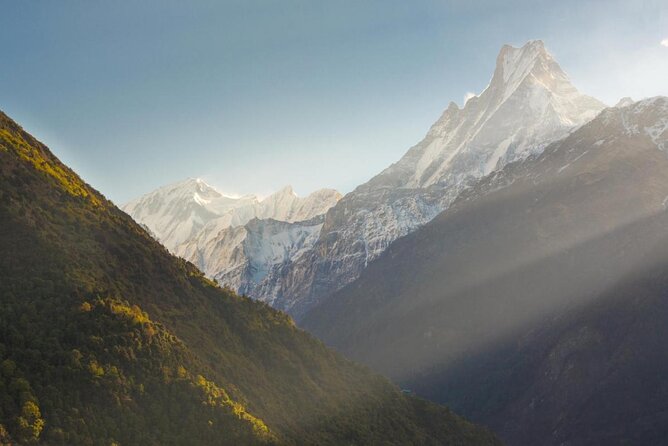
- Big scenery days: the route builds toward the Annapurna Sanctuary and the final push to base camp.
- Hot spring recovery stop: after downhill hiking, a hot spring bath can feel like a reset button.
- Support from the team: guides like Mr. Saroj (organizer/owner) and guides such as Mr. Krishna have earned strong praise for caring, practical support and good energy.
From Pokhara to the trailhead: less hassle, more walking
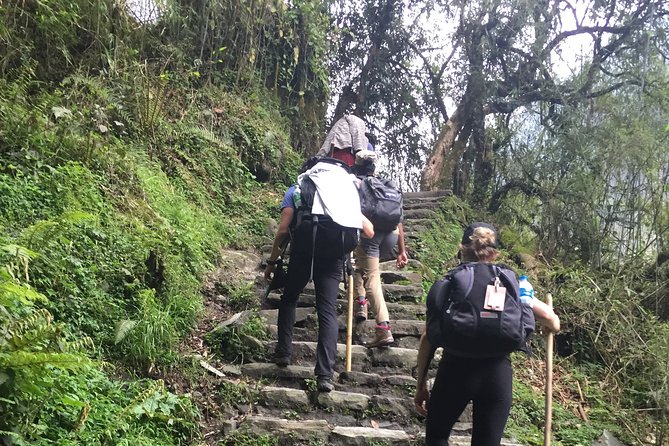
Pokhara is the practical launchpad for the Annapurna Base Camp trek. On day one, you drive from Pokhara to Nayapul and start your hiking life with a short but meaningful transition: get in the car, get your bearings, and then step onto the trail. That matters more than you might think, because a relaxed start helps you keep your breathing steady when the days get steeper.
What I like here is the overall “less friction” approach. You get round trip transfers by private car as per the plan, plus pickup and drop-off tied to your hotel. If you’re juggling limited time or just don’t want to hunt down buses and shared taxis while you’re excited, that convenience is real value.
Also worth noting: this works as a private trip in the sense that only your group participates. That usually makes it easier for the guide to manage pacing, rest stops, and questions without being squeezed into a larger group schedule.
You can also read our reviews of more tours and experiences in Pokhara.
Day-by-day route: what each stop really feels like
This trek is built on gradual escalation—walk, recover, walk again—until you’re deep in the Annapurna region and then heading for the base camp zone. Expect long hiking blocks and guesthouse nights, not luxury lodge vibes.
Day 1: Nayapul to Ghandruk (the first big village day)
You start at Nayapul and hike on to Ghandruk. The drive is about 1.5 hours, then the trek is around 6 hours. This first day is a classic warm-up-with-a-workout: you’re not at the high passes yet, but you’ll feel your legs learn the trail.
Ghandruk is one of those places where the trek stops being only about the mountains. It’s a Gurung village area, so you get that lived-in Nepal feeling—homes, local rhythm, and the sense that this is a real community, not just a viewing platform.
Drawback to consider: after a car ride, a 6-hour hike can feel long. If you’re a slower starter, plan for frequent short breaks. The guide can help you pace it.
Day 2: Ghandruk to Chhomrong (views sharpen, pace tightens)
Day two takes you from Ghandruk to Chhomrong, another roughly 6-hour trek. This is the kind of day where scenery tends to strengthen as you gain elevation, and where hikers start paying more attention to footing because the trail often gets more demanding.
Chhomrong is a key trekking hub on the Annapurna circuit routes, and it often feels like the moment the trek shifts from “getting there” to “being in the mountains.” You’ll likely notice how the community and the trail work together—places to pause, talk, and refuel before moving up again.
Day 3: Chhomrong to the Annapurna Sanctuary area (big amphitheater energy)
Today’s walk goes to the Annapurna Sanctuary area, described here as trekking to Himalaya and about 7 hours. That extra hour compared to the last two days is the sort of difference you feel by late afternoon.
The sanctuary concept is what makes this day special. You’re walking toward a more enclosed mountain setting where the scenery starts to feel like a wall closing in—excellent for photos, but also a reminder to respect the effort you’re already putting in.
Practical tip: keep your water and snack routine consistent. Long days at altitude can make it easy to under-eat early, and then you pay for it later.
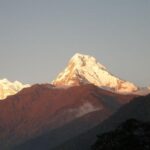
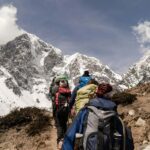
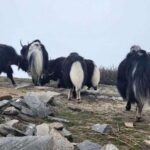
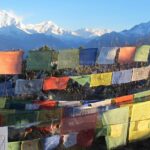
Day 4: Machhapuchhre Base Camp and then Annapurna Base Camp (the summit day feeling, without the summit)
Day four is the heart of the trek. You first trek to Machhapuchhre Base Camp, then continue to Annapurna Base Camp. The plan lists about 5 hours for the Machhapuchhre Base Camp portion and then about 2 hours to reach the destination.
Even if you don’t think of base camp as a “summit,” it feels like one. You’re pushing through a day that has multiple emotional milestones: first the Machhapuchhre area, then the final approach that brings you to the base camp zone.
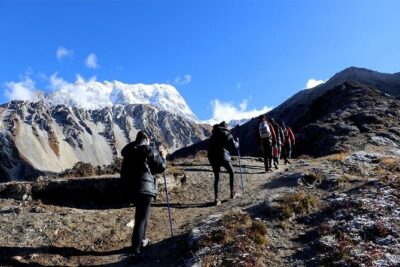
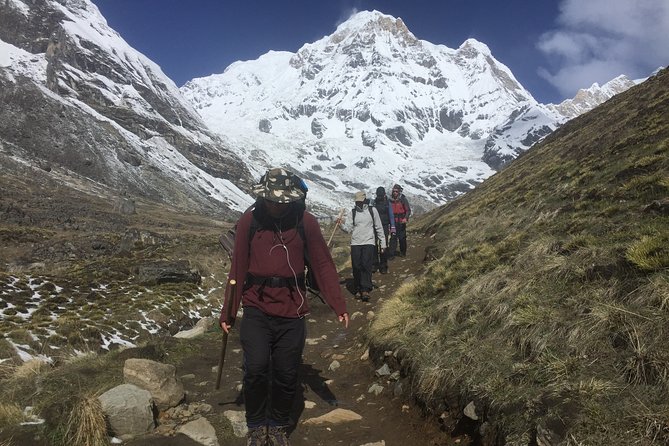
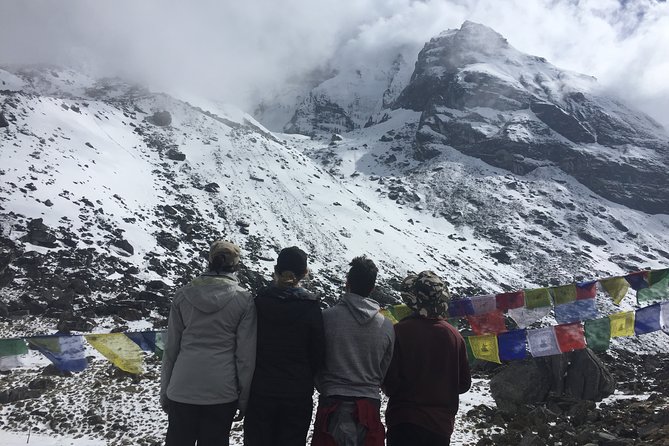
Altitude shows up here in your breathing. Reviews for this trek mention base camp around 4,130 meters and also a trek experience around 4,310 meters, depending on conditions and how the route is paced. Either way, treat this day as a “move carefully” day, not a “race for the photo” day.
Day 5: Down to Bamboo (momentum shifts back to recovery)
After the base camp day, the plan takes you down to Bamboo in about 6 hours. This is a welcome reversal for many hikers: you’re still working, but gravity helps, and the body has a chance to reset a bit.
Downhill is still work, though. Your quads do the heavy lifting. If your knees tend to complain, this day is where trekking poles become your best friend.
Day 6: Bamboo/Ghandruk area to hot springs (recovery with a payoff)
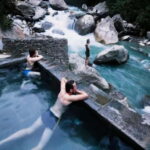
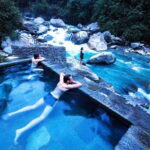
Day six includes trekking to hot springs, with about a 4-hour hiking block listed. This is a brilliant addition because after several days of long walks, warm water can make the difference between feeling wrecked and feeling human again.
The plan references Ghandruk on this day too, which fits the idea that you’ll be moving through known trekking-country rather than brand-new, unknown side paths.
What to bring mindset-wise: keep your energy for the hot spring moment. It’s a morale boost you can feel after you rinse off and relax.
Day 7: Phedi down to Pokhara (finish strong, then switch to city mode)
On day seven you trek down to Phedi in about 4 hours, then drive back to Pokhara (about 45 minutes) and get transferred to your hotel. This is the decompression day. The goal is to finish the last hiking stretch calmly, so you can enjoy that last ride without feeling like you need to “survive” it.
When you return to Pokhara lakeside energy, the whole week suddenly feels real: you went from tea houses and stone steps to normal streets and food choices.
Permits, guides, and guesthouses: the comfort part of the challenge
This trek includes trekking permits and a TIMS card, plus an English-speaking trekking guide and guesthouse accommodation. It also lists a private trip, which can make the planning feel smoother because you’re not fighting for space at the same time as a large random group.
From a traveler’s point of view, permits + TIMS are part of what you pay for with a guide-led company: someone handles the paperwork so you can focus on packing, training, and getting to Nepal ready.
Guesthouses are not five-star, but they are practical. You’re trekking for days at altitude. Simple lodging, shared dining areas, and predictable sleep help your body recover. Reviews tied to this experience praise the team for handling transport and support well, with guide care and good organization—things that matter when you’re tired and a little stressed about timing.
One of the most consistently praised points: the guides and organizers are said to be supportive and fun. There’s even mention of energy breaks—dance moments on the way up and down—because morale matters when your legs are ready to quit.
Views, suspension bridges, and Gurung village life
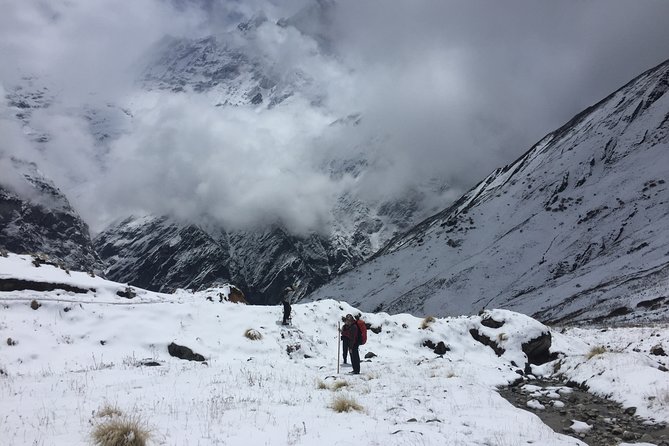
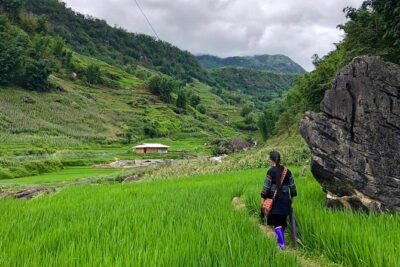
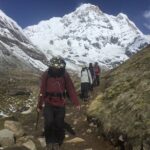
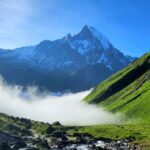
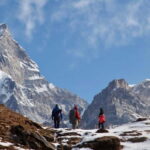
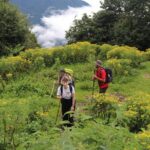
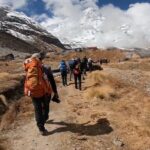
The Annapurna Base Camp trek isn’t just an altitude grind. The route is described as exploring countryside villages of Gurung Nepalese communities, forests, and suspension bridge moments, plus lots of mountain views.
That blend is the reason I’d recommend this trek even if you’re not a hardcore mountaineer. You’ll see human life along the way—people living with the landscape, building routes, running tea shops, and keeping the trail moving. The suspension bridge moments add that mini-adventure feeling: it’s a quick jolt of excitement in a day that otherwise might feel like steady walking.
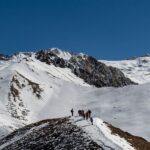
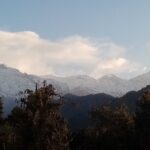
If you care about photos, this is your kind of trek. You’re not only climbing toward a single viewpoint. You’re collecting scenery across multiple days: village edges, forest sections, and then the mountain-wall feeling near the sanctuary and base camp.
How hard is Annapurna Base Camp at 4130–4310m
The honest answer: it’s challenging. Even if the trek is considered a popular one, you’re still hiking at altitude for multiple days with long walking blocks.
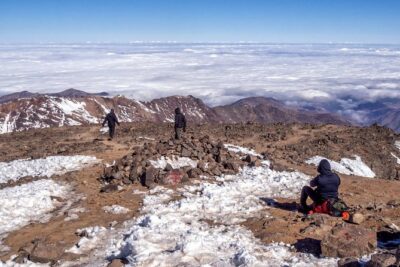
Reviews for the trek mention reaching base camp around 4,130 meters and experiences around 4,310 meters. That range is enough to affect sleep, appetite, and breathing. You don’t need to panic, but you do need to take the altitude seriously.
What helps most:
- Pace early, not late. Don’t try to win the first two days.
- Plan snacks and hydration like you’re on a training run.
- Tell your guide if you feel off. This is exactly the kind of moment where having an experienced, caring guide matters.
Possible consideration: because the itinerary includes several 6–7 hour trekking days, you’ll want strong baseline fitness. If you’re returning from a long break, you might want a few weeks of hiking practice before you go.
Price and value: where your $287.92 goes
At $287.92 per person for a roughly 7-day trek, this sits in the “value by organization” category. You’re not only paying for hiking. You’re paying for the pieces that make trekking easier to manage:
Included:
- Hotel pickup and drop-off
- Round trip transfer with private car
- Trekking permit and TIMS card
- English-speaking guide
- Guesthouse accommodation
- Private trip
Not included:
- Meals and personal expenses
- Rescue costs in an emergency
- Gratitude (optional)
So how do you judge value? I look at what’s often hidden or stressful when it’s not included: permits, TIMS, guide support, and transportation. Those add up quickly in the real world, and they also prevent last-minute scrambling.
The biggest “value trade-off” is also the most obvious: meals aren’t included. That means you should budget for breakfast, lunch, and dinner during the trek. You’ll still eat well, but you’re covering the cost yourself.
One more practical point: rescue costs aren’t included. That’s normal for many treks, but it’s a clear signal to line up appropriate travel insurance and be smart on the trail.
Who should book, and who should pass
This trek is a great fit if you:
- Want a classic Annapurna Base Camp route without juggling logistics
- Like the idea of hiking through villages, forests, and suspension bridge sections—not only chasing views
- Prefer an English-speaking guide who can help with pacing and day-to-day decisions
- Appreciate organized support and positive group energy (including the kind of morale-boosting moments mentioned in feedback)
You should think twice if you:
- Struggle with long hikes (6–7 hours on multiple days)
- Know you get hit hard by altitude
- Are expecting meals, or a fully “all-inclusive” package, because meals are not included here
Should you book this ABC trek?
If you’re looking for a well-supported, practical Annapurna Base Camp experience that mixes real village life with serious mountain scenery, this is a strong option—especially because permits, TIMS, transport, guide, and guesthouse stays are bundled. The consistent praise for caring guides and organizers like Mr. Saroj and guides like Mr. Krishna, plus upbeat energy from the team (including mentions of DB and Prem), suggests the human side is handled well.
Book it if you’re physically ready for long hiking days and you can budget for your meals. Skip or switch to a different plan if you need shorter days or you’re unsure about altitude comfort. Either way, you’ll leave Pokhara with a clear goal and come back with that rare combo of mountain achievement and village memories.
FAQ
How long is the Annapurna Base Camp trek from Pokhara?
The trek is listed as 7 days (approximately).
Where does the trek start and where do you end?
It starts in Pokhara with pickup, then you drive to Nayapul. It ends in Pokhara after trekking down to Phedi and driving back (about 45 minutes).
What is included in the price?
The package includes hotel pickup and drop-off, private car transfers as per the itinerary, trekking permit and TIMS card, an English-speaking trekking guide, guesthouse accommodation, and a private trip.
Are meals included?
No. Meals and personal expenses are not included.
Do I need permits for this trek?
Yes, a trekking permit and TIMS card are required, and they are included in this package.
Is a guide provided, and do they speak English?
Yes. The tour includes an English-speaking trekking guide.
What kind of accommodation do you get during the trek?
Accommodation is in guest houses.
What’s the fitness level needed?
The information states you should have a strong physical fitness level.
Is rescue cost included in the trip price?
No. Rescue costs in an emergency are not included.
What is the cancellation policy?
Free cancellation is available. You can cancel up to 24 hours in advance for a full refund, and cancellations within 24 hours are not refunded.
Is this trek private?
Yes. It is described as a private tour/activity where only your group participates.