REVIEW · SA PA
SAPA: 1-DAY TREKKING TOUR WITH LOCALS, LUNCH & RICE FIELDS
Book on GetYourGuide →Operated by VietNam Venture · Bookable on GetYourGuide
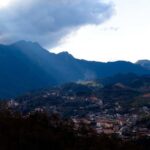
Fog, mud, and rice terraces in Sapa. I like the local guides and I love the homemade lunch in a stilt house by Muong Hoa stream. The day has a real sense of place, starting right in town and then slipping into footpaths where the mountains do most of the talking.
Wear patience: the paths are steep and uneven, and rain can mean mud (Wellington boots are sometimes offered, but you’ll still want extra socks). Also, double-check whether your booking is the 1-day return trek or the longer 2-day, 1-night version mentioned in the fitness note.
In This Review
- Key things to know before you go
- From Sapa Stone Church to the valley in one smooth start
- Y Linh Ho: rice terraces and the first real climb
- A practical heads-up about terrain
- Lao Chai lunch: stilt-house food by the Muong Hoa stream
- The afternoon to Ta Van: bamboo paths and Giay village life
- Small group and local-host energy (Linh and Mamacita show up on some trips)
- If it’s muddy: boots, socks, and the real Sapa weather
- Small trail boosts you might find on the route
- Price and value: why $20 can work here
- The 1-day vs 2-day confusion: check what your date includes
- What to pack so you enjoy the hike more than you fear it
- Who this trek suits best (and who might want another option)
- Should you book this Sapa trek with locals?
- FAQ
- Where is the meeting point?
- What time does the tour start?
- How do you get to the start of the trek?
- Which villages does the route include?
- Is lunch included?
- Is the tour guided?
- What is the fitness level?
- How long is the tour?
- What should I bring for trekking?
- Is the tour good for kids and babies?
Key things to know before you go
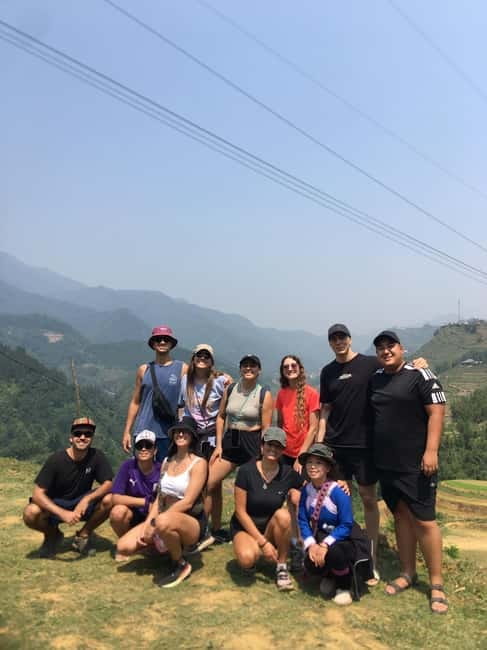
- Y Linh Ho to Lao Chai to Ta Van follows a classic valley loop with rice terraces, river views, and quiet village lanes.
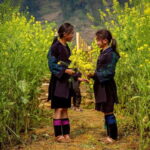
- Black Hmong and Giay community time isn’t just photo stops; you’ll learn about daily life and textile traditions like indigo dyeing.
- Lunch in a stilt house comes with real “family meal” vibes and sweeping views over the valley.
- Pace is flexible on the route, with guides like Linh (on some departures) adjusting paths for how adventurous you want to be.
- Rain-proofing matters: muddy trails are common, and Wellington boots may be provided.
- $20 value is strong for a guide-led, small-group trek with transport and village entry included.
From Sapa Stone Church to the valley in one smooth start
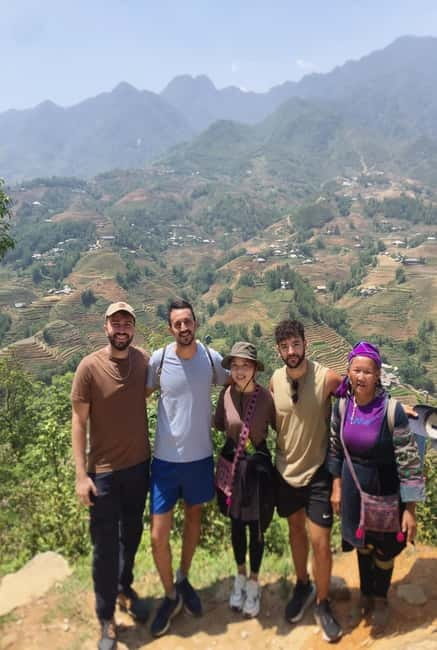
Most Sapa days feel like a scramble—until this one gets organized. You meet at Sapa Stone Church in the town center at 9:00 AM, then climb away from the noise with a short 30-minute drive into the hills.
This matters because Sapa traffic and “taxi time” can eat hours. Here, the schedule is built so you start trekking while the air still feels fresh. You also get your bearings fast: stone church in town, then suddenly you’re in the rice-terrace world where every turn looks like a different shade of green.
You can also read our reviews of more tours and experiences in Sa Pa.

Y Linh Ho: rice terraces and the first real climb
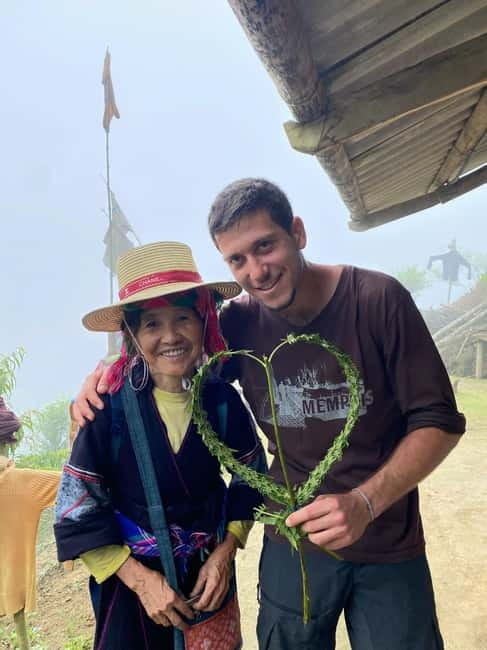
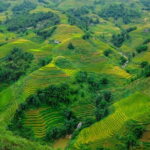
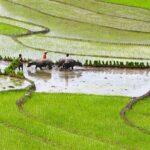
Your trek starts in Y Linh Ho village, associated with the Black Hmong community. From the first steps, the path tilts up and you feel the classic Sapa rhythm—walking on steep, uneven ground, then pausing at a viewpoint where you can finally breathe and take it in.
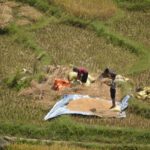
What I like about this section is that it’s not random walking. You’re moving through terraces that actually show how people farm on hillsides—terraced ridges, narrow paths, and plots stacked like stairs. You also get cultural context early, including traditional indigo dyeing techniques tied to Hmong textiles. Even if you’re not obsessed with dyeing, it helps you understand what you’re seeing when people talk about clothing, patterns, and identity.
A practical heads-up about terrain
This is marked as moderate fitness, with steep and uneven parts. On rainy days, the ground gets slick fast. If you’re the type who hates surprises underfoot, bring good shoes and accept that you’ll be walking “carefully,” not casually.
Lao Chai lunch: stilt-house food by the Muong Hoa stream
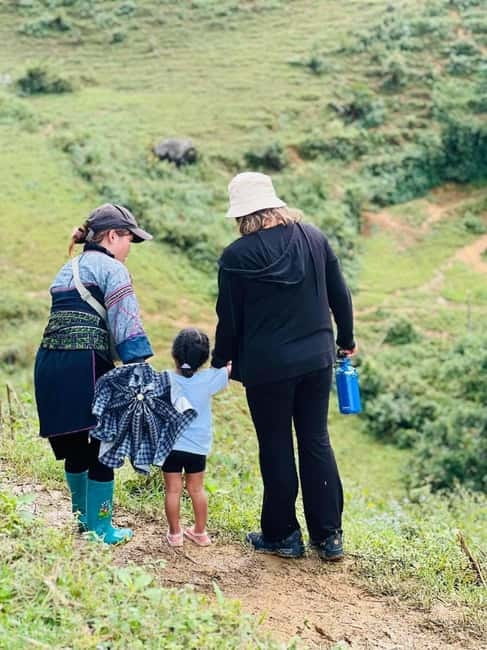
After around three hours of trekking, you reach Lao Chai, positioned near the Muong Hoa River. The payoff here is both visual and practical: you’re high enough for valley views, but you’re also close to water, so the air feels different from the drier town center.
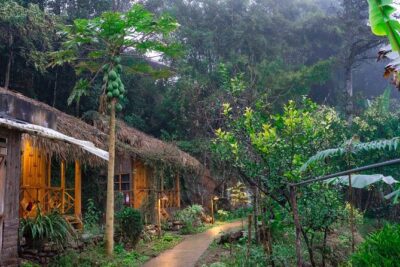
Lunch is in a traditional stilt house, and that detail matters more than it sounds. Stilt homes handle damp ground and flooding zones, so you’re eating in a living solution to the local environment. You’ll get a homemade meal with the kind of hospitality that feels personal, not staged.
In the rainier seasons, this meal becomes your reset button. You’ll likely be muddy, maybe a bit cold, and then suddenly you’re inside, fed, and warmed up—exactly what you want before the afternoon trek.
The afternoon to Ta Van: bamboo paths and Giay village life
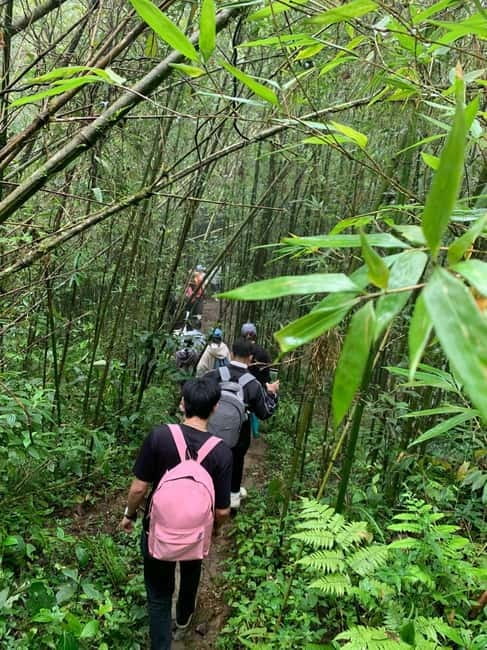
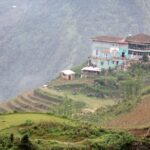
After lunch, you keep going through peaceful fields and bamboo forests, then arrive at Ta Van village, home to the Giay people.
This portion feels slower and quieter than the morning climb. The terrain still requires attention, but the vibe changes: fewer steep bursts, more long stretches where you’re walking alongside village life rather than just moving between viewpoints.
You’ll get time to explore the Giay way of life—calm, day-to-day, and less focused on performance. That’s the point. You’re not just touring; you’re being invited into the rhythm of the valley for a few hours.
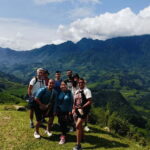


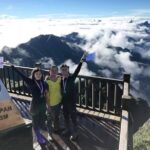
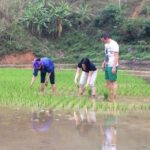
Small group and local-host energy (Linh and Mamacita show up on some trips)
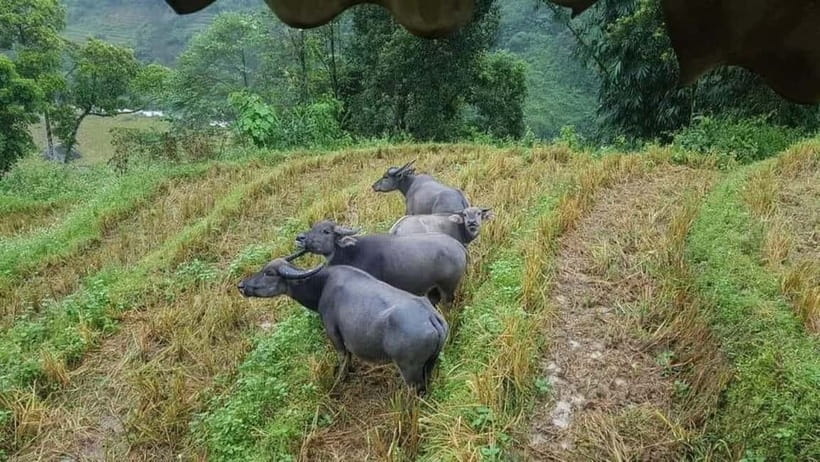
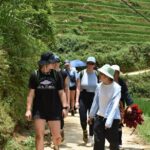
This is a small-group style tour, which makes a difference in Sapa. On a crowded trek, guides move like clockwork and you end up sprinting for the photo. With fewer people, it’s easier to pause, adjust, and keep your balance on uneven ground.
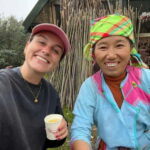
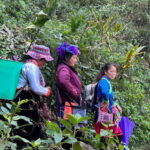
You may be guided by local staff who speak English and Vietnamese. On some departures, people specifically mention a guide named Linh, described as kind and flexible—able to change the route based on what you want, including taking more adventurous paths when the group has energy.
For the lodging version that includes an overnight, a homestay host named Mamacita has been mentioned as welcoming, with family members helping in the kitchen and sharing the meal experience. Even when you’re just visiting for a day, that family warmth often shows up in how lunch is handled and how the guide introduces you to what matters.
If it’s muddy: boots, socks, and the real Sapa weather
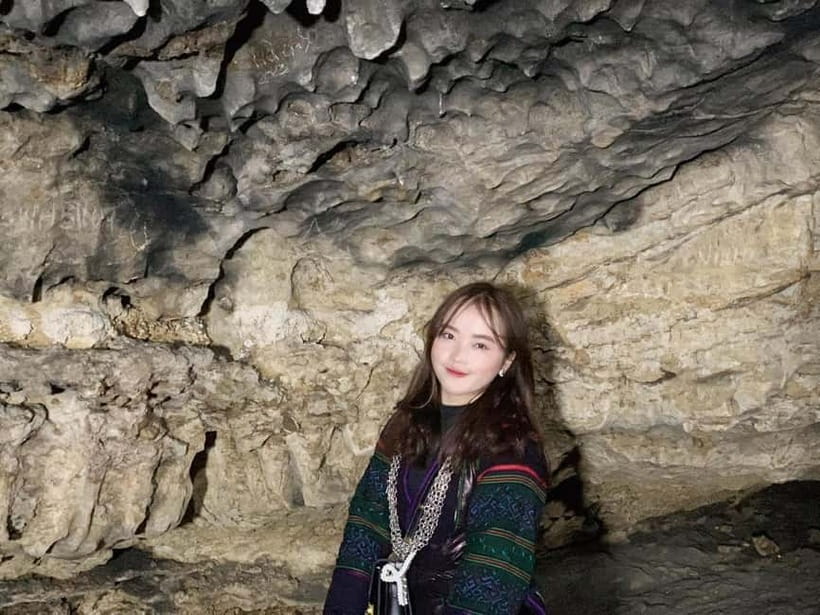
Sapa weather can flip quickly. Fog and rain are common enough that the trekking should be treated like a “prepare for wet” day, not a “maybe it’s fine” day.
A key practical tip from the experience: Wellington boots are sometimes provided when paths get muddy. That’s a lifesaver for your shoes and your mood. Still, I’d bring extra socks, because some boots may have thinner soles or don’t pad your feet the way you’d want for a long walk.
Also pack for layers. Even on bright days, mountains can cool you down once you get above the town.
Small trail boosts you might find on the route
The trek route can include small shops along the way where you can grab water and simple items. It’s not a guarantee for every section, so don’t assume you can buy everything whenever you want—but it’s a comfort to know it can exist on some days.
Price and value: why $20 can work here
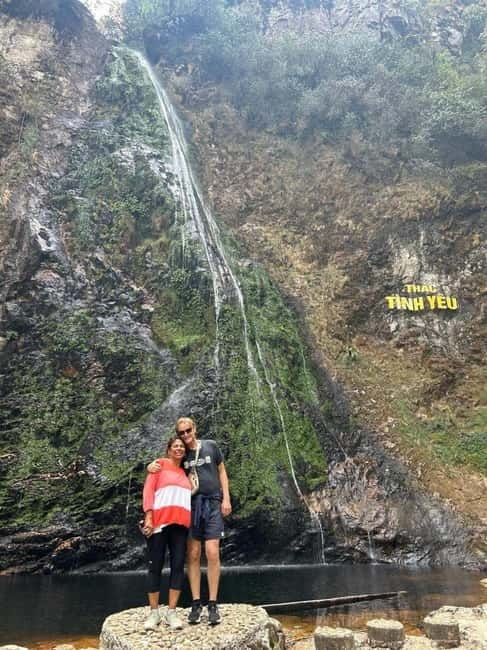
At $20 per person, the value is strong—if you match the trip to your expectations.
You’re paying for a package that includes:
- an English-speaking local guide
- transport back from Ta Van to Sapa town
- traditional lunch in a local house
- entrance fees to villages
- the activities listed in the plan
What you’re not paying for includes:
- personal expenses (souvenirs, extra snacks)
- travel insurance
- additional drinks during lunch
Now the real question: is $20 “cheap” or is it “simple”? It’s both. This isn’t a luxury lodge-and-spa day. It’s village-to-village walking with real conditions. The money mostly goes to guiding, organizing the route, and putting you with local families for lunch and cultural time.
That’s why small-group matters here: you’re not just buying transportation and a viewpoint. You’re buying time with people and a structured route that helps you enjoy Sapa instead of wrestling it.
The 1-day vs 2-day confusion: check what your date includes
One thing to pay attention to: parts of the information describe a day trek with lunch and a return to Sapa. At the same time, the fitness note mentions a 2 days, 1 night route covering 19 km.
So before you go, confirm which format you’re actually booked into:
- If it’s the day version, you’ll start at 9:00 AM and finish with a ride back from Ta Van in the afternoon.
- If it’s the 2-day, 1-night version, you’ll add an overnight in a simple, authentic homestay with basic facilities.
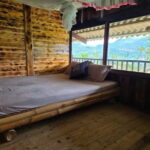
If you do the overnight, lodging has been described as spartan but cozy, sometimes with a double bed. That’s not a hotel. But it can be a memorable, straightforward way to experience the valley after the crowds thin out.
What to pack so you enjoy the hike more than you fear it
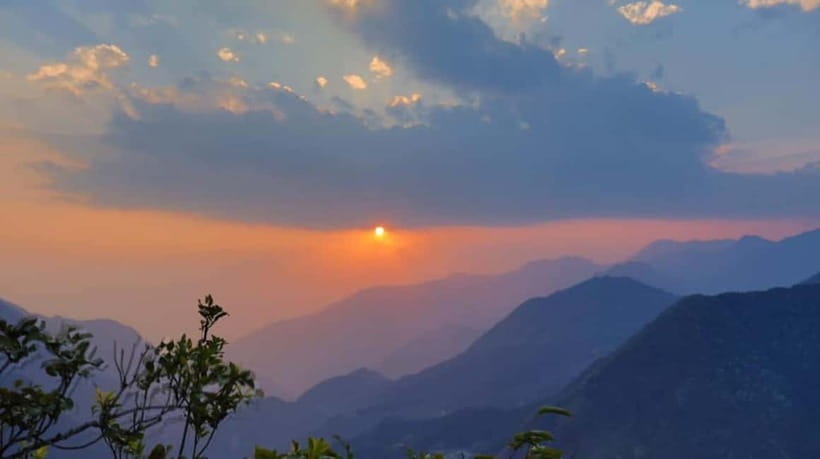
Bring trekking basics and a little respect for mud:
- Comfortable shoes with traction for steep, uneven ground
- Raincoat or light jacket for sudden weather shifts
- Sunscreen, hat, sunglasses (Sapa days can still burn you through clouds)
- Mosquito repellent
- A change of clothes (especially helpful if you get wet)
- If you expect rain: extra socks are worth it
Also, keep your expectations flexible. If conditions are muddy, you’ll appreciate a guide who can adapt routes, not a rigid plan that insists on the fastest track.
Who this trek suits best (and who might want another option)
This works best for you if:
- you’re comfortable with moderate fitness and uneven paths
- you like small-group travel and prefer talking with hosts rather than chasing landmarks
- you want rice terraces plus real village encounters with Black Hmong and Giay communities
- you’re okay with simple comforts and eating a homemade meal in the middle of walking days
You might want to rethink (or ask about alternatives) if:
- you hate slippery terrain and struggle with steep climbs
- you need a super-predictable, flat route
- you’re traveling with very young kids (the tour data says children under 4 are free, but it also says it’s not suitable for babies under 1 year)
Should you book this Sapa trek with locals?
I’d book it if you want Sapa to feel human and practical, not just scenic. For the money, the combo of rice-terrace walking, village time, lunch in a stilt house, and a local guide gives you a lot more “why this place matters” than a basic sightseeing loop.
Just confirm your format (day trek vs 2-day/1-night) and plan for muddy feet and steep steps. If you do that, this is the kind of Sapa day that stays with you—because you remember the valley, sure, but you also remember the way families welcomed you into their routine.
FAQ
Where is the meeting point?
You meet at Sapa Stone Church in the town center.
What time does the tour start?
The trek starts at 9:00 AM.
How do you get to the start of the trek?
After meeting in Sapa, you take a 30-minute drive to the area where the trek begins.
Which villages does the route include?
The trek goes through Y Linh Ho, then Lao Chai, and finishes at Ta Van.
Is lunch included?
Yes. You’ll have a traditional homemade lunch in a local house.
Is the tour guided?
Yes. You’ll travel with an English-speaking local guide.
What is the fitness level?
The trek is listed as moderate, with steep and uneven terrain.
How long is the tour?
One part of the information describes a day trek, while the fitness note mentions a 2 days, 1 night option covering 19 km. Check your exact booking for your dates.
What should I bring for trekking?
Bring comfortable trekking shoes, a light raincoat/jacket, sunscreen/hat/sunglasses, mosquito repellent, and a change of clothes.
Is the tour good for kids and babies?
The data says children under 4 are free. It also says the tour is not suitable for babies under 1 year. It is also listed as not suitable for people over 95 years.