REVIEW · HANOI
3 Day 2 Night Trek
Book on Viator →Operated by Sapa Tribal Trekking · Bookable on Viator
One of Vietnam’s best small-group treks. This 3-day Sapa tribal trek pairs real time on the trails with night stays in local homes, plus expert English guidance on the Hmong, Dzao, and Tay communities around Hoàng Liên Sơn. You walk past rice terraces, bamboo forest, and village paths that feel quieter than the usual tourist circuits, then unwind by family tables and mountain sunsets.
What I liked most is the way the walk stays human, not just scenic. Homestays mean you’re not holed up in a hotel bubble, and meals feel like part of the day, not an afterthought. I also love the guide touch—Giang, who leads with local family knowledge, helps you connect the culture to what you’re seeing on the trail and even shares practical ideas for getting to Sapa from Hanoi.
The main thing to consider is physical effort. This is labeled for moderate fitness, and you’ll be trekking for multiple days, including about 12 km on Day 1 over roughly 3.5 hours (plus village walking and the natural ups and downs that come with mountain routes). If you’re looking for easy flat sightseeing, this won’t feel like that.
In This Review
- Key highlights you should care about
- Why this Sapa tribal trek feels different from a basic tour
- Giang and the local guide advantage (plus the family network)
- Day 1: Y Linh Ho, Muong Hoa Stream, Lao Chải, and a Ta Van homestay
- Day 1 evening: Dzay family time, sunset, and the homestay rhythm
- Day 2: bamboo forest to Su Pan lunch, then terraces and Ban Hòn
- Day 2 night: farming or cooking, then a Tay family dinner
- Day 3: sunrise in Ban Hòn, Nam Tống village, and back to Sapa
- Meals, comfort, and what’s included (and what isn’t)
- Price and value: what $180 covers, and why it can be worth it
- Getting there from Hanoi: what you control, and what the guide may help with
- What to bring and how to pace yourself on a moderate trek
- Weather reality: when plans need to bend
- Who should book this, and who might not love it
- Should you book the 3-day 2-night Sapa tribal trek?
Key highlights you should care about
- English-speaking local guidance that explains Sapa’s history, surroundings, and tribes as you walk
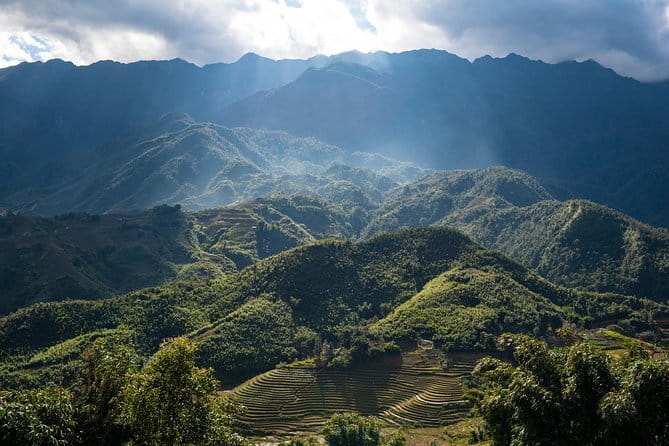
- Rice-terrace and stream walking on Day 1, including the Muong Hoa Stream area and village-to-village paths
- Homestay nights with options like wifi and hot showers at some homestays, or a more authentic local house stay
- Culture built into the schedule, not tacked on: meeting families, chatting, and hands-on moments like farming or cooking
- Giang’s extra practical help, including advice on getting from Hanoi to Sapa and help with taxi and luggage storage when needed
- Community value, since the tour emphasizes fair wage opportunities for Hmong guides and local people in a region where many live below the poverty line
Why this Sapa tribal trek feels different from a basic tour
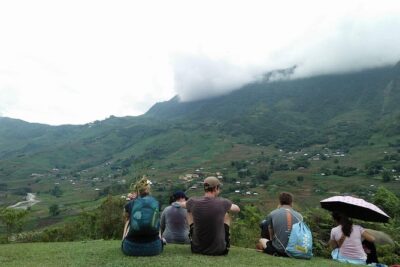
Sapa can be a “see it and leave” place if you only do the main viewpoints. This trek works because it’s built around moving through villages and rice fields at a human pace. You’re not just looking at the mountains—you’re walking the paths people use, passing through areas tied to distinct ethnic communities like Black Hmong in Lao Chải, Dzay (Zay) in Ta Van, and Tay in Ban Hòn.
I also like how the experience is explicitly about relationships. You’re accompanied by one (or more) local English-speaking guides who bring context to what you’re seeing: costumes, daily life, and how people live with the rhythms of farming and mountain weather. And on nights in homestays, you’re invited into family routines—sunset watching, dinner together, and conversation around the evening calm.
One more thing: the trail is set up to help you avoid the busiest shortcuts. The Day 2 route is described as peaceful, with you unlikely to see many other tourists. That matters when you’re trying to actually hear village life between the steps.
You can also read our reviews of more tours and experiences in Hanoi.
Giang and the local guide advantage (plus the family network)
Your guide is the difference between a photo walk and a meaningful trip. In this experience, you’ll be with English-speaking native local guides, and one of the standout names connected to this trek is Giang. From what I’ve seen in real guest feedback, she doesn’t treat guiding like a script. She adjusts routes and timings to what the group needs and wants.
Giang also comes through on the practical side. She’s helped with advice on how to get to Sapa from Hanoi, and in at least one case she helped arrange a taxi from the bus office and offered luggage storage ideas. That’s the kind of hands-on support that can save you time when you’re trying to connect travel days smoothly.
Another nice layer is the sense of a local family network around the trek. Names like Giang’s niece Zo and someone referred to as Ma show up in guidance, which fits the broader idea: you’re not working with a “remote operator.” You’re working with people who live there and know the ground.
Day 1: Y Linh Ho, Muong Hoa Stream, Lao Chải, and a Ta Van homestay
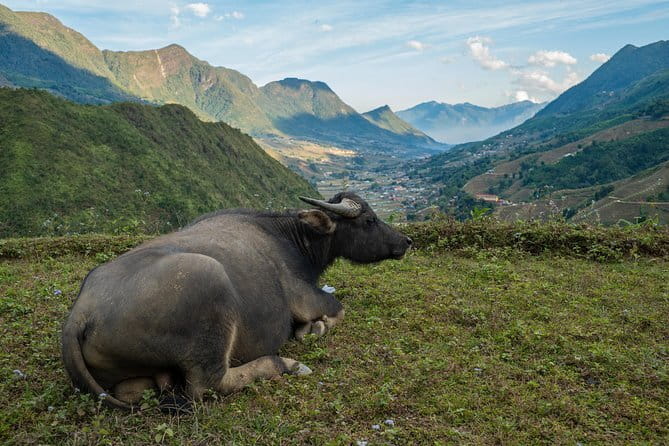
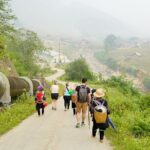
Day 1 is the big “first walk” day, built to ease you from village visiting into steady trekking. You start by experiencing the colorful traditional costumes of groups such as H’Mong, Dzao, Tay, Zay, and Xa pho. Then you head to Y Linh Ho, which sets the tone for the afternoon: people, costumes, rice fields, and mountain views shaped by everyday work.
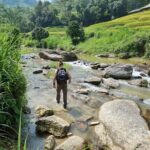
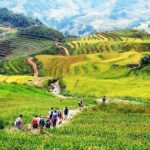
After lunch, the trek takes you through rice terraces and along the Muong Hoa Stream toward Lao Chải, a village associated with Black Hmong. The Hoàng Liên Sơn mountain backdrop is a core part of the appeal, and you approach the next village—Ta Van—in the late afternoon.
The walk itself is about 12 km and takes roughly 3.5 hours, but plan for the full feel of the day. Trekking time is rarely just your steps; it includes slow moments for views, route adjustments, and short stops to observe what’s around you.
Potential drawback to keep in mind: Day 1 is your first day with limited time to recover if you’re arriving late the night before. If you’re coming from Hanoi, try not to make Day 1 your arrival day with zero sleep.
Day 1 evening: Dzay family time, sunset, and the homestay rhythm
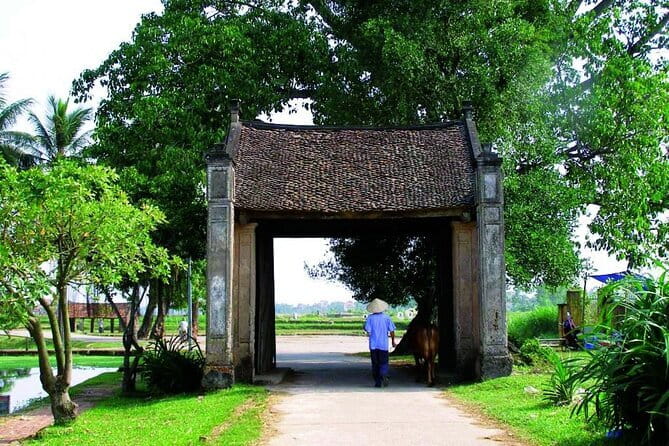
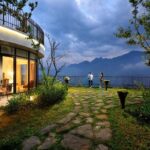
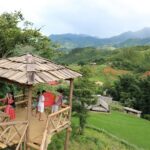
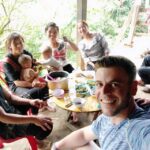
What you do after the walk is just as important as the walking. In the Ta Van area, you check in at a homestay or local house and get to know a Dzay family host. The plan includes spending time with your hosts, watching the sunset, and sharing a meal—either with the family or in a calmer homestay dinner setup.
This is where the tour’s “back to basics” value shows up. Instead of switching between attractions, you slow down. You learn names, habits, and what daily life looks like from the inside of a mountain home. The tour also mentions time huddling around an open fire with rice wine and local delights, which is the kind of cultural moment that works best when you approach it with curiosity and respect.
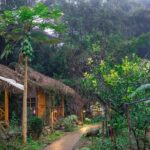
A practical note: homestay comfort can vary. The experience description says you may stay in homestays with wifi and hot showers, or you might stay in a more authentic local house. That flexibility is part of why it feels real, but if you’re someone who needs consistent modern amenities, don’t assume every night will match the same comfort level.
Day 2: bamboo forest to Su Pan lunch, then terraces and Ban Hòn
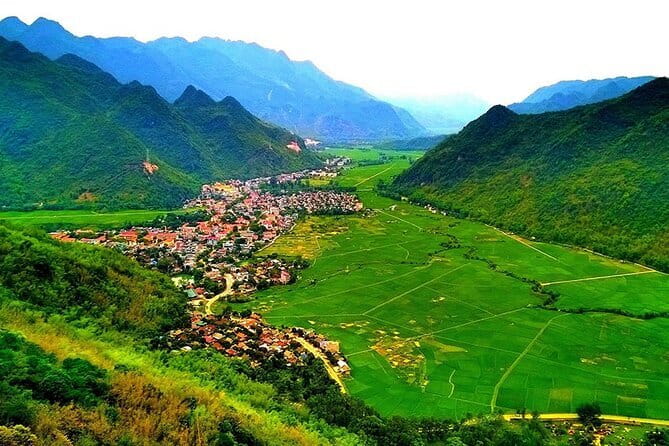
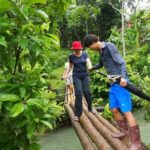
Day 2 starts with breakfast prepared by your host family. Then you hit the trail through rice fields, and the route takes a turn into bamboo forest, which changes the feel fast—cooler shade, quieter footing, and that “walking-in-the-mountains” sensation.
You stop for panoramic views of Ta Van – Giàng Tả Chải, a community tied to Red Dzao people. This is a good day for letting your guide do their job: they connect what you see to who lives there and how the terrain affects daily work. It’s also one of the best days for photos, because your views open up right after the forest section.
After trekking, you reach Su Pan and have lunch at a home of a H’Mong or Dzao host. That’s a smart move in a tour like this. It gives you a rest point that feels local and not like a generic restaurant stop.
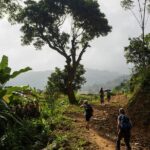
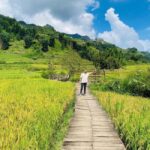
In the afternoon you trek through rice terraces and along the valley. The route is described as peaceful and unlikely to include crowds. Then you approach Ban Hòn and check in to another homestay, this time tied to Tay people.
This day is where you’ll notice the real rhythm of the trek: your energy rises and falls with the trail and scenery, and the homestay breaks are timed to keep you from running on empty.

Day 2 night: farming or cooking, then a Tay family dinner

After checking in at the Ban Hòn homestay, you’ll have time to settle and connect with your Tay host family. The options here are genuinely different depending on what’s going on that day: you may attend farming or cooking local food with your host family, or you may enjoy a quieter dinner setup.
This is one of the reasons the trek sticks in your memory. You’re not only watching culture—you’re doing small parts of it. Even if you can’t speak the language, you can still learn by participating in what’s in front of you: ingredients, timing, and the way routines fit into the day’s weather.
One consideration: since this is home-based, the experience can be as spontaneous as real life is. If you need a strict schedule with zero uncertainty, a homestay trek may feel less predictable than a hotel-based day tour.
Day 3: sunrise in Ban Hòn, Nam Tống village, and back to Sapa

Day 3 starts with a quieter kind of trekking morning. You watch sunrise and have breakfast prepared by the family, then begin the final village walk through Nam Tống village, which is home to Tay and Red Dzao people.
Lunch comes next—at a restaurant or local house—followed by meeting local people and learning about their way of life. Then you head back to Sapa, ending the activity back at the meeting point.
The structure here is practical: you get an easy-to-emotional start with sunrise and breakfast, then a shorter final window to learn and chat before returning. For many people, that makes Day 3 feel like a gentle landing instead of a forced finish.
Meals, comfort, and what’s included (and what isn’t)
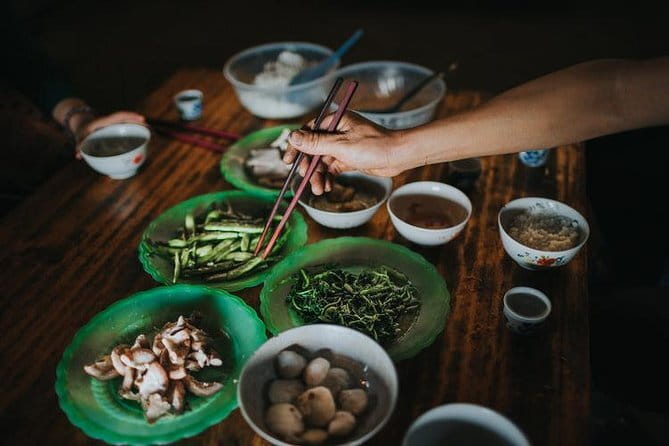
The trek includes breakfast twice, lunch three times, and dinner twice. That matters because it removes one of the hardest planning problems in rural trekking: finding food between steps. It also means meals are aligned with your walking day rather than shoehorned in as an afterthought.
Homestay nights can include wifi and hot showers, but you might also stay in a simpler local house. That’s not a problem if you plan for it. It’s a bigger deal if you’re traveling with expectations that every comfort level will match a city hotel.
Also, bring the right mindset about meals. The tour is built around local food and shared time. If you’re very picky, you’ll still likely eat well, but you may need to be flexible.
On insurance: the tour data explicitly asks you to have comprehensive travel insurance. For a multi-day trek, that’s smart.
Price and value: what $180 covers, and why it can be worth it
At $180 per person, this trek is priced as an experiential, guide-led program rather than a budget day tour. Whether it’s good value comes down to what you’re getting beyond walking:
- You’re paying for local English-speaking guides and their time over multiple days.
- You’re paying for homestay hosting, including meals and time with families.
- You’re paying for a trail plan that keeps you on village routes tied to real communities like H’Mong and Dzao, not only scenic viewpoints.
A single good guide can justify the price on its own, and Giang’s extra support—help with Hanoi to Sapa travel planning, taxi help, and luggage storage—adds real-world value when your trip involves connecting transport. The community-focused framing also matters to me. The trek emphasizes giving back to H’mong guides and local people with fair wage opportunities in a region where many are below the poverty line. When a tour is tied to local income in a clear way, you can feel good about where your money lands.
One practical drawback: this isn’t a cheap trek, and $180 can feel like a lot if you planned to do only one or two paid activities in Sapa. But if you want Sapa with people and nights in village life, this price starts to make sense quickly.
Getting there from Hanoi: what you control, and what the guide may help with
The tour starts at the meeting point in Sapa (address: 690 Đường Điện Biên Phủ, TT. Sa Pa). Start time is 9:00 am, and the trek ends back at the same meeting point.
That means you handle your own Hanoi-to-Sapa travel. Giang’s guidance can help you plan that part—she’s offered suggestions for how to get to Sapa from Hanoi and has arranged taxi help for at least one traveler, including luggage storage support.
If you’re going to do this, I’d treat Hanoi-to-Sapa as its own mini-plan. Arrive early enough that you’re ready at 9:00 am, and don’t assume last-minute logistics will be smooth.
What to bring and how to pace yourself on a moderate trek
The tour asks for moderate physical fitness, so think “you can hike,” not “you want a couch day.” Day 1 includes about 12 km, with multiple days of trekking after that. If you’re coming from sea level and haven’t walked much, you’ll want to take it steady.
For practical packing (general trekking sense, not special tour gear claims):
- Comfortable hiking shoes with grip
- A light rain layer (mountain weather can shift quickly)
- Water and a small snack pouch for your own comfort between meal times
- A day bag you can keep on you while trekking
- Sun protection, plus something for cooler mornings if you run cold
Pacing tip: don’t sprint. The real payoff comes from stopping when your guide points out something specific—costumes, villages, and rice field views that look different from different angles.
Weather reality: when plans need to bend
This trek requires good weather, and the experience notes that if it’s canceled due to poor weather, you’ll be offered a different date or a full refund. That’s the correct approach for mountain treks.
If you’re choosing dates, you’ll generally do better with flexibility. Build in a little cushion on your overall schedule so a reschedule doesn’t derail your whole Sapa time.
Who should book this, and who might not love it
This trek is best for you if:
- You want village-to-village walking around rice fields and streams
- You enjoy homestays and talking with hosts
- You value cultural explanation as part of the day, not as a separate “lecture”
- You’re okay with simple comfort levels, and you’re not traveling only for hotel amenities
You might think twice if:
- You want only easy, short sightseeing with minimal walking
- You require consistent hot shower and identical comfort each night
- Your schedule is too tight to handle a potential weather change
Should you book the 3-day 2-night Sapa tribal trek?
Yes, if your idea of Sapa includes walking with real local guides, spending nights with families, and learning why villages look and operate the way they do. This is the kind of trip where the scenery matters, but the people and the rhythm of daily life are what you’ll remember when the photos fade.
I’d book it now if you’re ready for moderate trekking, you’re open to homestay style living, and you want Sapa in a way that supports local income. If you’re the type who needs lots of predictability and zero variation, ask questions first and consider how you feel about the overnight comfort range.