REVIEW · KATHMANDU
Everest Base Camp Trek
Book on Viator →Operated by Nepal Trekking Routes Pvt. Ltd · Bookable on Viator
Lukla to Everest starts fast. This trek links a scenic flight into the Khumbu with culture stops in Namche Bazaar and Tengboche Monastery, then pushes you up to Everest Base Camp at 5,380m. For the big payoff, the trek culminates with a Kala Patthar panorama that frames Mount Everest and neighboring peaks in a way you won’t forget.
What I really like is how the route mixes altitude goals with real community time. You’re not just walking between viewpoints; you’re moving through Sherpa villages, monasteries, and local food culture, with Namche’s Sherpa Museum acting like a neat on-ramp for understanding the region. Another strong point is the built-in logistics and service mindset, including pickup in Kathmandu and a clearly managed trek flow.
One consideration: this is serious high-altitude trekking. The itinerary reaches thin-air territory, so you’ll want a moderate physical fitness base and a willingness to pace yourself, especially near the upper elevations.
In This Review
- Key highlights at a glance
- From Tribhuvan Airport to Lukla’s Tenzing Hillary airstrip
- Namche Bazaar: the Khumbu’s trade center and Sherpa Museum stop
- Tengboche Monastery: a spiritual pause with Ama Dablam in your sightline
- Inside Sagarmatha National Park: moving through UNESCO-protected high country
- Everest Base Camp at 5,380m: the day the dream becomes concrete
- Everest View Hotel break: a high-altitude meal with perspective
- Kala Patthar: 360-degree Everest drama and why it’s the final exam
- Guides, pace, and safety: what the company reputation suggests
- Price and value: what $1,290 covers and what you must budget
- Who should book this Everest Base Camp trek
- Should you book Everest Base Camp with Nepal Trekking Routes?
- FAQ
- Where is the meeting point in Kathmandu?
- How long is the Everest Base Camp trek?
- What is the highest elevation reached?
- Is there a flight involved, and where does it go?
- What’s included in the tour price?
- Do I need a visa in advance?
- Can I cancel and get a full refund?
Key highlights at a glance
- Kathmandu–Lukla flight into Tenzing Hillary Airport puts you in the mountains quickly
- Namche Bazaar + Sherpa Museum helps you connect culture to the trail
- Tengboche Monastery (largest in the Khumbu region) offers calm spiritual stops with mountain drama
- Sagarmatha National Park frames the trek inside a protected UNESCO World Heritage area
- Everest View Hotel is a chance for a meal break at very high altitude
- Kala Patthar 360-degree viewpoint is the classic payoff for Everest and nearby peaks
From Tribhuvan Airport to Lukla’s Tenzing Hillary airstrip
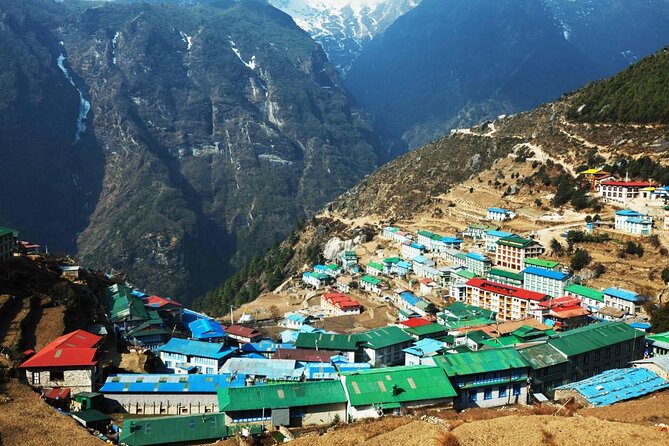
Most Everest Base Camp treks feel like a long march—this one starts by cutting the travel time with a scenic flight from Kathmandu to Lukla (Tenzing Hillary Airport). Kathmandu sits around 2,860m, then the jump to the Khumbu’s trailhead helps you begin trekking with the rhythm the region expects.
You’ll also benefit from having someone coordinate your start. The tour lists pickup offered and a meeting point at Tribhuvan Airport in Kathmandu, so you’re not trying to figure out logistics while you’re fresh off an international or domestic arrival. That matters on a trek where timing and organization are part of the safety picture.
The big practical question you should ask yourself before you go is simple: are you comfortable combining flying and trekking? If you are, the route’s pace feels efficient. If flying is a stress point, plan extra patience with yourself, because the trek’s best scenery and cultural anchors start right after you land in Lukla.
You can also read our reviews of more tours and experiences in Kathmandu.
Namche Bazaar: the Khumbu’s trade center and Sherpa Museum stop
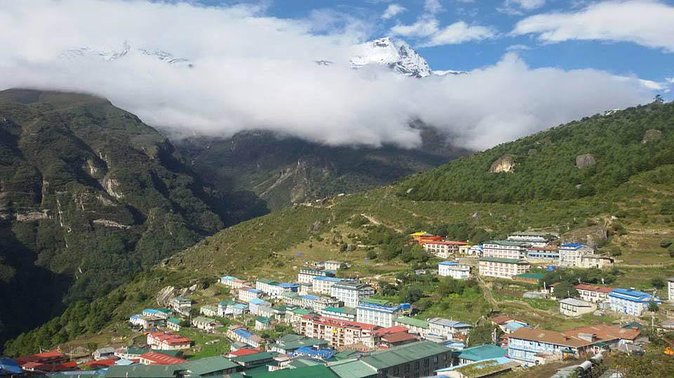
Namche Bazaar is where the Everest Base Camp trek turns from “road to adventure” into “local life with a mission.” The tour description calls it the business hub of the entire Khumbu region, and that’s exactly what you’ll feel when you arrive—shops, tea houses, and steady movement from villagers and trekkers alike.
This stop is also where you get a clearer mental map of who you’re walking beside. Namche includes the Sherpa Museum, and even if you only spend a short time there, it helps you connect the dots on Sherpa traditions, the region’s history of mountaineering, and how the community supports trekkers and climbers.
A detail I especially like is that the experience is positioned around more than scenery. You’re guided through Sherpa villages, culture, tradition, typical cuisines, and hospitality. In practical terms, that can mean better conversations on the trail—so the trek starts to feel personal rather than just strenuous.
Tengboche Monastery: a spiritual pause with Ama Dablam in your sightline
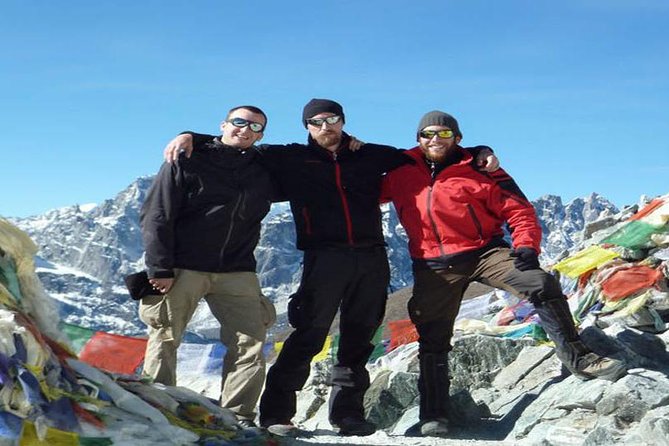
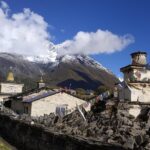
Tengboche Monastery is a highlight for a reason: it’s described as the largest in the Khumbu region, and it sits with standout mountain scenery in view. The tour notes it’s on the lap of Mount Ama Dablam, which gives this stop a dramatic “holy place under big peaks” feel that’s very specific to the Khumbu.
Here’s why this matters for you. Everest Base Camp trekking is hard enough physically that you need emotional breaks, not just fuel stops. A monastery visit can do that. It’s also a useful reset if you’ve been climbing for a couple of days and your legs are tired but your mind is still racing.
If you’re the type who likes understanding what you see, this is a good point in the trek to slow down. You’ll be surrounded by spiritual practice, daily life, and the strong relationship between the mountains and the people living in their shadow. Even if you’re not religious, the calm rhythm of a monastery stop tends to make the rest of the trek feel more meaningful.
Inside Sagarmatha National Park: moving through UNESCO-protected high country
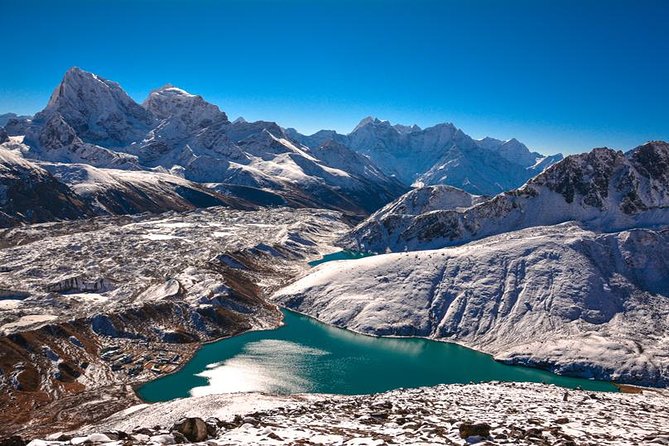
As you climb higher, you’re trekking in Sagarmatha National Park, which the tour lists as a UNESCO World Heritage Site. That designation isn’t just a label. It signals that you’re in a protected area with regulations and an ecosystem worth respecting.
In real terms, UNESCO status can shape your trek experience through how the region is managed—trail expectations, preservation priorities, and the overall care taken by local teams. You’ll also feel the shift in elevation over the course of the trek: higher ridges, colder air, and a landscape that gets quieter as you go.
The route is also built around understanding the Khumbu’s human side: Sherpa villages, tradition, and typical cuisines. That combo is a strong value add. A trek that only sells views can feel thin by day 8 or 9. Here, you get cultural context so the walking has story, not just effort.
Everest Base Camp at 5,380m: the day the dream becomes concrete
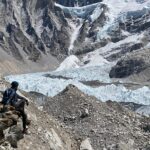
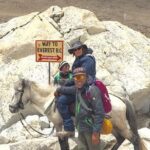
The core promise is clear: you’ll reach a high point of 5,380m (17,600ft) at Everest Base Camp. The tour frames it as getting very close to Mount Everest—close enough that the whole idea stops being theoretical and becomes physical.
That high elevation is also the main reason this trek demands honest pacing. The experience is not described as a sightseeing stroll. Even with moderate fitness, you’ll need to manage effort as the air gets thinner. One thing I’d plan for: the last couple of days can feel noticeably tougher, not because you’re suddenly unfit, but because your body has to work differently at altitude.
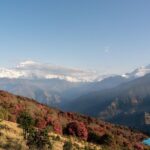
What you can expect as a reward is the classic Everest cluster view—Mount Everest, Mount Lhotse, Mount Cho Oyu, and other surrounding peaks. You’re also following the trail spirit of mountaineering pioneers Sir Edmund Hillary and Tenzing Norgay, which adds a symbolic layer to reaching the base camp zone.
And yes, there’s an emotional factor here. People do this trek because the mountains feel bigger than normal life. Still, a good trek operator helps you arrive at Base Camp with less stress. The tour’s strong organization reputation (including responsive communication and guided care) is exactly what you want when altitude makes decision-making harder.
Everest View Hotel break: a high-altitude meal with perspective
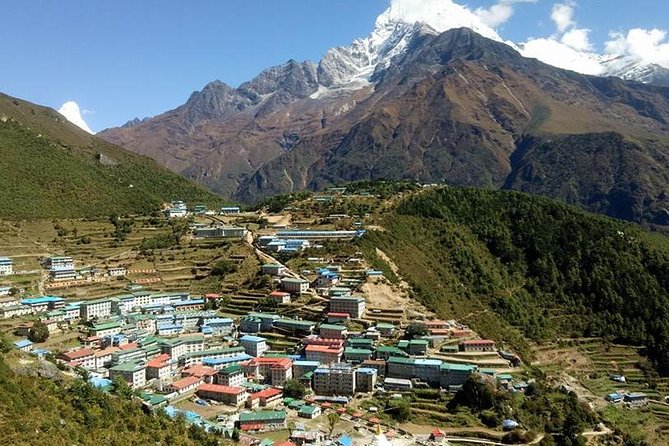
One of the practical perks called out in the tour overview is the chance to have breakfast or lunch at Everest View Hotel, described as one of the world’s highest-altitude hotels.
Think of this as a “gravity moment.” You’re far from the Kathmandu routine—so a proper meal stop becomes more than convenience. It’s also a morale tool. Sitting down, warm-ish food in front of you, and a chance to look out over the mountains helps you keep perspective when your breathing is doing extra work.
Also, meals matter on this kind of trek because they support your pace. Even if you’re not hungry, you’ll want to eat in a way that supports the next climb. A named stop like this makes it easier to plan your day and reduces the mental load of figuring out where to rest.
Kala Patthar: 360-degree Everest drama and why it’s the final exam
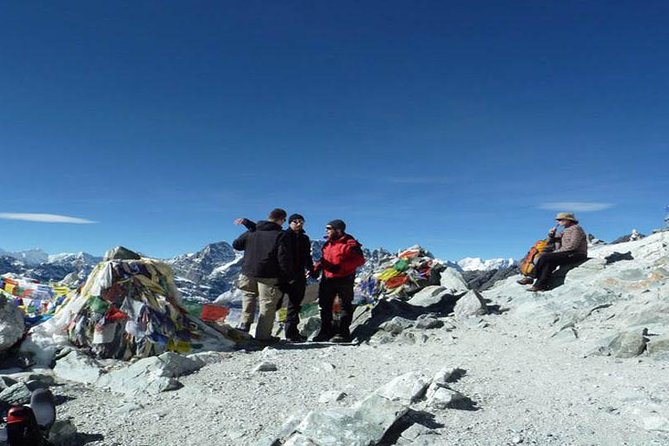
If you’re chasing the most iconic payoff, Kala Patthar is the reason. The tour highlights a 360-degree panoramic view of Mount Everest and nearby snowcapped peaks, from a high viewpoint close to the Everest region’s skyline.
This is often where the trek feels like it has a “final exam” moment. You’re already near the upper elevations, and then you go for one more viewpoint that demands commitment. The reward is not only Everest itself, but the way the surrounding peaks frame the entire region in a single sweep.
Timing matters too. You’ll want clear conditions for that all-around view. The trek description leans into the grandeur of seeing Everest and nearby peaks together, so plan to treat the last climb as an attention moment, not a hurried victory lap.
Guides, pace, and safety: what the company reputation suggests
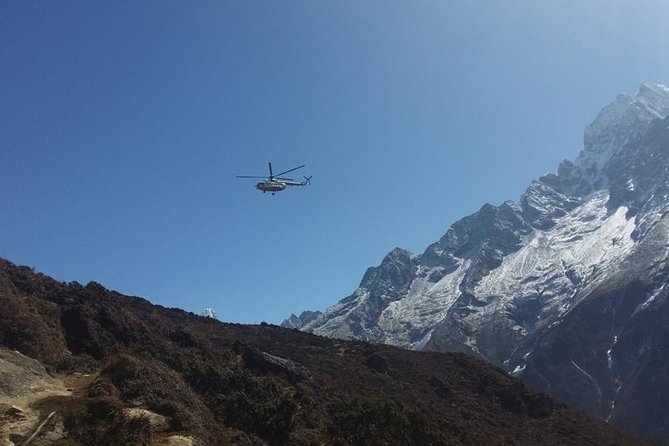
A recurring theme in the tour’s reputation is that the company’s value shows up in real logistics and real people. Names that come up include Shailesh (local owner), with guides such as Bishnu, Hari, Navien, Nawin, and support staff like Santa and Tek. That matters because you don’t just need a route—you need guidance when the air gets thin and the day feels longer than expected.
One practical example of why this is valuable: multiple experiences highlight flexible adjustments and problem-solving, including handling schedule shifts and keeping flights on track when things don’t go perfectly. That kind of competence reduces stress, and stress is the enemy of good pacing on high-altitude treks.
So what should you do as you decide? Ask yourself if you want a trek where someone is actively managing the small moving parts—pickup coordination, national park fee handling, overnight lodging structure, and the daily flow. If yes, this style of operation is a strong match.
Price and value: what $1,290 covers and what you must budget
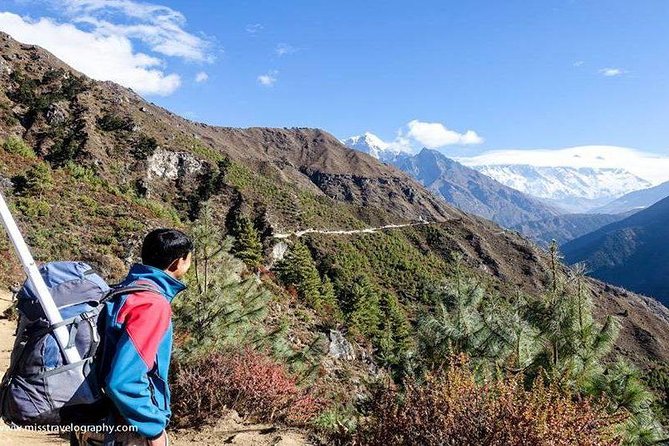
At $1,290 per person for a trek that runs about 14 days, the price sits in the “serious adventure” category. The value comes from what’s included, not just the total figure.
Included in the package are:
- Overnight accommodation
- Airport/Departure Tax
- National Park fees
The trekking highlights also imply you’ll be moving with the operator’s planned structure, including the scenic Kathmandu–Lukla flight and the core cultural and viewpoint stops like Namche Bazaar, Tengboche Monastery, Everest View Hotel, Everest Base Camp, and Kala Patthar.
Not included costs you should plan for:
- Alcoholic beverages
- WiFi on board (not included)
- Personal expenses
- Nepal arrival visa (the description says an arrival visa system exists)
- International flight fare
- Tips for guide and porter
Here’s the straightforward way to think about it: if you’re already paying for your international flights, visa, and daily personal spending anyway, this package’s inclusions help you avoid double-booking and guesswork. You’ll still need to bring cash for personal items and tips, but the big cost components—lodging structure and park fees—are covered.
Who should book this Everest Base Camp trek
This trek is aimed at people with at least moderate physical fitness who want a guided route that balances mountains with culture. The tour also caps group size at a maximum of 15 travelers, which usually means you’re not stuck in a crowded scrum while hiking.
You’ll likely enjoy it if you:
- Want Sherpa village culture and monastery visits, not only summit-chasing
- Like structured pacing with a guide team
- Appreciate clear organization from Kathmandu out to the high country and back
You might want to reconsider if you’re looking for an ultra-light, low-commitment hike. The destination is high altitude, and the emotional payoffs at Base Camp and Kala Patthar don’t happen without effort. Also, if you need guaranteed quiet or total privacy, remember the trek can run with a group (up to 15).
Should you book Everest Base Camp with Nepal Trekking Routes?
I’d recommend booking if you want the most classic Everest Base Camp experience, with strong organization and cultural stops built in. The combination of Kathmandu pickup, a flight into Lukla, Namche’s context-setting Sherpa Museum, Tengboche Monastery’s spiritual break, and the climactic Kala Patthar panorama is a clean recipe.
Book it if you’re ready to treat altitude seriously and you want support from people like Shailesh and local guide teams such as Bishnu, Hari, Navien, or Nawin (names vary by trip). The logistics focus shows up in details like smooth coordination from Kathmandu onward and the way the trek is managed day-to-day.
Skip it if you’re hoping the experience will feel easy or hands-off. This is a real trek to 5,380m, and the best version of this trip is for people who plan, pace, and respect the mountains.
FAQ
Where is the meeting point in Kathmandu?
The meeting point is Tribhuvan Airport, Kathmandu, Nepal.
How long is the Everest Base Camp trek?
The duration is listed as 14 days (approx.).
What is the highest elevation reached?
The trek reaches a highest elevation of 5,380m (17,600ft).
Is there a flight involved, and where does it go?
Yes. The trek includes a scenic flight from Kathmandu to Lukla (Tenzing Hillary Airport).
What’s included in the tour price?
The price includes overnight accommodation, airport/departure tax, and national park fees.
Do I need a visa in advance?
The information says you can use a Nepal arrival visa system, so you do not necessarily need to arrange it before arriving.
Can I cancel and get a full refund?
Yes. You can cancel up to 24 hours in advance for a full refund; within 24 hours, it’s not refunded.