REVIEW · USHUAIA
Laguna Esmeralda Trekking Adventure with Lunch
Book on Viator →Operated by Tangol · Bookable on Viator
Laguna Esmeralda rewards you for getting muddy. This Tierra del Fuego trek gives you Laguna Esmeralda without the heavy crowds, plus a return loop that takes a different path for extra views and photo chances. I also love the small group pace—enough time to look around instead of racing down the trail. The main catch: the walk can feel longer and wetter than the word easy suggests, especially with lots of mud.
The payoff is the setting. You’ll travel by minibus to the Tierra Mayor Valley area, start your hike at the Nunatak Refuge, and cross peat bogs and streams while moving through ancient Coihues and Lengas forest. Then you stop at the Emerald Lagoon for a proper lunch break on the banks.
Because conditions can swing fast, you’ll need to show up ready. Bring layers, waterproof outerwear, and waterproof trekking boots—and note that the guide may deny participation if you don’t have the right gear.
In This Review
- Key things to know before you go
- Leaving Ushuaia on your own schedule, not the crowd schedule
- The travel day setup: minibus to Tierra Mayor Valley, then straight into the trek
- Stop 1: Parque Nacional Tierra del Fuego and the Nunatak Refuge start
- Stop 2: The Emerald Lagoon break with lunch on the banks
- What the hike feels like: mud, cold, and the kind of effort that sneaks up
- Bring layers like you mean it
- Guides and small-group pace: the difference between a hike and an outing
- Lunch box reality: included, but quality can vary
- Price and value at $125: what you’re really paying for
- Wildlife spotting without the fantasy promises
- Who should book this trek (and who should skip)
- Should you book the Laguna Esmeralda Trekking Adventure with Lunch?
- FAQ
- What does the Laguna Esmeralda trek include?
- How long is the experience?
- What kind of fitness level do I need?
- What should I wear or bring?
- Is this tour allowed for cruise passengers?
- How big is the group?
- What happens if weather is bad?
Key things to know before you go
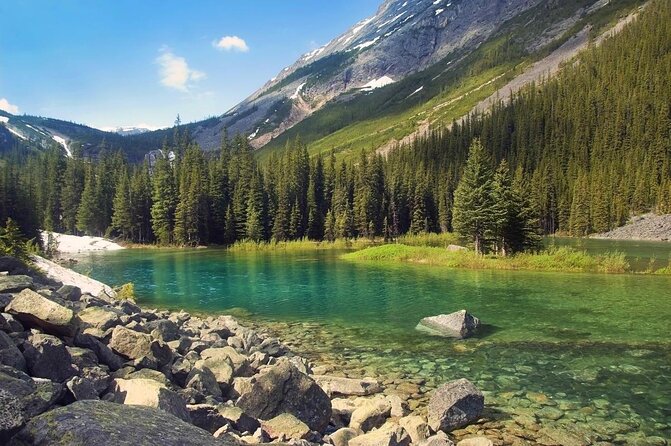
- Small group size (max 15) keeps the hike calmer and more conversational
- Different routes out and back mean more angles on the same scenery
- Cold-weather terrain: peat bogs, streams, and lots of mud are part of the deal
- Lunch box included at Laguna Esmeralda so you’re not scrambling for food
- Wildlife sightings are possible (beavers, foxes, condors), so keep your camera handy
- Weather matters: the activity requires good conditions to run comfortably
Leaving Ushuaia on your own schedule, not the crowd schedule
This is a full half-day outdoors, run from Ushuaia with a morning pickup at selected hotels. Your tour start is listed as 9:00 am, and the morning pickup timing is described as around 8:00 am depending on your hotel location, so plan to be ready a bit before. You’ll ride in a minibus with your guide and group, then head out toward the Tierra Mayor Valley.
I like that the logistics are handled for you. You’re not trying to figure out remote trailheads or timing your own transport. And with a maximum of 15 people, the group stays small enough that the guide can keep an eye on footing and help everyone pace the hike.
One more practical note: cruise passengers aren’t allowed on this tour. If you’re in town from a ship, you’ll want to book the right style of excursion on your dates.
You can also read our reviews of more tours and experiences in Ushuaia.
The travel day setup: minibus to Tierra Mayor Valley, then straight into the trek
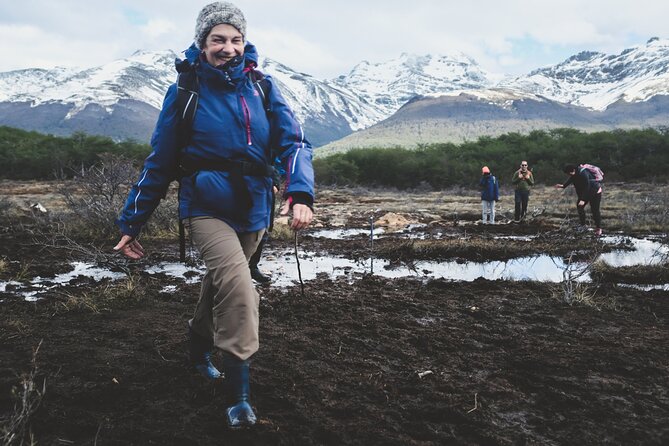
The day starts with a minibus ride for about 20 km (12.5 miles) to the Tierra Mayor Valley, where the Nunatak Refuge is located. From there, you begin trekking through wet ground and forest. The pace is guided, and the route is designed as a loop—so you’re not just walking out and reversing your steps.
I also find it helpful that the stops are structured. You get a morning trek through the forest environment, a clear moment for lunch at the lagoon, then a return leg back to the refuge via a different route. That loop design is a quiet quality-of-life improvement: it keeps the day from feeling repetitive.
Your return to Ushuaia is scheduled for roughly early to mid-afternoon. The plan describes drop-off around 2:00 pm, with the return minibus leaving the refuge around 4:00 pm in the itinerary details—so either way, assume you’ll be back in time for a late lunch or a relaxed afternoon plan.
Stop 1: Parque Nacional Tierra del Fuego and the Nunatak Refuge start
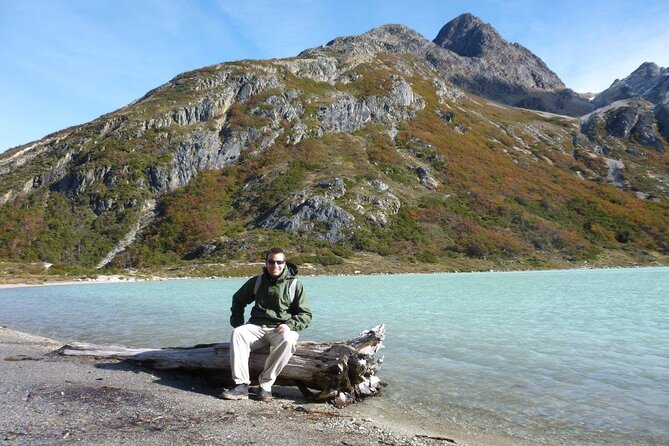
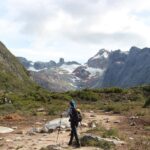
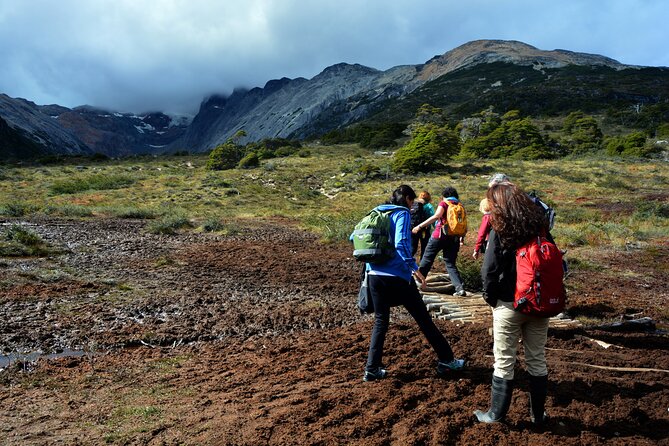
Your first big act is getting into the heart of Parque Nacional Tierra del Fuego area—starting from the Nunatak Refuge. The hike here crosses peat bogs and streams, and it’s surrounded by old-growth style forest with Coihues and Lengas trees. This is the kind of walk where the ground tells the story: you’re moving through a living landscape, not past it at a viewpoint.
This section is also where the wildlife odds start to feel real. You’ll be “camera ready” for possible sightings like beavers, foxes, and condors. Nobody can promise animal encounters, but the terrain and the guide focus make it more likely you’ll notice movement and listen at the right moments.
The time in this first leg is listed as about 3 hours, and admission is free for this part. The biggest thing I’d plan for is footing. Even if you’re physically capable, peat bogs can be tiring because every step asks you to balance. If you tend to rush when you’re excited, force yourself to slow down—your body will thank you later at the lagoon.
Stop 2: The Emerald Lagoon break with lunch on the banks
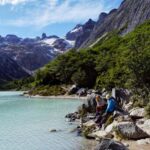
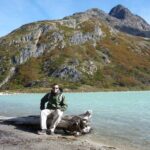
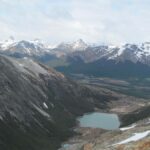
Then the day shifts to the main goal: Laguna Esmeralda, also called the Emerald Lagoon. This is where you stop for a rest on the banks and eat the lunch box you’re provided. The water color is described as uniquely striking, and the lagoon’s position in the Cordillera Fueguina is part of why the scenery looks so dramatic.
You also get intentional photo time here. The plan isn’t just a quick look and go; you’ll have time to sit, take photos, and take in the views before continuing. In one group experience shared, people highlighted that there was enough time to enjoy the beauty and not feel whipped through the stop.
After lunch and photos, you head back toward the Nunatak Refuge along a different path than the route you used earlier. This is one of the best design choices in the day. You’ll see new angles and avoid the boredom of repeating the same narrow views.
Admission is listed as free for this stop too. And yes, the lagoon is the headline—but how it feels on a cold, windy day is part of the memory. One shared experience even noted that in freezing conditions, the water can be cold enough to change what you see. If weather is harsh, you still get the walk and the experience, but your expectations for how the lagoon looks should stay flexible.
What the hike feels like: mud, cold, and the kind of effort that sneaks up
The trek is described as suitable for moderate physical fitness, and the excursion is recommended for age 9 and up. That said, several experiences point to a very common Patagonia reality: terrain difficulty comes from conditions, not just distance.
The trail surface can be muddy, with lots of mud and a forest walk that may be more challenging than the word easy implies. One shared concern was that the hike was longer and more strenuous than expected, especially when the pace felt fast on uneven ground. Another person said the approach can be long, and the ground can be difficult depending on wet conditions.
Weather also plays a big role. You might get wind, snow, or freezing rain, even outside mid-winter. There’s also a strong signal from past days that guides adapt fast—one experience praised a guide for providing extra rain gear and leading the group safely through unexpected summer-like weather turns. Another described a day that became a winter wonderland with snow.
So here’s my practical takeaway for you: don’t dress for “typical Ushuaia.” Dress for worst-case. Warm clothing and waterproof trekking boots are mandatory, and the guide may deny participation if you don’t show up properly geared.
Bring layers like you mean it
The gear list provided is specific, and it’s for a reason:
- thermal layer or fleece
- waterproof jacket and pants
- gloves
- hat
- neck warmer or buff
- waterproof trekking boots
And if you’re tempted to wear lighter shoes because it’s a short hike—don’t. This walk includes peat bogs, mud, and wet forest ground. Your feet are the whole plan.
Guides and small-group pace: the difference between a hike and an outing
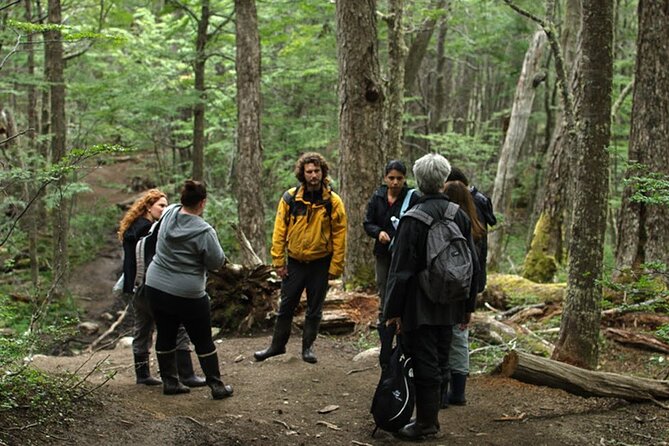
This is guided by a bilingual professional guide, and the group size stays small (max 15). That matters because the day depends on safe movement through wet ground. A good guide keeps you steady, explains what you’re seeing, and adjusts when weather changes.
The human factor shows up clearly in the shared experiences. People specifically called out guides like Amaya and Valerie for being knowledgeable and helpful, and another person mentioned Gabriel for strong service and a day that felt enjoyable from start to finish. There’s also praise for English clarity in at least one instance, which is a big deal when you’re trying to understand how the terrain and wildlife connect.
Because it’s a small group, you also get a more relaxed rhythm. If your goal is nature and views—not collecting checkmarks—this pacing is easier to enjoy. You’ll still walk, but you’ll also have moments to breathe and look.
The one drawback to watch for: if you’re sensitive to pace, note that some experiences described the guide walking fast over difficult terrain. That doesn’t mean the guide is wrong—it just means you should tell yourself you’re here to walk safely, not to keep up with athletic day-hikers.
Lunch box reality: included, but quality can vary
Lunch is included as a lunch box at the lagoon. This is a real value add because you’re far from town once you start hiking. You can focus on the trail and not worry about hunting down food.
That said, quality impressions can differ. One shared comment described the provided snack/lunch as nothing to write home about, while other people praised the overall day flow and time at the lagoon. Translation for you: expect basic trail-food style lunch. It will do the job, and the best part is where you eat it—on the banks of Laguna Esmeralda with time to sit.
If you’re the type who needs a more substantial meal to feel human on a wet hike, you might consider your own small backup snack. Just don’t pack something that turns into a mess in cold conditions.
Price and value at $125: what you’re really paying for
At $125 per person, you’re paying for a guided day that includes pickup and drop-off (selected hotels), transfers, a bilingual guide, and a lunch box. For Ushuaia, that bundle is often where the value shows up.
One shared experience flagged the price as a bit high compared with other bookable activities around town at roughly $100. That comparison makes sense if you’re looking only at the hike itself. But this trek isn’t only the trail—it’s also the transport to the Tierra Mayor Valley area, the small-group guiding, and the included lunch setup at the lagoon.
Also, you’re paying for reduced crowd pressure. The whole point is to escape the beaten track and get a calmer hike where you can connect with other hikers and move at a relaxed pace. If you want scenic hikes but hate feeling herded, that’s where the price can feel more justified.
One last value factor: this tour is commonly booked ahead. The average booking window is listed as 76 days, which usually means you should reserve early so you’re not stuck with fewer time slots.
Wildlife spotting without the fantasy promises
Here’s the honest part: beavers, foxes, and condors are possibilities, not guarantees. The guide and the setting are the reason wildlife can show up, and you should stay camera ready as the day goes on.
What you can do is train your attention. In wet forest terrain, you’ll hear more than you see if you’re constantly talking over everything. Slow down your mental pace, listen for movement, and take your time at natural pauses—like when you’re on the banks for lunch.
Also, keep your expectations flexible about the lagoon itself. Cold conditions can affect what you see. Even if the color isn’t at its most Instagram-ready, the walk, the forest, and the experience of being out there still have value.
Who should book this trek (and who should skip)
This experience is a good fit if:
- you’re comfortable with wet ground and occasional mud
- you’re open to changing weather and staying warm
- you want a guided hike with pickup, transfers, and lunch handled
- you like small groups and a more relaxed pace
It’s less ideal if:
- you strongly dislike muddy terrain or slippery footing
- you want an easy stroll with minimal effort
- you need a cruise-day excursion option (cruise passengers aren’t allowed)
- you’re not able to wear the required gear in cold, wet conditions
The minimum age recommendation is 9 and up, and it’s framed as moderate fitness. But remember: conditions drive difficulty. If you’re between gear sizes or unsure about waterproof boots, solve that before you show up.
Should you book the Laguna Esmeralda Trekking Adventure with Lunch?
Book it if you want the real Tierra del Fuego feel: peat bogs, ancient Coihues and Lengas forest, and a lunch stop at the Emerald Lagoon with a different path on the way back. The best reason to choose it is the combination of small-group pace plus guided logistics—you get outdoors time without planning stress.
Skip it or look for an easier alternative if you’re expecting a dry, smooth trail day. The terrain can be muddy and challenging, and the day depends on weather. If you go in prepared—layers, waterproof boots, and patience for cold—this is the kind of hike that turns into a strong memory of Ushuaia, not just a quick stop at a view.
If you’re deciding this week, also consider timing. Since tours are often booked far in advance, reserving early is the simplest way to lock in your dates and avoid scramble.
FAQ
What does the Laguna Esmeralda trek include?
It includes hotel pickup and drop-off from selected hotels, a bilingual professional guide, and a lunch box.
How long is the experience?
The duration is about 7 hours on average. The hiking time is split into two main legs, with around 3 hours on the first trek section and about 4 hours on the second.
What kind of fitness level do I need?
It’s recommended for travelers with moderate physical fitness.
What should I wear or bring?
Warm clothing and waterproof trekking boots are mandatory. Dress in layers (thermal layer or fleece), bring a waterproof jacket and pants, gloves, hat, and a neck warmer or buff. The guide may deny participation if your gear isn’t appropriate.
Is this tour allowed for cruise passengers?
No. Cruise passengers are not allowed to take this tour.
How big is the group?
The tour has a maximum group size of 15 travelers.
What happens if weather is bad?
The experience requires good weather. If it’s canceled due to poor weather, you’ll be offered a different date or a full refund.