REVIEW · HANOI
Sapa 3 Days Trekking Tour ( Overnight Train + Homestay + Hotel )
Book on Viator →Operated by LOCAL TOURS VIETNAM · Bookable on Viator
You can feel Sapa before you even arrive. This 3-day mountain trek pairs an overnight train from Hanoi with a Ta Van homestay and then a full day in Sapa town.
I especially love how you get real village walking time, not just quick stops. I also like that the route mixes Hmong areas (Cat Cat) with Dzay territory (Ta Van) so you see more than one slice of Sapa life.
One consideration: the trekking is short-to-medium but the overnight train and transfers can be tiring, and the bus cabin can feel cramped if you’re tall or bulky.
In This Review
- Key highlights at a glance
- A Sleeper Train Start: Hanoi to Lao Cai the Easy Way
- First Trek Day: Y Linh Ho → Lao Chai → Ta Van (Homestay Night)
- Y Linh Ho: your first “mountain walk”
- Lao Chai: lunch inside the village rhythm
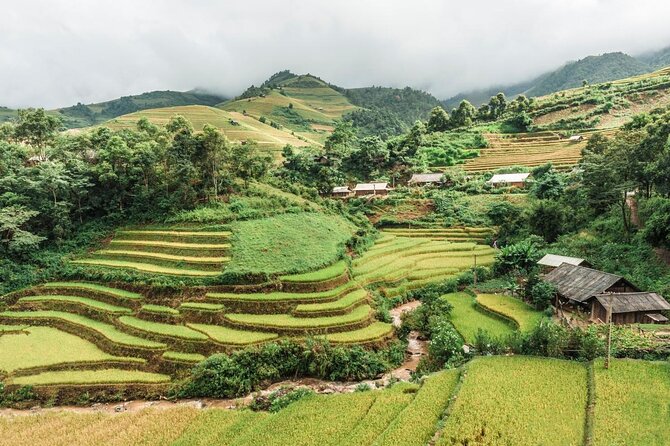
- Ta Van: terraces, rice fields, and the Dzay community
- Ta Van Homestay Night: Family Life Over Hotel Time
- Second Day: Giang Ta Chai → Su Pan → Back to Sapa Town
- Breakfast with local family pace
- Giang Ta Chai: village edge views and growing attention
- Su Pan: a smaller, more withdrawn feel
- Back toward Ta Van and the “small wonders”
- Return to Sapa: hotel night + free time
- Third Day: Cat Cat and Sin Chai (Fansipan Area) + Overnight Train Back
- Cat Cat village: Black Hmong on the move
- Sin Chai: near the roof of Vietnam
- Return to Sapa, then to Lao Cai by bus
- Food, Pace, and Weather: What to Expect Day to Day
- Weather is a real part of the plan
- Price and Value: What $195 Buys You (and What It Doesn’t)
- Who This Trek Fits Best (and Who Should Rethink)
- Should You Book This Sapa 3 Days Trekking Tour?
- FAQ
- How do I get picked up for the Hanoi to Sapa train?
- What train route and timing is included?
- Where do I stay during the trip?
- What kind of trekking is involved and how hard is it?
- Are meals included?
- Is the guide and entry fees included?
Key highlights at a glance
- Overnight trains (Hanoi ⇄ Lao Cai) cut wasted daytime travel and help you start trekking faster
- Ta Van homestay gives you a real taste of rural rhythms in a family home
- Small group size (max 13) keeps the walking schedule manageable and the guide easier to reach
- Guided village route through Y Linh Ho, Lao Chai, Ta Van, Giang Ta Chai, and more
- Sapa town time on day two so you’re not trekking every minute of the trip
- Local English-speaking guide to help with safety, pacing, and village context
A Sleeper Train Start: Hanoi to Lao Cai the Easy Way
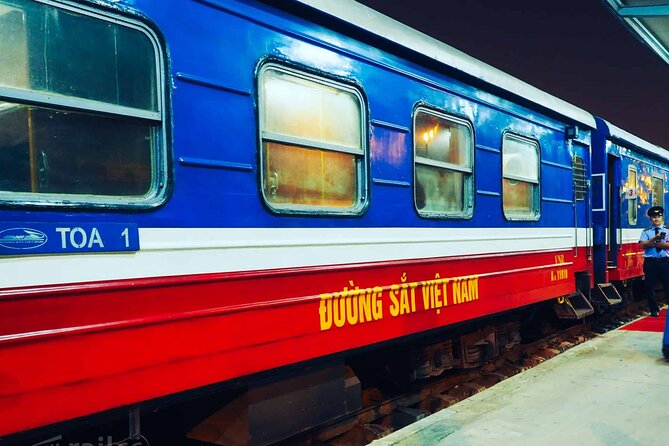
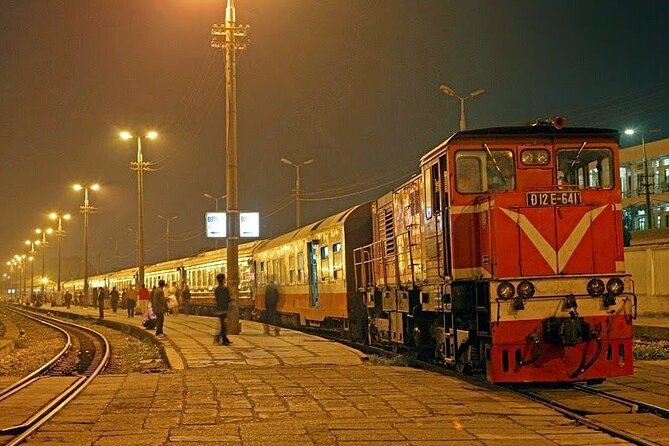
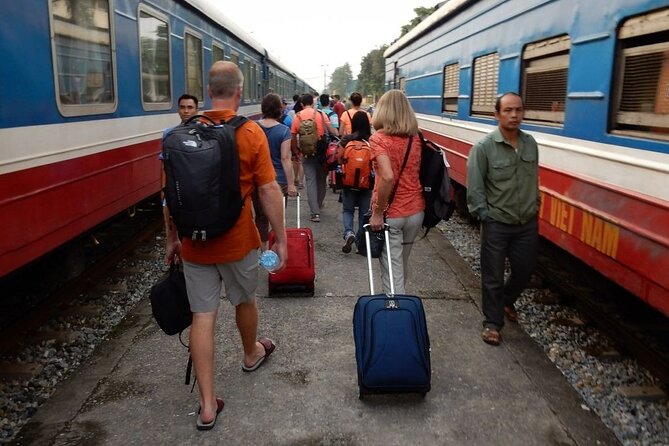
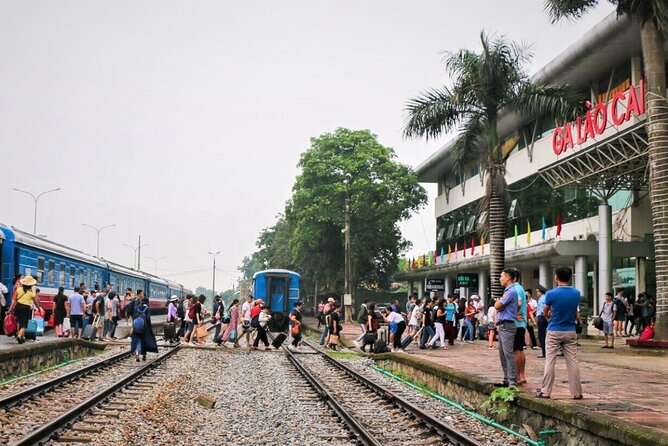
This tour begins in Hanoi at 8:30 pm. If you’re staying in the Old Quarter area, you’ll be met at your hotel/stay and taken straight to Hanoi Train Station for your overnight train toward Sapa. The point isn’t just convenience; it’s timing. You’re basically trading a whole day of transit for sleep, then waking up near the start of the mountain region.
The overnight train ride to Lao Cai is listed at about 8 hours. Expect a real train rhythm: you’ll get there early enough to start your day with energy (or at least with caffeine in hand). When the train arrives around 6:20 am, the guide and driver greet you and handle transfers forward.
What I like: the logistics are organized enough that you don’t waste your first morning figuring things out. You simply move from train to local transport to hiking.
What to consider: overnight train travel can be bumpy for some people, and one practical note from the field is that the smaller vehicle transfer feels tight for people around six feet tall. If that’s you, wear layers you can move in and plan on a less-comfy night.
You can also read our reviews of more tours and experiences in Hanoi.

First Trek Day: Y Linh Ho → Lao Chai → Ta Van (Homestay Night)
Day one is the trek that sets your tone. You land at Lao Cai, then make your way to Sapa and start moving through the villages and terraces.
Y Linh Ho: your first “mountain walk”
The morning starts with a guided push into the countryside, with a trek level rated 6/10. You’re looking at roughly 6 km of walking early in the day, plus additional movement that can include driving segments depending on the day’s flow. Meals are included here: breakfast, lunch, and dinner, and you’re headed toward the Ta Van area for the homestay.
If you like photos of footpaths, bridges, and valley views, this portion is built for that. The tour also keeps you moving in a way that balances effort with scenery, which matters on a first day when you’re still waking up from train time.
Lao Chai: lunch inside the village rhythm
Next comes Lao Chai, with another 3 km down toward the village. This is your lunch stop. The value here is simple: you’re not just passing through; you’re pausing where daily life happens.
Practical tip: use this time to refill water and reset your legs. By day two, your pace will either feel smooth or annoying depending on how you manage the first day’s fatigue.
Ta Van: terraces, rice fields, and the Dzay community
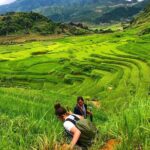
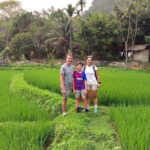
After lunch, you continue through terraced rice fields to Ta Van village, described as home to the Dzay minority. The trek is marked as relatively easy, but with an important warning: if it rains, the trail can get slippery. So bring good footwear with grip, not flat flip-flops and not slick trail shoes.
By late afternoon or evening, you reach the homestay and check into your family home for night one. This is a key part of the whole experience. You’re exchanging hotel convenience for a slower kind of attention—family meals, simpler rooms, and time that feels less like a tour stop.


Ta Van Homestay Night: Family Life Over Hotel Time
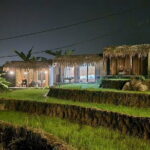
Your first night off the train is in a local homestay in Ta Van. The tour doesn’t promise luxury, and that’s not the point. The point is that you get to spend the night inside the village rhythm rather than returning to a town hotel right away.
Expect a basic, functional setup. You’ll likely spend time eating together and settling in as the day cools down. For me, what makes homestay nights valuable is that they turn the trek into a relationship, not just a walk. You’ll have a more human sense of why these villages live where they do—how paths, terraced fields, and valley geography shape daily routines.
Possible drawback: homestays can be noisier or simpler than city hotels. If you’re someone who needs a very consistent bed and bathroom setup, plan your expectations accordingly.
Second Day: Giang Ta Chai → Su Pan → Back to Sapa Town

Day two is rated 5/10 and includes about 10 km of trekking. It’s also designed as the “scenic highlights” day, with multiple village stops and views across the Muong Hoa Valley area.
Breakfast with local family pace
You start the day with breakfast at a local family. Then you move on to the next community visits.
Giang Ta Chai: village edge views and growing attention
The route includes Giang Ta Chai Village, described as set at the edge of Muong Hoa Valley. It’s noted as gaining popularity for its colorful customs and traditions, which means you’ll likely see more visitor interest than on the quieter segments. Even so, the benefit of a guided visit is that you understand what you’re looking at instead of just walking through scenery.
Su Pan: a smaller, more withdrawn feel
Next is Su Pan, described as less traveled and more withdrawn due to its small population base. That matters because it keeps the day from turning into a nonstop crowd experience. You get to slow down and notice details at human speed.
Back toward Ta Van and the “small wonders”
There’s another stop at Ta Van Village with mention of things like a stunning waterfall, rattan bridges, and ferns and orchids hanging from the overhangs. Those details are why this second day feels different from day one: the tour isn’t just repeating terraces and paths—it’s pointing out textures, materials, and small features that don’t show up if you only think about distance walked.
Return to Sapa: hotel night + free time
Around 15:00, you return to Sapa town, check into the hotel, and get free time to explore. This is your chance to reset, eat on your own if you want, and browse the market for colorful handicrafts.
One realistic note: day two includes trekking plus travel time, so keep your evening plan simple. The tour gives you freedom, but you’ll probably want quiet recharge time more than late-night wandering.
Third Day: Cat Cat and Sin Chai (Fansipan Area) + Overnight Train Back
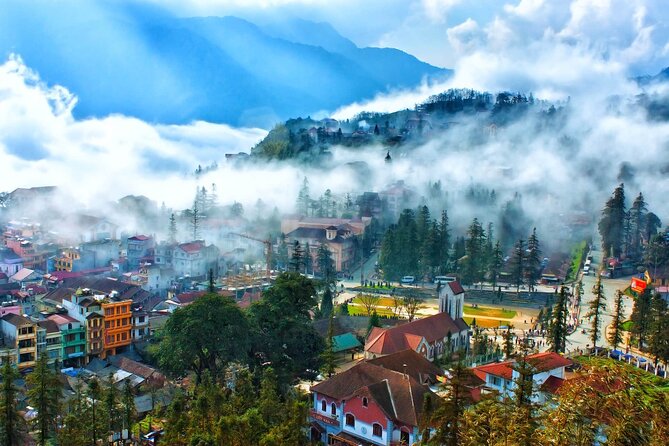
On day three, you do one more guided trek loop and then you turn around back toward Hanoi.
Cat Cat village: Black Hmong on the move
After breakfast (around 9:00 am), the tour heads to Cat Cat village, about 4 km south-west of Sapa. This is the Black H’mong community. The walking segment includes chances for views and the classic village setting of paths and water features.
The trek portion is rated 4/10, described as moderate and manageable for many people, especially compared to day one’s higher rating.
Sin Chai: near the roof of Vietnam
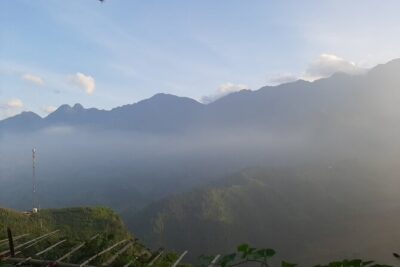
Then you hike to Sin Chai village (about 3 km) near the bottom of Fansipan Mountain, known as the roof of Vietnam and Indochina. Even if you don’t go to the summit, the setting changes how the valley looks—more open, more exposed, and more “mountain-real” than just town edges.
Return to Sapa, then to Lao Cai by bus
After visiting Sin Chai, you head back to Sapa with a trek portion of about 7 km plus 3 km driving, then return to your hotel for check-out and lunch at a restaurant.
In the afternoon, there’s a bus transfer from Sapa to Lao Cai train station for the night train back to Hanoi. The arrival back in Hanoi is described as around 5:30 am to 6:00 am after about 8 hours on the train, with the tour finishing at Hanoi Train Station.
Food, Pace, and Weather: What to Expect Day to Day

This tour includes 9 meals total: breakfasts, lunches, and dinners as part of the program. That matters because Sapa-area hiking can eat your budget quickly if you’re paying every meal separately. Here, meals are handled for you while you’re in the trekking days and homestay night.
Your pace is also guided. The itinerary uses a mix of walking and driving segments, and it builds in village time for lunch. That’s a big deal. You’re not just chasing distance; you’re being routed through communities in a way that keeps you from burning out.
Weather is a real part of the plan
The experience is described as requiring good weather, and if weather is the reason for cancellation, you’ll be offered a different date or a full refund. Also, the trek portion notes slippery trails if it rains. So pack for the possibility of wet ground even if forecasts look friendly.
Price and Value: What $195 Buys You (and What It Doesn’t)
At $195 per person, the value comes from the bundle. You’re not paying separately for trains, a guide, village fees, and multi-night lodging. The package includes:
- Round-trip sleeper trains: Hanoi → Lao Cai and back
- Hotel night in Sapa (3-star or 4-star)
- Homestay night in Ta Van
- Sharing bus transfers between Lao Cai and Sapa and back
- Local English-speaking guide
- Entrance and sightseeing fees as listed
- 9 included meals
What’s not included: beverages, travel insurance, tax, personal expenses, and tips. Holiday surcharges may apply too.
My take: this is priced like a “real itinerary” rather than a bare-bones trekking day. If you were to piece it together yourself, you’d still pay for transport, guides, and lodging. The biggest savings here is the planning and the fact that trains + transfers + stays are tied into one flow.
Who This Trek Fits Best (and Who Should Rethink)
This tour is a strong choice if you want:
- a guided introduction to Sapa’s minority communities (Dzay and Black H’mong are explicitly part of the route)
- trekking with manageable distance and built-in breaks
- an overnight homestay experience rather than a quick photo stop
- minimal stress with transport because the trains handle the big long-haul segment
It may be less ideal if:
- you expect hotel-level comfort every night
- you’re very sensitive to overnight train sleep quality
- you’re not happy with wet trail conditions and need very dry, flat paths
If you want a lot of heavy hiking every day, this might feel moderate. If you want a mix of walking plus culture plus valley views, you’ll likely enjoy it.
Should You Book This Sapa 3 Days Trekking Tour?
I’d book it if you want the classic Sapa rhythm: train in at night, village walking by day, and a homestay night where you slow down. The combination of guided village route, included meals, and sleeper trains makes it a good value plan for people who want Sapa without turning your trip into logistics homework.
I’d pause before booking if you’re worried about sleep on trains, cramped transfer vehicles, or rain-slick paths. The route is doable for many, but it still expects you to be comfortable on mixed terrain.
If you can handle one basic night in Ta Van and one night on a train, this tour gives you a very full taste of Sapa across three different settings: mountains, village home life, and the town market.
FAQ
How do I get picked up for the Hanoi to Sapa train?
You’ll be met at your hotel/stay in the Old Quarter area around 8:30 pm, then taken to Hanoi Train Station for the overnight train.
What train route and timing is included?
The tour includes overnight train tickets for Hanoi → Lao Cai (about 8 hours) and Lao Cai → Hanoi (also about 8 hours). You arrive back in Hanoi around 5:30 am to 6:00 am.
Where do I stay during the trip?
You spend 1 night in a hotel in Sapa (listed as 3-star or 4-star) and 1 night in a local homestay in Ta Van. The other nights are on the trains.
What kind of trekking is involved and how hard is it?
Trek difficulty is rated in the itinerary: Day 1 is 6/10, Day 2 is 5/10, and Day 3 is 4/10. Distances listed include about 10 km on day 1, 10 km on day 2, and 7 km on day 3, with some parts including driving.
Are meals included?
Yes. The tour includes 9 meals total, following the program’s breakfast, lunch, and dinner schedule.
Is the guide and entry fees included?
A local English-speaking guide is included in the Sapa trekking portion, along with entrance and sightseeing fees as listed in the itinerary.