REVIEW · GUBA KHACHMAZ REGION
3-Day Hiking & Trekking Tour Remote Villages in Guba Azerbaijan
Book on Viator →Operated by Azerbaijan Traveller · Bookable on Viator
A walk into the Greater Caucasus. This 3-day, 2-night hike in the Guba-Khachmaz region trades big-city sightseeing for remote village life along old mountain trails, plus homestays with local families in places like Griz and Khinalig. I love how the route climbs into wildlife country and reaches up to 2360m, and I love the mix of hiking effort with real cultural contact (not just a photo stop). One heads-up: Day 1 includes a very steep ascent with big exposure, so if heights make you nervous, this plan is not a good match.
What also matters is your pace. You’ll hike multiple days with changing difficulty levels, and the itinerary expects a moderate physical fitness base (with one segment that needs extra care). If you show up with the wrong clothes, the mountains will feel longer than they should.
In This Review
- Quick hits before you commit
- Why This Guba Remote-Villages Trek Feels Authentic
- Getting to the Start: Baku to Guba, plus the small logistics that matter
- Day 1: Grizdahna to Griz on the Historic Eh Yolu Trail
- Day 2: Gurgur Waterfall, Kokosh Canyon Views, and the Khinalig Homestay
- Day 3: Khinalig Sightseeing, Hill Views, and the Return Through Guba
- Price and What $600 Buys on This Trek
- Who This Hike Is For (and who should choose something easier)
- Best Practical Tips Before You Go
- The People Part: The Guide Makes a Difference
- Should You Book This Remote Villages Trek?
- FAQ
- Where does the tour start and what time?
- How long is the trek and are there overnight stays?
- Is pickup included?
- What is the hardest hiking day?
- Do I need special clothing or gear?
- What kind of food and drinks are provided?
- What villages are visited during the hike?
- What extra sightseeing happens on the return day?
- Can I cancel and still get a refund?
Quick hits before you commit
- Historic Eh Yolu trail: Day 1 follows an old route between settlements, not a random path.
- Griz to Khinalig homestay culture: You sleep with host families and eat with them during the trip.
- Waterfall + canyon viewpoints: Day 2 includes Gurgur waterfall and views toward Kokosh Canyon.
- Max 15 people: Small-group trekking keeps the experience personal.
- Day 1 is the real test: Elevation gain is listed at 1160m, with steep ascent and a heights factor.
- Dress code for mosques: Women should plan a headscarf; men should avoid shorts during visits.
Why This Guba Remote-Villages Trek Feels Authentic
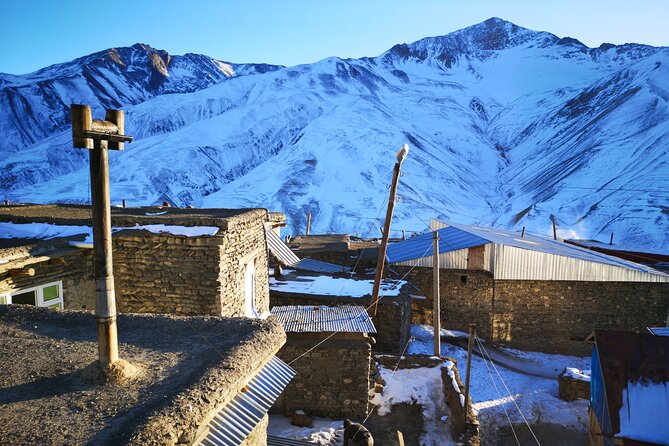
This isn’t a quick walk-through of a village and then back to the car. The structure is built around motion: driving north from Baku, hiking between settlements used by ancient mountain communities, then slowing down to live the rhythm of village days. You’ll see how distinct communities share the broader region—Shiites, Sunnis, and Jews in Guba, plus ancient peoples of Khinaligis and Grizis in the higher villages—without turning it into a lecture.
The altitude factor also changes how the experience lands. As you climb, the air feels different, the views widen, and the timing of the day matters more. The tour is designed around that “up high” feeling, with hikes above sea level and a stated high point up to 2360m.
Two things I’d highlight for your decision-making. First, the homestay element is the point, not an add-on. Second, the guide support and gear guidance are unusually explicit: waterproof hiking boots, insulated jackets, and a practical pack size (20–30L) are part of the plan, not optional suggestions.
Getting to the Start: Baku to Guba, plus the small logistics that matter
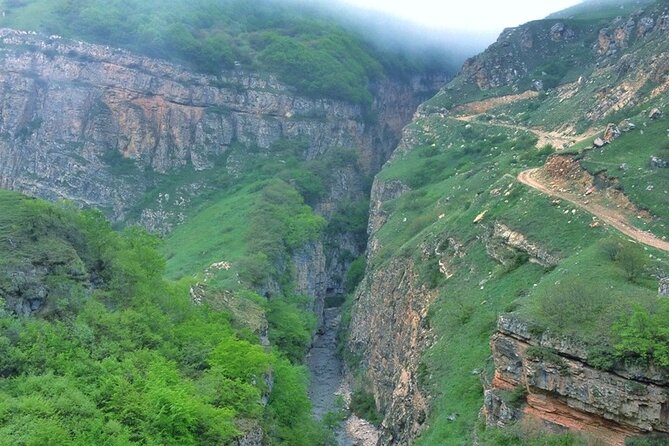
You start in Baku at 9:00am, with pickup offered. That northbound drive is part of the journey. You’ll travel from Baku toward the Guba-Khachmaz region, with stops for coffee/tea and snacks so you don’t waste energy feeling hungry or stiff.
Because this is a hiking tour with remote villages, transportation details matter more than usual. You’ll switch vehicles later in the trip—on the way back to Guba you change to a Lada Niva for sightseeing stops. That suggests a more rugged, practical travel style once you’re in the countryside. If you’re sensitive to bumpy rides, plan on it for at least part of the return day.
Also note the schedule pacing. You’re not doing a late afternoon “easy stroll” every day. The itinerary builds real hiking time, then mixes in cultural sightseeing and driving. So even when you’re resting, you’re not totally off-duty.
Day 1: Grizdahna to Griz on the Historic Eh Yolu Trail
Day 1 is where the tour earns its reputation. You drive to the Grizdahna area after a lunch break, then start a hike to Griz village via the historic Eh Yolu route. The trails are described as clearly visible, which helps if you’re not confident with route-finding.
But here’s the big consideration: this hike is labeled quite demanding, with an elevation gain of 1160m along a steep ascent. If you’re afraid of heights, you should treat that warning seriously. This is not the kind of trek where you can keep your eyes on your feet the whole time. Exposure comes with the route.
The flip side is that the effort feels purposeful. Historic mountain trails like this exist because they connect villages in real terrain, not because they’re convenient for tourists. When you’re moving along a route that ancient people used, your sense of scale changes fast—you’re literally working through the same kind of mountain logic.
What to do to make Day 1 work for you:
- Wear waterproof hiking/trekking boots with real grip.
- Use layers. The kit list calls for insulated jackets, which makes sense as altitude and wind can shift quickly.
- Consider gaiters and hiking/trekking sticks. They’re recommended, and they help on steep, uneven ground.
- Don’t rely on your phone as your buffer. You’ll be hiking where conditions change, so bring your energy management: small snacks, water, and steady pacing.
One small practical note: the tour mentions snacks, dry fruits, and water provided by the guide. Still, your personal snacks are never a bad idea if you like options.
Day 2: Gurgur Waterfall, Kokosh Canyon Views, and the Khinalig Homestay
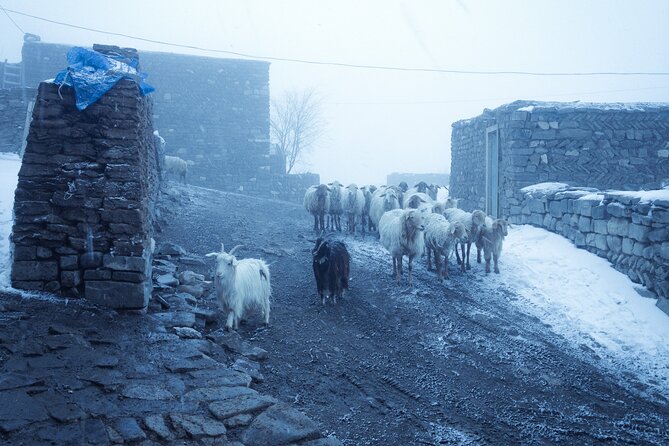
Day 2 starts with breakfast in Griz. Then you hike toward Galaykhudat village, with two high-impact stops: Gurgur waterfall and a view of Kokosh Canyon. These aren’t described as quick “from the bus” moments. They’re placed as part of your hiking flow, so you reach them on foot, when your body is warmed up and your attention is ready for scenery.
After lunch in Galaykhudat, the route continues to Khinalig village. Here the plan becomes more forgiving: the Galaykhudat to Khinalig trail is listed as easy. That matters because Day 2 is a “mix day”—some tougher moments early, then relief as you approach the home base.
The best part of Day 2 is what happens when you arrive. You visit your host family in Khinalig for dinner, then overnight in the village. That homestay is the core cultural exchange on this itinerary, and it’s also why this trek feels different from a standard lodge-based hike. You’re not just looking at a village; you’re living the rhythm of the day inside it.
Two practical realities to plan for:
- You’ll want warm layers even if the sun is out, especially at higher elevations.
- Village schedules can be different from city schedules. The itinerary is structured around host interaction, so don’t assume you’ll get downtime whenever you want it.
The tour also frames this as a meeting point of different long-standing cultures: Khinaligis living in a remote mountain setting, with the broader region shaped by multiple faith communities. Even without a classroom vibe, you’ll feel the human side of “remote” when you’re hosted.
Day 3: Khinalig Sightseeing, Hill Views, and the Return Through Guba
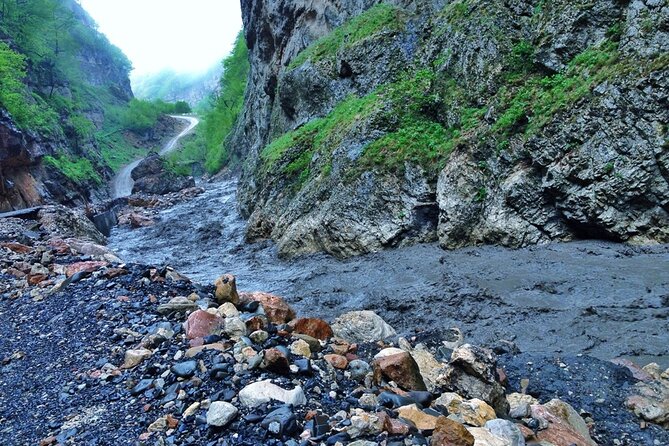
After breakfast in Khinalig, the morning turns into sightseeing. You’ll explore the village and then take a half-hour easy ascent to nearby hills for distant views of Khinalig. This is a smart design choice: you get a final effort, but it’s not another steep day like Day 1.
Then you head back. The day includes a drive to Guba, and this is where the tour blends mountain experience with major cultural stops. You’ll change vehicle again and make sightseeing stops around Guba, including the Genocide Memorial Complex, mosques (with a clothing note: women should wear a headscarf and men should avoid shorts), and Jewish Red Town.
These stops are worth treating as context, not a distraction. After two nights in remote villages, it helps to see how the region’s identity shows up in city-scale landmarks and religious spaces. You’ll be comparing two worlds—high mountain settlement life and the public monuments and community sites in Guba—in a single day.
Finally, there’s a lunch break and then the long drive back to Baku. The itinerary lists a 12-hour day, so set expectations: this is not a “quick drop-off and done” finale. Plan for comfort on the ride, and keep your day pack light for movement, but don’t leave your essential layers behind.
Price and What $600 Buys on This Trek
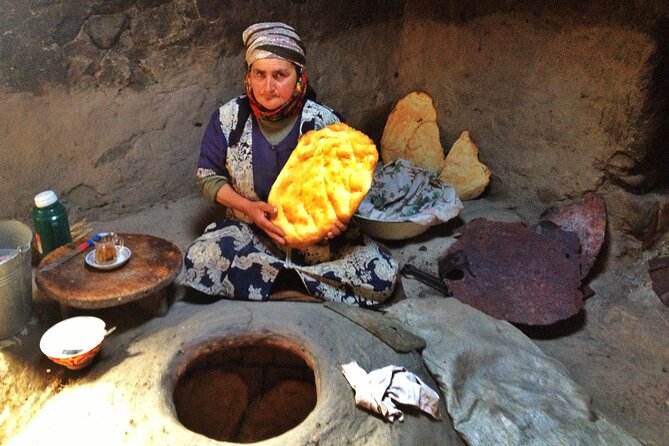
At $600 per person for about 3 days (2 nights), this tour sits in the “not cheap, but not outrageous” zone for an itinerary that includes serious hiking, remote homestays, guide support, and a multi-leg transport plan. Here’s the part you should focus on: you’re paying for access.
You’re not just paying for trails. You’re paying for:
- Transport out of Baku and between mountain zones
- A guide and small group size (maximum 15 travelers)
- Homestay contact with host families
- Structured meal rhythm, including breakfast and dinner moments called out in the daily flow
- Gear guidance and practical supplies (like snacks, dry fruits, and water provided)
One more value marker: the tour is often booked about 29 days in advance, and confirmation happens within 48 hours of booking (subject to availability). That doesn’t guarantee anything about availability for your exact dates, but it does suggest demand. If you want a specific window, don’t wait too long.
Who This Hike Is For (and who should choose something easier)
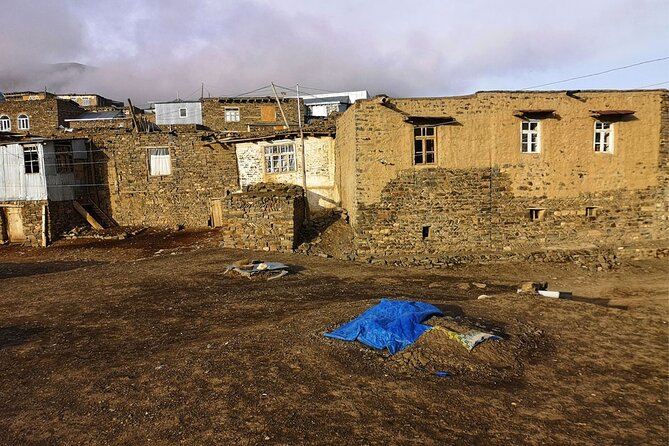
You’ll enjoy this most if you:
- Have moderate fitness and you can handle a steep day
- Like hiking for views and the feel of remote places, not just a “walk for fitness”
- Want cultural contact through homestay life, not only sightseeing
You should think twice if:
- You’re afraid of heights. Day 1 has a steep ascent and is explicitly not recommended for those who get anxious with exposure.
- You don’t already hike in weather and terrain that can be uneven. The kit list is detailed for a reason.
Also, consider how you handle long transit days. Day 3 is long, and you’ll include mosque visits with specific dress expectations. Bring a headscarf plan if you’re traveling with women in your group; for men, plan clothing that follows the note about avoiding shorts at mosque stops.
Best Practical Tips Before You Go
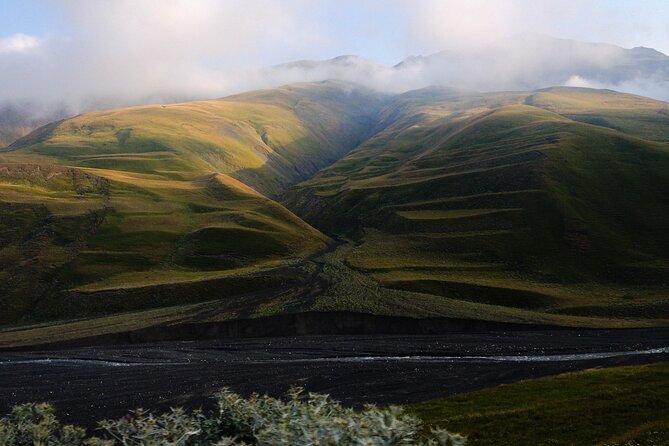
Here’s how I’d prep based on the tour’s own gear notes and the realities of mountain trekking.
Footwear first: Bring waterproof hiking boots. If your boots are worn down, this is where they can fail you. Wet ground and steep terrain will expose weak soles quickly.
Dress like the mountain is unpredictable: The packing list calls for insulated jackets and a backpack 20–30L. Layers beat one bulky item. Also consider that altitude up to 2360m can make mornings cooler even if your start city feels warm.
Use small help for steep sections: Gaiters and trekking sticks are recommended. On a steep ascent, sticks can reduce knee stress and help you keep balance when the ground shifts under you.
Hydrate and snack on schedule: Even though the guide provides snacks, dry fruits, and water, don’t treat hydration as optional on Day 1. If you go into the big climb under-fueled, you’ll feel it fast.
Respect the clothing rules during mosque visits: Women should wear a headscarf, and men should avoid shorts. It’s part of moving through community spaces comfortably.
The People Part: The Guide Makes a Difference
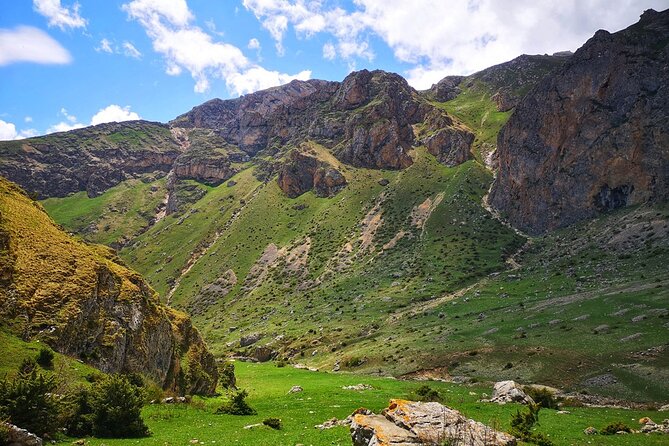
The trip’s reviews point to a guide named Gani, described as extremely knowledgeable and a pleasure to be around. Even if you’re not chasing “history facts,” that kind of guide vibe matters on a hike: it helps you feel safe on steeper sections and it turns village time from awkward into easy.
You’ll also get a clear sense of support from the way the tour lists what the guide provides (snacks, dry fruits, water, plus light toiletries). That makes daily life simpler when you’re moving between mountain settlements.
Should You Book This Remote Villages Trek?
If your ideal Azerbaijan trip includes real hiking days plus a genuine village-stay component, I think this is a strong choice. It’s built for people who like being off the main drag and who don’t mind that “remote” means fewer conveniences and more walking.
I’d book it if you match the fitness profile and you’re comfortable with one demanding, steep day on Day 1. If you’re not comfortable with heights, skip it and look for a gentler alternative.
If you want, tell me your hiking background (and whether heights bother you). I can help you decide if this route sounds like the right fit or if you should steer toward something easier.
FAQ
Where does the tour start and what time?
The tour starts in Baku, Azerbaijan at 9:00am.
How long is the trek and are there overnight stays?
It runs for 3 days (about 3 days / 2 nights). You overnight in the mountain village area, including a stay in Khinalig.
Is pickup included?
Pickup is offered.
What is the hardest hiking day?
Day 1 is the demanding one. The hike to Griz village includes steep ascent with elevation gain listed as 1160m, and it is not recommended for travelers afraid of heights.
Do I need special clothing or gear?
Yes. The tour recommends waterproof hiking/trekking boots, insulated jackets, and a 20–30L backpack. It also recommends gaiters and trekking sticks.
What kind of food and drinks are provided?
The guide provides snacks, dry fruits, and water. Meals are also part of the day structure, including breakfast in Griz and dinner with host families in Khinalig, plus lunch breaks mentioned during the hike.
What villages are visited during the hike?
You’ll go from the Grizdahna area to Griz (Day 1), hike from Griz to Galaykhudat and onward to Khinalig (Day 2), then do Khinalig sightseeing (Day 3).
What extra sightseeing happens on the return day?
After returning to Guba, the itinerary includes stops such as the Genocide Memorial Complex, mosques with specific clothing rules, and Jewish Red Town.
Can I cancel and still get a refund?
You can cancel for free. A full refund is available if you cancel at least 24 hours before the experience’s start time. Weather and minimum traveler requirements can also affect the schedule, with an alternative date or full refund offered in those cases.