REVIEW · ETHIOPIA
6 Days Bale Mountains Trekking
Book on Viator →Operated by Armaye Ethiopia Tours · Bookable on Viator
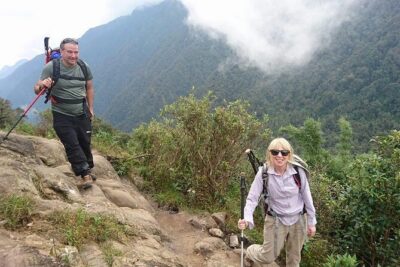
The Bale Mountains are Ethiopia’s best mix of big scenery and real animal spotting. This 6-day trek takes you from Dinsho high in the national park to Harenna Forest on Ethiopia’s rainforest side, with camping nights that sit from 3,100 to 3,900 meters. You get long walking days, but the route is built for looking up often: birds, mammals, and that rare sense of wilderness that feels far from roads.
I especially like that the plan is practical for getting wildlife without turning it into a frantic chase. You’ll spend time around the park headquarters area for endemic birds and mammals, then keep your eyes open along river valleys and open grass areas for Ethiopian Wolf, rock hyrax, and birds of prey. I also like the human side: the tour is run by Armaye Ethiopia Tours, and the guides you’ll see mentioned—Armaye and Awel/Awol—are praised for being organized, kind, and quick to communicate.
One consideration: this is moderate physical fitness trekking with real altitude. Even with good pacing and support, you’ll want to take slow steps, hydrate, and be ready for cold mornings at elevation. And like any mountain trip, it depends on weather, so plans may shift if conditions aren’t good.
In This Review
- Key things that make this Bale trek worth it
- Why Bale Mountains Trekking feels like a real safari
- Price and logistics: what $488 really covers
- Day 1: Goba to Dinsho HQ, where juniper woodlands do the talking
- Day 2: Dinsho to Sodota (18 km), plus rivers that pull wildlife closer
- Day 3: Mararo Valley to Wasema, where eagles and Ethiopian Wolf are the headlines
- Day 4: The super-volcano and ice age clues behind the rocks
- Day 5: Harenna Forest, waterfall time, and the bamboo trail
- Day 6: Morning transfer back to your flight
- Who this Bale Mountains trek is best for
- A few smart prep tips before you go
- Should you book this 6-day Bale Mountains trek?
- FAQ
- What is the duration of the 6 Days Bale Mountains Trekking?
- Where does the trek take place?
- What is included in the price of $488 per person?
- What is not included?
- How does pickup work?
- What is the group size?
- What fitness level is needed?
- What time does the tour start?
- Is weather a factor for the trip?
- Are mobile tickets used?
Key things that make this Bale trek worth it
- Wildlife-focused routing from Bale Mountains National Park HQ through river valleys and into Harenna Forest
- High-altitude camps at about 3,100, 3,500, and 3,900 meters, which changes how you breathe and sleep
- Small group size with a maximum of 10 travelers
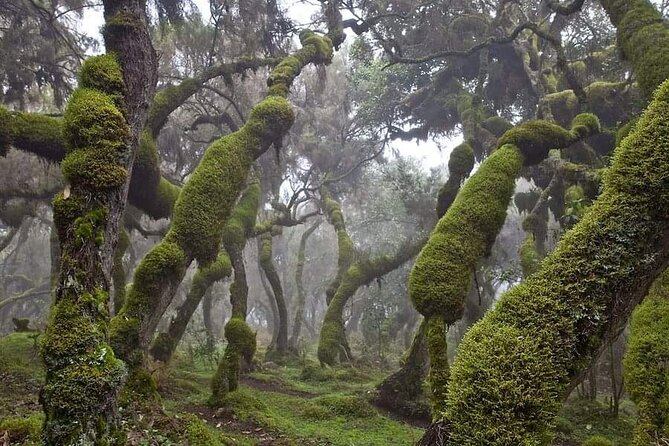
- Harenna Forest day with a hike to a waterfall and a bamboo trail, plus a strong bird list
- Endemics in the mix: Ethiopian Wolf, Mountain Nyala, Bale Monkey, and several endemic birds
- Good on-the-ground support with an air-conditioned vehicle and meals included (5 breakfasts, 5 lunches, 5 dinners)
Why Bale Mountains Trekking feels like a real safari
If you’ve done African safari before, you might expect everything to happen from a vehicle. Here, the big animals and the best sightings come from walking with a guide and spending time in the right habitats: juniper woodlands, grasslands, valleys, and rainforest edges. That’s why this trek stands out. You aren’t just hiking for views—you’re hiking to be in the places where Ethiopia’s special species live.
The Bale Mountains also give you variety that you can feel in your legs. One day can be open and windy. Another can be damp and green, with forest sounds replacing the mountain silence. You’ll also pass through areas tied to deep geology, so the landscape becomes a story you can read as you move.
Practical upside: the trek includes what most people end up paying extra for on their own—admission tickets, meals, accommodation, and an air-conditioned vehicle for transfers. It helps you keep the trip simple, and it means more of your budget goes toward guides, logistics, and time on trails.
You can also read our reviews of more tours and experiences in Ethiopia.
Price and logistics: what $488 really covers
At $488 per person for six days, the value is in the package basics. You get bottled water, coffee and/or tea, accommodation, and all daily meals (breakfast, lunch, dinner are covered for 5 days each). You also get all fees and taxes included, plus pickup and transportation by vehicle on key transfer days.
What’s not included matters, so you don’t get surprised:
- domestic flight fees (so you’ll still need to price your Ethiopia flights separately)
- tips
- personal extras like alcoholic drinks and souvenirs
The tour also uses a mobile ticket, which is handy when you’re juggling confirmations and confirmations of confirmations. Start time is 8:30 am, so build in a normal travel buffer the day you arrive.
Bottom line: this is good value if you want a guided, high-effort trek without self-planning every meal, campsite, and entry ticket.
Day 1: Goba to Dinsho HQ, where juniper woodlands do the talking
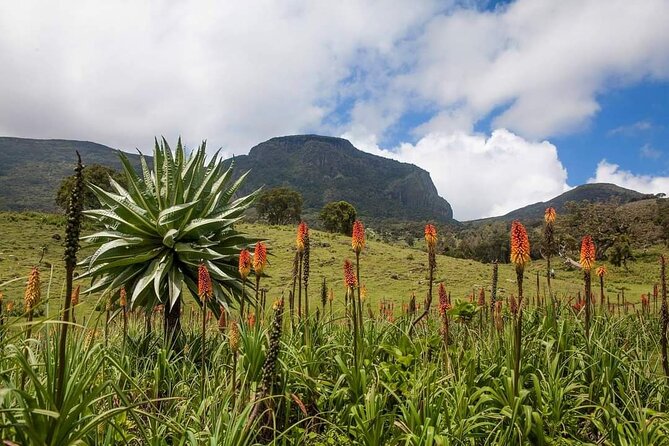
Your day starts with arrival support—pick up at Goba airport, then a drive to Dinsho where the national park headquarters is located. After that, your first hike takes you through the headquarters area, at about 3,100 meters for the overnight at Dinsho campsite.
This is a smart way to begin because you’re not immediately racing uphill for days. You’re also in the right habitat early: juniper woodlands are a great setting for endemic and rare species. The plan focuses on spotting animals like Menilik’s Buchbuck, Mountain Nyala, warthog, reedbuck, gray duikers, and baboons. Birding is a major part of the experience too—expect Ethiopian endemics such as black-headed siskin, wattled ibis, and Abyssinian cat bird.
A personal tip in your head (even if you don’t have the same species list): keep a small notebook for first-day bird names. Your guide can help identify what you see, but remembering calls and colors will make the whole week feel connected instead of random.
The drawback of starting here: since it’s your first day at altitude, you’ll want to take breaks and not sprint. Let your lungs adapt.
Day 2: Dinsho to Sodota (18 km), plus rivers that pull wildlife closer
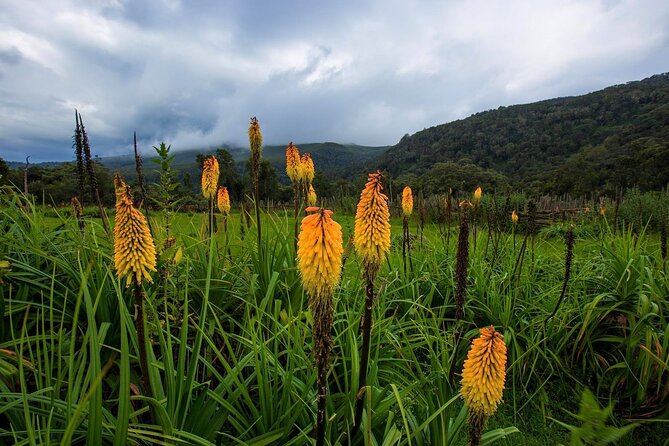
Breakfast first, then you hike 18 kilometers toward Sodota Camp. Along the way you’ll walk near the Wolla and Web rivers close to Dinsho, and this is where the Bale Mountains start feeling like a working ecosystem instead of just a scenic park.
The habitat variety helps. River proximity often brings activity, and the route is designed for wildlife chances like Ethiopian Wolf, rock hyrax, and birds of prey. You’ll spend the night at Sodota campsite, about 3,500 meters.
What I like about Day 2 is the pacing logic. You get a “real hike” (18 km) but the scenery and wildlife themes keep the day from feeling like a slog. If you’re the type who gets bored on repetitive climbs, this should keep you interested.
Consideration: 18 km at elevation can feel longer than it sounds. Keep your steps short, drink water even if you don’t feel thirsty, and accept that your speed will probably slow down. Your goal is to finish the day with energy left for spotting at camp time.
Day 3: Mararo Valley to Wasema, where eagles and Ethiopian Wolf are the headlines
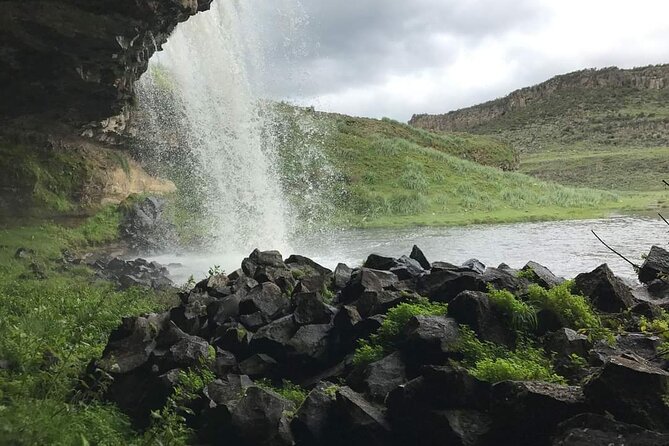
Day 3 keeps the wildlife focus going with a hike through the Mararo Valley. The day is about seven hours, and the route is set up for dramatic “look up” moments. Eagles nesting alongside verros are one of the standout possibilities here, and you’ll also scan for Ethiopian Wolf and a range of bird species.
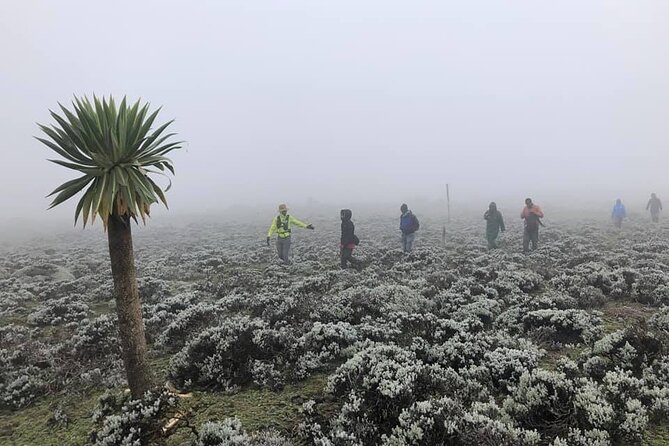
You end at Wasema campsite, around 3,900 meters. That’s a big jump, and it changes the trip from “trek” to “trek plus altitude management.”
Here’s the practical advice I’d give you: plan to move slower than you want on the climb portions. At 3,900 meters, your body will ask for oxygen even when your mind says you’re fine. It helps to keep breathing steady and to avoid overexerting on short steep parts.
Also, Day 3 is a good day to have the right layers. Even if the midday sun is bright, nights at this height can be colder than you expect.
Day 4: The super-volcano and ice age clues behind the rocks
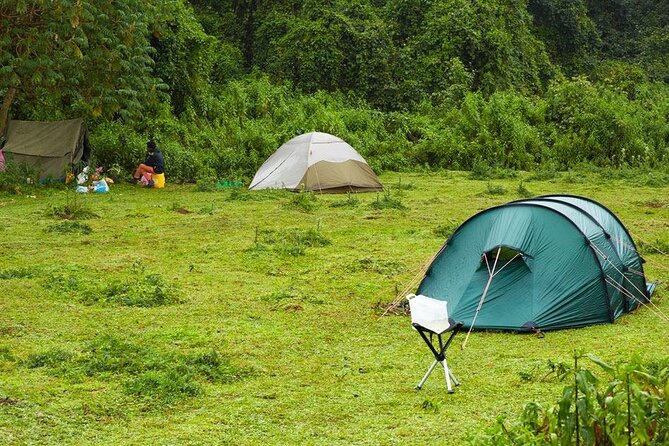
This is the day where the Bale Mountains show their science nerd side—without turning the trek into a lecture. As you trek through the region, the formation of the local mountain range becomes visible, tied to the eruption of a prehistoric super-volcano. The ice age also shaped the relief, and you’ll see hints of that larger-time story in the way terrain is broken up and where valleys and slopes open.
The day is described as about eight hours, and admission tickets stay included, which helps you keep your attention on walking instead of paperwork.
What makes Day 4 valuable is the shift in your attention. After three days of “spot wildlife and hike,” you get a chance to read the land itself. Even if you don’t know geology terms, the visible differences in slopes and rock shapes will give your brain something new to hold besides the next checkpoint.
Possible drawback: if you’re only here for animals, this day might feel less event-heavy than the river and valley days. It’s still interesting, just a different kind of payoff.
Day 5: Harenna Forest, waterfall time, and the bamboo trail
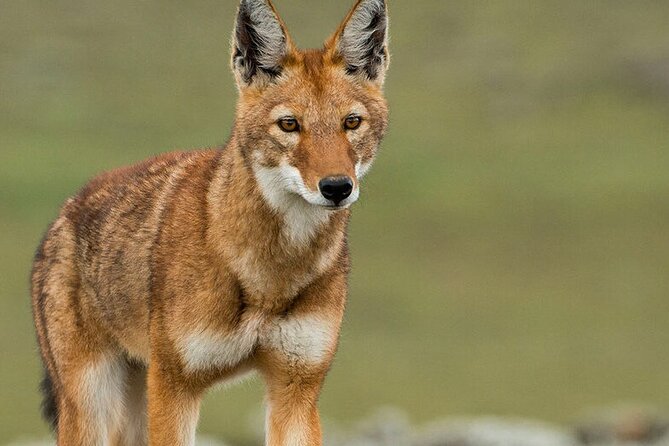
This is the rainforest switch. After breakfast, you meet the vehicle at camp and drive toward Harenna Forest, described as the second tropical rain forest in Ethiopia. That drive matters. It helps you transition from high, cold-feeling trekking to a warmer, more humid setting where sound carries differently and birds show up fast.
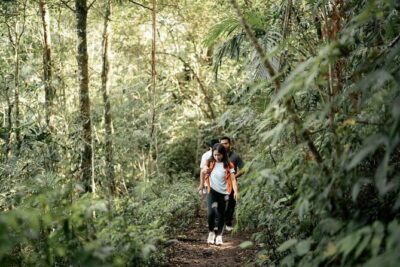
Wildlife odds on this day focus on rare and endangered canids like the Ethiopian Wolf, plus Abyssinian hare and water birds such as blue-winged goose, ruddy shell duck, and wattled crane. Then the day turns into hiking time inside the forest: a walk to a waterfall and along a bamboo trail.
The Bale Monkey is noted as being seen in this area, along with lots of bird species. Overnight is at Tokuma or similar.
I like Day 5 because it gives you a full change of pace and environment. You stop feeling like you’re living inside one climate band. Instead, you get a taste of how Ethiopia’s ecosystems stack on top of each other.
The only caution: rainforest hikes can be slower and feel “stickier” than you expect. Your clothes might take longer to dry, and footing can vary. Wear shoes you trust.
Day 6: Morning transfer back to your flight
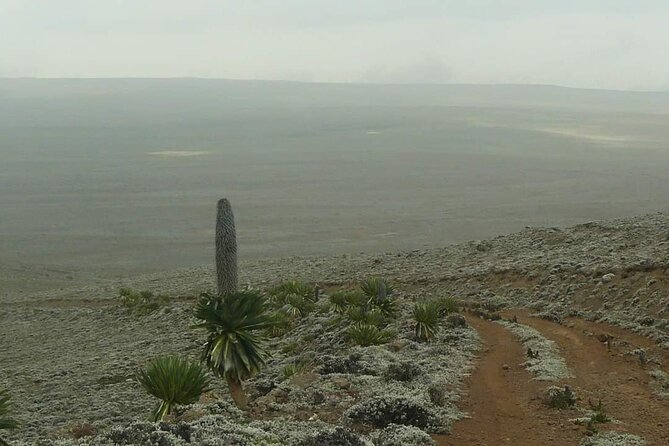
Your last morning is simpler. After breakfast, you transfer back to the airport for your flight back to Addis. The transfer time is about two hours, so you’re not ending the trek with another marathon walk.
This final day is worth appreciating because altitude fatigue is real. Even if you feel fine, the end-of-trip rhythm helps you recover without adding extra strain.
Also, since domestic flight fees aren’t included, make sure you’ve already handled that part of your planning. It’s easy to forget until the morning you’re trying to pay for it.
Who this Bale Mountains trek is best for
This is ideal if you want:
- a guided trek with wildlife spotting built into the route
- a mix of habitats (juniper woodlands, river valleys, high ridges/grass areas, rainforest)
- a small group (max 10), which usually means less waiting and more attention for questions
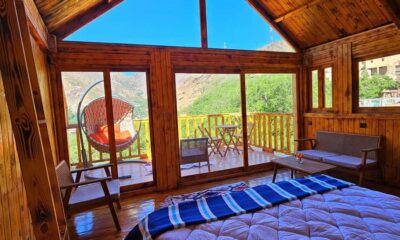
- camping nights with set accommodation and meals included
It’s also a good fit for solo travelers who like structure and safety. In past experiences with Armaye Ethiopia Tours, people mentioned never feeling uncomfortable and praised communication and flexibility. That lines up with what you want in a trekking setting.
What it’s not ideal for:
- people who only want flat walks or minimal altitude
- anyone who can’t commit to moderate physical fitness and steady effort for 7–9 hour days
A helpful mindset: you’re signing up for an outdoors week where nature is the main character. If you go in expecting a casual stroll, you’ll feel disappointed. If you go in expecting a “workout with wildlife rewards,” you’ll likely feel happy.
A few smart prep tips before you go
You’ll feel these most on the higher days (especially around 3,900 meters):
- Bring layers. Cold mornings and nights are part of the deal.
- Walk slower than your ego wants. Your breathing is the boss at altitude.
- Pack for rain and damp forest. Day 5 can be wetter than the high park days.
- Keep your water habits steady. Even with bottled water included, you should drink regularly on trek days.
And because this is wildlife-focused, it helps to stay observant even when you’re tired. Many good sightings come when you’re paying attention to small movements—feather flashes, call directions, and tracks near the trail edge.
Should you book this 6-day Bale Mountains trek?
Yes, if you want a guided, wildlife-centered hike that goes beyond postcard scenery. This route makes sense: it starts at park headquarters for endemic chances, moves through valleys and river-adjacent terrain, then switches environments with Harenna Forest, waterfall time, and a bamboo trail.
I’d book it if you’re comfortable with moderate trekking and you’re ready for altitude. With meals, admission tickets, accommodation, and core transfers included, you’re buying back time and mental effort. That’s the real value.
If altitude makes you nervous, or if you can’t commit to full trekking days, you might look for a shorter or lower-elevation option. Otherwise, this is a strong pick for people who want Ethiopia’s wild side—on foot, with a team that knows the route and cares about safe, smooth guiding.
FAQ
What is the duration of the 6 Days Bale Mountains Trekking?
It runs for about 6 days.
Where does the trek take place?
The trek is in Ethiopia, in and around the Bale Mountains area including Bale Mountains National Park and Harenna Forest.
What is included in the price of $488 per person?
Included are bottled water, coffee and/or tea, an air-conditioned vehicle, all fees and taxes, accommodation, and meals: breakfast (5), lunch (5), and dinner (5).
What is not included?
Domestic flight fees, tips, and miscellaneous expenses such as alcoholic drinks and souvenirs are not included.
How does pickup work?
On arrival at Goba airport, the team picks you up and drives you to Dinsho town and the park headquarters area.
What is the group size?
The maximum group size is 10 travelers.
What fitness level is needed?
You should have a moderate physical fitness level.
What time does the tour start?
The start time is 8:30 am.
Is weather a factor for the trip?
Yes. The experience requires good weather, and if canceled due to poor weather you’ll be offered a different date or a full refund.
Are mobile tickets used?
Yes, mobile ticket is included.