REVIEW · KATHMANDU
Gokyo Lake Trek
Book on Viator →Operated by Alliance Adventure Pvt. Ltd · Bookable on Viator
If you want Everest-region magic without the crowds of the classic routes, this one fits. This trek centers on the Gokyo Lakes and a high viewpoint called Gokyo Ri, where the sky can turn the whole valley into a panorama.
I really like that the days aren’t just “walk, sleep, repeat.” You move through Sherpa culture, cross dramatic bridges (including a very famous high one), and then spend time at mountain stops with names you’ll recognize from any Everest-region map.
One consideration: the trek is high-altitude and lodge-based, so you’ll deal with cold mornings and the fact that hot showers and battery charging aren’t included.
In This Review
- Key Things That Make This Trek Worth Your Time
- Gokyo Lake Trek: The Everest Region, With a Different Heart
- Price, Value, and What the $1,785 Covers (and Doesn’t)
- The Trek’s Core Flow: Kathmandu, Lukla Flights, and a Smooth Human System
- Day-by-Day Reality: What You’ll Actually Experience on the Trail
- Day 1: Welcome, Briefing, and an Easy Start
- Day 2: Kathmandu City Time, Then Head Toward the Airport
- Day 3: Lukla Flight and the Sherpa Trail Feel
- Day 4: Suspension Bridges and the Famous Hillary Bridge Day
- Day 5: Sagarmatha National Park, Everest View Hotel, and Khumjung
- Day 6: A Longer Climb Day Beneath the Big Peaks
- Day 7: Dole to Machhermo, with a Focus on Sickness Prevention
- Day 8: Glacier Walks and the First Real Gokyo Lakes Feeling
- Day 9: Hike to Gokyo Ri for Panoramic Himalayan Views
- Day 10: Return Trek with Lake and Mountain Picture Stops
- Day 11: Big Peak Views (Thamserku, Kusumkhangaru, Ama Dablam) and Namche Again
- Day 12: Final High Steps, Then Celebrate in Lukla
- Day 13: Flight to Manthali and Drive Back to Kathmandu
- Day 14: Nepal Culture Time and a Farewell Dinner
- Day 15: Last Shopping and Goodbye
- Lodges, Meals, and Comfort: What You Should Expect Day-to-Day
- Altitude and Safety: How to Think About It Before You Go
- Who Should Book This Trek (and Who Might Rethink It)
- Should You Book Gokyo Lake Trek with Alliance Adventure?
- FAQ
- What is the meeting point and start time for this trek?
- How long is the Gokyo Lake trek?
- Are trekking permits and TIMS cards included?
- What trekking gear is included in the price?
- Are hot showers and battery charging included?
- Is insurance for high altitude sickness included?
- Is this experience refundable if I cancel?
Key Things That Make This Trek Worth Your Time
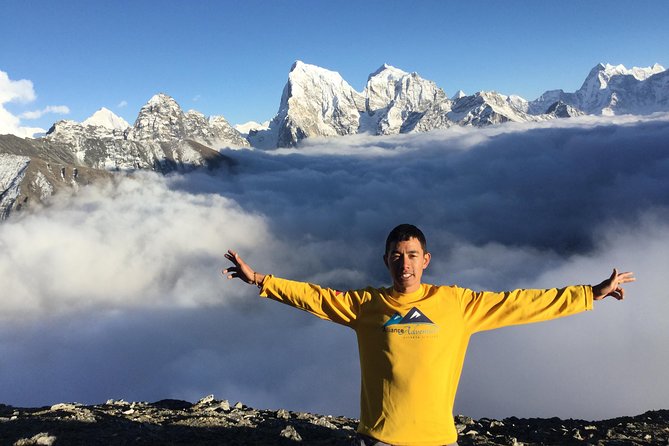
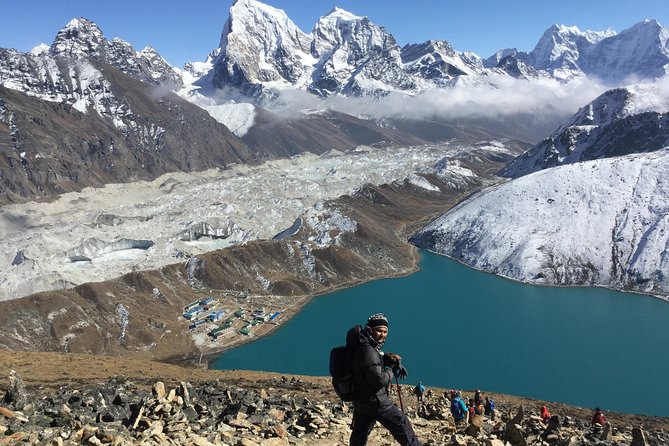
- Gokyo Lake at 4,750m plus glacier scenery gives you a different Everest-region feel than you’d expect.
- Big suspension-bridge day includes five bridges and a very high Hillary suspension bridge when conditions allow.
- Gokyo Ri sunrise-style views (or at least clear-time views) can show Everest, Makalu, and more in one sweep.
- Practical guide care: the team’s communication is clear, and they’re used to weather delays around Lukla.
- Value-packed inclusions: permits, TIMS, medical kit bag, and even gear like a sleeping bag and warm down jacket.
- Culture stops aren’t rushed—Namche has coffee and bakeries, plus visits like Khumjung and the Hillary School.
Gokyo Lake Trek: The Everest Region, With a Different Heart
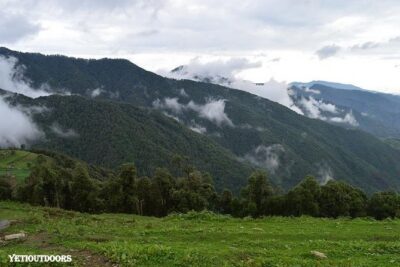
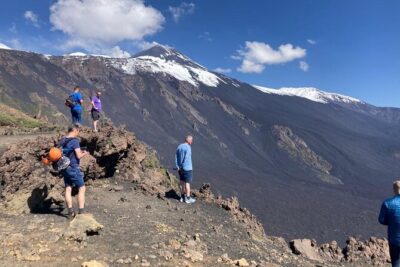
This trek is for you if you like your mountain days to feel varied: village life, bridges over rushing rivers, glacier scenery, and then wide-open lake views sitting at serious elevation. The Gokyo valley is popular for a reason. You get a strong lineup of major peaks—Everest, Lhotse, Nuptse, Cho Oyu, Makalu, Ama Dablam, Thamserku, and more—without spending every day staring at the same ridgeline.
What makes it interesting is how the trail keeps changing your “problem.” Some days are mostly about altitude and steady climbing. Other days are about navigation and breath control, because you’re walking in thinner air toward viewpoint goals. And on the lake-and-ri days, the focus shifts to standing still long enough to actually take the scenery in.
You can also read our reviews of more tours and experiences in Kathmandu.



Price, Value, and What the $1,785 Covers (and Doesn’t)
At $1,785 per person for about 15 days, you’re paying for more than a hiking label. You’re paying for the whole machine that makes a lodge trek work: transport, guides, permits, meals, and gear support.
Here’s what you should consider good value:
- Kathmandu base + trekking logistics: 2 nights in Kathmandu with breakfast, plus arrival and departure transportation.
- Most meals handled: all accommodations on trek, plus breakfast, lunch, dinner, and hot drinks like tea/coffee along the way.
- Gear support: warm down jacket, sleeping bag, and trekking walking poles (and the company provides a 100% waterproof duffel bag plus a company T-shirt).
- Permits handled: trekking permits and TIMS cards are included.
- Human support: an English-speaking guide, plus helpful porters, and a medical kit bag for the trek.
Here’s what you should budget separately (or plan around):
- Cold drinks, phone calls, laundry, and bar bills are not included.
- Lunch and dinner in Kathmandu aren’t included.
- Tips for guide and porters are not included.
- Hot shower and battery charging are not included.
- Travel and high-altitude sickness insurance is not included.
A practical way to think about this: the price removes a lot of small hassles, especially permits and meal planning. You still need to bring smart personal choices—like arranging insurance and managing comfort expectations in mountain lodges.
The Trek’s Core Flow: Kathmandu, Lukla Flights, and a Smooth Human System
Your start is Kathmandu, with a meeting time listed as 6:00 am. The route begins with a warm welcome and a briefing. Then you shift to getting yourself positioned for the Lukla flight, which is early and weather-dependent.
The itinerary uses a Nepal rhythm you’ll recognize fast:
- Kathmandu hotel nights to reset
- A half-day Kathmandu city tour, then a drive to Manthali airport (the idea is to avoid an extra 2:00 am wake-up if you drive that day)
- Early flight to Lukla (listed as about 15 minutes)
- Trekking days with predictable lodge stops and guide-led pacing
One thing I appreciate from real-world accounts of this operator: when weather blocks a Lukla flight, the team doesn’t just shrug. In past trips with this company, the guides used a pivot plan after poor conditions prevented a flight despite two attempts. That matters, because on this route, losing a day can happen. A guide team that communicates clearly and adapts is worth its weight in warm gloves.
Day-by-Day Reality: What You’ll Actually Experience on the Trail
Day 1: Welcome, Briefing, and an Easy Start
You land in Kathmandu and get a warm welcome at the hotel, plus a briefing about the Gokyo Lake (Gokyo Ri) trek. This is where you should treat the day like prep, not sightseeing sprint. Get your documents squared away, double-check your clothing layers, and sleep like you mean it.




Day 2: Kathmandu City Time, Then Head Toward the Airport
A half-day city tour plus an after-lunch drive to Manthali airport is built into the plan. The practical reason is timing. If you drive on this day, you avoid a next-day early wake-up at 2:00 am. Small scheduling choices like this can save your energy and reduce stress.
Day 3: Lukla Flight and the Sherpa Trail Feel
The flight to Lukla is short—about 15 minutes—assuming weather is friendly. Once you’re trekking, you’ll get that classic Everest-region starter vibe: Sherpa life, local culture, and serious mountain views moving closer with every hour.
Expect your body to feel it immediately. You’re going up in altitude, but also up in “working effort.” Even when the terrain isn’t brutal, the air does the job for you.
Day 4: Suspension Bridges and the Famous Hillary Bridge Day
This is one of the days that defines the trek in your memory. You’ll cross five suspension bridges, plus a notably high Hillary suspension bridge when weather is clear enough for good visibility. The route includes river views and the satisfying feeling of moving through engineering wonders while the mountains loom around you.
This day also climbs toward Namche Bazaar. Namche is your gateway town—small, mountain-proper, and surprisingly useful. You’ll find things you actually want at altitude: coffee bars, bakeries, and enough shopping that you can adjust gear without panicking.
Day 5: Sagarmatha National Park, Everest View Hotel, and Khumjung
You’ll walk to Sagarmatha National Park areas, then continue to the Everest View Hotel and Khumjung village. There’s also a visit to the Hillary School in Khumjung.
What I like about this day is that it mixes awe with context. You get views of major peaks on the way, but you also touch the human side—how the community lives and educates in this high Himalayan zone. Afterward, you return to Namche Bazaar for a free/easy time, so you can recover, eat well, and refill your supplies.
Day 6: A Longer Climb Day Beneath the Big Peaks
This is described as a longer walking day. You’ll move below major mountain lines while climbing up to your next destination. If conditions are right, you may spot Himalayan goats along the trail—one of those small moments that makes the day feel less like a checklist.
This is the kind of day where pacing matters. Go slow enough that you can keep breathing and chatting. If you rush, you’ll pay later.
Day 7: Dole to Machhermo, with a Focus on Sickness Prevention
You trek from Dole to Machhermo. If the weather is clear, the mountain views here can feel unreal—snowy peaks spread across your horizon.
You’ll also have a chance to visit a Himalayan Rescue Association area where volunteers and a doctor brief you about mountain sickness. That’s not just “information.” It’s a reminder that altitude is a real variable. If you take that briefing seriously, you make better decisions later—like whether to push, rest, or adjust.
Day 8: Glacier Walks and the First Real Gokyo Lakes Feeling
Today includes walking through Gokyo Glacier, with views tied to Cho Oyu and Gokyo Lakes. You’re surrounded by mountains, and you finally get that signature lake scenery that defines this trek.
This is the day where you stop thinking of the lakes as a goal and start experiencing them as a place. You’ll feel the shift from “route views” to “destination views.”
Day 9: Hike to Gokyo Ri for Panoramic Himalayan Views
Early breakfast, then hike up to Gokyo Ri for panoramic views. This is the big payoff day: a wide range of peaks can be visible, including Everest and Makalu, with 360-degree-style Himalayan views when weather allows.
If you don’t feel fully spent, there’s an extra option to hike to the 5th Lake. Even if you skip that, the main point is the same: you’re working hard for a reason, and you’ll likely want to stand still longer than you think you can.
Day 10: Return Trek with Lake and Mountain Picture Stops
You head back along the same way and continue toward your next destination. The itinerary emphasizes last-minute pictures with lakes and mountains, which is a polite way of saying you’ll want to watch the light change as you descend.
This is a useful day for recovery. Your legs get a break from maximum climbing, but you still keep moving.
Day 11: Big Peak Views (Thamserku, Kusumkhangaru, Ama Dablam) and Namche Again
A trekking day focused on walking below Thamserku and Kusumkhangaru, with Ama Dablam in view. You also get a last capture of Mt. Everest and return to the mini market of Namche Bazaar.
I like that this day is framed around visibility. You’ll be tired, but you’re also in the zone where the mountains keep rewarding you when you keep showing up.
Day 12: Final High Steps, Then Celebrate in Lukla
This day includes the last steps connected to Hillary and Mt. Everest, then celebration with your guide and porter in Lukla after a successful trek. There’s a real emotional shift on days like this—less “problem solving,” more “we did it.”
It’s also a good day to reflect on your choices: slow pacing, water intake, and altitude respect are the difference between a proud finish and a rough one.
Day 13: Flight to Manthali and Drive Back to Kathmandu
You get early breakfast, then fly to Manthali and drive about 4 hours back to Kathmandu. Once you’re back in the city, it’s rest and free time.
This day is where you’ll feel the trek in your body. Keep hydration up, eat something comforting, and plan to take it easy.
Day 14: Nepal Culture Time and a Farewell Dinner
After breakfast, the tour guide leads you into Nepal history and culture. Nepal’s multi-culture feel matters here because it gives you context for everything you saw in the villages and towns.
Then you end with an easy time plus a farewell dinner from the company. This is the final social moment before everyone scatters for home flights.
Day 15: Last Shopping and Goodbye
A final day for last-minute shopping for family and friends, then the company helps you with a safe flight plan out of Nepal.
Lodges, Meals, and Comfort: What You Should Expect Day-to-Day
This is a lodge-based trek, so your comfort is mostly about warmth management and routine. The included meals (breakfast, lunch, dinner on trek) plus hot drinks matter because they keep energy stable while the days run long.
But plan on these realities:
- No hot shower included
- No battery charging included
- Your sleeping bag and warm down jacket are part of the value package, and you should treat them as essential equipment, not nice extras
You’ll also want the personal cold-weather items listed: windproof outer jacket and warm down-filled jacket (and in practice, layering is your friend), plus gloves, hat/cap, sunglasses, sunblock, and lip balm. High altitude sun can be sneaky—strong even when it doesn’t feel like it.
Altitude and Safety: How to Think About It Before You Go
The trek includes serious elevation, and Gokyo Lake sits at 4,750 m. Even without a detailed altitude table here, you should plan as if the route will ask a lot of your breathing.
The best altitude strategy is boring and consistent:
- Walk slower than you feel you should
- Drink water regularly
- Pay attention to how you feel, not just how the trail looks
- Use the mountain sickness briefing you get through the Himalayan Rescue Association stop as a decision tool, not a formality
The operator also includes a medical kit bag for the trek, which is helpful. But remember: travel and high-altitude sickness insurance isn’t included, so you should arrange it yourself.
Who Should Book This Trek (and Who Might Rethink It)
This Gokyo Lake trek is best for you if:
- You want Everest-region peaks and Sherpa villages, but with a strong emphasis on lakes and viewpoints
- You enjoy longer walking days and steady effort
- You like a guided plan with permits and meals handled so you can focus on the trek itself
- You want a team that communicates clearly (including around flight weather issues) and takes safety seriously
It might not be the best fit if:
- You hate cold mornings or can’t accept lodge-based comfort
- You’re not comfortable with high-altitude trekking demands
- You want fully modern amenities like daily hot showers and battery charging (those aren’t included here)
The minimum age is 18, and the trip is described as private, so you’ll be in only your group.
Should You Book Gokyo Lake Trek with Alliance Adventure?
If you want the Gokyo experience with organization behind it, this trek is a strong choice. The best reason to book is value: permits, TIMS, meals, key gear, and logistics are handled, which keeps your mental energy on hiking and acclimatization instead of admin.
I’d book if these points match your priorities:
- You’re excited by Gokyo Lake and the Gokyo Ri viewpoint
- You can handle long walks and cold, and you’re comfortable in lodges
- You want a guide team that’s practical and prepared for weather hiccups around Lukla
I’d think twice if you’re looking for lots of comfort extras like hot showers and device charging. This trek trades convenience for mountains, and it does it in a very direct way.
If you’re ready for that trade, you’ll likely love the way this route makes the Everest region feel personal—one bridge crossing, one village stop, and one lake view at a time.
FAQ
What is the meeting point and start time for this trek?
The meeting point is Kathmandu, Kathmandu Valley (Bagmati Zone, Central Region), and the start time is listed as 6:00 am.
How long is the Gokyo Lake trek?
The duration is listed as 15 days approximately.
Are trekking permits and TIMS cards included?
Yes. The trek permit and TIMS cards are included.
What trekking gear is included in the price?
Included gear is listed as a warm down jacket and sleeping bag, plus trekking walking poles after the trek return to the company. The company also provides a 100% waterproof trekking duffel bag and a company T-shirt.
Are hot showers and battery charging included?
No. Hot shower and battery charging are not included along the trekking.
Is insurance for high altitude sickness included?
No. Travel and mountain high altitude sickness insurance is not included.
Is this experience refundable if I cancel?
No. This experience is non-refundable and cannot be changed for any reason. If you cancel or ask for an amendment, the amount paid is not refunded.