REVIEW · RISHIKESH
Naag Tibba Trekking and Hiking 2 Nights and 3 Days
Book on Viator →Operated by Yeti Outdoors · Bookable on Viator
A mountain hike with big payoff starts here. Naag Tibba is one of the easiest ways to taste the Himalayas near major cities, and you still get proper summit views. What I like most is the low-pressure challenge (it’s labeled easy), and the fact that camping under the stars is part of the plan. One thing to keep in mind: you’ll still be walking uphill at altitude, so this is not a stroll in the park.
You also get a very organized setup for a trek of this length—meals on the trail, tents and sleeping bags, plus guides and helpers. That matters when you’re trying to learn the ropes without turning your trip into a logistics project. The route also gives you those “oh wow” sightlines across peaks like Bandarpoonch, the Gangotri group, Kedarnath, and toward the Doon Valley when conditions cooperate.
Let’s make it practical. This is a great first Himalayan experience, but good weather is important, and the drive to the trail area can feel tiring before the hiking even begins. If that sounds like your kind of challenge, read on.
In This Review
- Key things to know before you go
- Why Naag Tibba works so well for a first trek
- Getting to the start: Yeti Outdoors, 9:00 AM, and pickup reality
- Day 1: Pantwari to Naag Tibba Base—forest walking and early acclimation
- Night at Naag Tibba Base: camping comfort you can actually count on
- Day 2: Base to Jhandi Top and down to Devalsari Village
- Day 3: Devalsari hike back toward Mussoorie
- What’s included for the $131.86 price—where the value actually is
- Guides and team: the human part of why this trek feels smooth
- Pace, effort, and weather: how to set yourself up for a good climb
- Best time to go, and why all-year trekking can still surprise you
- Who should book Naag Tibba, and who should consider a different trek
- Should you book this trek with Yeti Outdoors?
- FAQ
- What is the maximum altitude on the Naag Tibba trek?
- How long is the experience from start to end?
- Are meals and camping equipment included?
- Does the trek include guides and permits?
- What happens if weather is bad?
- Is this tour private for my group?
Key things to know before you go
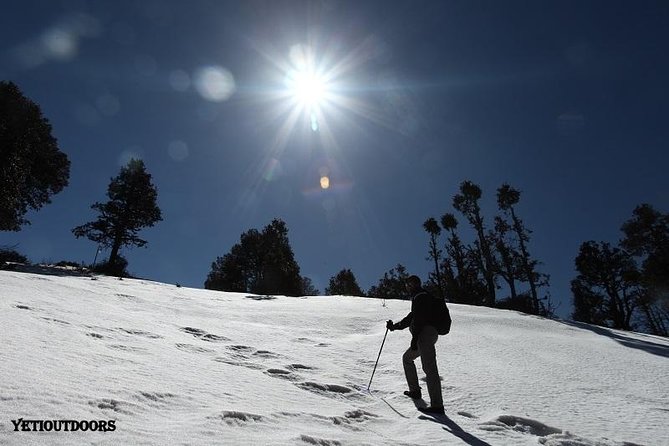
- Beginner-friendly climb to 9,915 feet: max altitude is 3022m, great for a first serious summit day.
- Two nights in camp: you’re not just walking; you’re living outdoors with included gear.
- Epic Himalayan views for a short trek: panorama includes Bandarpoonch, Gangotri group, Kedarnath, and Doon Valley.
- Guides with local know-how: Manish Badoni leads with stories and trail insight; Rishabh and Ashish are part of the team support.
- Comfort-focused camping setup: temporary camp is set up with quality equipment and feels genuinely usable.
- Private group experience: it’s only your group, so you’re less likely to get swallowed by a crowd.
Why Naag Tibba works so well for a first trek
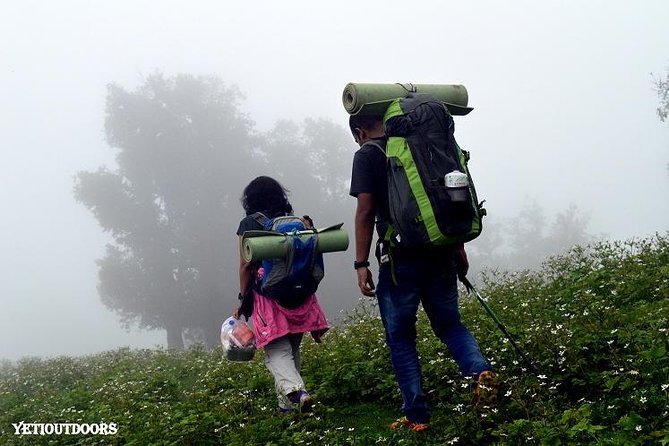
Naag Tibba (often called serpent’s peak) is a classic “first Himalayas” trek because it hits a sweet spot: it’s close enough to major north-India hubs to be realistic as a weekend or short getaway, but high enough to feel like you climbed something. You reach the summit at about 9,915 feet (3022m), which is a number that sounds less scary on paper and hits your legs a bit more in real life.
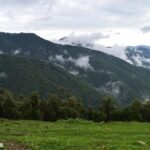
The other reason this trek earns its reputation is the payoff. You walk through forested sections, then you get a wide view from the top. The sightline is part of the attraction: you can look toward Bandarpoonch peak, the Gangotri group in the north, and Kedarnath, plus you get a view toward the Doon Valley. For a short trek, that’s a lot of “big mountain” drama.
I also like that it’s positioned as a stepping stone. If you want to test your stamina up around 10,000 feet, practice hiking rhythms, and learn how camping in the hills actually feels, this is one of the more sensible ways to do it without spending weeks on the road.
You can also read our reviews of more tours and experiences in Rishikesh.
Getting to the start: Yeti Outdoors, 9:00 AM, and pickup reality
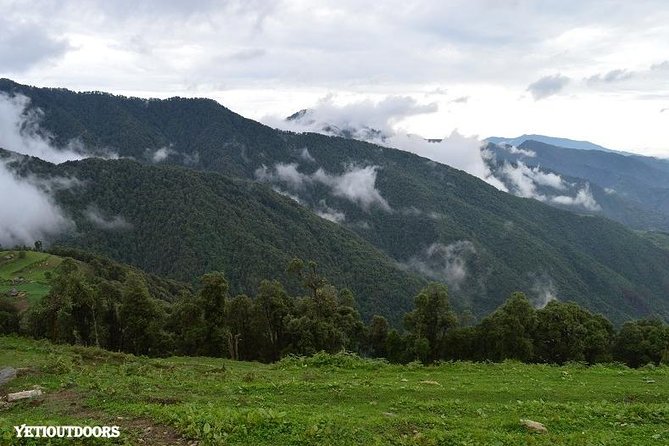
Your day begins back at the meeting point: Yeti Outdoors, with a start time of 9:00 am. Pickup is offered, which helps if you don’t want to burn time figuring out local connections.
Here’s the practical angle: show up with enough buffer. Even though the hiking is the main event, the start day can still feel like a “movement day” if you’re coming in from elsewhere. One review note I’d take seriously is that the drive can be exhausting. You don’t need to panic, but you do need to plan your energy like you would for a road trip day plus a hike.
Also, the tour uses a mobile ticket, so keep your phone charged and ready. And because it’s described as a private activity, it’s only your group—less waiting around, fewer mixed paces.
Day 1: Pantwari to Naag Tibba Base—forest walking and early acclimation
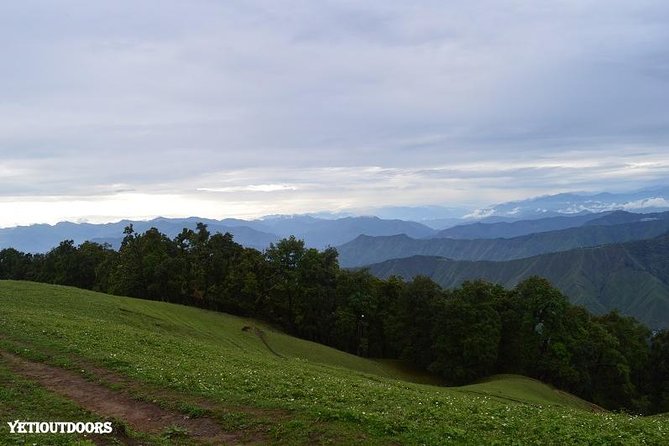
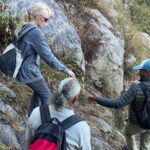
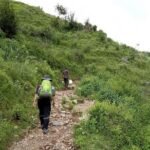
Day 1 runs from Pantwari to Naag Tibba Base. This is the “get in hiking mode” day. The main thing you’ll feel is the slow build: the trail works your breathing, but it’s designed to be doable for beginners. You’re not sprinting for a summit; you’re learning how to climb steadily.
The forest sections are part of the point. Walking under trees can make the trek feel less exposed, and it also gives you a more gradual start so your body can adjust to the pace and altitude change. Expect that first day to set your hiking rhythm for the next two.
What makes this day important is that you’re going somewhere with the intention of staying the night at base. That means you’re not just passing through—you’re transitioning from “urban to outdoor” into “camp life,” which changes how you pace and plan your energy.
Night at Naag Tibba Base: camping comfort you can actually count on
Once you reach the Naag Tibba Base, the trip shifts from trail to camp. You’ll have all meals on trek, and you’ll use the included equipment: tents and sleeping bags (plus the technical/kitchen/central gear needed to run the camp).
This is where beginners often struggle on longer treks: they’re physically tired, but their camp setup is what determines whether they sleep well or feel miserable. The camp here is described as comfortable with fine-quality equipment, which is exactly what you want at the end of a walking day.
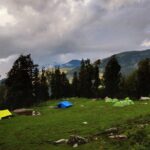
And yes, there’s the signature hill moment—camp under starry skies. Even if clouds roll in, the whole point is that you’re outside and away from city light. Bring a headlamp if you use one at night, and keep a light layer handy. Night temps in the mountains can drop faster than your city brain expects.
Day 2: Base to Jhandi Top and down to Devalsari Village
Day 2 takes you from Naag Tibba Base to Jhandi Top, then onward to Devalsari Village. This is the day where the trek starts feeling more like a real mountain experience, not just “a hike in the hills.”
Jhandi Top is the highlight step. It’s the portion that connects your hard work to the panorama view. On a good weather day, this is where you benefit from the trek’s reputation: your surroundings open up and your mind catches up with what your legs already did.
Then you shift from the high point feel to village life. Reaching Devalsari Village adds a cultural, human scale that helps balance the day. It’s not only about summiting; it’s also about seeing how village life sits near the trekking routes.
One more practical note: altitude and time add up. Even if the trek is easy, this is still a long walking day. You’ll feel it in calves and quads. Pace matters—slow enough to keep steady breaths, fast enough that you don’t get chilled.
Day 3: Devalsari hike back toward Mussoorie
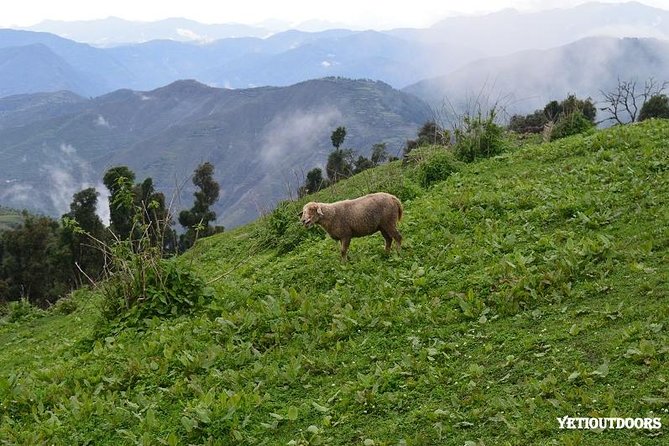
On the final day you do a Devalsari hike, and the trek ends back toward Mussoorie. This part is often emotionally tricky: legs feel tired, and the goal becomes finishing strong without burning out.
The bright side of the third day is that it’s not about maximum elevation anymore. It’s about moving with control, enjoying whatever views remain, and getting the “I did it” satisfaction with less mental pressure than a summit day.
When the trek ends back at the meeting point, it keeps your logistics simple. That matters because after three days of movement, you don’t want to solve transport puzzles.
What’s included for the $131.86 price—where the value actually is
At $131.86 per person, you’re paying for far more than “a guide and a route.” The key inclusion list is what makes this trek feel like a fair deal, especially for beginners:
- All meals on the trek
- Tents, sleeping bags, and all technical/kitchen/central equipment
- Guides, cooks, helpers, and porters/mules
- All fees and permits
Why that matters: when you’re new to mountain trekking, you often underestimate the cost and hassle of gear, camp setup, and paperwork. Here, those basics are handled, so your money goes toward an actual field-ready operation.
What’s not included is also clear: personal expenses, and your stay and food in Mussoorie or during transit. So budget a little extra for the days around the hike, especially if you’re arriving the same day and need food and lodging before the start.
Also note: insurance claims for natural calamity are not included. That’s normal for many outdoor operators, but it’s still worth thinking about if you’re spending money on travel overall.
Guides and team: the human part of why this trek feels smooth
This trek leans heavily on the experience level of its team. Names you’ll likely hear include Manish and Manish Badoni as a guide, with team support from Rishabh and Ashish. The owner, Vipul, is also mentioned as taking care of organization.
What you should look for in a good beginner trek isn’t just safety—it’s the ability to keep you calm and informed while you’re tired. Stories about the flora and practical guidance can turn “walking” into something memorable instead of merely exhausting. The fact that the team goes out of its way to plan things properly shows up in the way the experience is described: everything planned to the T, helpful and friendly support, and a warm hospitality vibe.
You might also see working animals (one note mentions a donkey). Don’t count on it as a guaranteed feature of every single day, but it’s part of the real operating scene in many hill treks.
Pace, effort, and weather: how to set yourself up for a good climb
Even for an easy trek, you should treat altitude seriously. The max altitude here is 3022m/9915 feet, and the trek duration is short enough that you may feel pressure to rush. Don’t.
My practical advice for a first-timer:
- Keep your pace slow enough to control breathing.
- Dress in layers, because daytime warmth and nighttime chill can flip quickly.
- Pack smart for damp or cooler conditions, since forest trails can be soggy at times depending on season.
- Plan for the possibility of route changes due to weather. This experience explicitly requires good weather, and if conditions are poor, you’re offered a different date or a full refund.
In other words: you’re not in a theme park. You’re in the Himalayas. The best strategy is to show up flexible, hydrated, and ready to hike.
Best time to go, and why all-year trekking can still surprise you
The trek says it works all year around. That’s useful for planning, especially if you’re booking from a city schedule.
But “all year” doesn’t mean “the weather is identical every month.” In practice, you should expect different vibes:
- warmer trail days in some seasons
- colder night camp temps
- possible changes in how comfortable you feel hiking in mist or wind
Because the operator requires good weather, keep that in mind when you’re traveling around monsoon or seasonal disruptions. If the forecast is rough, you’ll likely be rescheduled.
Who should book Naag Tibba, and who should consider a different trek
This is a great match for:
- first-time hikers who want a beginner Himalayan taste without a multi-week commitment
- people who want to practice camping in included gear
- families or groups that need an organized setup, since meals and equipment are part of the deal
It may be less ideal if:
- you want zero uphill walking effort
- you get easily discouraged by a tiring start day (the drive can be exhausting)
- you strongly dislike camping, even if it’s set up to be comfortable
If you’re aiming to prepare for longer Himalayan treks, Naag Tibba makes sense as a training hike. It gives you the feel of hills, the rhythm of ascent, and the reality of outdoor nights—without demanding too much time or energy.
Should you book this trek with Yeti Outdoors?
If you want a short, beginner-friendly Himalayan experience with organized camping, included meals, and a team that’s described as warm, helpful, and committed, this is worth considering. The price-to-inclusions ratio is solid: you’re paying for camp gear, food, permits, and the people who run the operation, not just a route on a map.
I’d book it if you can be flexible about weather and you’re mentally ready for a real uphill workout. And if you’re traveling with someone who’s new to trekking, the structured setup makes the whole experience easier to manage.
FAQ
What is the maximum altitude on the Naag Tibba trek?
The max altitude reached is 3022m, or about 9,915 feet.
How long is the experience from start to end?
It’s a 2 nights and 3 days-style trek, with a start at 9:00 am and returning to the meeting point at the end.
Are meals and camping equipment included?
Yes. All meals on trek are included, and the tour provides tents, sleeping bags, and the needed technical/kitchen/central equipment.
Does the trek include guides and permits?
Yes. The price includes guides, cooks, helpers, porters/mules, plus all entry fees and permits.
What happens if weather is bad?
This experience requires good weather. If it’s canceled due to poor weather, you’ll be offered a different date or a full refund.
Is this tour private for my group?
Yes. It’s described as private, meaning only your group participates. A minimum number of travelers is also required for it to run.