REVIEW · HANOI
Sapa Trekking 2 Days 1 Night From Hanoi With Local Guide
Book on Viator →Operated by Hanoi Green Travel · Bookable on Viator
Two days in Sapa can feel like a fast masterclass. You’re moved from Hanoi at 6:30am to Sapa by sleeper bus, then guided through ethnic villages and rice terraces, not just scenic stops. It’s a small-group trek built for quality time on the ground, with guides who know the trails and the people.
I especially like the small group size (max 15) and the local ethnic guidance, because it makes the whole trip less rushed and more personal. On previous departures, guides such as Cat, Vu, and Ku were praised for clear English and genuinely caring, practical explanations.
One consideration: this is not a stroll. You’ll face 12 km of trekking and a long day schedule, so if you’re sensitive to downhill walking or early starts, plan smart (and pack well).
In This Review
- Key things I’d plan around before you go
- Why This Hanoi to Sapa Trek Feels Worth Your Time
- Pickup, Sleeper Bus, and the Small-Group Logistics That Matter
- Day 1: Hanoi to Sapa, Cat Cat Village, Waterfall, and a French-Era Power Plant
- Day 2: Muong Hoa Valley Rice Terraces, Y Linh Ho and Lao Chai, and Ta Van Homestay
- The Guides: English-Speaking Local Experts Like Cat, Vu, and Ku
- What to Pack (So Day 2 Doesn’t Humble You)
- Value for $85: What’s Included, What’s Not, and How to Budget Smart
- Who This Trek Suits Best (And Who Might Want a Different Style)
- FAQ
- What time does the tour start in Hanoi?
- How much does the Sapa trekking tour cost?
- Is the group size limited?
- How do you get from Hanoi to Sapa?
- Does the tour include pickup?
- What trekking villages are included?
- How much trekking is planned?
- Where do you stay overnight?
- Are meals included?
- What if weather affects the trek?
- Should You Book This Sapa Trek?
Key things I’d plan around before you go
- Max 15 travelers, not a crowd: more time to ask questions and less waiting around on paths.
- Local guides for real context: you’ll learn customs and daily work, not only take photos.
- Cat Cat Village is more than views: waterfall time plus a French-built power plant site from 1925.
- Muong Hoa Valley is built for big walking days: downhill trekking into rice terrace country.
- Ta Van village includes a local-family stay: a homestay moment that feels hands-on.
Why This Hanoi to Sapa Trek Feels Worth Your Time
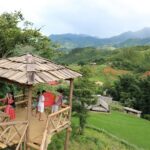
Sapa is famous for terraces, but the best part is what’s happening inside them. On this 2 days 1 night route, you’re moving through multiple villages and valleys, so you get contrast: viewpoints, trails, and daily life tied to farming and community rhythms.
I also like that the schedule doesn’t pretend you can do everything with zero effort. Day 1 gives you Cat Cat Village and a gentle-to-moderate descent, then Day 2 turns into proper trekking with rice-field paths and village-to-village walking. It’s a classic “earn your views” setup.
A second reason I’d pick this style: you travel from Hanoi to Sapa by sleeper bus. That cuts down on wasted daylight and lets you arrive in Sapa around midday, then start exploring without feeling like you spent the entire first day trapped in a chair.
You can also read our reviews of more tours and experiences in Hanoi.


Pickup, Sleeper Bus, and the Small-Group Logistics That Matter
The tour starts with a hotel pickup in Hanoi’s Old Quarter at 6:30am. From there, you transfer to the sleeper bus for the ride to Sapa. Even if you’re not a “sleep on buses” person, it’s still a practical way to compress travel time.
Once you arrive, the trip keeps moving in sensible blocks. You meet your local guide at the bus station, then you head to lunch, check in, and only then begin sightseeing and trekking. That order matters because hunger and fatigue can turn a fun walk into a slog.
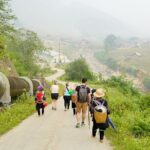
The group limit is 15 travelers, which changes how the day feels. You’re less likely to get split from your guide, and it’s easier to ask for help with pacing. If you prefer a quieter experience, this setup is a good fit.
Day 1: Hanoi to Sapa, Cat Cat Village, Waterfall, and a French-Era Power Plant

After the morning pickup and the bus ride, you reach Sapa around 1:00pm. Then you connect with your guide, get to your overnight place, and start with lunch at a local restaurant. This is one of the smarter choices on the itinerary—eat early, then walk.
In the afternoon, you go to the gate of Cat Cat Village, a home of the Black H’mong community. The village sits near the bottom of a deep valley at the foot of Fansipan Peak, so you’re stepping into a view corridor right away rather than arriving somewhere flat and generic.
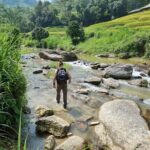
Then comes the walking section: you descend about 2.5 km over roughly 2 hours. You’ll pass a waterfall area and also see the site of a power plant built by the French during colonial time in 1925. That mix of nature and local history gives the village stop more depth than a quick photo stop.
You also get a short window to enjoy a performance by boys and girls from the village. It’s timed into the day so you’re not exhausted before it happens. For me, that’s a sign the pacing is meant to feel human, not factory-made.
Back in Sapa town, you’ll have dinner at the hotel and free time. This free time is useful because Sapa can tempt you to wander for photos, local snacks, or just a quieter moment after the first long travel day.
Day 2: Muong Hoa Valley Rice Terraces, Y Linh Ho and Lao Chai, and Ta Van Homestay
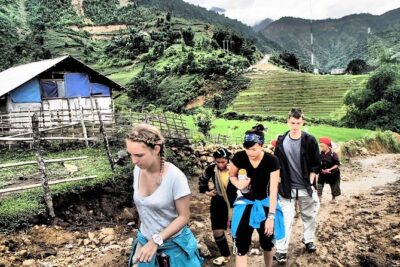
Day 2 starts with breakfast between 7:00 and 8:00am, then checkout and a light pack for trekking. The itinerary is clear that you’ll walk a lot: about 12 km across the day while visiting three villages and two minority groups.
First stop on the walking route is the Muong Hoa Valley, widely known for dramatic rice terraces. The plan includes trekking down toward the valley, with 9 km down noted for that section. If you don’t train for downhill legs, bring a little extra patience—downhills always cost more than they look.
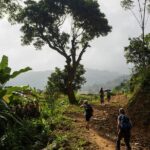
After that, you move through Y Linh Ho and Lao Chai on smaller trails. This stretch is listed as about 3.5 hours downhill walking to a mountain-side sleeping point where terraced rice paddies surround the area. It’s the kind of day where the terrain does some of the teaching for you: you start understanding why these communities build around slopes, water, and timing.
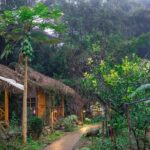
Lunch happens at a local restaurant around 12:30. After eating, the route continues along the valley bottom toward Ta Van village, home to the Dzay people. The key moment here is that you experience life through a stay in a local family’s cottage. Even without fancy extras, that’s one of the most valuable parts of Sapa travel because it puts you in the same rhythm—work, conversation, and basic routines.
The afternoon includes a transfer back to the hotel and then getting your luggage. You’ll then head to the bus station for the ride back to Hanoi, arriving around 9:30pm.
The Guides: English-Speaking Local Experts Like Cat, Vu, and Ku
This trek leans hard on guide quality, and the feedback on the guides is a big part of why the rating stays high. Names that come up include Cat, Vu, and Ku, and the praise is consistent: guides are friendly, attentive, and able to explain what you’re seeing in clear English.
That matters because Sapa can look like pure scenery unless someone connects it to daily work. The best guides help you connect rice terrace patterns to farming needs, and they help you read the villages as communities rather than photo backdrops.
I also appreciate the local-ethnic angle. When your guide is from the region and knows the people and where to eat, you spend less time guessing and more time understanding.
One practical note: the tour specifies moderate physical fitness. That usually means you don’t need to be athletic, but you should be ready for sustained walking and changing elevations.



What to Pack (So Day 2 Doesn’t Humble You)
The itinerary is trekking-focused, so pack like you mean it. You’ll carry a light pack on Day 2, but “light” still needs to handle weather and comfort, especially since Sapa conditions can shift.
Bring:
- Comfortable shoes with grip for downhill paths
- A layer for cool morning air and a breathable layer for later trekking
- Sun protection for open sections and a small rain layer, just in case
- Water and snacks you can manage easily during walking (the tour includes meals, but you may want extra between them)
On Day 1, you’re walking 2.5 km for about 2 hours, plus time for village sites. On Day 2, you’ll go much longer with multiple village connections. If your feet get sore easily, this is where you can protect the trip.
Also think about timing. The start time in Hanoi is early, and the itinerary moves fast. If you’re used to slow mornings at home, plan for a “go with the flow” mindset.
Value for $85: What’s Included, What’s Not, and How to Budget Smart
At $85 per person, this tour competes well for a two-day program that includes transport, guiding, and a structured set of village experiences. The value is strongest if you like walking and want an organized way to cover more than one area around Sapa.
What you get:
- English-speaking guide
- Air-conditioned vehicle for included transfers
- All fees and taxes
- A pickup offered in Hanoi Old Quarter
- Mobile ticket
- Meals during the schedule and an overnight stay on Day 1 (hotel or homestay, depending on the option you choose)
What you should budget separately:
- Alcohol is not included
- Private transportation isn’t included (this is a group-tour format)
- Personal expenses and anything you choose to buy at villages
If you’re trying to keep costs low, the structure helps. You’ll know where meals land and you won’t have to scramble for guides or transport day-by-day.
Who This Trek Suits Best (And Who Might Want a Different Style)
This trek fits best if you want:
- A small group experience with an actual local guide
- A real walking day with rice terrace paths and village visits
- A mix of viewpoints, village culture, and homestay time
It may be less ideal if you:
- Prefer short walks only, with minimal downhill
- Have limited mobility or strong knee issues (the itinerary includes long downhill stretches)
- Want a completely relaxed pace without early mornings
If you’re a first-time Sapa visitor who wants the highlights plus deeper village contact, this is a solid “starter trek” without being too short.
FAQ
What time does the tour start in Hanoi?
The tour pickup starts at 6:30am in Hanoi’s Old Quarter.
How much does the Sapa trekking tour cost?
The price is $85.00 per person.
Is the group size limited?
Yes, the maximum group size is 15 travelers.
How do you get from Hanoi to Sapa?
You travel from Hanoi to Sapa by sleeper bus.
Does the tour include pickup?
Yes, pickup is offered in Hanoi’s Old Quarter.
What trekking villages are included?
The itinerary includes Cat Cat Village, then trekking through Y Linh Ho and Lao Chai, and visiting Ta Van village.
How much trekking is planned?
The tour lists about 12 km of trekking on Day 2, plus about 2.5 km trekking on Day 1.
Where do you stay overnight?
Overnight on Day 1 is included, either in a hotel or a homestay.
Are meals included?
Yes. Meals are included as part of the itinerary, including lunch and dinner on Day 1 and breakfast and lunch on Day 2.
What if weather affects the trek?
The tour notes that it requires good weather. If it’s canceled due to poor weather, you’ll be offered a different date or a full refund.
Should You Book This Sapa Trek?
I’d book it if you want a well-paced, local-guided Sapa experience with real village walking and a Ta Van homestay moment. The combination of small group size, multiple ethnic village stops, and a clear Day 2 trekking plan makes this feel like a genuine Sapa trip rather than a quick drive-by.
I wouldn’t book it if you’re hoping for mostly flat sightseeing or you know you’ll struggle with downhill walking. If you’re comfortable with moderate fitness and early starts, this is a strong value way to see Sapa beyond the town center.