REVIEW · KATHMANDU
Everest Base Camp Trek 15 days | Local Guide | Flexible Itinerary
Book on Viator →Operated by Life Himalaya Trekking · Bookable on Viator
One mountain trip can change your whole pace. This 15-day Everest Base Camp trek is built around safety-first guidance, classic Sherpa villages, and a hard-earned top view from Kala Patthar.
I love that you get a ready-to-trek package: flights to Lukla, permits, and even trekking gear like poles and a down jacket. You also get lodging that’s described as clean and comfortable, plus food picked from lodge menus so you can keep moving without drama.
For a potential drawback, plan for basics: you won’t have hot showers or reliable battery charging, and the itinerary is only as good as your altitude discipline.
In plain terms, this is a solid value way to do EBC if you want a structured plan and a human guide beside you.
In This Review
- Key highlights before you start
- Everest Base Camp at 5,364m: what this trek really feels like
- Day-by-day: the pacing, the purpose, and what to watch for
- Day 1: Arrive in Kathmandu and get set up
- Day 2: The flight to Lukla (2,810m) and a short start in the Everest region
- Day 3: Lukla onward to Namche Bazaar via Hillary Bridge
- Day 4: Acclimatization at around 3,440m with time for side walks
- Day 5: Tengboche Gompa and a famous monastery setting
- Day 6: Toward Dingboche via bridges and river crossings
- Day 7: Another acclimatization day in Dingboche
- Day 8: Thugla and the trek toward open, big-mountain views
- Day 9: The day you reach Everest Base Camp at 5,364m
- Day 10: Kala Patthar at 5,545m for the classic Everest panorama
- Day 11: Descent begins, with a less crowded route toward Phorste
- Day 12: Connection toward Gokyo trail areas via Phorste Thanga and Mong Danda
- Day 13: Back up the return trail to Lukla
- Day 14: Flight back to Kathmandu with leisure time
- Day 15: Transfer to Tribhuvan International Airport and go home
- Gear, porters, and what’s actually included (and why it matters)
- A practical reality check: what’s not included
- The guide team: safety focus and real mountain support
- Comfort and food in tea houses: how to enjoy it
- Price and value: does $1,890 per person make sense?
- Who this trek suits best (and who should think twice)
- Should you book this Everest Base Camp trek?
- FAQ
- How do flights to Lukla work on this trek?
- What altitudes do you reach on this itinerary?
- Is an English-speaking guide included?
- What hiking gear is provided?
- Are permits included?
- What meals are included during the trek?
Key highlights before you start
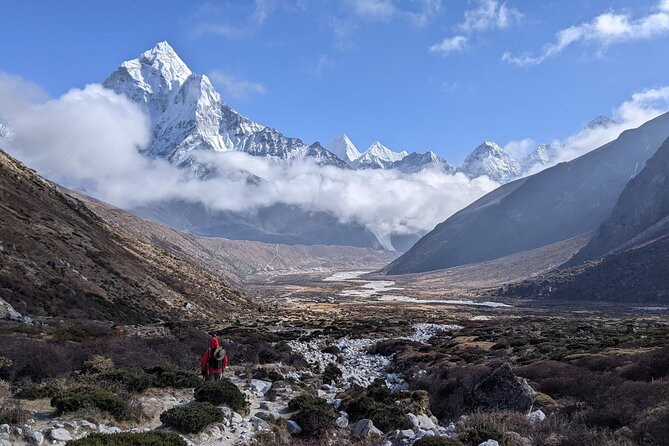
- Local, English-speaking guide with an assistant on larger groups so you’re not left figuring things out at altitude.
- Flights between Kathmandu (or Ramechap) and Lukla are included, which saves a lot of logistics headaches.
- Acclimatization days at key elevations (including Namche and Dingboche) to reduce the risk of altitude sickness.
- Everest Base Camp at 5,364m plus Kala Patthar at 5,545m for the big Everest lineup.
- Gear and support included: trekking poles, sleeping bag, down jacket (to be returned), plus strong porters.
- A flexible feel on the return side with a less crowded route through Phorste/Phorste Thanga and back via Lukla.
Everest Base Camp at 5,364m: what this trek really feels like
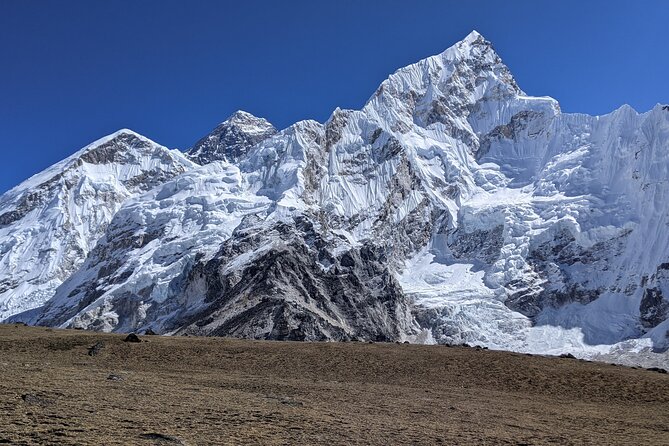
Everest Base Camp is not just a destination. It’s a slow machine: day after day, you climb higher, sleep a little less comfortably, and your brain starts paying attention to every breath. This trek’s appeal is that it treats high altitude like the main character, not like an afterthought.
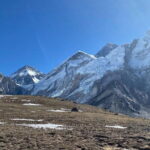
What I like most is the balance between the classic Everest route and practical pacing. You get the famous Sherpa trail through places like Namche and Tengboche, then you reach the real focus—EBC—followed by an early-morning Kala Patthar push for that wide view of Everest, Lhotse, Nuptse, and nearby peaks.
And you’ll probably appreciate the “quiet” perks too: lodge stops that are described as clean, and meals chosen from what lodges serve. That matters when weather turns and you want food that’s available now, not based on optimism.
You can also read our reviews of more tours and experiences in Kathmandu.
Day-by-day: the pacing, the purpose, and what to watch for
Below is how the trip pieces fit together, and why those stops matter beyond just names on a map.
Day 1: Arrive in Kathmandu and get set up
Your trip starts in Kathmandu with an airport arrival and transfer to your hotel. Kathmandu is where you turn your travel day into a trekking plan—rest, hydrate, and keep your packing simple.
The key move here is mental. Don’t overschedule. You’re about to trade city comfort for tea houses and altitude math.
Day 2: The flight to Lukla (2,810m) and a short start in the Everest region
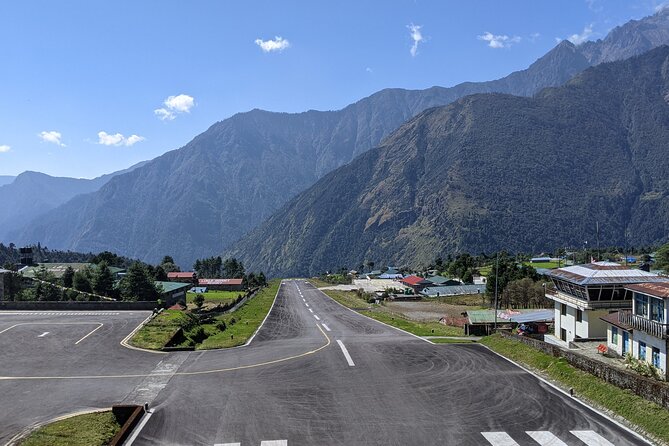
You fly early to Lukla via the Tenzing-Hillary airstrip (2,810m). Lukla is the gateway town for the Everest trekking area, and it usually feels like a busy outpost at the edge of big mountains.
This day is mostly about logistics and adjusting your body to the elevation. You’re already higher than Kathmandu, so take it easy with food, pace, and water.
Day 3: Lukla onward to Namche Bazaar via Hillary Bridge
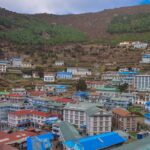
After tea house breakfast, you walk about five hours to Namche Bazaar (the main Sherpa hub). Hillary Bridge is part of the classic connection and a memorable checkpoint on the way in.
Namche is where you can feel the trek “lock in.” It’s not only scenery; it’s rhythm: daily hills, daily tea houses, and people who know exactly how to move here.
Day 4: Acclimatization at around 3,440m with time for side walks
You reach about 3,440m and the itinerary gives you time for acclimatization. There’s even an option for side excursions, which is what you want—gentle movement without forcing a big distance.
This is where your guide’s altitude strategy becomes real. If you rush this part, the rest of the trek punishes you later. If you take it easy, you’ll set yourself up for smoother high days.
Day 5: Tengboche Gompa and a famous monastery setting
Today you head toward Tengboche, about five hours above Namche. You’re walking uphill on a trail that’s known for that steady “one step, breathe, repeat” grind, and you arrive at a special spiritual stop: Tengboche Gompa.
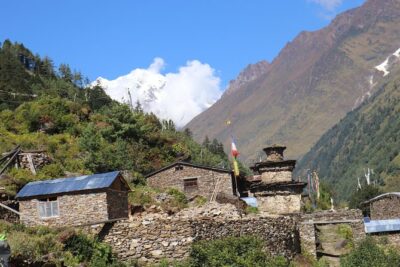
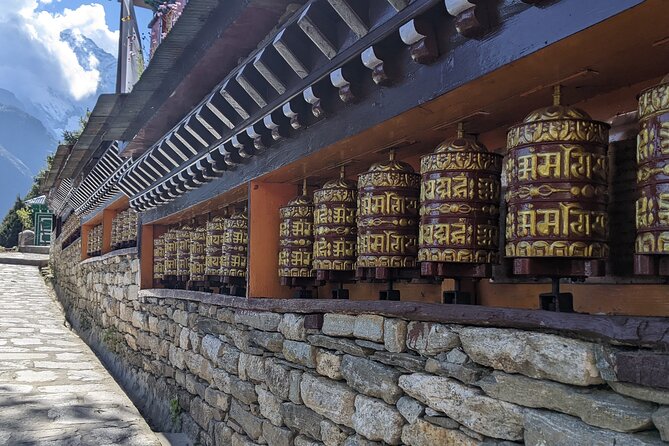
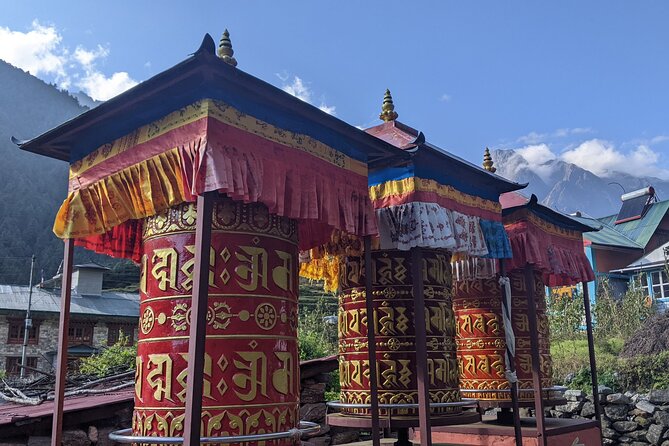
The monastery area is often calmer than the trekking towns. It’s a good moment to pause, notice the prayer flags, and remember that Sherpa culture is woven into everyday mountain life—not just tourism.
Day 6: Toward Dingboche via bridges and river crossings
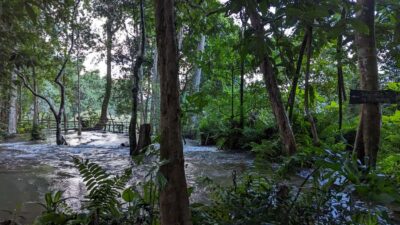
You trek toward Dingboche, around four to five hours, following the Imja Khola and crossing bridges to reach the Orsho area. Then you continue along the route where Dingboche and Pheriche connect.
Crossings can be slippery when weather shifts, so keep boots laced and poles useful. This day is also about building “high altitude legs” without going fully heroic.
Day 7: Another acclimatization day in Dingboche
You stop in Dingboche for an altitude acclimatization day. There are side excursions available to stay active while your body adjusts.
If you’re prone to headaches or nausea, this is where you listen to your body hardest. The itinerary is designed to avoid altitude sickness, but your job is still simple: move like you have all the time in the world.
Day 8: Thugla and the trek toward open, big-mountain views
After rest, you start with a morning walk and head toward Thugla, a spot described as perfect for views. This is one of those “you feel altitude, but the scenery starts to feel unfair” days.
Expect the air to thin and your pace to slow. That’s not failure. It’s acclimatization working.
Day 9: The day you reach Everest Base Camp at 5,364m
This is the main day: the walk to Everest Base Camp. It’s described as the most fascinating and adventurous day, because you’re finally closing the waiting gap.
At EBC, you’ll likely feel a wave of emotion—not because it’s dramatic in a movie way, but because it’s real. You’re standing in a place built for logistics and work, where mountains dominate everything else.
Day 10: Kala Patthar at 5,545m for the classic Everest panorama
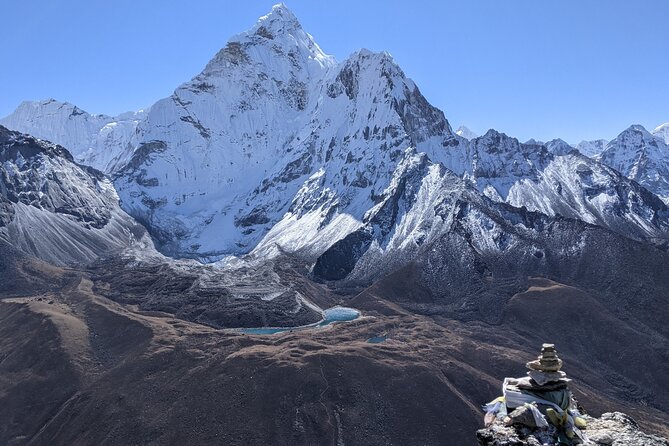
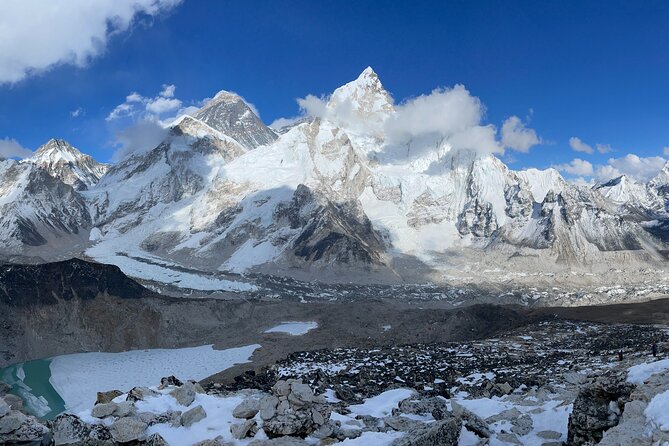
You start very early for the hike to Kala Patthar. This is the highest elevation day described, and it’s the reason many people do this trek at all: the wide view of Everest plus major neighboring peaks like Lhotse and Nuptse.
Early start matters because you want light and visibility. Also: going up in the dark means you want good gloves, a hat, and steady steps. Your guide will usually set the pace that keeps your breathing stable.
Day 11: Descent begins, with a less crowded route toward Phorste
Today you trek down toward Pangboche and take a new route that’s described as less crowded through Phorste village. Along the way you pass views tied to nearby peaks and the Tengboche monastery area.
Descent is easier on paper and harder on knees. Take shorter steps, use trekking poles, and don’t “freewheel” downhill.
Day 12: Connection toward Gokyo trail areas via Phorste Thanga and Mong Danda
This day is described as trekking down to the river coming from Gokyo Lake, then connecting to the trail to Gokyo at Phorste Thanga (3,680m). After a trek up to Mong Danda, you enjoy the less crowded routing described for this section.
This is a nice change of pace from the EBC-only storyline. You still keep moving through high-altitude villages and open views, but the route feels less like repeating yourself.
Day 13: Back up the return trail to Lukla
After breakfast, you trek the same route back toward Toktok and Phakding. You pass other towns like Ghat and Cheeplung and then make the final push up to Lukla.
This is the “stay steady” day. By now, your body knows the routine, so focus on consistent effort rather than speed.
Day 14: Flight back to Kathmandu with leisure time
You take an early possible flight to Kathmandu, then check in and enjoy the rest of the day at leisure. This is also your buffer day in case weather or flight timing changes.
Don’t plan a marathon night out. Your legs will still be learning how to walk on flatter ground.
Day 15: Transfer to Tribhuvan International Airport and go home
On the last day, a representative transfers you to Tribhuvan International Airport for your departure flight. It ends like it started: organized, calm, and with time to say goodbye.
Gear, porters, and what’s actually included (and why it matters)
This trek includes trekking poles, sleeping bags, and a down jacket for the duration (returned afterward). That can be a big value boost if you don’t already own cold-weather gear suitable for high altitude.
You also get private transportation and flights between Kathmandu/Ramechap and Lukla. That’s a major part of the cost and stress for EBC trips—having it included helps you avoid the “I hope this works out” feeling.
The porter setup is also worth noting: one porter for two people, carrying 20 kg total with 10 kg per guest. When you’re moving uphill every day, even a lighter pack makes it easier to keep a steady pace.
On the admin side, permits are covered: Sagarmatha National Park Permit, TIMS permit, and the local rural area permit. You’re paying for the paperwork that would otherwise steal time and energy.
A practical reality check: what’s not included
Hot showers and battery charging during the trek are not included. Plan for limited power options and cold evenings.
Lunch and dinner in Kathmandu are not included, and you’ll also want travel insurance covering up to 6,000m. If you don’t have it, this is the one item you should sort before you head out, because high altitude isn’t the place to wing it.
The guide team: safety focus and real mountain support
This trip is built around an experienced, licensed guide who speaks English. For bigger groups (five or more), there’s an assistant guide as well, which helps keep navigation, pacing, and support more consistent.
Across the guidance style, the themes are clear: safety and comfort, plus an itinerary designed to reduce altitude problems. The team support is also reflected in porter staffing and the emphasis on strong, helpful porters.
You may see names like Raj, Shiba, Ram, Rabin, Sagar, and porters such as Suren, Sonam, Phurpa, Jal, Ganesh, Vijay, and Teeras listed in real-world experiences. The common thread is not just friendliness—it’s that they keep you moving with smart pacing and practical help when the mountain tests you.
One more detail I like: you get a trekking trail map and an achievement certificate. It’s not survival gear, but it gives you a satisfying endcap to a long effort.
Comfort and food in tea houses: how to enjoy it
Accommodation is described as clean and comfortable lodge stays. That’s what you want on EBC—simple rooms, warm layers, and a bed that helps you reset.
For food, the plan is hygienic choices from the lodge menu. You’ll still want to keep it sensible: eat what agrees with you, drink tea, and don’t go chasing spicy experiments when your body is busy adjusting.
Also: coffee, soda, and snack temptations are real up high. If you can, limit heavy junk and keep your energy steady with what’s available.
Price and value: does $1,890 per person make sense?
At $1,890 per person for a 15-day private Everest Base Camp trek, the value comes from what’s bundled—not just the headline cost.
You’re paying for:
- Round-trip flights to Lukla (Kathmandu/Ramechap to Lukla and back)
- Permits (Sagarmatha National Park, TIMS, and rural area)
- Guide and porter support (with a defined porter ratio)
- Gear (poles, sleeping bag, down jacket)
- Meals on the trail (breakfasts, lunches, and dinners across the trekking days)
- A farewell dinner and an achievement certificate
If you were to piece this together yourself, you’d spend time coordinating permits, arranging Lukla flights, renting gear, and hiring licensed guides. Here, that coordination is already handled. The trade-off is that you’ll still live with the basic realities of mountain travel: limited power, cold nights, and lodge food that’s practical rather than fancy.
So yes, this price can be fair—especially if you value reduced logistics stress and a guide who manages pace and safety on a route that climbs high enough to matter.
Who this trek suits best (and who should think twice)
This fits best if you:
- Want the classic Everest region route with Sherpa villages and monastery time
- Prefer a guided plan that targets altitude acclimatization
- Appreciate comfort basics like clean lodge stays and sensible meal planning
- Are okay with trekking in a system where power and hot showers are not a given
It may not suit you if:
- You’re looking for a luxury experience with modern amenities (this is tea house trekking)
- You’re not ready to commit to a strong fitness level (the trip calls for strong physical fitness)
- You want lots of flexibility day-to-day without a structured altitude plan
Should you book this Everest Base Camp trek?
If you want an organized, safety-minded way to reach Everest Base Camp and also earn the big view from Kala Patthar, this is a strong match. The included flights, permits, and gear are practical value, and the acclimatization days are the kind of boring planning that saves you from exciting problems.
Book it if you like clear structure, a licensed English-speaking guide, and you’re prepared for tea houses, cold nights, and knee-friendly descents. Skip it if your idea of comfort means hot showers and reliable charging—because the mountains won’t give you that, and the trek doesn’t pretend otherwise.
FAQ
How do flights to Lukla work on this trek?
Flights from Kathmandu/Ramechap to Lukla and back to Kathmandu/Ramechap for all members and staff are included. This is part of the itinerary and helps you avoid arranging transport on your own.
What altitudes do you reach on this itinerary?
You trek to Everest Base Camp at 5,364m and also hike to Kala Patthar at 5,545m. The route also includes higher elevation acclimatization stops around 3,440m and in Dingboche.
Is an English-speaking guide included?
Yes. You’ll have an English-speaking experienced licensed guide, and for groups of 5 or more, there is an assistant guide.
What hiking gear is provided?
The trip includes hiking poles, a sleeping bag, and a down jacket (the items are returned after the trek).
Are permits included?
Yes. Permits included are the Sagarmatha National Park Permit, TIMS permit, and a local rural area permit.
What meals are included during the trek?
Dinner, breakfast, and lunch are included on the trekking days (lodge meals are chosen from the lodge menu). Lunch and dinner in Kathmandu are not included.