REVIEW · KATHMANDU
Poon Hill Trek package
Book on Viator →Operated by Nepal Hiking Adventure Company - Private Day Tours · Bookable on Viator
Sunrise over the Annapurnas is hard to beat. This 5-day Poon Hill Trek package in Nepal mixes big Himalayan views with Gurung village life, so you’re not just hiking for scenery. You’ll move through classic Annapurna-region stops like Birethanti, Ulleri, Hile, Ghorepani, and Ghandruk, with an early-morning push for the famous Poon Hill panorama.
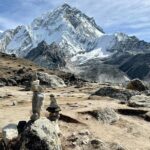
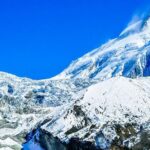
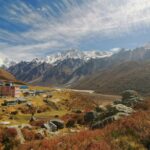
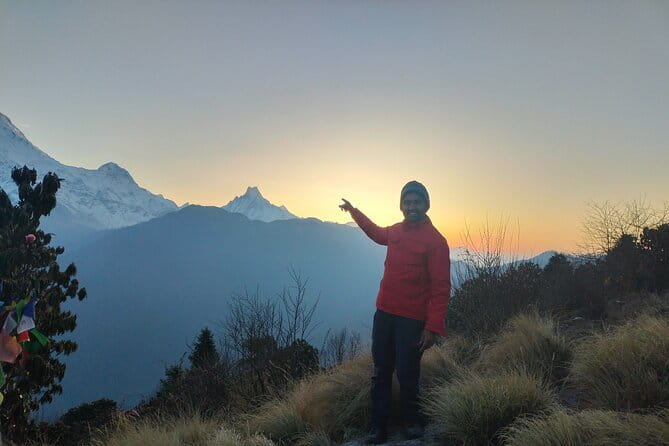
I especially like two things. First is the sunrise payoff at Poon Hill, with views stretching toward the Annapurna and Dhaulagiri ranges. Second is the human side of the trek: the trail threads through Gurung and Magar villages, where you get a real sense of how people live around the mountains.
One consideration: the trek includes early starts, especially on the day you hike to Poon Hill for sunrise. If you’re hoping to sleep in and take everything slowly, this rhythm may feel a bit intense.
In This Review
- Key highlights to know before you go
- Kathmandu to Pokhara: the long drive that sets the mood
- Day 2 on the Annapurna trail: Birethanti to Ulleri via Hile
- Day 3 to Ghorepani: rhododendron mornings and steady altitude gains
- Day 4: Poon Hill sunrise, then Ghandruk for village views
- Day 5: the downhill finish from Ghandruk to Birethanti, then Pokhara
- What you’re paying for: value in transport, permits, and meals
- Guides and group size: small group energy, real support
- Who should choose this Poon Hill Trek package
- Practical tips to get the most from the trek
- Should you book this Poon Hill Trek?
- FAQ
- What is the meeting point for this trek?
- Where does the trek end?
- How long is the Poon Hill Trek package?
- What’s included in the price?
- Are meals and drinks included?
- How big is the group?
- What’s the difficulty level?
- What happens if weather is poor?
Key highlights to know before you go
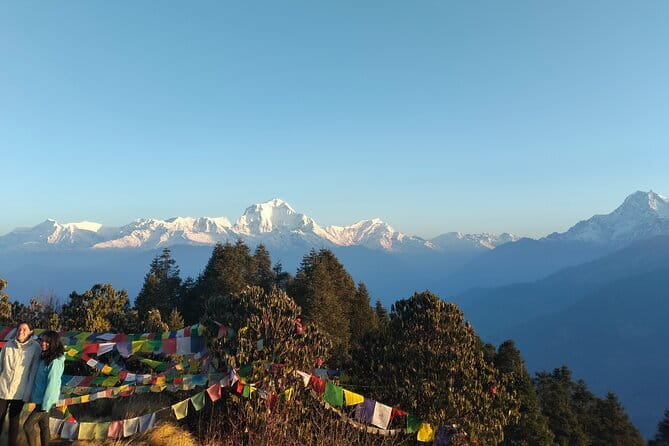
- Poon Hill sunrise timing: an early-morning hike for the best light on the peaks
- Gurung and Magar villages on the route: cultural stops built into your daily walking
- Rhododendron forest section: a quieter, greener morning stretch to Ghorepani
- Small group size (max 8): more personal attention from your guide
- Meals and stays included on the trek: breakfast, lunch, dinners, plus basic accommodation
Kathmandu to Pokhara: the long drive that sets the mood
Most Poon Hill trips start with a bus ride, and yours begins near Thamel at the Nepal Hiking Adventure Company office in Kathmandu. From there, you head to the bus park and take the drive to Pokhara. The route is about 6–8 hours (so yes, it’s a full travel day), and you’ll sleep in Pokhara that night.
Why this matters: Pokhara is your buffer city. You get an easier start the next morning when you head toward the trekking trailhead. Also, Pokhara’s lakeside area is a practical place to meet up with your team and go over what comes next—permits, walking plan, and what to expect on the first trek day.
If you’re the type who needs mental prep, do a little of it while you’re in Pokhara. Even basic questions help: how steep the first sections feel, how cold mornings get, and where you’ll stop for meals once the trail starts. The company’s guides have a reputation for being responsive in planning, including prompt email or text answers (Bishnu is one example), which is a good sign for how smooth the start should feel.
You can also read our reviews of more tours and experiences in Kathmandu.
Day 2 on the Annapurna trail: Birethanti to Ulleri via Hile
Day 2 begins at Pokhara Lakeside. After meeting your guide and group, you drive to Birethanti—a checkpoint area for the Annapurna Conservation Area. Before you start walking, the group checks permits as part of the process, and that’s included in the package.
Then comes the trek itself: Birethanti to Ulleri, with Hile along the way. You’ll trek for about 5 hours, and the day also includes a shorter lunch break around Hile before the uphill push continues toward Ulleri.
What to expect on this day: the first day often feels like the trek version of stretching your legs. Even though the overall difficulty is described as easy for people with normal fitness, the trail can still feel “leggy” when you first transition from vehicle time to walking time. Ulleri itself is a classic stop—so you’ll likely feel like you’ve reached a real trekking village by the time you settle in.
The value here is that you’re not just “getting to the view.” You’re stepping into the Annapurna region gradually, with a checkpoint routine that makes the area feel official and well-managed. It also means you don’t spend your limited energy later worrying about paperwork.
Day 3 to Ghorepani: rhododendron mornings and steady altitude gains
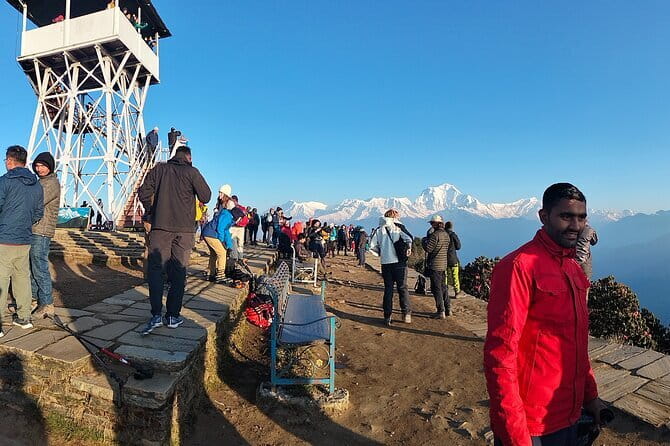
Day 3 starts early. After breakfast at your accommodation, you set off toward Ghorepani. The route is described as going through rhododendron forest, and you reach Ghorepani after about 5 hours of trekking.
This is one of those days where the pace can feel pleasantly consistent. Forest sections tend to break up the constant exposure you get on more open trails, and they also help with temperature swings—shade can be a lifesaver when you’re walking in early light.
Why Ghorepani is worth it: it’s not only a stopping point. It’s the launchpad for the next day’s big moment. Getting there on Day 3 means you can sleep and reset with the sunrise hike already planned, instead of trying to “arrive and go” the next morning.
Also, this is where you start noticing how much the itinerary is built around daily rhythm: walk, eat, rest, then repeat. You’ll have meals included through the trek, which reduces the mental load of figuring out costs and timing every day.
Day 4: Poon Hill sunrise, then Ghandruk for village views
Day 4 is the showpiece day. You leave early to hike up to Poon Hill for sunrise, then you explore more mountains from the viewpoint before heading back. This part is listed as about 2 hours, and after you return, you’ll go back to the hotel for breakfast and regroup.
After breakfast, you move on toward Ghandruk, walking for around 6 hours. You’ll stop for lunch along the way when you feel hungry, then continue onward.
How to think about this day: it’s two different experiences stacked together.
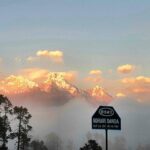
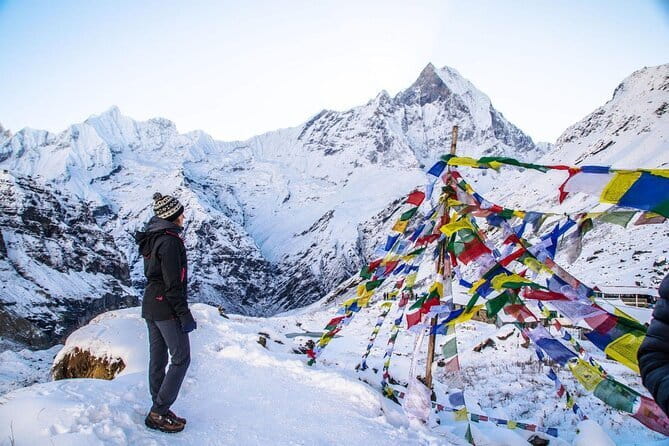
1) Poon Hill is about light and scale. You’re chasing the moment when the sky shifts and the peaks pop into view. The trek is known for perspectives toward both the Annapurna and Dhaulagiri ranges, and that’s exactly the kind of view that justifies the early wake-up call.
2) Ghandruk is about slow down and look around. This village section matters because you’re seeing how the trekking route supports community life. It’s not only “photos and out.” You’re walking through places where daily routines still happen—shops, guesthouses, and people who know the trail by name.
If you want the best use of the day, don’t plan your day around only sunrise photos. The return and transfer back to the village gives you time to settle and enjoy the afternoon stretch, not just rush between peaks.
Day 5: the downhill finish from Ghandruk to Birethanti, then Pokhara
Your last trekking day starts after breakfast. You trek from Ghandruk with a downhill walk toward Syauli Bazzar, then continue on an easier path to Birethanti—listed at about 4 hours total.
In other words: Day 5 is designed as a finish line, not a final test. It’s the kind of day that helps you recover after the earlier uphill and sunrise effort.
Once you reach Birethanti, you check out on the permit process, then you drive back to Pokhara Lakeside. The drive time from there is short in the itinerary (about 2 hours), and you end your tour in Pokhara.
Why this ending is practical: it keeps the “travel wrap-up” simple. You’re not stuck taking multiple transfers with your legs tired. Instead, you finish the hike, do your paperwork check, and then roll straight into the easier pace of Pokhara.
What you’re paying for: value in transport, permits, and meals
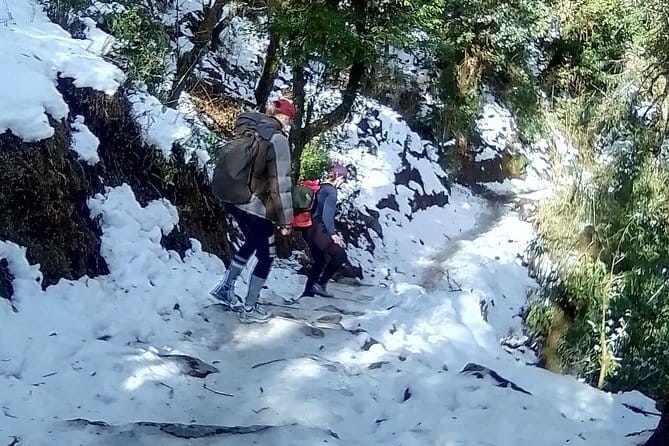
At $405 for a roughly 5-day package, the smartest way to judge value is to look at what’s bundled.
This includes:
- Transportation to and from the trek start/end points
- All fees and taxes
- An experienced trekking guide
- Accommodation during the trek for 3 nights
- 1 night in Pokhara on a BB (breakfast included) plan
- A tourist bus ticket for the Kathmandu-to-Pokhara drive
- Meals: dinner (3), lunch (4), breakfast (4)
You also get a couple of “small but useful” extras: group discounts are part of the package features, and there’s a mobile ticket option.
How this plays out in real life: when you don’t have to think about daily meals and lodging arrangements, you can focus on walking and enjoying the villages. The trek is short enough that food and bed logistics matter more than long-term endurance planning.
What’s not included is also clear: drinks during the trek, personal expenses, and tips for guide/potters are expected. So if you tend to buy lots of water or snack frequently, budget for it. It’s not a dealbreaker—just don’t assume everything is covered.
Guides and group size: small group energy, real support
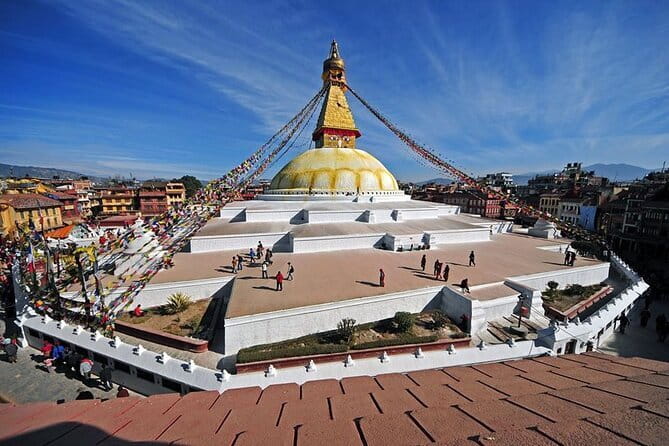
This trek runs with a maximum of 8 travelers, which is a key quality-of-experience detail. Smaller groups usually mean you spend less time waiting and more time moving with confidence.
The guide experience looks strong from the names that have been associated with this company’s treks: Tilak, Bishnu, and Ram show up in past trip feedback. The common thread is support—helpful, informative, and attentive. Bishnu in particular is mentioned as being very responsive before the trip by email and text, which is exactly what you want if you have questions about timing, conditions, or fitting a short trek into a larger Nepal plan.
You’ll still want to bring your own questions to the guide, because every body and every pace is different. But this setup should help you feel looked after without turning the trek into a rigid, scripted experience.
Who should choose this Poon Hill Trek package
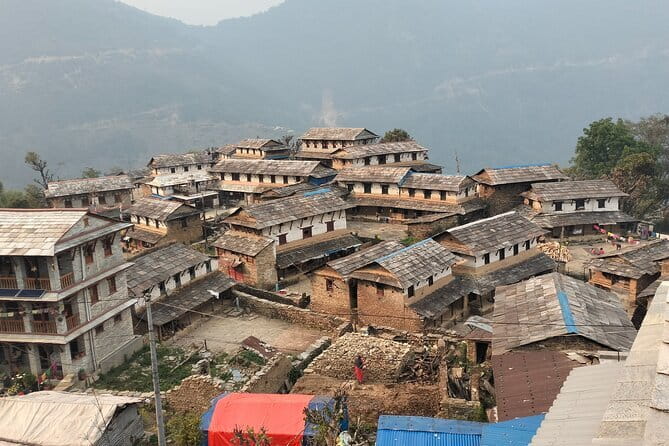
This is a good fit if you want:
- Himalayan views without a huge multi-week commitment
- A trek that’s described as easy for normal fitness
- Cultural time in Gurung and Magar villages along the route
- A guided plan that handles permits, logistics, lodging, and most meals
It’s also a smart choice for first-time hikers. The days are paced as manageable lengths, and the itinerary focuses on big moments (Poon Hill sunrise) while still giving you meaningful walking days around villages.
You might reconsider if:
- You hate early mornings
- You want a lot of free time with no guidance at all (this trip is structured)
- You’re planning around very tight travel buffers, because the itinerary depends on good weather for the trek experience
Practical tips to get the most from the trek
I’d plan your body and mind around the sunrise structure. Sunrise hikes often feel shorter on paper than they do in reality, because you start in colder, dimmer conditions. Dress in layers and keep something warm for the early start so you’re not spending energy shivering.
Bring cash for the items that aren’t included—especially drinks and personal expenses. Even if you’re trying to stay frugal, you’ll likely want a warm drink or some extra water during the walk days.
Finally, use the village days for small “offline” moments: step into a guesthouse area, talk to a local if it feels comfortable, and don’t treat every stop as a checkpoint. This trek’s best value comes from the combo—views and village life.
Should you book this Poon Hill Trek?
If you want a guided, well-organized taste of the Annapurna region in just a handful of days, this package is a solid choice. The itinerary is built around the main draw—Poon Hill sunrise—and it layers in village walking through places like Ulleri, Ghorepani, and Ghandruk. With meals and key logistics handled, you can spend your mental energy on the trail instead of planning it.
I’d book it if your goal is a first big Himalayan view with manageable effort and you’re okay with early mornings. I’d hesitate only if you’re very schedule-sensitive or you don’t handle cold starts well.
If that sounds like you, this is exactly the kind of trek where a little structure turns into a lot of enjoyment—and the sunrise moment is the kind you’ll remember long after the bus ride to Pokhara fades into the background.
FAQ
What is the meeting point for this trek?
You meet at Nepal Hiking Adventure Company, Z Street, Kathmandu 44600, Nepal.
Where does the trek end?
The tour ends at Pokhara Lakeside, Lakeside Rd, Pokhara 33700, Nepal.
How long is the Poon Hill Trek package?
It’s listed as about 5 days (approx.), with the trek itself running across multiple days and ending back in the Birethanti area before driving to Pokhara.
What’s included in the price?
Transportation to and from the trek start/end point, all fees and taxes, a trekking guide, trek accommodations for 3 nights, 1 night in Pokhara on a BB plan, tourist bus ticket to drive to Pokhara, and meals (3 dinners, 4 lunches, and 4 breakfasts).
Are meals and drinks included?
Meals are included as listed, but drinks and beverages are not included.
How big is the group?
The maximum group size is 8 travelers.
What’s the difficulty level?
The trek is described as easy and suitable for most travelers with normal fitness.
What happens if weather is poor?
This experience requires good weather. If it’s canceled due to poor weather, you’ll be offered a different date or a full refund.