REVIEW · LUANG NAMTHA
Hunter Trails, 3 days difficult trekking with Camping & Homestay
Book on Viator →Operated by The Hiker · Bookable on Viator
A hard hike in Laos can sound rough on paper, then feel magic on the trail. This 3-day Hunter Trails trek takes you off the usual path into primary forest on old hunter routes, with jungle camping, wildlife spotting, and a calm hilltop homestay finish. I especially like the mix of real trekking effort plus hands-on nature time, guided by locals who can point out what you’re seeing.
I also love that the food is treated like part of the adventure, with market ingredients and jungle foraging cooked over open fire. The main drawback is the physical side: you need strong fitness and expect steep climbs and 6–7 hiking hours on some days, especially if you’re trekking in rainy-season conditions.
In This Review
- Key points before you go
- Hunter Trails near Luang Namtha: the real vibe of this 3-day hike
- Day 1 from Ban Prang: rice fields, steep climbs, and leaving the road behind
- Day 2 rhythm: early wake-ups, jungle coffee, and deep primary forest walking
- Day 3 homestay morning: farming life, bamboo weaving, and an early start
- The food is the headline: market ingredients, foraged finds, and open-fire cooking
- Guides make the difference: why Mun, Thit, Noy, Xai, and Kham keep coming up
- Price and value: what $175 covers and why small-group hikes cost more
- How difficult is it really? Steep hills, 6–7 hours, and rainy-season reality
- What to pack: the essentials the tour says you must bring
- Where you start and how the trek ends (so you’re not guessing)
- Should you book Hunter Trails with The Hiker?
- FAQ
- Where does the Hunter Trails trek start?
- What time does the trek start?
- How long is the trek?
- How many people are in the group?
- Is this trek suitable if I’m not very fit?
- What meals are included?
- What trekking gear is not included?
- How much does it cost?
- What is the cancellation and refund policy?
- Do I receive a ticket or confirmation after booking?
Key points before you go
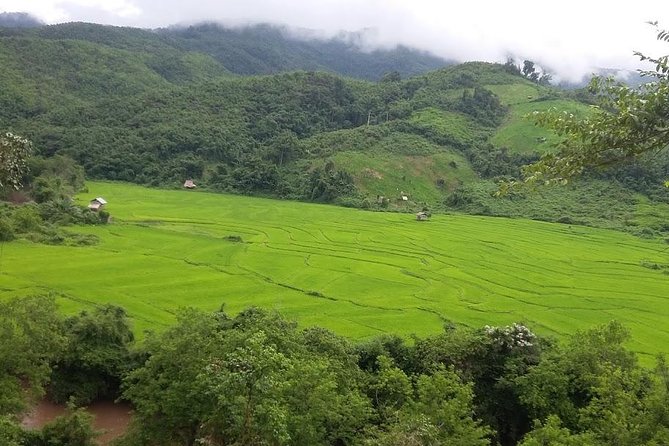
- Primary forest, old hunter trails: You’re walking deeper into the jungle rather than following a simple scenic loop.
- Small group size (max 8): The pace and attention feel more personal than big-tour trekking.
- Jungle camping + open-fire cooking: Basic camp setup, but meals and camp atmosphere are a big part of the experience.
- Foraged foods and guided nature talk: Expect explanations about plants, fruits, animals, and what’s edible.
- Village homestay day: You get a slower cultural morning with farming and bamboo weaving.
- Steep, demanding hiking: Plan for steep hills and a workout, not a walk in the park.
Hunter Trails near Luang Namtha: the real vibe of this 3-day hike
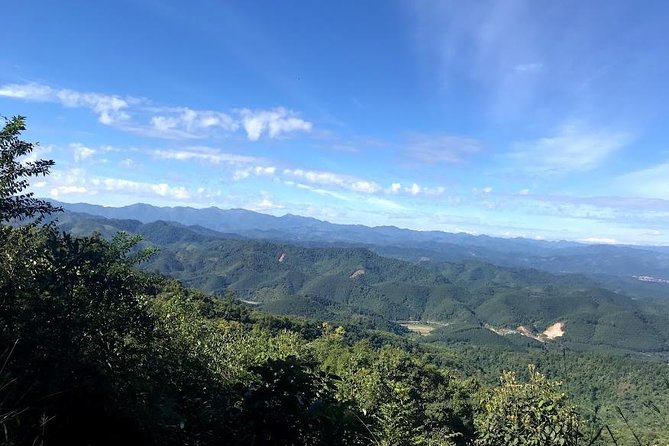
This is a tough-nature trek in northern Laos that mixes two worlds: active jungle hiking and then a village-style homestay rhythm. You’ll start from Ban Prang village (about 35 km south of town) and work your way into primary forest, where old trees and quieter ground cover make the whole place feel older than the route itself.
The part I think you’ll appreciate most is the way the guide experience shapes what you notice. On this trek, people like Mun, Thit, Noy, Xai, and Kham are repeatedly praised for explaining plants, fruits, wildlife, and local culture in a way that turns jungle time into something you can actually understand. The hikes aren’t just about distance; you’re also learning how the forest and village life connect.
This trek also caps at 8 travelers, which matters. Smaller groups usually mean fewer bottlenecks on narrow trail sections and more room for the guide to slow down when something interesting shows up.
You can also read our reviews of more tours and experiences in Luang Namtha.
Day 1 from Ban Prang: rice fields, steep climbs, and leaving the road behind
You’ll meet at The Hiker Travel Agency Laos at 17A Main Street, Phonexay Village, Luang Namtha at 8:30 am. From there, the trek begins at Ban Prang village, roughly 35 km to the south. That first transfer-style start matters because day one is where you feel the transition: farmed land and daily village activity give way to a much wilder feel.
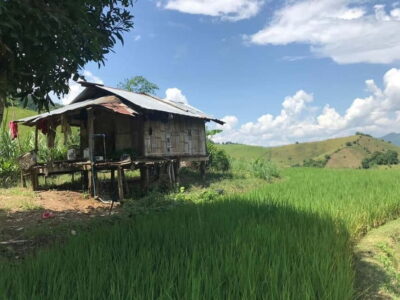
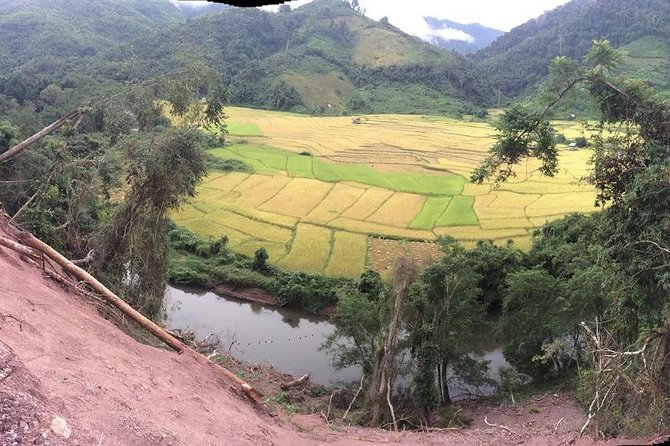
On the first part of the hike, expect steep hills and a good amount of walking through working agricultural areas, including rice fields. You’ll pass villagers working in the fields, and that little “human scale” detail keeps the jungle from feeling like a movie set. It feels like you’re moving through lived-in territory, not a theme park.
Day one is also when old hunter trails really start to matter. The point isn’t just to reach a view. It’s the journey through primary forest edges and deeper jungle paths, which can be uneven and tiring underfoot. If you’re the type who wants comfort first, this won’t be that kind of trek. If you like steady effort and don’t mind getting sweaty early, this day sets up the sense of accomplishment for the rest of the trip.
Day 2 rhythm: early wake-ups, jungle coffee, and deep primary forest walking
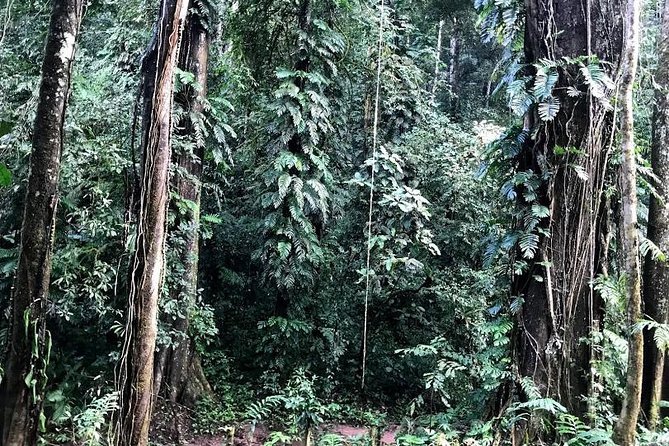
Day two has a very clear pattern: early start, wash up, then breakfast vibes that feel far from city life. You’ll get a fresh wash and a warm cup of coffee or wild tea while your guide prepares breakfast. That small ritual matters on a trekking day because it turns the “morning scramble” into something calmer and more deliberate.
Then you move through abundant forest again, continuing on routes that get you closer to the heart of the jungle. This is also the day where wildlife spotting is part of the plan, not just a random bonus. You’re walking slowly enough to notice movement, leaves, birds, and the small signs that animals live nearby.
What surprised me most in the experience details is how strongly the food stands out. You don’t just eat and go. You eat and you learn. Guides are praised for explanations about plants, fruits, and animals, and the foraging component shows up as part of the meal experience. One consistent highlight is how much guests talk about the quality of the jungle food, including items foraged while hiking and also ingredients brought from markets.
Night time leans into the campfire feeling. Meals are cooked on open fires, and that gives the whole trip a grounding, back-to-basics mood. The camp itself is described as basic but adequate, which is exactly what you want to hear if you’re trying to save your energy for the trail instead of hauling shelter-building stress.
Day 3 homestay morning: farming life, bamboo weaving, and an early start
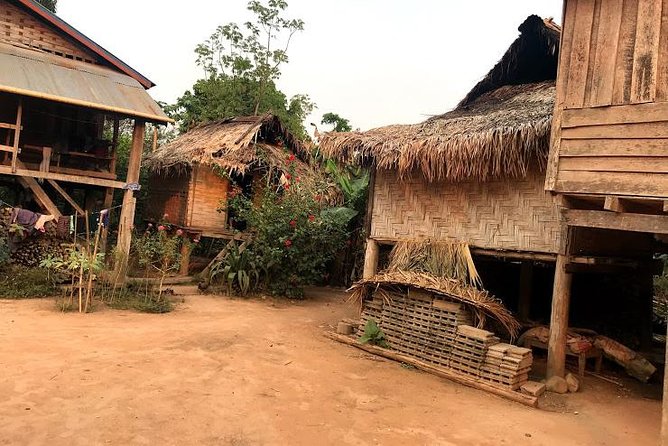
Day three starts early because village life runs on early mornings. After breakfast, you’ll take a walk around the village and see how people prepare for the day. This part is more than a photo stop. It’s a slow look at farm work and household rhythm.
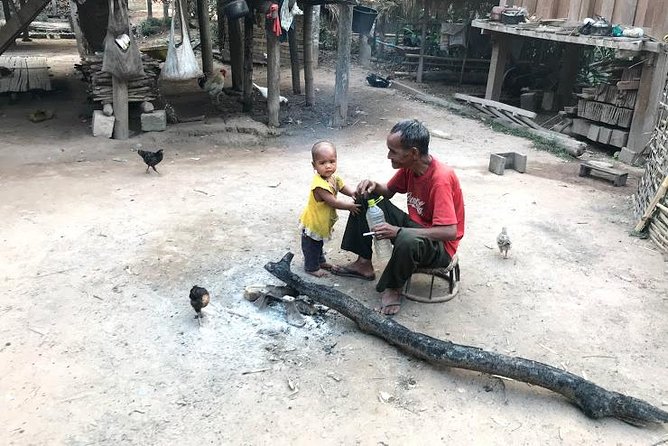
Bamboo weaving comes up as a specific activity you can watch. If you’ve only ever seen bamboo as a material in shops, this is where it becomes a daily skill tied to tools, work, and routine. The village also gives you a chance to switch gears from trekking pace to a more human scale of activity—something many people find refreshing after two hiking-heavy days.
You’ll also keep your eyes open for hilltop views as the schedule allows. The best views on multi-day treks usually come when you’re tired but not wiped out, and your body understands you’re almost at the end. Day three has that payoff feeling built into it.
At the end of the experience, you return back to the meeting point in Luang Namtha. The trek finishes the way it began: you’re not dropped into the middle of nowhere with no return plan.
The food is the headline: market ingredients, foraged finds, and open-fire cooking
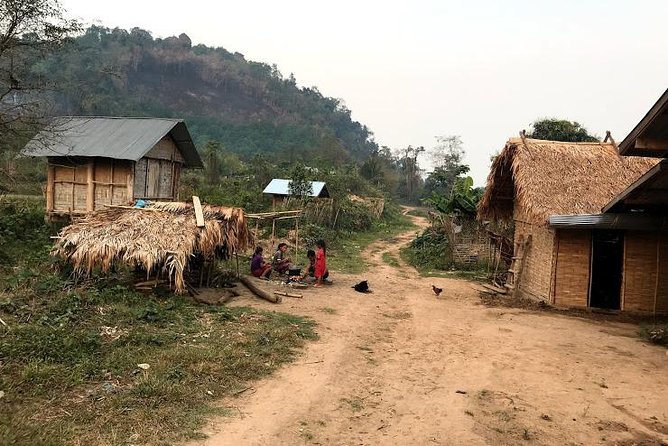
If you’re choosing between multiple treks, this one has a specific advantage: the meals are treated as an experience, not just fuel. The overview talks about wild organic food from nature and campfire nights, and the guide-led side shows up repeatedly in what people remember most.
Here’s what you can realistically expect:
- Breakfast and warmth: You’ll start mornings with breakfast preparation and warm drinks like coffee or wild tea.
- Lunch and dinners on trail and at camp: Lunch is included each day, with dinners on two evenings.
- Foraging and cooking over open fire: You’re not just told stories; you’re fed what comes from the forest and prepared in a simple, direct way.
In a few accounts, the food is called out as the highlight—both the items from the market and the foraged parts you encounter during the hike. That means the guide’s knowledge isn’t just “cool nature facts.” It can literally shape what ends up on your plate.
Practical note: this is not the kind of trek designed for picky eating. If you’re very selective, you may want to check with the organizer about your needs before you book, since the plan includes wild and foraged components.
Guides make the difference: why Mun, Thit, Noy, Xai, and Kham keep coming up
A small trek with a small group can still feel generic if the guide is just a route holder. This one tends to be different. Multiple named guides—Mun, Thit, Noy, Xai, and Kham—are praised for how they explain what you see and keep the experience feeling personal.
What stands out in the guidance style:
- Nature explanations with real context: You’ll learn about plants, fruits, and animals, and how people relate to them.
- Cultural sharing with tribe knowledge: Explanations include local culture and tribal life.
- Pace that adapts: One detail that matters: guides can adjust speed based on group needs, which helps keep the hike challenging without turning it into a sprint.
It’s also clear the guides operate with local teams. Thit is paired with a Khmu fellow in some accounts, and that caring teamwork shows up in the camp cooking and the pace of the day.
This is the kind of trek where you benefit from being curious. If you ask questions and look up from your footing at least a few times a day, the guide can really change how you remember the jungle.
Price and value: what $175 covers and why small-group hikes cost more
At $175 per person for about 3 days, you’re not buying a bargain hike. You’re paying for a specific setup: guide-led access to old hunter trails, a small group cap, and meals that are part of the program.
This price includes:
- All fees and taxes
- Lunch (3), dinner (2), and breakfast (2)
- Mobile ticket
Not included are trekking items like boots, hat, sun cream, mosquito spray, a torch, and even a rucksack. That means your real cost is the planning cost: you’ll likely need to buy or bring basic hiking gear.
Still, value-wise, the included meals matter. Multi-day hikes get expensive fast once you add daily food costs and guided service. Here, the plan includes full meals for the majority of the trekking days, and the food is repeatedly called out as a standout.
One more nuance: when the group is small, the per-person price can feel higher. That’s normal for operator-led trekking, since the fixed costs of guides and camp support don’t shrink just because fewer people joined your departure.
If you want comfort-first and minimal effort, you’ll find other options. If you want a guided, small-group trek that treats the food and forest knowledge as part of the point, this price can feel fair.
How difficult is it really? Steep hills, 6–7 hours, and rainy-season reality
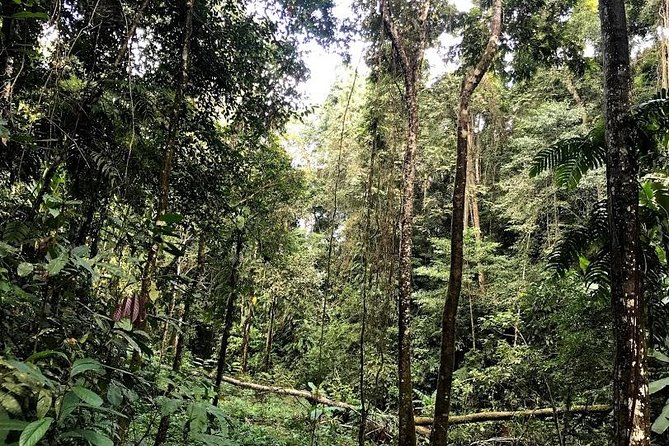
The trek is not marketed as easy. It explicitly calls for strong physical fitness. In practical terms, expect steep hills and uneven jungle paths. Rain makes this harder too: one trek experience highlights that in rainy season the hike is hard, while in dry season it’s more moderate.
One account also notes hiking 6–7 hours per day, including breaks. That gives you a good benchmark. You won’t just “walk around.” This is trekking work, and you’ll want to be comfortable moving for long stretches.
What to do with that information:
- Pace yourself from day one. The early climbs can trick you into going too fast.
- Wear proper hiking boots. Your feet will thank you on Day 2 and Day 3.
- If you’re new to hikes, train a bit before you go. Even short weekly sessions can make a noticeable difference.
The good news is that the guides can adjust speed. The hike is demanding, but you’re not meant to suffer alone.
What to pack: the essentials the tour says you must bring
The tour doesn’t include your trekking gear. Based on the listed items, you should bring:
- Your rucksack
- Hiking boots
- Hat
- Sun-cream
- Mosquito spray
- Torch
- A change of clothes
That list is simple, but don’t treat it casually. Jungle trekking means you’ll be exposed to sun, bugs, and low light around camp. A torch can make night movement safer, and a change of clothes helps with comfort after sweaty days.
Where you start and how the trek ends (so you’re not guessing)
This trip starts at The Hiker Travel Agency Laos, 17A Main Street, Phonexay Village, Luang Namtha, Laos, at 8:30 am. It ends back at the same meeting point.
You’ll receive confirmation at booking, and you’ll use a mobile ticket. That reduces the last-minute uncertainty that can happen when you’re booking hikes in smaller towns.
Should you book Hunter Trails with The Hiker?
Book it if you want:
- A hard 3-day trek with steep hills and real walking time
- A jungle camp setup and open-fire cooking
- A guide-led experience that focuses on plants, fruits, animals, and local culture
- A small group vibe (max 8)
Skip or reconsider if you:
- Want a low-effort hike
- Don’t have strong physical fitness
- Hate uneven terrain or you know rainy-season conditions will be an issue for you
If you can handle the effort, this is the kind of trek that stays in your head for the right reasons: the forest time, the food, and the way guides like Mun, Thit, Noy, Xai, and Kham bring the route to life.
FAQ
Where does the Hunter Trails trek start?
The meeting point is The Hiker Travel Agency Laos, 17A Main Street, Phonexay Village, Luang Namtha 03000, Laos.
What time does the trek start?
It starts at 8:30 am.
How long is the trek?
The duration is about 3 days.
How many people are in the group?
The tour has a maximum of 8 travelers.
Is this trek suitable if I’m not very fit?
The tour says you should have a strong physical fitness level, so this isn’t ideal for people who struggle with steep or long hiking days.
What meals are included?
Lunch is included for 3 days, and dinner is included for 2 days. Breakfast is included for 2 days.
What trekking gear is not included?
Rucksack, hiking boots, hat, sun-cream, mosquito spray, torch, and a change of clothes are not included.
How much does it cost?
The price is $175.00 per person.
What is the cancellation and refund policy?
Free cancellation is allowed up to 24 hours in advance for a full refund.
Do I receive a ticket or confirmation after booking?
Yes. You’ll receive confirmation at the time of booking, and this experience uses a mobile ticket.