REVIEW · LUANG NAMTHA
Nam Ha NPA 3 Day Wildlife Jungle Camp and Village Homestay Trek
Book on Viator →Operated by Phou Iu Travel & Ecotourism · Bookable on Viator
Three days of forest life in Northern Laos. This Nam Ha NPA trek blends wild jungle walks with real village rhythms, including hands-on lessons around cooking and jungle resources, guided by people like Xiong and Nom who know the trails and the local way of life.
What I like most is how the day-to-day feels practical, not staged: you get time to move with the guide, pause for food prep, and learn why certain plants and techniques matter. The main drawback is that the hikes can include uphill stretches and physical effort, so plan for moderate fitness and an open mind about activities like crossbow practice and frog-finding demonstrations.
In This Review
- Key highlights you’ll actually remember
- Nam Ha NPA trek: why this 3-day format works
- Day 1: Luang Namtha meeting point, market supplies, and your first jungle camp
- Day 2: morning wildlife time, then River Crossing toward Nalan village
- Day 3: village coffee, crossbow practice, rice pounding, and an uphill forest finale
- How the guides (Xiong and Nom) shape the value of your trek
- Jungle cooking, medicinal plants, fishing, and frog-hunting demos
- What’s included, what’s not, and what you should bring
- Price and logistics: is $149 good value?
- Who this trek suits best (and who might not)
- Should you book the Nam Ha NPA 3-Day Wildlife Jungle Camp Trek?
- FAQ
- What is the duration of the Nam Ha NPA 3-Day trek?
- How much does it cost?
- Where do I meet the tour?
- What time does the trek start?
- How many people are in the group?
- Is pickup included?
- What kinds of activities are included?
- What is not included and should I bring?
- Is cancellation free if I change my mind?
Key highlights you’ll actually remember
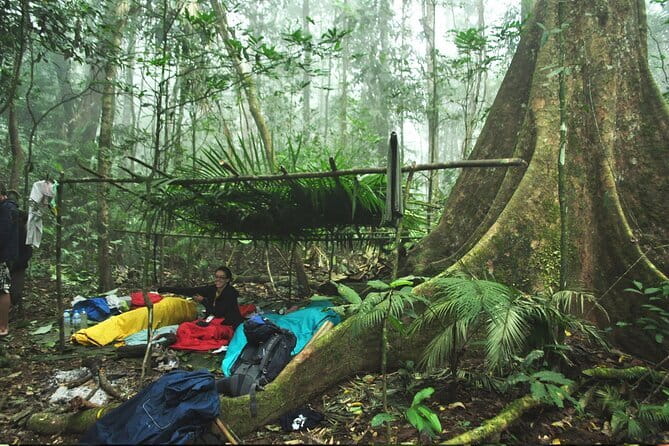
- Expert local forest guides (names like Xiong and Nom show up again and again in feedback)
- Jungle camp living plus a village homestay night, not just a walk-and-leave
- Medicinal plant learning paired with real cooking using jungle resources
- Cross Nam Ha River and visit Nalan village to understand Khmu life
- Crossbow shooting and rice pounding as part of the Day 3 village experience
- Small group size (max 8) that keeps the pace calmer
Nam Ha NPA trek: why this 3-day format works
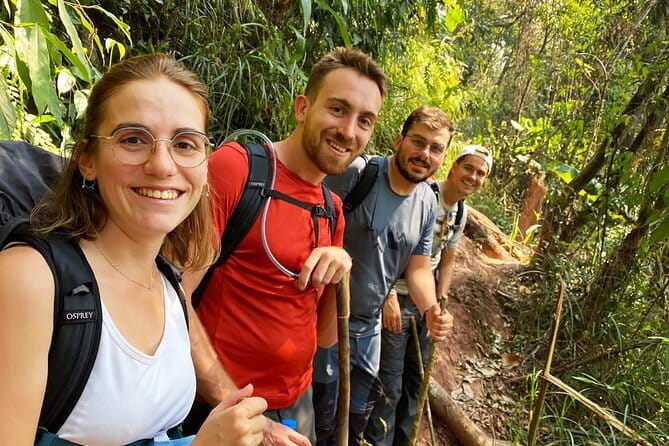
Nam Ha National Protected Area (NPA) sits in Northern Laos, where jungle trails, river crossings, and village life overlap in a way that’s hard to fake with a day tour. This trek is only three days, but it’s built around repeated time in the forest—morning starts, lunch stops, and a slower evening rhythm—so you don’t just “see” nature. You get to understand how people move through it.
Two things make the trip feel grounded. First, you’re guided by English-speaking/local forest guides, and the guide quality shows up hard in the stories: people cite clear communication, strong English, and guides who are well connected with local communities. Second, the activities go beyond sightseeing. You’ll learn about medicinal plants, take part in village tasks, and do practical skills like rice pounding. That makes it feel like a cultural exchange rather than a checklist.
The trade-off is that it’s not built for comfort-first travel. Expect real walking, time in the jungle environment, and some hands-on learning that might feel intense if you’re sensitive to hunting-related demos.
You can also read our reviews of more tours and experiences in Luang Namtha.
Day 1: Luang Namtha meeting point, market supplies, and your first jungle camp
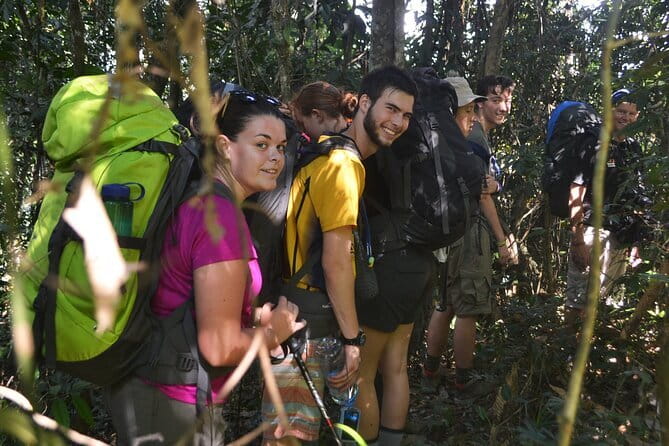
Your day starts with a 9:00 AM meeting at Phou Iu Travel & Ecotourism in Phonexay Village, Luang Namtha. From there, you travel by tuk-tuk and stop at a local market for supplies. This is a small thing, but it matters. You’re not guessing what you’ll need later, and you’re stepping into daily life right away.
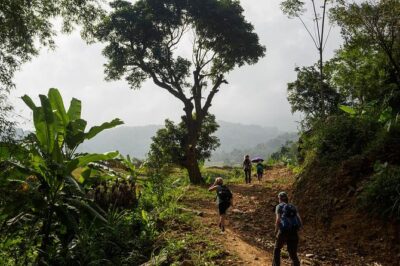
Then you begin your trek from Nam Ha village with a local guide. The walking includes jungle time and break points, not long stretches with zero support. You’ll also stop for a picnic lunch during the route. In this first block of time, the guide usually sets the tone: how to walk the trail, how to read the surroundings, and what the forest is “for” in local life.
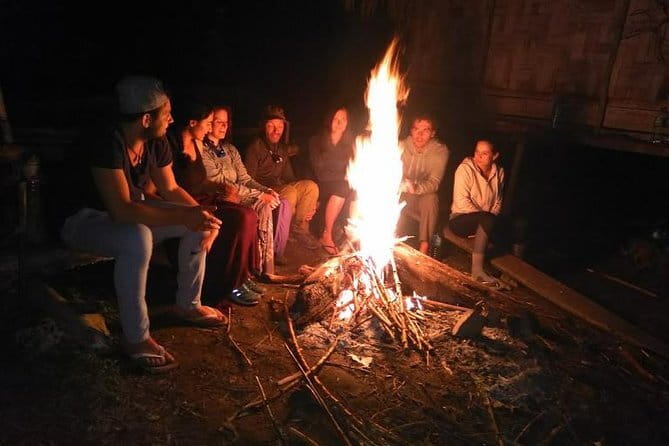
What makes Day 1 special is the camp shift. You’re not only in nature during daylight; you’re sleeping in a banana leaf camp / jungle setting as part of the included accommodation. If you like travel that’s equal parts movement and staying, this is a big reason people rate the experience highly. The evening is where you’ll feel the jungle environment more fully—cooking, village-style interaction, and that slower camp energy.
Possible drawback: if you’re expecting a light stroll, this first day can feel like a real start. Even with breaks, Day 1 is your entry point into the walking rhythm.
Day 2: morning wildlife time, then River Crossing toward Nalan village
Day 2 starts with breakfast, then a slower morning feel. You’ll hear wildlife sounds and settle into the day before choosing an option. Morning timing like this is practical: it gives you calmer conditions for trekking and a better chance of spotting movement through the forest.
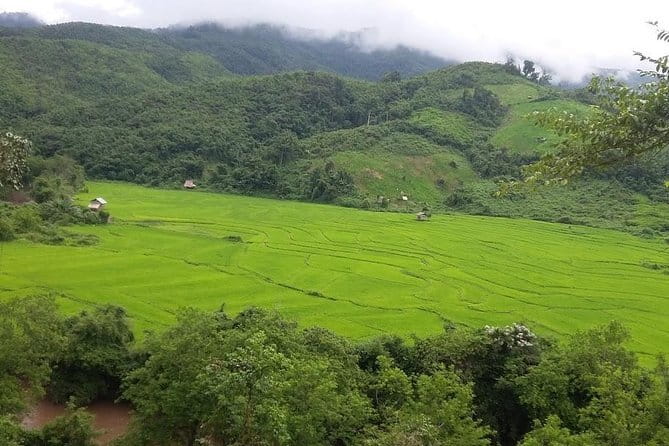
The itinerary lists two options, and the key one described is Option 1 (about a 3-hour hike). That route includes crossing Nam Ha River and trekking to Nalan village, where you enjoy a traditional lunch. The focus here is cultural understanding—learning about Khmu lifestyle and village life.
This is also the day where the trek’s “how people live here” theme becomes very clear. You’re not just walking past places; you’re being brought into village routines, with the guide acting as a bridge. Small group size (max 8) helps a lot here. With fewer people, you’re more likely to get real interaction time instead of passing through like a photo stop.
A practical consideration: the river crossing and walking time mean good footwear matters. Sandals/flip-flops aren’t listed as included, so you’ll want to bring shoes you can trust on uneven ground.
Day 3: village coffee, crossbow practice, rice pounding, and an uphill forest finale
Day 3 starts with village time. You’ll visit the village, try Lao coffee or local tea, and take part in activities like crossbow shooting and rice pounding. That combo is memorable because it’s not only cultural talk. It’s hands-on. Rice pounding also explains more than it sounds like it will—your guide can connect it to daily food preparation and local rhythms.
After breakfast you choose between two options again. Option 1 is described as a 3–4 hour hike uphill through the forest. Even with the itinerary details cut off after that, the intent is clear: this is your “work for the views and forest understanding” period, the kind of walk that helps the whole trek click into place.
The day ends back at the meeting point (so you’re not ending in a random place and guessing transport). That makes it easier to pair with the rest of your Laos plan, whether you’re heading back to Luang Namtha or moving onward.
Possible drawback: crossbow practice is listed as part of the village activities. If you strongly prefer observation-only experiences, this may not be your favorite part. On the flip side, people also describe the guides as thoughtful and supportive, which usually makes these skill-based activities feel safer and more instructional.
How the guides (Xiong and Nom) shape the value of your trek
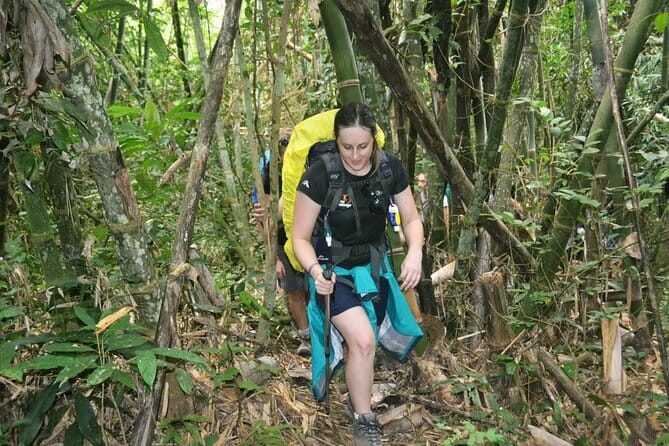
In feedback, the guides are the story. Two names come up repeatedly: Xiong and Nom. People describe Xiong as experienced and deeply connected to the trails, including managing challenging uphill sections with patience. Nom is praised for excellent English, strong communication, and practical teaching—especially around jungle plants, cooking, and medicine.
One standout detail from the experience style: Nom is described as having grown up in a tribe himself. That matters because it usually changes how a guide explains things. Instead of “tour facts,” you get real-life context—why certain plants are used, how food is prepared, and how the forest fits into daily life.
Another reason guides matter here is pacing. Several people note that the trip feels relaxing, with food prep and breaks placed between walking bouts. That pacing is often the difference between a trek you remember fondly and one you just survive.
What to look for on your day: watch how your guide adjusts the pace and how they answer questions. If they can explain medicinal plants and food techniques clearly, you’ll get more out of every hour you spend walking.
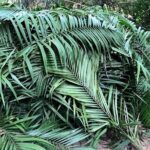
Jungle cooking, medicinal plants, fishing, and frog-hunting demos
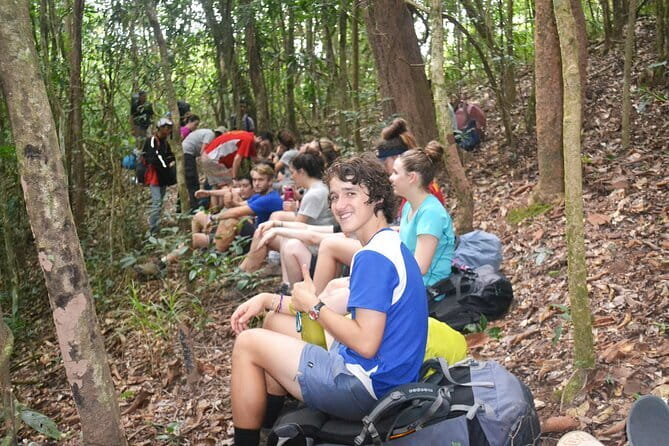
This trek is built around “forest skills,” not only scenery. The overview lists activities such as learning about medicinal plants, fishing, hunt frog (as a taught activity/demonstration), and cooking using jungle resources. Even if you’re not the type to try survival techniques, the teaching angle is what makes this part worth it.
Plant learning in particular tends to stick in your memory because it connects to real usage: cooking and medicine. From the way it’s described, you’re not handed a lecture. You’re guided through tasting, preparation, and explanation of why a plant gets used. If you like practical cultural knowledge, this is where you’ll feel it most.
The food element is also a key part of the value equation. Meals and drinks are included: breakfast (2), lunch (3), dinner (2), plus food and water during the trek. That reduces decision stress while you’re in the jungle, and it also means you’ll likely eat what the guides and community consider normal and safe.
Possible drawback: some activities can feel hands-on in a way that’s not comfortable for everyone—especially hunting-related demos. If you prefer a purely observational approach, you might want to confirm the exact style of crossbow practice and frog-related activities before you go.
What’s included, what’s not, and what you should bring
This trek includes a lot that reduces friction in the field:
- English-speaking/local guide
- Accommodation in jungle camp/homestay
- Transportation to start the day (tuk-tuk is part of Day 1)
- All village activities
- Food and water
- Nam Ha NPA entry fee plus community distribution and government taxes/charges
- Breakfast, lunches, and dinners as listed (2 breakfasts, 3 lunches, 2 dinners)
What’s not included is where you’ll want to plan ahead:
- Snacks and fruit
- A personal water bottle
- Personal medicine
- Sandals or flip-flops
For packing, the practical takeaway is simple: bring a personal water bottle and any meds you rely on. And even though flip-flops might work at camp, you’ll likely want footwear that handles uneven, muddy, and uphill ground.
Also, since the trek can involve a hands-on learning environment, you’ll do better with clothing you don’t mind getting jungle-dust on. You’re trading “clean city travel photos” for real life.
Price and logistics: is $149 good value?
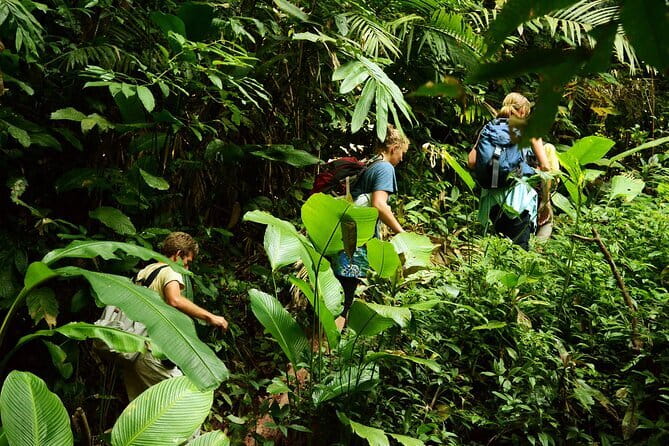
At $149 per person for about three days, this isn’t a budget bargain in the way a local bus ride is cheap. But it also isn’t priced like a luxury adventure. The value comes from what you don’t have to arrange yourself.
You’re paying for:
- guide time (English-speaking/local guides)
- transport at the start of each day
- Nam Ha NPA entry fee
- meals (multiple breakfasts, lunches, and dinners)
- camp and homestay accommodation
- village activities that are part of the community interaction
Most “half-day jungle tours” in the region don’t include this kind of meal-and-accommodation package, and many don’t include village skill activities like rice pounding or the specific crossbow practice. If you want the full structure—walking, living, eating, learning—this price starts to look fair.
One extra value point: the group size is capped at 8. Smaller groups often mean more attention from the guide and a more human pace, which directly affects how much you learn and how safe you feel.
Who this trek suits best (and who might not)
This is a great fit if you:
- like cultural learning that includes hands-on tasks
- enjoy walking in jungle terrain and don’t need everything to be flat
- want small-group guidance from locals who can explain plants, food, and village routines
- prefer a 3-day structure that includes both jungle camp living and a village homestay style experience
It’s less ideal if you:
- want a comfort-first itinerary with minimal physical effort
- don’t want any participation in skill activities like crossbow practice
- dislike hunting-related demos (frog-hunting is listed as part of the experience)
If you’re somewhere in the middle, you can still make this work by approaching it with curiosity, asking your guide what the day’s activities involve, and being honest about your fitness level.
Should you book the Nam Ha NPA 3-Day Wildlife Jungle Camp Trek?
If you want a Laos experience that mixes jungle walking with real village life—plus practical lessons around plants, cooking, and daily tasks—this is an easy yes. The small group size, the guide quality (Xiong and Nom are repeatedly praised), and the included meals and accommodations make it feel like a complete package rather than a rushed excursion.
Book it if you can handle moderate trekking, you’re open to hands-on activities, and you want more than photos. Skip it only if you’re looking for a low-effort nature day or if you’d rather avoid hunting-related demonstrations entirely.
If you’d like, tell me your fitness level and what kind of hands-on activities you’re comfortable with, and I’ll help you decide which Day 2 and Day 3 option to lean toward based on the details provided.
FAQ
What is the duration of the Nam Ha NPA 3-Day trek?
It’s about 3 days.
How much does it cost?
The price is $149.00 per person.
Where do I meet the tour?
The meeting point is Phou Iu Travel & Ecotourism in Phonexay Village, Luang Namtha 03000, Laos.
What time does the trek start?
The start time is 9:00 AM.
How many people are in the group?
The maximum group size is 8 travelers.
Is pickup included?
Pickup is offered, and transportation is included.
What kinds of activities are included?
The tour includes village activities such as crossbow shooting and rice pounding, plus learning about medicinal plants, and activities related to jungle food and cooking. Fishing is also listed.
What is not included and should I bring?
Snacks and fruit, a personal water bottle, personal medicine, and sandals or flip-flops are not included.
Is cancellation free if I change my mind?
Yes, free cancellation is available up to 24 hours in advance for a full refund.