REVIEW · SAPA
Sapa trekking 2 days small group
Book on Viator →Operated by Saparis Horizon Travel · Bookable on Viator
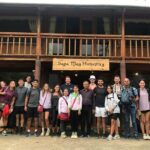
Sapa trek shows up fast in your legs and your camera. What I love most is the small-group pace and the chance to stay with a local family, eating what they eat and learning village life up close. I also really liked having Guide Lily, plus the energy people describe from her (some folks even call her Lulu), because she’s quick to answer questions and keep everyone comfortable on the trail.
The main thing to keep in mind is that this is a homestay-style experience, so the overnight setup can feel simple compared with a hotel. If you’re picky about room size or comfort, you’ll want to go in with realistic expectations and focus on the people and the walks.
In This Review
- Key points worth knowing before you go
- Why this Sapa trekking tour feels different
- The day-by-day trek: what you’ll do and what it’s like
- Day 1: Sapa town pickup to Black Hmong villages, then Ta Van homestay
- Day 2: Muong Hoa valley views from Ta Van, Red Dao village lunch, then pickup near Su Pan
- What makes the guided experience matter
- Price and value: is $80 fair for two days?
- The homestay night in Ta Van: what to expect
- What to pack and how to prepare (so day 2 feels good)
- Who this tour suits best (and who should choose differently)
- Quick practical notes that make a difference
- Should you book this Sapa homestay trek?
- FAQ
- How long is the Sapa trekking 2 days small group tour?
- Where is pickup included?
- What meals and drinks are included?
- Is accommodation included?
- What group size should I expect?
- What is the cancellation policy?
Key points worth knowing before you go
- Max group size 15 keeps the trek friendly instead of chaotic.
- Guide Lily/Lulu gets strong praise for being careful, professional, and great for Q&A.
- Muong Hoa valley village route hits Black Hmong and other minority communities in two packed days.
- Meals are covered (breakfast, dinner, and two lunches), plus water 1.5L/day.
- Homestay night in Ta Van gives you a village evening and a chance to chat with your hosts.
Why this Sapa trekking tour feels different
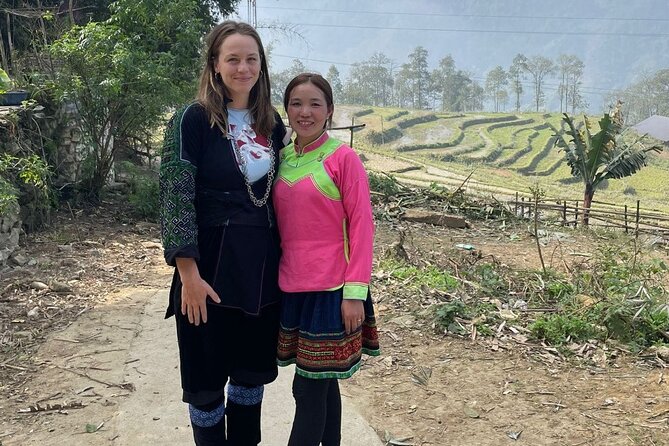
Sapa has a way of turning big “tour” days into blur. This one tries hard not to. The route is structured, but the vibe stays personal because it’s a small group capped at 15 people. You’ll spend two full days moving between villages in the Muong Hoa valley area, then ending the second day back at the main road so you can return to your Sapa base.
The other big difference is the homestay night in Ta Van. You’re not just stepping into a village for a quick photo. You’re staying there—sharing the rhythm of daily life, eating with your hosts, and getting time for conversation after trekking when you’re tired and ready to actually listen.
Price-wise, $80 for two days sounds like a lot until you count the included stuff: accommodation for one night, meals, and drinking water. In a trekking tour, those add up quickly—so this is one of the better ways to keep costs predictable.
That said, trekking is trekking. Even when the walk isn’t listed as extreme, you should still expect uneven paths, mountain stairs, and a day that ends with sore calves.
The day-by-day trek: what you’ll do and what it’s like
This tour is built around steady walking, village stops, and one overnight stay. The timing is grouped in blocks (morning, midday, afternoon), so you get a rhythm without feeling like you’re sprinting from one spot to another.
Day 1: Sapa town pickup to Black Hmong villages, then Ta Van homestay
08:00–08:30, pickup in Sapa town.
You meet your local guide in Sapa, get a quick start briefing, and head toward the trekking area. Pickup means you don’t have to figure out transport at the beginning of your day—one less stress point.
Y Linh Ho village (Black H’Mong) — morning start.
The trek begins by heading southeast from Sapa town along the Muong Hoa valley. You’ll reach Y Linh Ho, a Black H’Mong village, and spend time learning about local life and culture. This is the kind of stop where a good guide matters, because the value is in questions: how people live, what routines look like, and why the village sits where it does.
Lao Chai village (Black H’Mong) — crossing into the valley.
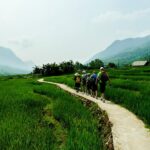
Next you continue to Lao Chai, described as a larger Black H’Mong village. A key moment here is crossing a small bridge to enter Muong Hoa valley. That short crossing is often what makes the terrain feel real—suddenly the views open, the valley feels wider, and you’re walking into the main Sapa trekking world.
Lunch in Lao Chai near the river.
Lunch is included and served at a local restaurant near the river. You’ll try local food. There’s also a mention that you can do a picnic lunch uphill if you prefer that countryside feel. Either way, the midday break is important: it resets your energy so you can handle the afternoon approach to Ta Van.
Ta Van village area — rice terraces and Giay interaction.
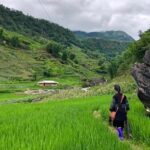
In the afternoon you walk toward Ta Van and see big rice terraces. You’ll have a chance to interact with the Giay people in Ta Van. This is where the trek starts to feel like a “place you’re living in” rather than a sequence of stops. Rice terraces aren’t just scenery—they’re part of the year-round farming system here, and the conversation with locals is usually where it clicks.
Arrive Ta Van homestay for the night.
By mid-to-late afternoon, you reach your homestay or local house in Ta Van. You stay one night, relax, and have time for a talk after trekking. This is the time when the trip becomes more than photos. You’re not rushing straight back to a bus; you’re sharing a slower evening with the people who live there.
One practical note: homestay setups vary. One reviewer noted the overnight place was a bit smaller than hoped, but the food was good and the overall experience worked. So go in ready for simplicity, and you’ll get more out of it.
Day 2: Muong Hoa valley views from Ta Van, Red Dao village lunch, then pickup near Su Pan
Breakfast, then a high viewpoint walk.
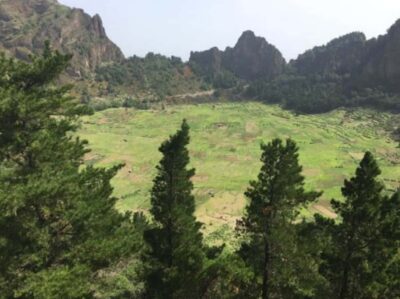
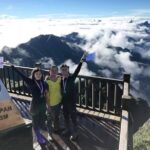
After breakfast, you follow a local trail from Ta Van to see Muong Hoa valley from higher ground. This portion is about viewpoints and the sense of scale—terraced fields, ridgelines, and the valley floor stretching out below.
Giang Ta Chai village (Red Dzao/Dao) — trekking and culture time.
You continue walking to Giang Ta Chai village, connected with the Red Dzao people. Like Day 1’s village stops, the point isn’t only the walk—it’s learning how daily life looks in a different community, guided by your leader’s explanations.
Lunch at a local home, Red Dao food and mountain views.
Lunch on Day 2 is served at a local home. You’ll try local food and enjoy surrounding mountain and terraced field views from the area. This lunch is often the heart of the second day because it combines eating with a pause to take in the setting before the final leg.
Finish near Su Pan and return to Sapa.
In the afternoon, the walk continues toward the main road near Su Pan village. From there, a car picks you up and takes you back to Sapa town and your accommodation. You’re finished as a trekking day by 14:30-ish on the schedule—meaning you still have a chunk of the day afterward for a shower, dinner, and decompressing.
What makes the guided experience matter
A trek can be “just walking,” but this one leans into guidance. The strongest theme in the feedback is Lily/Lulu as a guide: professional, careful, and genuinely focused on making the group feel looked after.
Here’s what that practical support looks like on a real trek:
- You get help with pacing so the group stays together.
- You can ask questions about village life and culture, and you’ll get answers that make sense.
- You’re more likely to feel safe on uneven paths because the guide is watching the group and timing stops.
If you care about learning while you walk, this matters a lot. If you don’t speak the local language (most people won’t), your guide becomes the bridge to understanding what you’re seeing.
Price and value: is $80 fair for two days?
For $80 per person, you’re paying for more than time on a trail. This includes:
- Accommodation for 1 night at the homestay
- Dinner and breakfast
- Two lunches (Day 1 and Day 2)
- Water 1.5L/day
- A pickup option from Sapa town
Most people underestimate how expensive a “tack-on” meal plan is on trekking days. If you tried to recreate this yourself—private transport, restaurant meals twice, a homestay booking—you’d likely pay more and still lose the smooth coordination of a guide.
So the real question isn’t just the number. It’s whether the included meals and homestay night fit how you want to travel. If you like simple, human-scale experiences and don’t need a hotel room, $80 is a solid deal.
The homestay night in Ta Van: what to expect
Ta Van is the overnight part of the route, and it’s the part that many people remember most because it’s slower. After the trekking day, you’re not just passing through—you’re living in a home setting for the night.
Based on the trip description and feedback you can interpret from it, you should expect:
- Basic homestay-style accommodation (simple by design)
- Local meals included
- A chance to talk with your hosts in the evening
One caution: if you’re hoping for a big, roomy space, you might feel slightly disappointed—there was at least one comment about the homestay not being as spacious as expected. Still, the food and the overall experience received positive marks, and the guide support helped balance it out.
If you want the homestay value, bring a friendly attitude. Ask about daily life. Even small curiosity goes a long way.
What to pack and how to prepare (so day 2 feels good)
The tour works best if you show up ready for mountain walking. The info doesn’t list gear, so you’ll need to plan based on trekking reality in Sapa.
I recommend you pack:
- Comfortable trekking shoes with grip (not brand-new sneakers that slip)
- Light rain protection (Sapa weather can shift)
- A small day bag for water and layers
- A warm layer for mornings and higher points on Day 2
- Cash for personal expenses and tips (tips are not included)
Also, drink the included water steadily. The tour provides 1.5L/day, which is helpful, but it’s not a substitute for drinking when you’re thirsty.
Who this tour suits best (and who should choose differently)
This is a strong match if you want:
- A small-group trekking pace
- Village interaction that’s more than a quick stop
- A real homestay night in Ta Van
- Included meals and water so you can focus on walking and photos
It’s probably not ideal if you:
- Need a hotel-level room experience
- Want a fully self-guided trek with no cultural stops
- Hate the idea of walking on uneven paths for two days
Still, the schedule suggests it’s meant for most people who can do a multi-hour hike with breaks. One comment noted the trek wasn’t too challenging, which supports that it’s built for a range of fitness levels.
Quick practical notes that make a difference
A few details help you plan your day better:
- Pickup is in Sapa town at the start window (08:00–08:30).
- The group max is 15, which usually keeps the pace manageable and the guide more available.
- The tour uses a mobile ticket, which is handy if you like digital everything.
- The end of Day 2 includes returning to Sapa town after meeting the car near Su Pan.
If you’re staying somewhere outside the center, double-check how pickup and drop-off relate to where you sleep—your confirmation will clarify the exact meeting points.
Should you book this Sapa homestay trek?
If your idea of a great Sapa trip includes walking through Muong Hoa valley villages and spending a real night in Ta Van, I’d book it. The guide quality is a clear strength, and the included meals, water, and accommodation make it good value for a two-day format.
I’d only hesitate if you’re strongly sensitive to homestay simplicity or you need lots of comfort amenities. For most people, the tradeoff is worth it: you get two full days of meaningful local connection without the chaos of a big group.
FAQ
How long is the Sapa trekking 2 days small group tour?
It runs for about 2 days.
Where is pickup included?
Pickup is offered from Sapa town at the start of the trip (around 08:00 to 08:30), and the tour ends with a car returning you to your accommodation in Sapa town.
What meals and drinks are included?
Dinner, breakfast, and two lunches are included. The tour also includes water, 1.5L per day.
Is accommodation included?
Yes. You stay overnight in a homestay or local house for 1 night.
What group size should I expect?
The tour has a maximum of 15 travelers.
What is the cancellation policy?
You can cancel for a full refund up to 24 hours before the experience starts. If you cancel less than 24 hours before the start time, the amount paid is not refunded.