REVIEW · SAPA
Trekking Through Rice Terraced Fields – 1Day
Book on Viator →Operated by Trekking Tour Sapa · Bookable on Viator
Rice terraces hit different in Sapa. This one-day trek strings together three ethnic villages plus terrace paths and river-valley views. I love the small-group pace (max 15) and I love learning the Hmong marriage and house-building traditions while you’re actually walking through their world. The main thing to consider: the route can feel steep and long, with some climbs around 12 km and muddy footing on wet days.
If you want an easy start, pickup is offered and the day runs like a plan: meet in Sapa Town, begin around 9:30 am, then you’re back in town with transport after trekking. Lunch is included too, with local dishes plus vegetarian options, and you also get a small bottle of water.
This is a great choice if you want to see the famous rice terraces and hear real village life stories, not just pose for photos. The tour is for people with moderate physical fitness, so bring grippy shoes and be ready for uneven trails.
In This Review
- Key things I’d watch for
- A one-day trek across Sapa’s rice terraces and real villages
- Meeting points, timing, and what 5–6 hours really means
- Stop-by-stop: Y Linh Ho, Lao Chải, and Ta Van
- Stop 1: Y Linh Ho village
- Stop 2: Lao Chải (Black Hmong village)
- Stop 3: Ta Van village (Giay minority)
- Culture lessons you’ll notice while walking
- Lunch, water, and the included value of this $45 day
- Footwear and pace: the real make-or-break factors
- Who this trek suits best (and who should rethink it)
- Should you book this trek?
- FAQ
- How long is the trek?
- Where does the tour start, and what time do you begin?
- What’s included in the ticket price?
- Is there hotel pickup?
- What fitness level is needed?
- Can I cancel for a full refund?
Key things I’d watch for
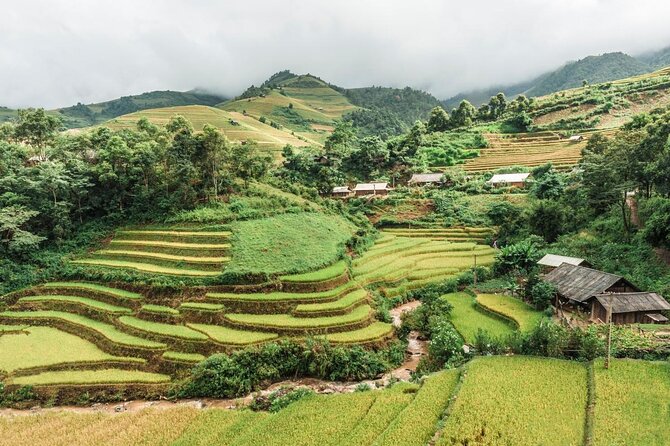
- Three village stops in one day: Y Linh Ho, Lao Chải, and Ta Van, with time to look around instead of rushing.
- Ethnic-minority culture beyond the viewpoints: Hmong and Giay traditions, including marriage customs and how families work the rice.
- Built-in value for $45: lunch, village entry fees, and transport back to Sapa are included.
- Small-group trekking (max 15): enough people for fun energy, not enough to turn it into a crowd.
- Footing can be slippery: you’ll be walking through rice paths that can get muddy, especially after rain.
- Guide quality really matters: many guides are praised for strong English and great explanations, but you’ll get the best day if you ask questions on the trail.
A one-day trek across Sapa’s rice terraces and real villages
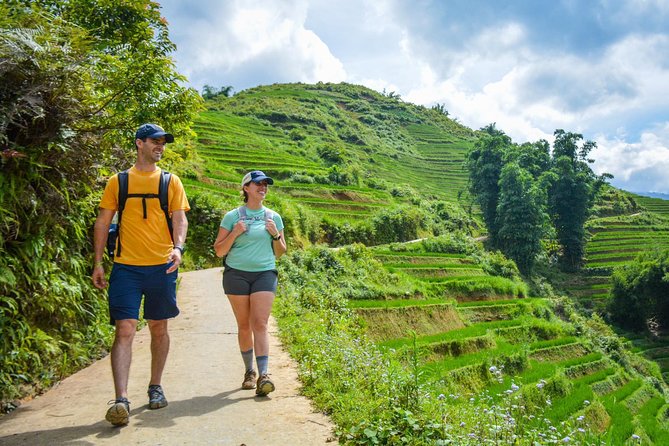
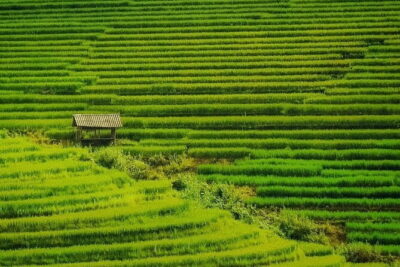
Sapa is famous for its rice terraces. This trek is famous for actually putting you on them—on foot—while also showing how nearby communities live and work around the fields.
The route is designed as a loop through villages of different ethnic minorities. You’ll spend time with people from Hmong and Giay communities, with cultural explanations tied to daily life: work in the rice fields, house-building techniques, and social customs like Hmong marriage traditions. That matters because the scenery makes more sense when you understand the routines and relationships that shape it.
The best part is that the day doesn’t feel like a bus stop plus a photo. It’s a walk with context. And in a place like Sapa, context is the difference between a pretty day and a memorable one.
Meeting points, timing, and what 5–6 hours really means
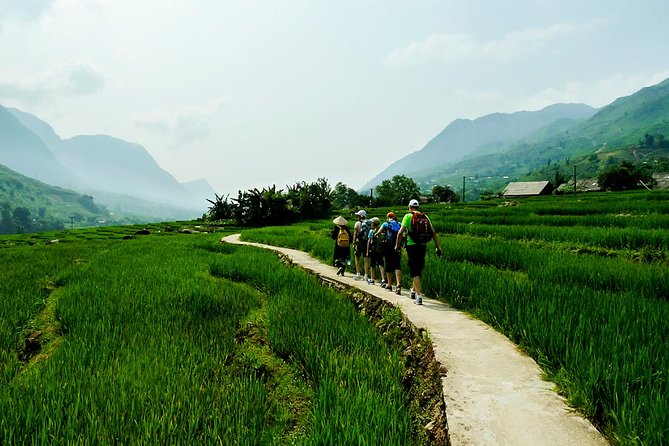
The tour starts at 9:30 am. You meet at the Trekking Tour Sapa office at 09 Thác Bạc, TT. Sa Pa, Sa Pa, Lào Cai, Vietnam, or your guide can meet you in Sapa Town (some pick-up points include the main church area). From there, you head out for a half-day trek that lasts about 5 to 6 hours including breaks and transfers.
You’ll likely spend:
- about 2 hours on the first village/area stop,
- 2 hours on the second village,
- and around 1 hour at the third village stop.
One practical tip: plan to start with a comfortable pace. Even if you feel fine at the beginning, the “surprise” is often how the climb stacks up over time.
Groups are capped at 15 people, so you don’t get that big-tour shuffle. It’s still trekking, though, and the trails can be rocky and uneven.
Stop-by-stop: Y Linh Ho, Lao Chải, and Ta Van
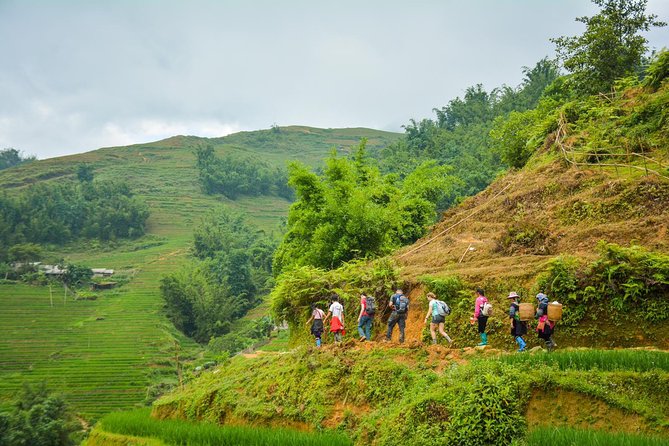
This trek is built around three villages and three different ways the landscape gets used.
Stop 1: Y Linh Ho village
You start in Sapa Town and get a quick introduction before heading out. Early on, you’ll walk about 2 km down toward Cat Cat’s road. That downhill start can be a relief for your legs, and it also helps you feel the rhythm of the area before the more demanding sections.
At Y Linh Ho, you’re not just passing through. You get time to look at village life and hear explanations tied to Hmong customs and daily work. If you’re curious about how rice terraces fit into family labor—planting, tending, and harvesting—this is where your guide can start connecting the dots.
Stop 2: Lao Chải (Black Hmong village)
After a break, you move to Lao Chải, a village of Black Hmong. This is one of the longest blocks of walking in the day, around 2 hours.
Here’s what you should pay attention to: how people organize their fields and paths. Even when the explanation is brief, the physical layout tells a story. You’ll see terraces in action rather than as a postcard background.
Tip for getting the most out of this stop: ask questions mid-walk. If you want specifics on rice cultivation or how the terrace work is done, don’t wait until the end of the day when you’re already tired.
Stop 3: Ta Van village (Giay minority)
The final trekking segment leads to Ta Van Village, where you’ll meet the Giay minority. Expect about 1 hour here, plus time for your guide to wrap up the cultural comparison between ethnic groups.
This is a good place to slow down slightly. You’re finishing the main trek, and you can focus on how Giay community life and Hmong community life differ in day-to-day customs. Then, before heading back, you’ll usually head toward the car that brings you back to Sapa.
If your legs are feeling okay, you’ll likely appreciate the final village time more than you think. The day often ends with that mix of satisfaction and leg soreness.
Culture lessons you’ll notice while walking
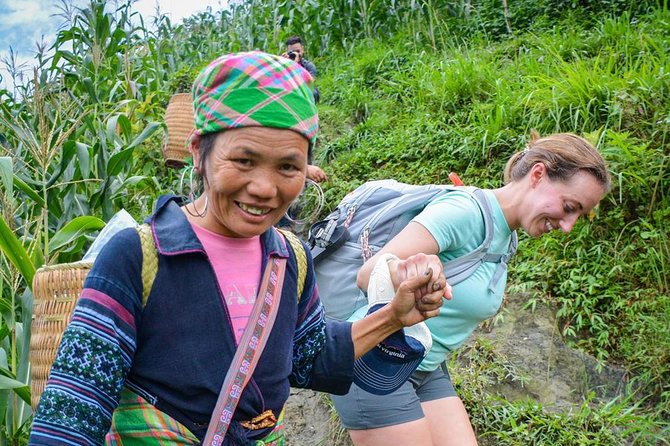
The tour isn’t only about views. It’s built around the idea that rice terraces and village life come as a package.
The guide may talk about:
- Hmong marriage traditions
- how families work the rice fields
- house building techniques
- and everyday cultural differences between ethnic groups in the area
I like this approach because it gives you something to observe besides the big photo moments. When you understand why people build and farm the way they do, you stop treating terraces like scenery and start treating them like infrastructure.
Also, guide personalities show up in the day. Many guides in this program are praised for friendly, patient guiding—one guide named Chu is repeatedly described as helpful with children and easy to talk to, while guides like Sang, Vang, Mai, Du, Me, and others are credited with strong English and clear answers. If you’re traveling with kids, that kind of patience can make the trek feel like a family day instead of a negotiation.
That said, a balanced note: not every guide will focus on the same details about rice cultivation. If that topic matters most to you, ask early and ask directly. A good guide will usually know exactly what you want to understand.
Lunch, water, and the included value of this $45 day
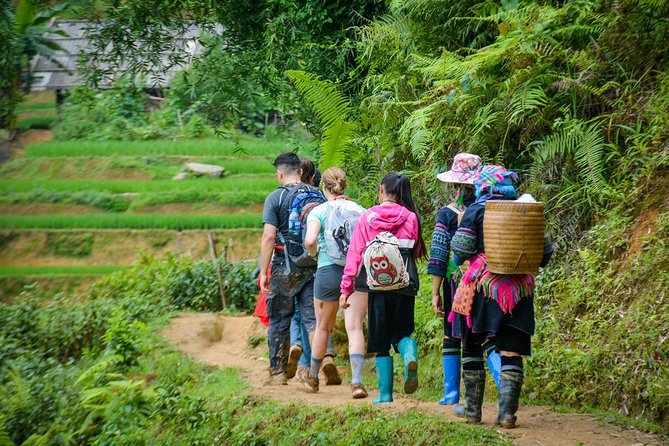
Let’s talk value, because $45 can feel either like a deal or like a stretch depending on what’s included.
In this tour, you get:
- Lunch with local foods, including vegetables and meat, plus vegetarian options
- a small bottle of bottled water per person
- village entry fees
- transport back to Sapa
That bundling matters. Many cheaper-looking options end up adding costs later, like separate entry fees, lunch on your own, or a ride back after you’re tired.
The lunch itself is generally described positively, with one review calling it great. Still, I can’t promise every meal will hit the same bar every day. If food quality is crucial for you, treat lunch as part of the day’s logistics, not as the main event.
One smart move: bring a bit of extra cash for small drinks if you decide you need them later. The tour doesn’t list extra drinks as included, and tips aren’t included either.
Footwear and pace: the real make-or-break factors
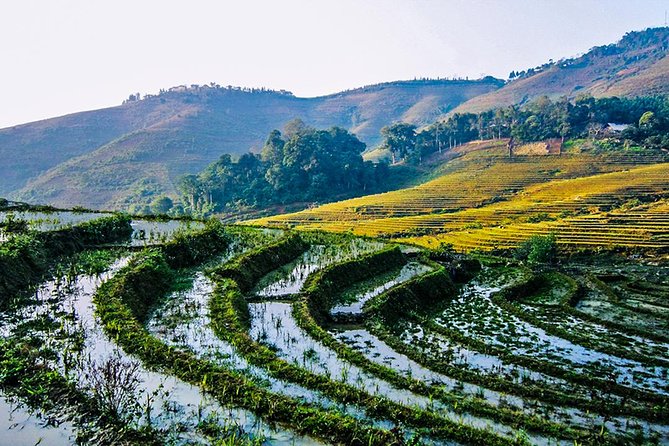
This is where you can win the day with one small prep decision: your shoes.
Multiple comments highlight muddy and slippery ground. You’ll be walking on paths that can get slick, especially after rain or during wetter seasons. Plan for uneven surfaces and wet patches near rice terraces.
What I’d do:
- wear grippy, closed-toe shoes you trust on mud
- pack dry socks in case you get wet
- take breaks when the group pauses, not only when you feel like you’re falling behind
In terms of physical difficulty, the tour is described as moderate by most accounts, but one note flags a long and difficult route with a 12 km mountain climb and says it isn’t suitable for adults who want an easier walk. Translation: if you have mobility limits, double-check what you can handle before booking. If you’re comfortable with hills and steady trekking, this should feel doable.
The good news is that many families make it work by pacing and choosing breaks. If your kids can walk consistently for a few hours, and you’re okay with slower moments, it can be a highlight.
Also, keep an eye out for small selling moments. Some kids may try to sell handmade items like bags or key rings. If you’re happy to support, a small amount of cash helps.
Who this trek suits best (and who should rethink it)
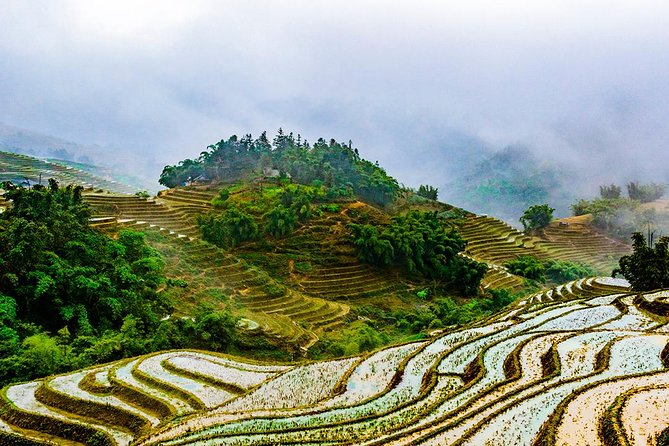
Book this tour if you want:
- rice terraces that you walk through, not just see from a distance
- a culturally guided trek through Hmong and Giay villages
- an included lunch and a smooth day plan with return transport
- a group size that stays human-scale (max 15)
This trek might not be your best match if:
- you need a very easy, flat walk
- you have significant mobility challenges
- you’re expecting a gentle stroll that avoids long climbs and muddy sections
If you’re traveling with kids, you can be in good shape if the children are active walkers. Several families describe guides as patient and good with younger ages. The key is still the trail: you’ll earn the views with steady steps.
Should you book this trek?
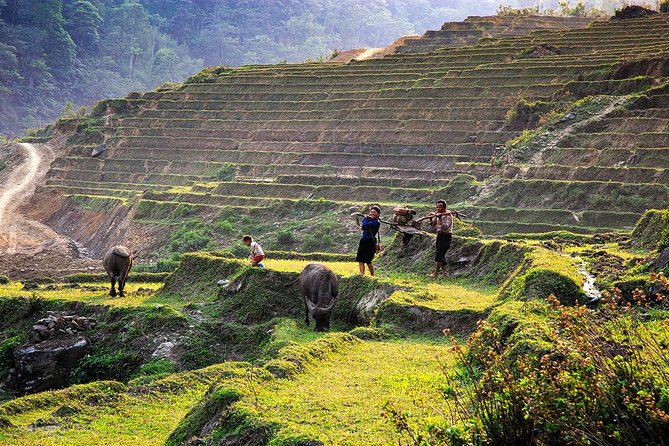
Yes, I’d book it if your priority is Sapa’s rice terraces plus cultural context. The included meal and transport make it feel well-priced, and the small-group setup helps you actually interact with your guide and the villages.
But don’t book it on a whim if you hate steep climbs or slippery trails. This is a working hillside area, and the terrain reflects that. If you’re a planner, pack the right footwear and show up ready for an active half-day.
If you want maximum value from your day, do one simple thing: ask questions about rice work and customs while you walk, not after you’re already tired. Then you’ll leave with more than photos—you’ll leave understanding what you just walked through.
FAQ
How long is the trek?
The tour lasts about 5 to 6 hours.
Where does the tour start, and what time do you begin?
It starts at the Trekking Tour Sapa meeting point at 09 Thác Bạc in Sapa, with a start time of 9:30 am.
What’s included in the ticket price?
The price includes local lunch (with vegetables and meat plus vegetarian options), a small bottled water per person, village entry fees, and transport back to Sapa.
Is there hotel pickup?
Pickup is offered. You can meet your guide at your hotel in Sapa Town or in front of the main church.
What fitness level is needed?
The tour is listed for travelers with moderate physical fitness. It’s a trekking route that can include longer climbs and uneven, muddy paths.
Can I cancel for a full refund?
Yes. You can cancel up to 24 hours in advance for a full refund. If you cancel less than 24 hours before the start time, it isn’t refunded.