REVIEW · KLEIDONIA
Trekking day at Vikos Gorge for all
Book on GetYourGuide →Operated by Epirus Traveller · Bookable on GetYourGuide
One trail, many reasons to pay attention. This 4-hour trek in Epirus takes you through the Vikos Gorge UNESCO geopark area along the Voidomatis River, with bridge stops, church time, and that classic riverside forest shade that makes summer feel doable.
I especially like the way this route stays easy for all while still packing in big-name places: Aristi or Papigko Bridge, the old Agioi Anargyroi church (built in 1658), and the single-arched Kleidonia Bridge. Second, I like that the guide work is not just logistics—there’s a story thread tied to what you’re seeing, from the river’s name origins to the rock-built Spiliotissa monastery.
One consideration: it’s not a good fit if you have mobility limits or certain health conditions, and you should also plan for the river setting (comfortable walking shoes are a must, and you’ll want the right clothing if you plan to swim in the warmer months).
In This Review
- Key highlights you’ll remember
- A shaded walk through the UNESCO Vikos Gorge
- From Aristi or Papigko Bridge to the river forest
- The Voidomatis River: cold water, clear meaning
- Spiliotissa monastery on rock: the photo stop with a pulse
- Agioi Anargyroi church (1658): a calm break from the gorge motion
- Kleidonia Bridge ending: why one arch can tell a whole story
- Price and what you’re really paying for
- What to bring for a river walk that may turn into a swim
- Timing, season, and when the water will matter most
- Who this trek suits best (and who should skip it)
- Should you book this Vikos Gorge trek?
- FAQ
- How long is the Vikos Gorge trek?
- Where does the trek start and end?
- Is hotel pickup and drop-off included?
- What’s included in the price?
- Are meals included?
- Can I swim in the river?
- Do I need hiking poles?
- What should I bring?
- Is the tour suitable for children and older adults?
- Can I cancel and get a refund?
Key highlights you’ll remember
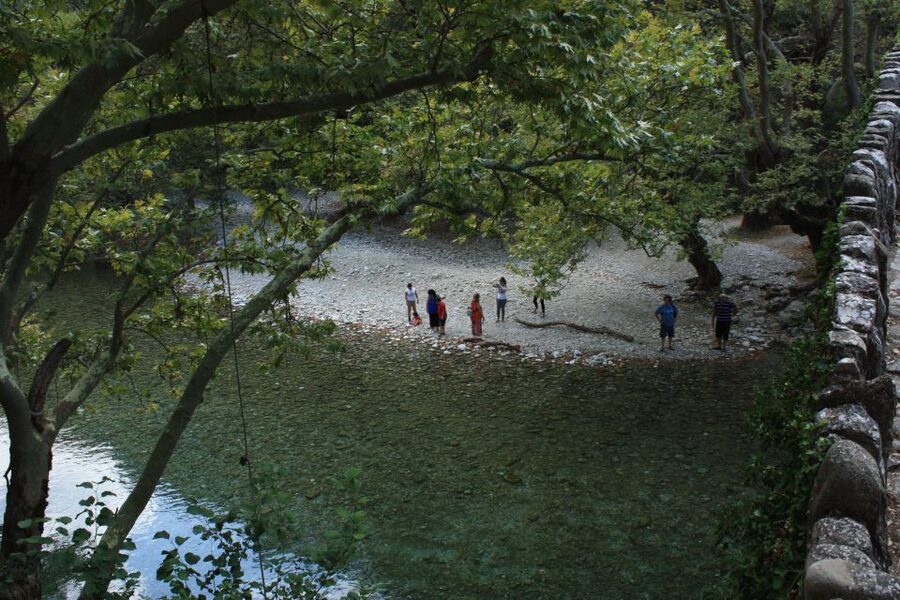
- Voidomatis River walk in a shaded riverside forest with centuries-old plane trees
- Aristi or Papigko Bridge start in northwestern Zagori
- Spiliotissa monastery perched on rock, a striking moment mid-trail
- Agioi Anargyroi church visit (1658) for a calm, grounded pause
- Kleidonia Bridge finish (built in 1853, connecting local communities)
- Traditional meal time beside the river at the end (meals not included, but it’s an option)
A shaded walk through the UNESCO Vikos Gorge
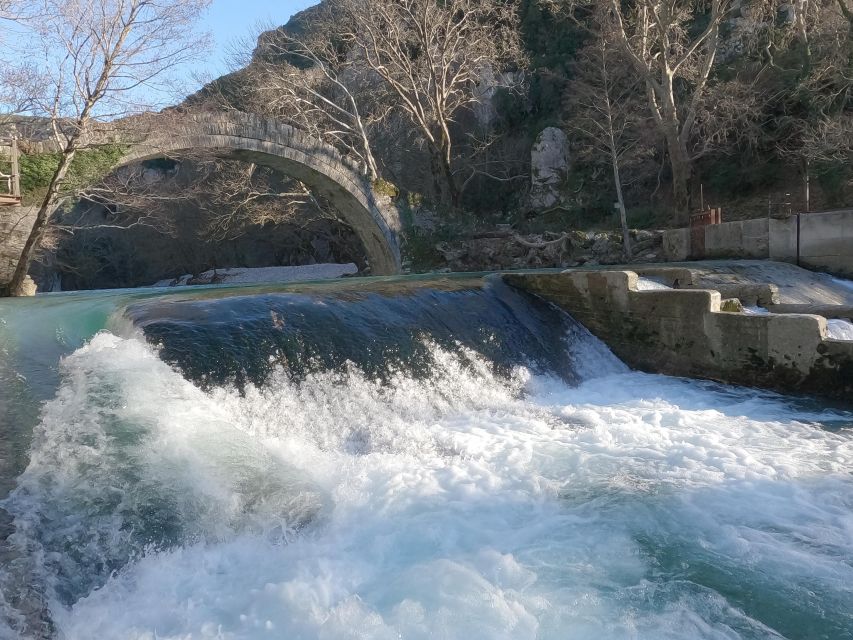
Vikos Gorge is in Epirus, Greece, and it’s officially recognized as a UNESCO world geopark. That matters because you’re not just taking a pretty walk—you’re moving through a place where geology and natural history are part of the experience, and the guide’s explanations help you connect the dots.
What makes this particular trek feel smart is the setting. The route runs along the Voidomatis River, described as the coldest river in Europe, and the path is shaded for much of the way. In warm weather, that shade isn’t a minor detail—it’s the difference between a sweaty “survive the day” hike and a comfortable walk where you can actually stop, look, and listen.
The pace is also a big part of the value. This is an easy route designed for “for all,” and it focuses on the third part of the Vikos gorge—so you get the key sights without needing a full-day climbing workout.
From Aristi or Papigko Bridge to the river forest
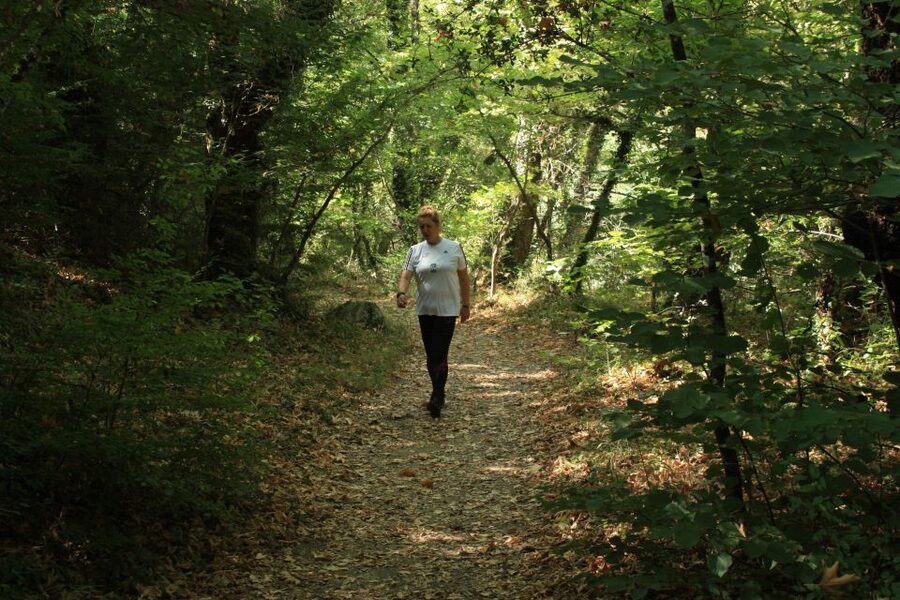
Your trek starts at Aristi or Papigko Bridge in northwestern Zagori. From the start, you’re oriented toward the gorge and the river, not toward a parking lot. That early alignment helps because the rest of the walk makes more sense once you understand where the trail sits relative to the water.
Right away you’re in that riverside-forest zone on the Voidomatis. The description emphasizes shade and an exceptional natural setting, including centuries-old plane trees. Even if you’re not the type who gets excited about tree ages, this kind of canopy changes the whole feel of a trek: cooler air, softer light, and plenty of breaks built into the walk just by staying under the trees.
Expect this segment to feel like a guided “moving visit.” You’re walking, yes, but you’re also learning—how this gorge system fits into the national park and why the river is such a central character here.
The Voidomatis River: cold water, clear meaning
The Voidomatis name comes from Slavic language roots, tied to the idea of good water (Bode–Mat). That’s the kind of detail I love on a trek because it turns the river from a scenery backdrop into something with human connections.
You’ll also hear the practical version of why the river matters: it’s the coldest river in Europe, and that cold shows up most clearly when you’re near the water. From May through September, this is also the best time to swim in the crystal waters—so if you’re going in summer, pack for it. Even if you don’t swim, you’ll probably want to test your feet for a second. Just don’t plan on staying there long if you’re sensitive to cold.
The UNESCO geopark label is helpful background, but the river is the real engine of the day. It shapes the terrain, the shade, and even how the trail “rhymes” from stop to stop—bridges, churches, and viewpoints that all connect back to water.
Spiliotissa monastery on rock: the photo stop with a pulse
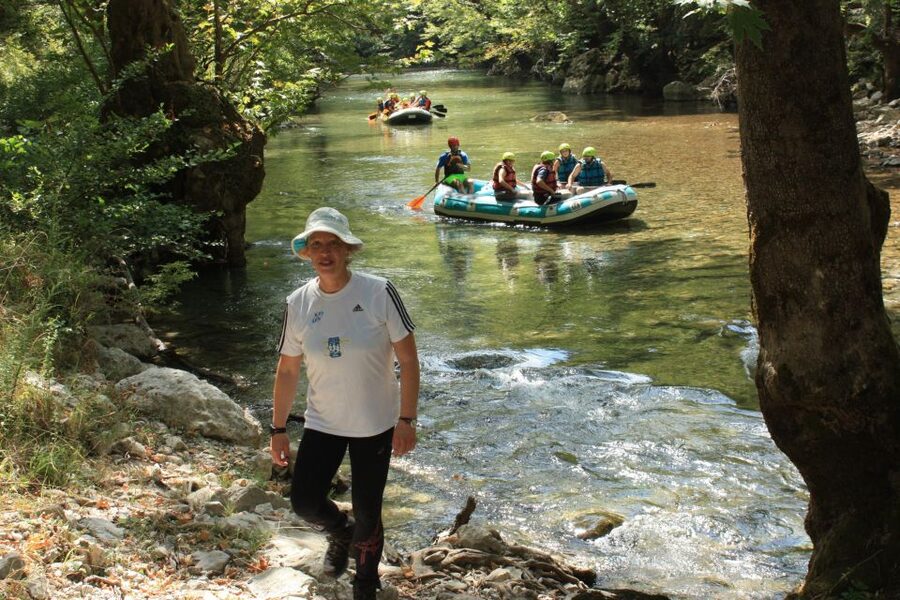
Mid-route, you’ll observe the monastery of Spiliotissa, built on a rock. You don’t have to be a history buff to feel the difference here. A monastery perched on rock reads as intentional and dramatic even if you’re just catching it from the trail.
This is one of those stops where the guide’s explanations help. You’ll be looking at a structure that feels like it belongs to the cliff, not the valley—and understanding why it was built where it was changes the “cool view” into a “why did they do that?” moment.
From a comfort standpoint, this kind of stop is also a good reset. You keep walking, but you get a visual reward that’s not just water and trees.
Agioi Anargyroi church (1658): a calm break from the gorge motion
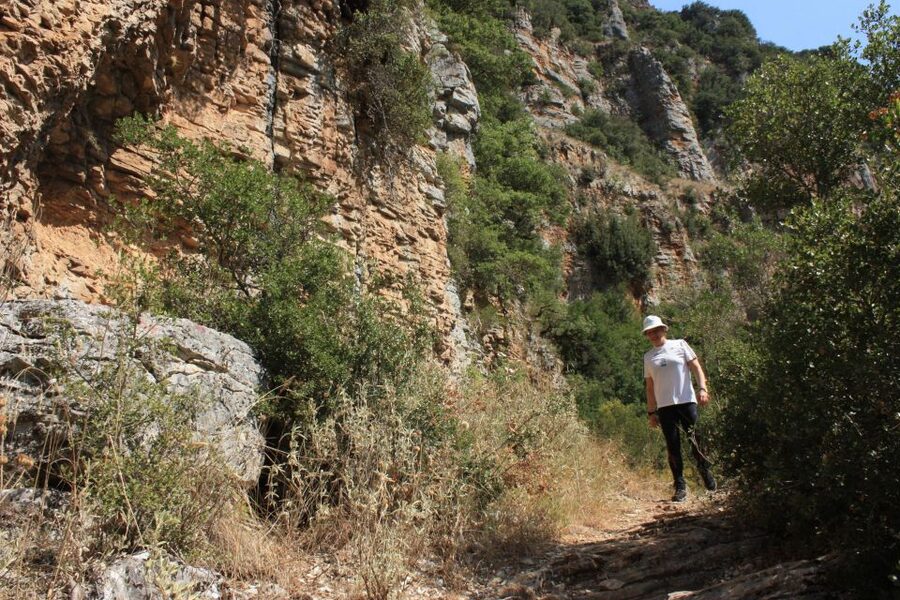
After the monastery viewpoint, you’ll visit the old church of Agioi Anargyroi, built in 1658. Churches on hikes do two jobs. They slow you down and they give you a cultural anchor so you’re not spending the whole time in “nature-only” mode.
For me, the appeal of this stop is balance. The gorge is dramatic and the river is active, so stepping into a church environment gives you a different kind of quiet—something more reflective than panoramic.
Also, it helps you read the region. Zagori isn’t just about cliffs and trails. It’s about villages and connections, and the church is part of that lived landscape. You’ll finish the day feeling like the route linked nature and community, not just nature.
Kleidonia Bridge ending: why one arch can tell a whole story
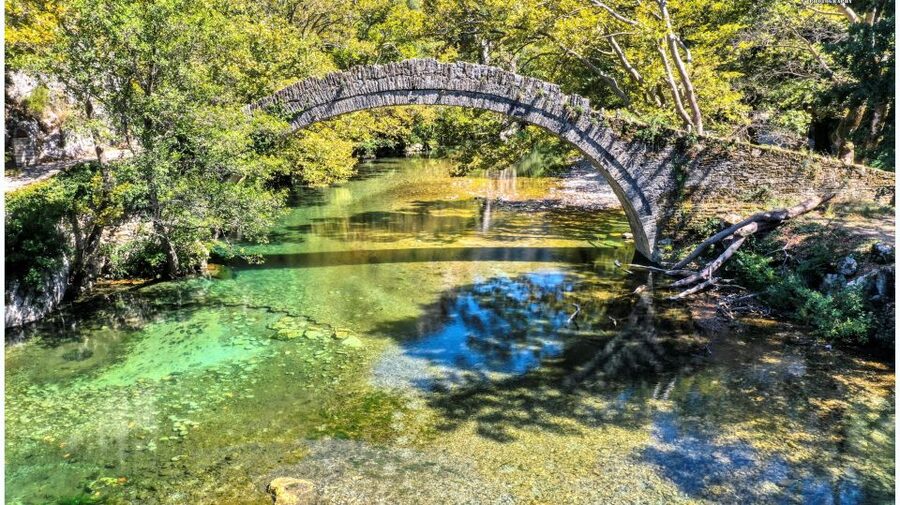
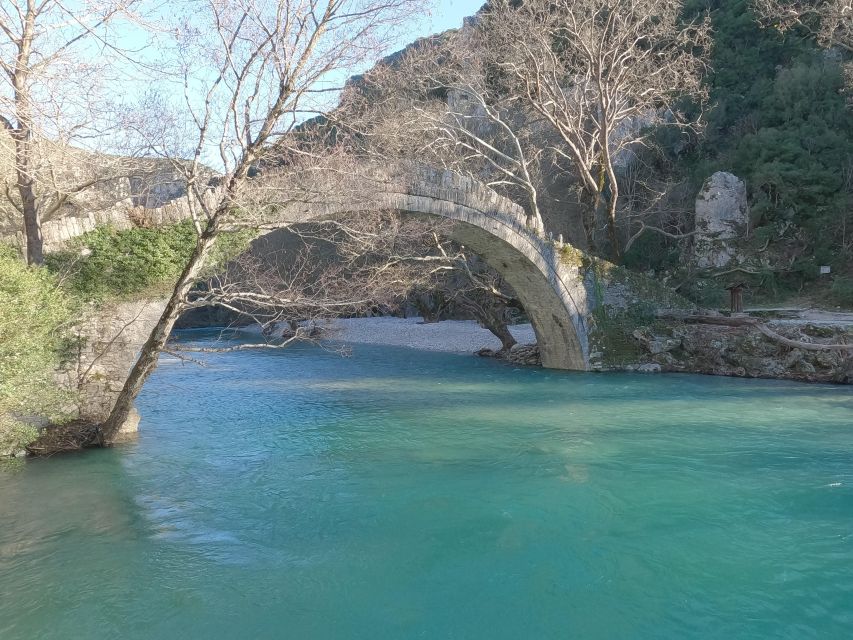
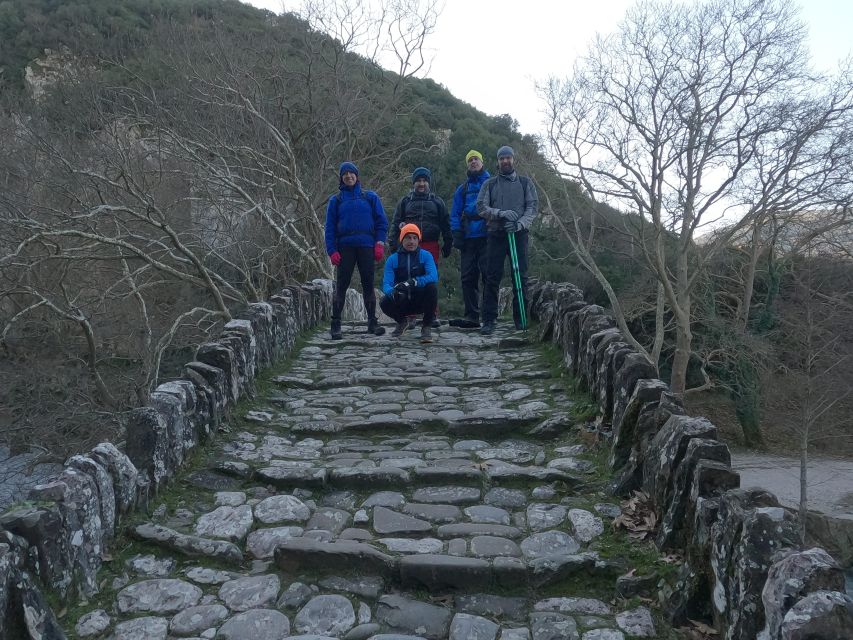
The trek ends at Kleidonia—the single arched stone bridge built in 1853. This bridge wasn’t built for tourists. It was built to connect locals from the villages of Agios Minas and Aristi toward the Konitsa plain, and also to support people traveling from Konitsa town toward Ioannina city.
That’s the kind of detail that turns a bridge from a “nice photo” into a practical map in stone. You’re walking a corridor that once served daily movement. Even with a guided trek, you’re still following a historic thread.
The fact that this bridge is the finish also makes the experience feel complete. You start at another bridge, you cross through the river system, and you end at a bridge that explains how people in the area used this terrain to live their lives.
After the hike, you can enjoy a meal with traditional recipes of the area beside the river. Meals are listed as not included, so treat it as an optional add-on and plan your budget if you want to sit down and eat after.
Price and what you’re really paying for
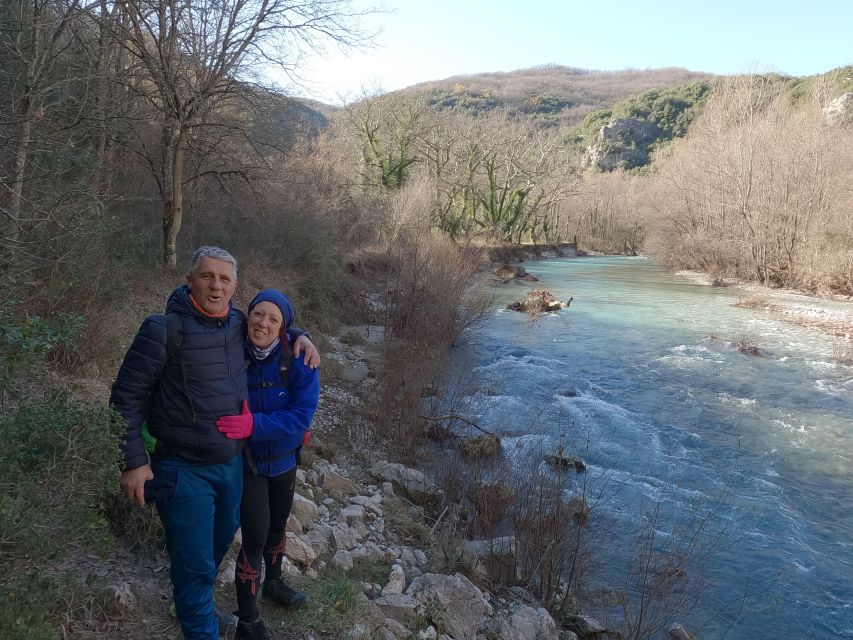
The price is $100 per person for a 4-hour experience. That sounds steep until you look at what’s bundled:
- Hotel pickup and drop-off
- Private transportation
- A certified English guide
- Bottled water
- Included photographic & video material
- Private transportation from Kleidonia Bridge back to Aristi Bridge
When you tally it up, you’re not just paying for the walk. You’re paying for getting into the gorge comfortably, having the guide interpret multiple meaningful stops, and not having to figure out your own return route after ending at a different bridge location.
If you’re coming from outside the area or you hate the logistics game, this package feels like the value option. If you’re already nearby and you’re a strong independent hiker with no need for pickup, you might question whether you need the full tour format. But for most visitors, it’s a reasonable trade: time saved, clarity gained, and fewer “how do I get there” headaches.
What to bring for a river walk that may turn into a swim
The tour asks you to bring practical clothing for a gorge day, especially because you’re close to water.
Plan on:
- Comfortable walking shoes
- Swimwear and sandals (recommended if you’re traveling May–September)
- Flip-flops for after-swim comfort
- Breathable clothing and a T-shirt
- A camera
Also remember the tone of the trek: shaded forest, cold river, and time at bridges and a church. You don’t want heavy, slow-drying layers that get annoying near water. Light, breathable, and quick-changing options usually work best.
Hiking poles are optional and not included. If you use them, bring your own.
Timing, season, and when the water will matter most
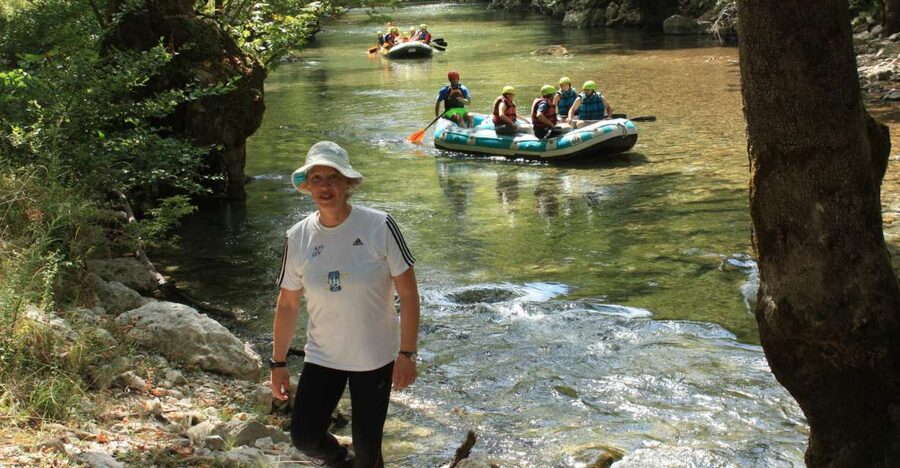
This route is accessible all year. Still, season changes the feel. The sweet spot for swimming in the crystal waters is May through September. If your goal is to dip in, build your trip around those months and come prepared for quick water time.
Even outside peak swimming season, the river presence is consistent. The Voidomatis is the star, and the cold nature of the water is part of what makes the walk unique. In cooler months, you might skip swimming but still enjoy the shade and the gorge atmosphere.
Duration is 4 hours, so you’re getting a full guided experience without losing your whole day to transit and long hikes.
Who this trek suits best (and who should skip it)
This one is described as an easy route for all, but it also comes with clear safety boundaries.
It is not suitable for:
- children under 5
- pregnant women
- people with mobility impairments
- wheelchair users
- people with heart problems
- people with epilepsy
- people with recent surgeries
- people over 254 lbs (115 kg)
- people over 70 years
If you fit the standard fitness needs for an easy gorge walk, you’ll likely love how the day mixes nature, water, and cultural stops without feeling like a grind. It’s also a strong choice if you want English guidance and want someone to connect what you’re seeing—Voidomatis name origins, the rock-built monastery, and the historic bridge purpose.
If you’re unsure, think honestly about your ability to walk comfortably for about four hours in a gorge setting, even when the route is easy and shaded.
Should you book this Vikos Gorge trek?
Yes, if you want a guided, story-driven walk that combines UNESCO geopark nature, Voidomatis River scenery, and major stops like Spiliotissa, Agioi Anargyroi (1658), and Kleidonia (1853)—all wrapped in pickup, bottled water, and transport back to Aristi.
Maybe not, if you’re not able to meet the listed health and mobility limits, or if you’re traveling in a way that makes the included transport and guide unnecessary for you. And if swimming is a priority, aim for May–September and pack your kit, because the best water time is seasonal.
If you’re the type who likes your hikes with context—why the bridge was built, why the monastery sits there, and what the river name means—this 4-hour format is a solid bet.
FAQ
How long is the Vikos Gorge trek?
It lasts 4 hours.
Where does the trek start and end?
It starts at Aristi or Papigko Bridge and ends at Kleidonia Bridge.
Is hotel pickup and drop-off included?
Yes, hotel pickup and drop-off are included.
What’s included in the price?
You get a certified English guide, private transportation, bottled water, photographic and video material, and private transport from Kleidonia Bridge to Aristi Bridge, plus all state taxes & VAT.
Are meals included?
Meals and drinks are listed as not included, even though there is an optional traditional meal beside the river at the end.
Can I swim in the river?
Swimming is best from May up to September in the crystal waters. The trail is accessible all year.
Do I need hiking poles?
Hiking poles are not included. They are listed as optional.
What should I bring?
Bring comfortable shoes, swimwear, sandals, flip-flops, camera, comfortable clothes, breathable clothing, and a T-shirt.
Is the tour suitable for children and older adults?
It’s not suitable for children under 5 and not suitable for people over 70.
Can I cancel and get a refund?
Yes. You can cancel up to 24 hours in advance for a full refund.