REVIEW · NAIROBI
Mount Kenya Trek
Book on Viator →Operated by Bushtroop Tours and Safaris · Bookable on Viator
Mount Kenya is a big step up. You trade easy scenery for real altitude work, guided carefully, day after day, from forest paths to moorland views and finally Lenana at sunrise. I like how the team keeps things practical and human—guides such as Michael and Peterson are named in past trips, and the whole setup is geared toward making sure you’re looked after. The one caution: this is not a stroll, and the early steep start (you leave at 3am on Day 4) means moderate fitness matters.
What really makes this trek feel like a package is the way food and comfort are handled at camp. Chef Steven gets credit for making it feel welcoming, and there’s even a shout-out to vegan meals, which is a huge plus if you eat plant-based. The other thing to consider is pacing: you’ll do long days and steep stretches, so you’ll want to be honest about your hiking stamina before signing up.
In This Review
- Key Highlights You’ll Care About
- Why Mount Kenya Feels Less Like a Checklist
- Price and Value: What $840 Covers
- Getting to Sirimon Gate: Nanyuki, Forest Steps, and the First Burn
- Day 2 Toward Shipton Camp: Moorland, River Crossings, and Mackinders Valley
- Acclimatization Day at Hauseberg Lakes: The Smart Way to Climb Higher
- Sunrise Morning to Lenana, Then the Long Descent
- Final Descent to Chogoria: Forest Clearance and a 4×4 Link
- Guides, Food, and the Small Details That Change Everything
- What to Pack for Mount Kenya (Without Overthinking It)
- Who This Trek Fits Best
- Should You Book This Mount Kenya Trek?
- FAQ
- How long is the Mount Kenya trek?
- Where do you go first after leaving Nairobi?
- What elevation highlights are included?
- Is there an acclimatization day?
- Do you get any food included?
- Can the group handle different diets?
- Can you cancel for a refund?
- What’s the maximum group size?
Key Highlights You’ll Care About
- Small group size (max 12 people) keeps things friendly and manageable on narrow trail sections.
- Acclimatization on Day 3 with a walk to Kami Hut and the Hauseberg Lakes helps you climb smarter.
- Sunrise timing at Lenana means an early push up a steep, stony route before the views land.
- Camp-to-camp support, including guides and cooks, makes the long days feel less chaotic.
- Meal handling on trek days, with specific praise for vegan-friendly food.
Why Mount Kenya Feels Less Like a Checklist
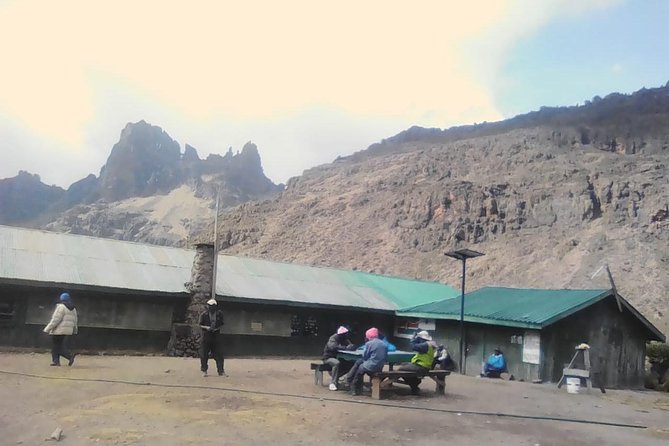
Mount Kenya has a way of changing your mood fast. One day you’re walking through forest shade; the next, you’re moving through heath and moorland where the air feels thinner and every step counts. That shift is part of the reason I like this kind of route: it’s not just the summit goal, it’s the whole climb experience built into the schedule.
This trek is also structured around what your body needs. You don’t go straight from camp to high point day after day. Instead, the plan builds in recovery and altitude awareness, then asks for the big morning push to Lenana at sunrise. That balance is what turns Mount Kenya from a scary idea into a real, achievable itinerary for people with decent hiking fitness.
You can also read our reviews of more tours and experiences in Nairobi.
Price and Value: What $840 Covers
At $840 per person for about 5 days, the best way to judge value is what’s taken off your plate. This is not just a map and a meeting point. You get pickup offered, and you’ll use a mobile ticket. More importantly, the trek includes admissions (listed as admission ticket included across the days), and the daily camp plan is built around meals and overnight stays.
You’ll also benefit from group size. A cap of 12 people usually means more attention per person when you’re moving at different speeds on steep sections. And the fact that you’re being supported by guides and a cooking team matters more than people expect—especially on cold mornings and tiring descents.
If you want the experience of Mount Kenya without handling logistics yourself, this package style is often worth it. If you’re looking for a self-guided hike where you call all the shots, you might find it a bit structured for your taste.
Getting to Sirimon Gate: Nanyuki, Forest Steps, and the First Burn
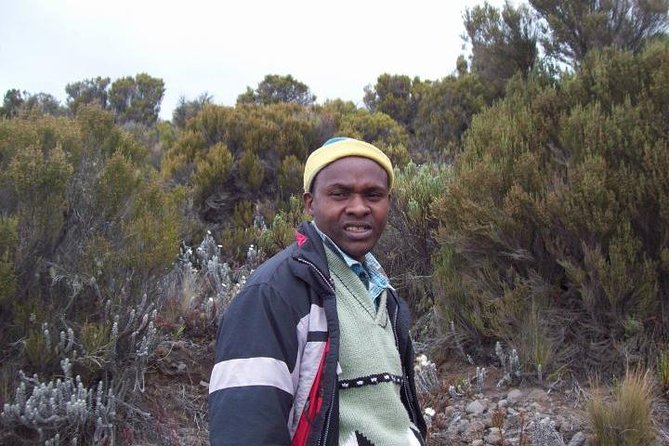
Your Day 1 starts with a Nairobi departure at 8:00am, then a drive to Nanyuki town for lunch, about 4 hours. After that, you continue toward Sirimon Gate (around 1 hour), at 2440m. From there, you hike uphill along the track that winds through forest.
Here’s the practical takeaway: Day 1 isn’t just “warming up.” You’re climbing from a lower starting elevation into a new rhythm. The trail becomes heath land after about 3 hours, which usually means less shade and a more exposed feel under the sky. If you’re the type who needs to stay mentally calm, this is where pacing matters. Don’t go fast just because you feel okay at the start.
After roughly 3.5 hours from the gate, the route veers right to Judmier Camp at 3300m for dinner and overnight. That camp placement sets up your next step upward the following morning.
Day 2 Toward Shipton Camp: Moorland, River Crossings, and Mackinders Valley
Day 2 begins after breakfast, and you keep heading uphill. The route includes a key fork—fork left at a junction about one hour after Old Moses Camp—and then you cross the Ontulili River. From there, you go right contouring through moorland and cross Liki North, continuing uphill to Mackinders Valley.
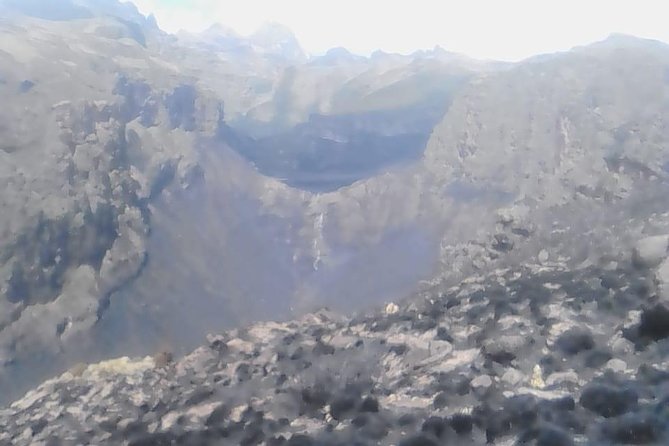
Why Mackinders Valley matters: it’s where the trail starts rewarding you with panoramic views up the valley toward the main peaks. It’s also a mental checkpoint. You’ll feel the work in your legs, but you can point your camera (or your eyes) toward what you’re actually climbing toward.
You end the day at Shipton Camp (4200m) for dinner and overnight. That elevation jump is real, so you’ll want to keep your effort steady. Don’t sprint for views. In altitude trekking, slow wins.
Acclimatization Day at Hauseberg Lakes: The Smart Way to Climb Higher
On Day 3, you get a true acclimatization day. You walk to Kami Hut, then head down to the Hauseberg Lakes—including Hauseberg Tarn and Nanyuki Tarn—before returning toward Shipton for dinner and overnight.
This is the kind of day I appreciate because it uses a simple altitude strategy: go up, then come down, then regroup. You’re not just resting. You’re practicing how your body responds to changes in elevation while staying close enough to camp to keep the day manageable.
Also, “walking to lakes” isn’t just a scenic idea on paper. It gives you a reason to move without turning it into a grind. For me, this is where trekking tours earn their keep: you come back from Day 3 feeling like you understand the mountain’s tempo, not like you got punished.
Sunrise Morning to Lenana, Then the Long Descent
Day 4 is the big day. You leave at 3:00am for a steep, stony quarry section that cuts through a cliff clearing with a visible route toward lower Hall Tarns. You reach Lenana at 6:30am, taking about 3 hours.
The point of that timing is sunrise. Getting to Lenana for sunrise is one of the moments that makes people remember Mount Kenya. Just remember what early mornings cost you: you’ll likely feel cold and stiff before the movement warms you up. Bring layers you can take off gradually.
After sunrise, you descend to Mintos hut (about 2 hours) for breakfast. Then you continue further down to Mount Meru Bandas (2950m) for dinner and overnight. The key here is accepting that your legs may feel like they’re done, even when you’re still following the schedule. Descents are harder than they look on tired knees.
Final Descent to Chogoria: Forest Clearance and a 4×4 Link
On Day 5, you descend about 2 hours covering roughly 15km to the forest clearance. From there, you catch a 4×4 transfer vehicle to Chogoria Village, then connect with your transfer vehicle back to Nairobi, with breakfast and lunch included.
This last day is a relief in a good way. The “two hours, then vehicle” structure means you’re not stuck facing an extra all-day trek just because the itinerary still has one more day to go. And ending in Chogoria is a nice way to break the monotony of one continuous trail.
If you’ve made it to Day 5, you’ve already done the hardest parts: the altitude climb, the acclimatization work, and the sunrise push. This day is about finishing strong.
Guides, Food, and the Small Details That Change Everything
The most praised part of this trek is the people running it. Names like Michael and Peterson show up in past experiences, and chef Steven is credited for keeping meals satisfying even in a setting where comfort is never guaranteed. One review also specifically calls out vegan meals, which tells you the team isn’t treating diet needs as an afterthought.
What this means for you: you’ll spend less energy worrying about logistics and more energy paying attention to the mountain. That matters when your body is working and your brain is tired. Good guides also help with pacing decisions on steep stretches and keep the group moving with less stress.
A small warning from the experiences you can learn from: there’s a note about a partly swampy landscape, plus advice to use waterproof shoes. Even if weather varies year to year, muddy sections are believable in these elevations and environments. If you only pack one pair of shoes, that’s a gamble—especially when you’re descending after days of hiking.
What to Pack for Mount Kenya (Without Overthinking It)
You’ll be walking through multiple terrain types: forest paths, heath, moorland, and rocky morning routes. So your packing list should focus on protection and comfort, not just style.
Here’s what I’d treat as essential based on the hike’s demands:
- Waterproof shoes (the muddy note is real enough to plan for)
- Layered clothing for early 3am movement up to sunrise timing
- A rain layer or at least a weather-ready shell
- Daypack for water, snacks, and a spare layer
- Sensible hiking socks to reduce blister risk on long descents
- Headlamp or flashlight-style light if you’re on early starts and need it for morning routines
If you tend to run cold at altitude, plan for that. If you run warm, plan for the layers-off phase because the hike can heat up fast once you start climbing.
Who This Trek Fits Best
This trek calls for moderate physical fitness. That’s not vague. You’re dealing with sustained climbs, steep stony sections, and a long descent on Day 4 and Day 5.
It’s a great choice if:
- You want a guided route with camp support and a clear plan.
- You like the idea of acclimatization day instead of forcing a straight summit grind.
- You want sunrise at Lenana built into the schedule, not left to chance.
It may not be the best choice if:
- You’re looking for a casual hike with minimal elevation strain.
- You dislike early mornings, especially a 3am start.
- You aren’t comfortable with descents that can feel hard on knees and ankles.
Should You Book This Mount Kenya Trek?
If you want an experience that feels organized but not sterile, I think this is a smart pick. The mix of guided support, camp structure, and the way the itinerary handles altitude with a dedicated acclimatization day makes it more likely you’ll finish feeling proud instead of wrecked.
Book it if you like a real mountain challenge and you’re willing to take “moderate fitness” seriously. Consider skipping (or choosing a softer program) if you know you struggle with steep, rocky sections or long downhill days.
FAQ
How long is the Mount Kenya trek?
The trek is listed as 5 days (approx.).
Where do you go first after leaving Nairobi?
You leave Nairobi at 8:00am, drive to Nanyuki town for lunch, then continue to Sirimon Gate.
What elevation highlights are included?
You start at Sirimon Gate (2440m) and hike to Judmier Camp (3300m), Shipton Camp (4200m), reach Lenana at 6:30am on Day 4, and sleep at Mount Meru Bandas (2950m) before the Day 5 descent.
Is there an acclimatization day?
Yes. Day 3 is an acclimatization walk to Kami Hut and down to the Hauseberg Lakes before returning to Shipton Camp.
Do you get any food included?
The trek plan includes meals during the hike, including breakfast, lunch, and dinner on the relevant days (for example, Day 2 and Day 3 list B, L, D, and Day 5 includes B, L).
Can the group handle different diets?
One experience summary specifically praises vegan meals, so it’s something this team has handled.
Can you cancel for a refund?
Yes. The policy states you can cancel for a full refund if you cancel up to 24 hours in advance of the experience’s start time.
What’s the maximum group size?
The tour/activity has a maximum of 12 travelers.