REVIEW · SAPA
Exploring Fansipan: A 2-Day, 1-Night Trekking Adventure
Book on Viator →Operated by SAIGONESE TREKKING HOUSE · Bookable on Viator
Fansipan rewards early feet and big lungs. On this Sapa overnight trek, you climb toward the highest peak in Indochina, then wake for sunrise at 3,143 meters in Hoàng Liên Sơn.
I like two things most: the small-group feel (max 10) and the fact you’re really hiking overnight, not just doing a day walk. The food is basic but gets the job done, and communication from the team is strong—plus you may even get handy help with pre-trip logistics in Sapa.
One consideration: this hike starts off easy enough, then gets steeper and longer. If your fitness is low, plan for slower pacing and extra breaks.
In This Review
- Key Things to Know Before You Hike Fansipan
- Why Fansipan Sunrise on an Overnight Trek Feels Worth It
- Small-Group Trek Details: Pickup, 10 People, and Real-World Pacing
- Day One on the Trail: From Sapa Transfers to Base Camp Energy
- Night on the Mountain: Sleep Plans and Getting Ready for Sunrise
- The Summit Push for Sunrise: Cold Air, Steady Steps, Big Payoff
- Descent Choices: Hike Down vs Cable Car on Your Own Budget
- What’s Included (and What You’ll Still Need to Plan)
- Best Time to Hike Fansipan: Match the Scenery to Your Mood
- Value Check: Is $120 Fair for a 1-Night Trek?
- Who This Tour Fits Best (and Who Might Rethink It)
- Should You Book This Fansipan Trek?
- FAQ
- What is the price of the Fansipan 2-day, 1-night trek?
- How long is the trek?
- What time does the tour start?
- How big is the group?
- What’s included in the price?
- Is pickup included?
- Is the cable car included?
- Can the operator handle dietary restrictions?
- Do I need strong fitness?
- What happens if weather is bad?
Key Things to Know Before You Hike Fansipan
- Max 10 hikers means you’re less likely to get shuffled and more likely to get real guide attention.
- Sunrise from the summit is the core payoff, with views stretching across northern Vietnam and toward southern China.
- Overnight on the mountain turns it from a trek into a full experience with dinner and breakfast included.
- Meals and bottled water are included, so you can focus on boots, layers, and steady effort.
- Cable car is optional and extra if you want an easier descent after the summit.
- This depends on good weather, so be ready for date changes if conditions are poor.
Why Fansipan Sunrise on an Overnight Trek Feels Worth It
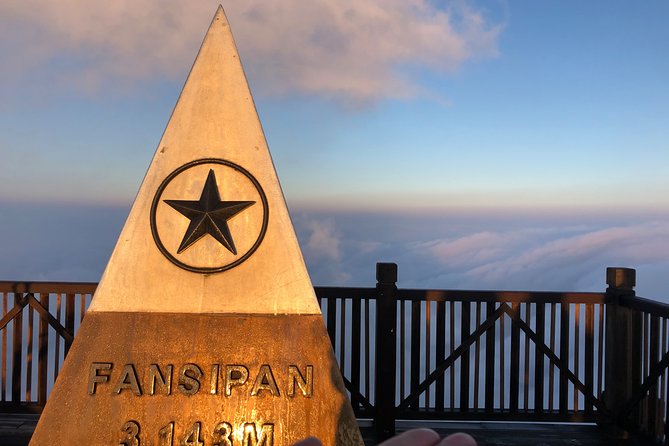
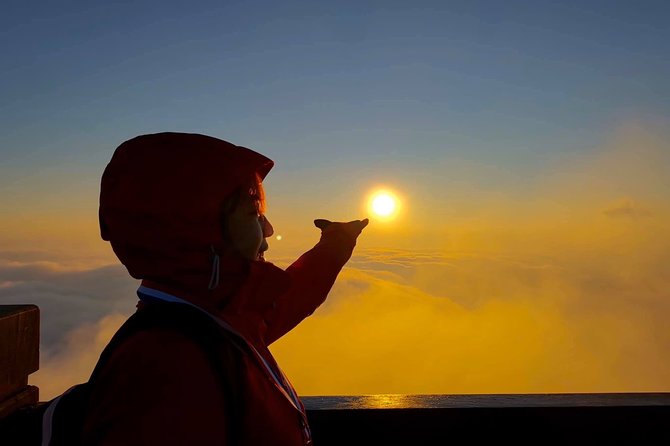
Fansipan is a serious mountain, and the “Roof of Indochina” nickname isn’t just marketing. You’re aiming for 3,143 meters, high enough that mornings can feel sharp and crisp even when Sapa itself is mild. The big moment is the early push to the summit so you can watch sunrise from up high.
What I like about doing sunrise as part of an overnight plan is simple: you don’t spend the whole day just trying to reach a distant goal. You manage your energy across two days, sleep somewhere near the route, then go for the top while the light is still fresh. That pacing matters when the trail starts getting steeper.
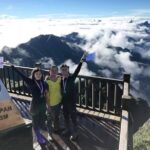
The views are the reason people come. On a clear morning, you can see a wide sweep across northern Vietnam and toward southern China. And if the sky is right, you get that classic mountain-mist look—high clouds or a sea of cloud rolling below you—so the summit feels like its own world.
Small-Group Trek Details: Pickup, 10 People, and Real-World Pacing
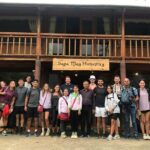
This trip keeps numbers tight: up to 10 travelers. In practical terms, that helps the whole experience feel controlled. You’re not constantly waiting for a large line to stretch and compress. It also gives the guide room to check in on pace, feet, and breathing, especially on the harder sections.
Pickup is offered from Sapa, and the start time is 9:00 am. That’s helpful if you’re trying to structure your Sapa day without guessing transportation timing. One person noted the organizers picked them up from their hostel by motorbike to reach the trek start, and that they could store luggage. That kind of support isn’t listed as a guarantee, but it’s a real example of the team being practical about small logistics.
The tour requires strong physical fitness. That doesn’t mean you need to be an athlete, but you should be comfortable with sustained uphill walking and the fact that the route often feels easier at first, then steadily harder.
One more reality check: even when the group is small, you’ll still move at a hiking rhythm. If you’re prone to getting out of breath, take it slow early, so your body isn’t paying for it later.
Day One on the Trail: From Sapa Transfers to Base Camp Energy
After pickup, you travel from Sapa up to the trail area and start following your guide’s route. Day one is about settling in: get your layers right, find your breathing pattern, and build momentum before the climb asks more of you.
Dinner happens on the mountain. Food here is described as basic but tasty and sufficient, which is exactly what you want on a trek: food that’s easy to eat and gives you fuel without turning the meal into a long production. You also might find that the on-mountain guide can cook at the base camp, and that helps keep the evening relaxed rather than rushed.
In at least one account, base camp included opportunities to buy drinks like beer and to chat with other hikers. That’s not the same thing as guaranteed nightlife, but it shows how these overnight points can feel social and human. It’s a nice contrast to being isolated on the trail all day.
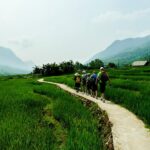
If you’re expecting a gentle stroll because the first sections feel manageable, don’t. One person said it starts easy but becomes harder step by step along the way. So I’d treat day one as training for the tougher parts, not a warm-up only.
Night on the Mountain: Sleep Plans and Getting Ready for Sunrise
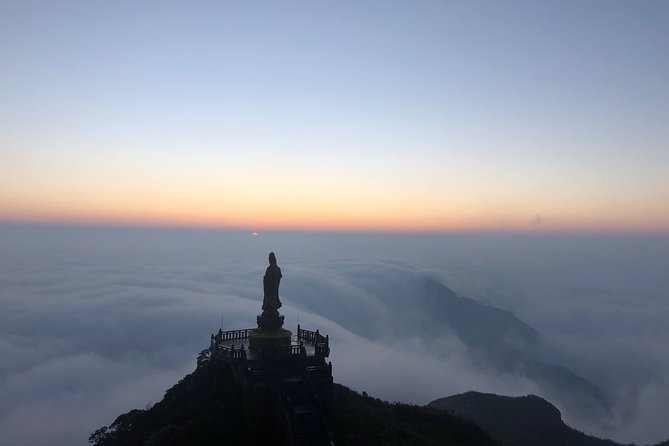
Overnight treks have two jobs: let you rest enough to hike again early, and keep you warm enough to function. The trip includes dinner and breakfast, which means you don’t need to hunt for food logistics mid-trek.
Sleep quality can vary a lot on mountains. The tour details don’t describe bedding or cabin comfort levels, so you should plan your expectations as a practical hiker’s sleep: you’re there to rest, not to recreate a hotel bed experience.
What helps most is preparing your gear for cold early mornings. Layers are your friend. Even on days when Sapa feels pleasant, sunrise timing means you’ll be moving when temperatures can drop. If you run cold, bring warmer layers than you think you need.
The Summit Push for Sunrise: Cold Air, Steady Steps, Big Payoff
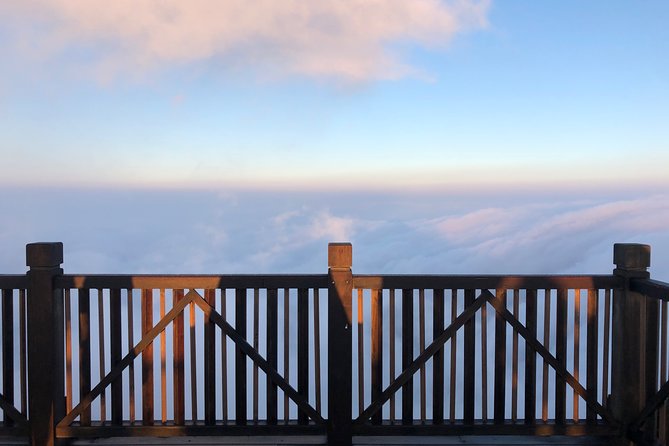
Waking up early and hiking to the summit is the main event. Sunrise from Fansipan is the reason many people choose a 2-day plan instead of a day trek. The goal isn’t just reaching a high point, it’s being there before the light changes so you can watch the view arrive.
On a clear day, you can get sweeping views across the region and look in multiple directions. On one account, the sky delivered晴天, clear weather, and the person described the sight as like an unreal world with cloud views from above. That’s the best kind of reward: not just altitude, but atmosphere.
How hard is it? Reviews consistently describe the walk as challenging but doable. The key is pacing. One person said they went slowly enough that the guide stayed patient and helpful, especially when the group was just them and their partner. That’s a reminder: small-group trips can adapt better than bigger ones.
Weather matters here. The experience requires good weather. If conditions are poor, the operator offers a different date or a full refund, so don’t assume the sunrise plan is always guaranteed.
Descent Choices: Hike Down vs Cable Car on Your Own Budget
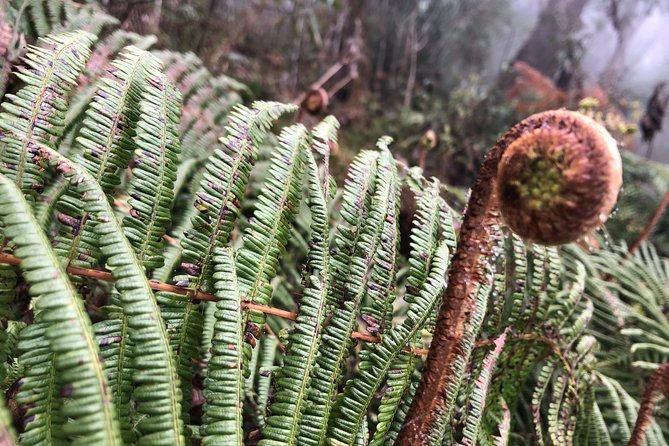
After sunrise, you hike back down as part of the experience. The option that changes your day is the return by cable car, which is not included and would be an additional expense.
So which should you choose? If your legs are cooked and you’re prioritizing comfort, cable car can save energy for the rest of your Sapa stay. If you enjoy the whole hiking rhythm and want your body to cool down naturally, staying on the trail down is often the more satisfying route.
Either way, you’ll want to keep an eye on timing. Sunrise hikes can make the day feel long, and you’ll likely feel it more on the descent if your pacing was too fast on the summit push.
What’s Included (and What You’ll Still Need to Plan)
This is one of the most practical things about the trip: the essentials are covered. You get:
- Breakfast, lunch, and dinner
- Bottled water
- All fees and taxes
- Transport from Sapa to the trail and return
That takes pressure off. You don’t have to pack a full meal plan or sort out entry fees mid-trek.
What’s not included: optional cable car return and tips.
Also, they can accommodate dietary restrictions such as vegetarian, vegan, and gluten-free. You need to indicate your requirements when booking, which is fair. If you have food sensitivities, don’t wait until the last minute.
Best Time to Hike Fansipan: Match the Scenery to Your Mood
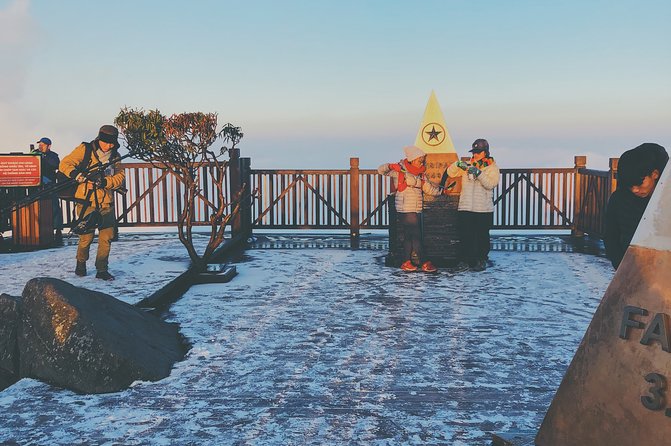
Fansipan changes through the year, and the area around the mountain does too. Here’s how it’s described across seasons:
- Spring (Feb–Apr): more blossoms, with the air described as cool and crisp and fragrant with flowers.
- Summer (May–Jul): rhododendrons, ancient roses, and hydrangeas show up along the route.
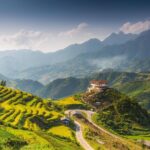
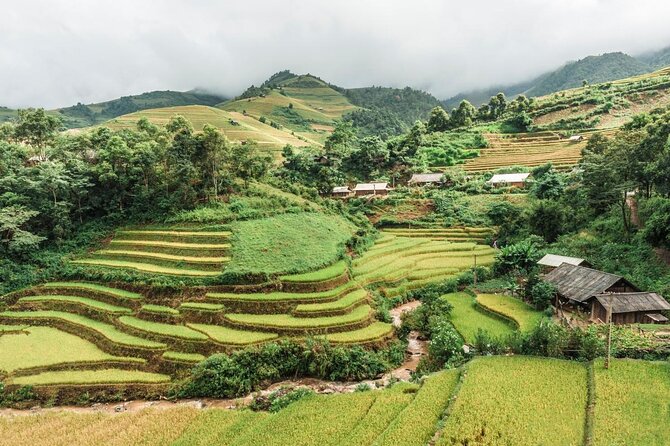
- Autumn (Aug–Oct): terraced rice fields around Fansipan turn golden, so you get a wider view of patterned hills.
- Winter (Nov–Jan): the peak can sit under a blanket of cloudy, which can create moody, misty mountain conditions.
If you want photos with a softer, colorful feel, spring can be great. If you want big flower energy, go for summer. If you want a “gold hills” backdrop, aim for autumn. And if you don’t mind clouds as part of the atmosphere, winter can be dramatic.
Value Check: Is $120 Fair for a 1-Night Trek?
At $120 per person, this trek isn’t cheap. But it also isn’t just a guide walk with nothing extra. You’re paying for:
- Overnight time on the mountain
- Full meal coverage (breakfast, lunch, dinner)
- Bottled water
- Transfers from Sapa to the trail and back
- Fees and taxes
- A small-group setup that keeps the experience closer and more manageable
For me, the best value indicator is not the headline price—it’s how much gets taken off your plate. If you were planning this yourself, you’d still need guides, transport, food, and time. Here, a lot of the moving parts are bundled so you can focus on hiking.
The fact that the rating is extremely high (4.9 with strong recommendation rates) also suggests the operator delivers what they promise: organized communication, doable pacing, and good support around the trek.
Who This Tour Fits Best (and Who Might Rethink It)
This tour fits you if you want:
- A proper overnight trek rather than a short day scramble
- Sunrise as the main goal
- A small group with fewer logistical headaches
- Enough fitness to handle a steep, longer climb that gets harder over time
It may not fit you if:
- You struggle with sustained uphill walking and need a lot of time to recover
- You’re looking for a fully comfortable, low-effort sleep setup
- You’re only interested in an easy photo stop, because the summit day is still a real hike
One review also noted how they learned base camp meals can help you regain energy partway through the experience. That’s a good sign if you’re worried about hunger or morale.
Should You Book This Fansipan Trek?
I’d book it if your priority is a true mountain experience in the Fansipan zone, with sunrise as the payoff and meals/transport handled for you. The small group size and overnight format make the day feel complete, and the support described—like patient guiding and practical communication—helps when you’re tired.
If you’re on the edge physically, don’t assume you’ll be fine just because the start feels manageable. Be honest about your fitness and plan to go slow. Bring warm layers for early hours, and treat the climb as a progression, not a race.
And if you’re still sorting your Sapa base before the trek, one review recommended Saigonese Homestay. The person credited help from Nina and Huang with logging, transportation assistance, and a guide setup before the hike, plus food and massage recommendations afterward. Even if you don’t stay there, it’s a reminder: a little local support in Sapa can make trek day smoother.
FAQ
What is the price of the Fansipan 2-day, 1-night trek?
It costs $120.00 per person.
How long is the trek?
It runs for 2 days (approximately) with 1 night on the mountain.
What time does the tour start?
The start time is 9:00 am.
How big is the group?
This experience has a maximum of 10 travelers.
What’s included in the price?
Breakfast, lunch, dinner, bottled water, all fees and taxes, and transport from Sapa to the trail and back.
Is pickup included?
Yes, pickup is offered.
Is the cable car included?
No. The cable car return is optional and not included, so it would be an extra cost.
Can the operator handle dietary restrictions?
Yes. They can accommodate dietary restrictions like vegetarian, vegan, and gluten-free. You should indicate needs when booking.
Do I need strong fitness?
Yes. The tour states you should have a strong physical fitness level.
What happens if weather is bad?
This experience requires good weather. If it’s canceled due to poor weather, you’ll be offered a different date or a full refund.