REVIEW · KATHMANDU
Everest Base Camp Trek 15 Days
Book on Viator →Operated by Sherpa Expedition & Trekking · Bookable on Viator
Everest dreams start with a warm lodge. This 15-day trek heads toward Everest Base Camp at 5,364m, mixing Sherpa villages and monasteries with Khumbu icefall scenery. It’s the kind of trip where the altitude is real, but so is the comfort of sleeping in clean, scenic lodges and getting looked after by people who know the route.
I love the emphasis on Sherpa culture and Buddhist monasteries, not just chasing photos. I also like that the package covers breakfast, lunch, and dinner, plus a sleeping bag and duffel bag—small things that add up on a long mountain journey.
One consideration: visa, insurance, and tips for your guide and porter are not included, and alcohol and snacks cost extra. If you like your budget tight, plan those costs before you go.
In This Review
- Key Highlights at a Glance
- Kathmandu Start Point: Getting Off on the Right Foot
- What the Everest Base Camp Trek Sets Out to Do (and Why It Works)
- Sherpa Villages and Buddhist Monasteries: More Than a Photo Stop
- Rhododendron Pines to Icefall Glaciers: Why the Scenery Changes the Mood
- Lodges, Meals, and Provided Gear: Comfort That Helps You Keep Moving
- Your Crew: Guides and Porters Who Make the Trip Feel Safe
- Fitness Level: Who This Trek Fits Best
- Price and Value: The Real Math Behind $2,400
- Weather, Rescheduling, and the Himalayan Reality
- Booking Smart: Questions That Save Time and Stress
- Should You Book This Everest Base Camp Trek?
- FAQ
- How long is the Everest Base Camp trek?
- Where does the trek start in Kathmandu?
- What time does the trek start?
- Is pickup included?
- Is this a private tour?
- What fitness level is required?
- What’s included in the price?
- What’s not included?
- If you want, share your travel month and fitness level
Key Highlights at a Glance
- Sherpa-led crews that get repeated praise: guides like Lakpa, Pasang, Buddha Tamang, and Gumbo; porters including Neema and Kumar
- Private tour feel: only your group participates, with pickup offered from Kathmandu
- A start that’s early and efficient: meeting point near Chaksibari Marg, Kathmandu, with a 6:15am start time
- Included basics for a 15-day trek: meals plus a sleeping bag and duffel bag
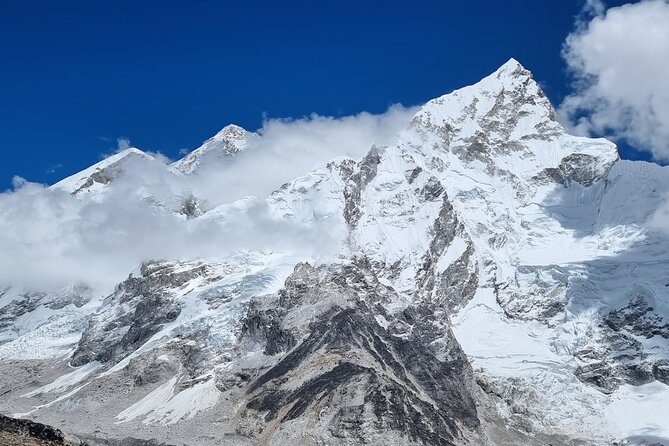
- A route that changes character: Sherpa villages and monasteries, then alpine rhododendron/pine areas, and finally icefall glacier views
- Good logistics and communication: flexibility shown when flights into Kathmandu run late, including late-night prep at the hotel
Kathmandu Start Point: Getting Off on the Right Foot
Your journey begins in Kathmandu with an early start. You’ll meet at Sherpa Expedition And Trekking on Chaksibari Marg (44600), and the start time is listed as 6:15am. It’s also noted as being near public transportation, which is handy if you’re staying somewhere that’s easier to reach by bus or taxi than by private transfer.
Pickup is offered, and that matters more than it sounds. With a long trek, any time you can shave off the “where do I go, who do I meet, what time is it” scramble helps you conserve energy for the mountains. This is also a private tour/activity, meaning it’s not a mixed crowd where you’re stuck adjusting to other peoples’ pace or preferences.
One practical tip: confirm your exact meeting and pickup details before arrival day. The trek experience is built around being ready to start on time, and you’ll enjoy the trip more when that first morning feels organized instead of rushed.
You can also read our reviews of more tours and experiences in Kathmandu.
What the Everest Base Camp Trek Sets Out to Do (and Why It Works)
This is a 15-day trek aimed at the world’s highest peak area, with Everest Base Camp identified at 5,364m. But what makes this trip more than a single destination is the way it strings together culture, scenery, and mountain “zones” rather than treating the climb like a straight line.
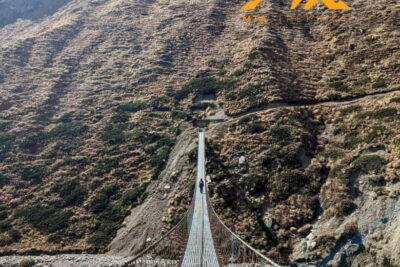
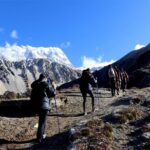
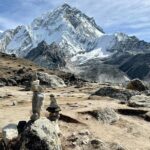
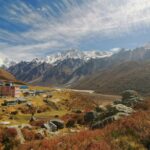
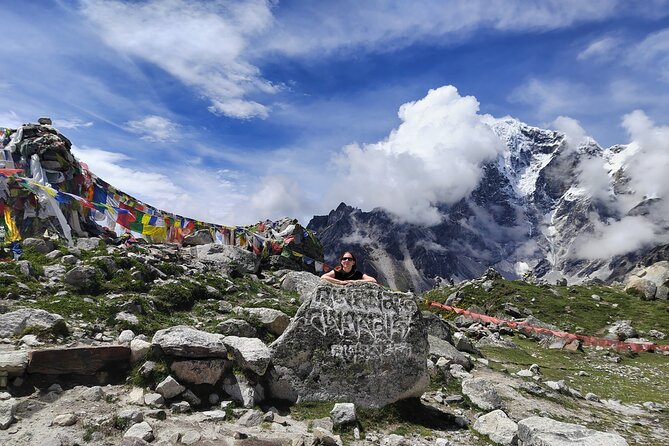
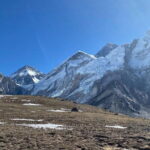
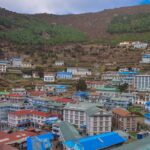
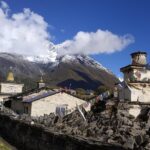
You’re set up to spend time exploring Sherpa traditional villages with Buddhist culture and customs. Along the way, the plan also includes visiting old heritages and interesting monasteries, with high peaks as a backdrop. As the route progresses, you move through alpine areas described as having rhododendrons and pine forests, then you reach the stark, barren feeling of the Khumbu icefall glaciers.
The big value here is balance: mountain views get their moment, but so does the human side of the Khumbu region. That’s also why the trip earns strong recommendations—people aren’t just remembering the endpoint. They’re remembering the way the journey unfolded, day by day, with warm lodge nights and a guide team that knows how to keep things running smoothly.
Sherpa Villages and Buddhist Monasteries: More Than a Photo Stop
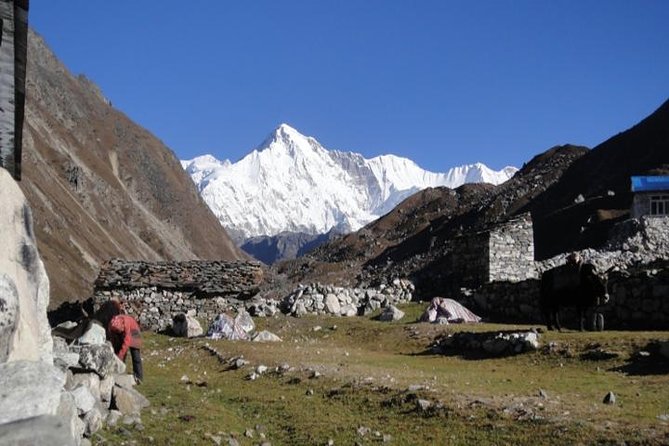
If you’re the type who likes to understand a place instead of just pass through it, this part of the trek is for you. The itinerary calls out Sherpa traditional villages and Buddhist culture and customs, plus stops at old heritages and monasteries.
In practical terms, these visits help you recognize that Everest is not only a natural landmark. It’s also a lived-in region with long-established traditions. You’ll get a chance to see how Buddhism shows up in everyday life—temples, monastery visits, and cultural context that make the scenery feel grounded instead of floating.
From the way guides and porters are credited in reviews, the cultural side also seems to come with real explanation, not just directions. Names like Buddha Tamang, Lakpa, and Pasang appear in praise for guiding and care. That tends to matter on a trek: when someone can answer your questions and connect what you’re seeing to local meaning, you feel less like you’re rushing and more like you’re actually traveling.
Possible drawback to keep in mind: cultural stops can slow your day a bit compared with purely “walk, walk, walk” itineraries. If you hate lingering, this might feel like a lot. If you like learning and noticing details, it’s one of the strongest parts of the experience.
Rhododendron Pines to Icefall Glaciers: Why the Scenery Changes the Mood
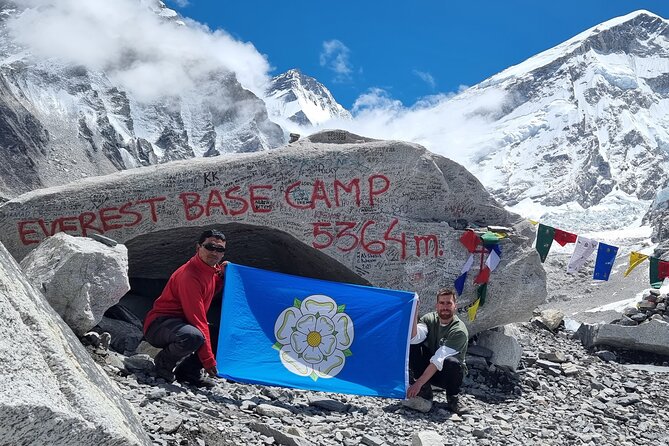
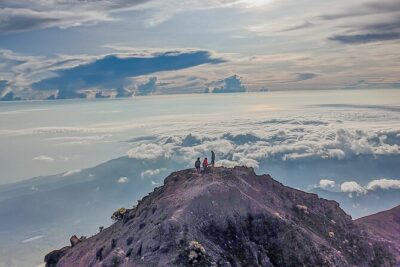
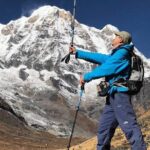
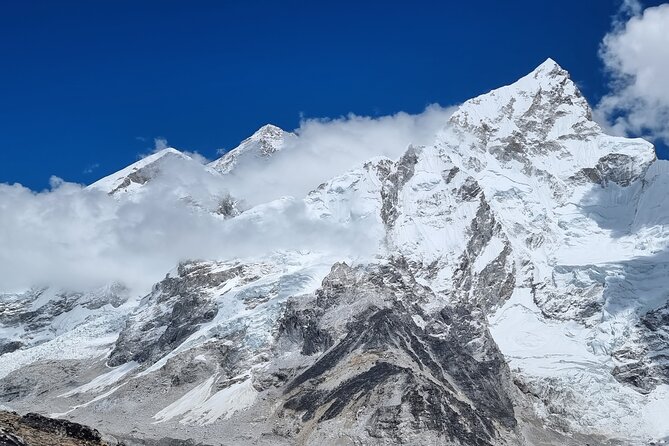
One of the most memorable parts of any Everest trek is that the view doesn’t look the same twice. Here, the route is described in distinct visual terms: alpine rhododendrons and pine forests in one stretch, then barren Khumbu icefall glaciers when the mountain zones tighten.
That “soft to stark” shift does something to your brain. Forest and flower zones feel more forgiving, and your body has an easier time working through the day. Then the icefall areas hit with a completely different energy—more dramatic, more exposed, and (in a good way) more unforgettable.
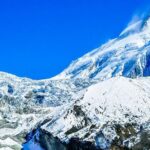
Even if you’ve seen Everest photos before, icefall scenery has a specific feel. It’s not just pretty peaks. It’s glacier geometry and raw scale, the kind of sight that makes the trek feel real and earned.
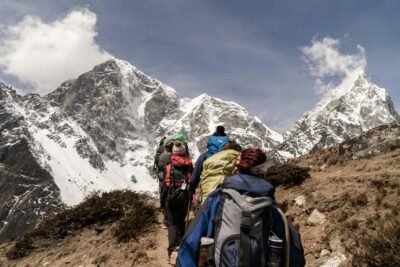
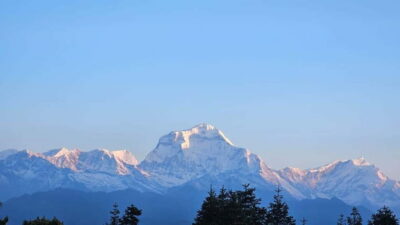
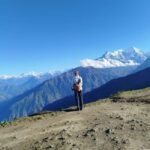
You’ll also get panoramic views of high mountains, and that’s a big deal on a long trek. Views aren’t only entertainment—they’re also a pacing tool. When you can look up and actually see the climb you’re working toward, it’s easier to keep going.
Lodges, Meals, and Provided Gear: Comfort That Helps You Keep Moving
Trekking at altitude is hard on the body, and it’s also hard on your routines. That’s why the “small comforts” listed here matter: clean scenic lodges with warm nights, plus included meals throughout.
The trip includes:
- Breakfast
- Lunch
- Dinner
- Warm lodge sleeping setup (with the key gear listed below)
It also includes a sleeping bag and a duffel bag. That’s practical value because gear costs add up when you’re traveling internationally. If you don’t already own trekking sleep gear that works for colder conditions, you’ll appreciate having it handled as part of the package.
A note on expectations: the term clean and scenic lodges suggests better basic conditions than the most rugged trekking stories. Still, you’re in the Himalaya. Your best move is to pack for the reality that mountain nights can be chilly and not every lodge will feel like a hotel. The comfort here is warm and functional, not fancy.
What about food? Reviews repeatedly mention food and locations as good, and that aligns with the meal inclusion. When you don’t have to constantly think about where to eat, your energy goes into the trek, not the logistics.
Your Crew: Guides and Porters Who Make the Trip Feel Safe
This trekking style stands or falls on your people. The experience provider’s reputation shows up again and again in the names credited in reviews.
Guides named include:
- Lakpa
- Pasang
- Buddha Tamang
- Gumbo
Porters named include:
- Neema
- Kumar
- plus additional porter support in the same spirit
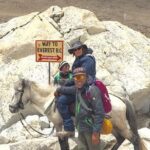
What people seem to love is not just technical guiding—it’s care and attention. One review specifically highlights how physical condition and altitude adaptation were monitored with care. That’s exactly what you want on Everest-area terrain: someone who pays attention to how you’re doing, not just how far you’ve walked.
Another strong theme: communication and flexibility. Reviews mention good logistical communication ahead of time (with Ram named) and a willingness to meet people later at night in Kathmandu to prep when flights got delayed. That’s a real-world skill. Mountains don’t care about airline schedules, so you want a team that can handle the gap between your plan and the actual day.
The private-tour setup also helps. In a private group, your guide can keep the pace aligned with your needs, and porters can support your load without the distraction of managing a big mixed group.
Fitness Level: Who This Trek Fits Best
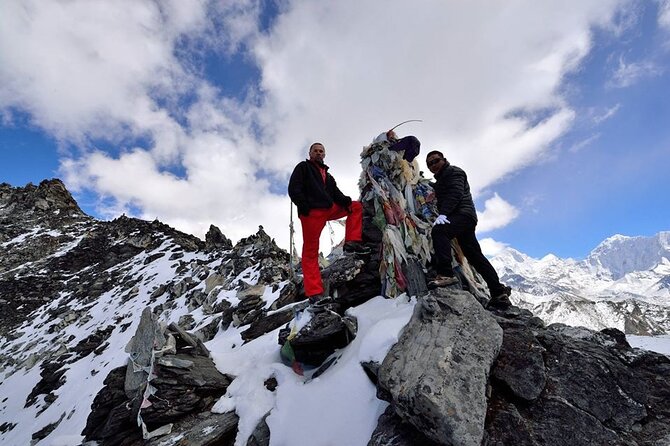
The tour listing asks for a moderate physical fitness level. That’s a helpful starting point, but don’t interpret moderate as easy. Everest-area trekking is still demanding because of altitude, sustained walking, and long days.
The good news is the crew attention described in reviews. People specifically mention feeling safe and well looked after, with attention paid to adaptation to altitude. When the team is tuned into that, it improves your odds of trekking with steady energy instead of forcing it.
Who this trek is best for:
- You want a classic Everest Base Camp experience without turning it into a solo slog.
- You’re comfortable walking and you have a general training base.
- You value cultural time in Sherpa villages and monastery visits.
- You like clean lodge nights and included meals so your mental energy stays on the trek.
If you’re coming in with low fitness, this can still be possible, but you should take it seriously. Plan to build stamina before you go and talk to a medical professional about high-altitude travel if you have any concerns.
Price and Value: The Real Math Behind $2,400
The price is listed as $2,400.00 per person for this 15-day Everest Base Camp trek, with features including pickup offered.
Here’s what the package includes, which affects value:
- All fees and taxes
- All meals: breakfast, lunch, dinner
- Sleeping bag and duffel bag
- Pickup offered (as a listed feature)
So you’re not paying separately for the core trek essentials and some of the biggest “hidden” categories like taxes and guiding fees. For a destination like Nepal, that matters.
What’s not included (and can add up):
- Nepal visa
- Travel insurance
- Tips for guide and porter
- Alcoholic beverages
- Soda/pop
- Snacks
If you’re comparing against cheaper packages, double-check what’s missing. A lower price that leaves out guide/porter structure or core meals can cost you more in practice. On this trip, the included meals and trekking sleep gear remove several day-to-day decisions that wear you out on a long route.
My advice: treat $2,400 as the trekking backbone price. Then budget separately for visa/insurance and the extra on-the-side items you personally want.
Weather, Rescheduling, and the Himalayan Reality
The listing is clear that this experience requires good weather. If it gets canceled due to poor weather, you’ll be offered a different date or receive a full refund.
There’s also a minimum traveler requirement, meaning the trek could be canceled if the group size doesn’t meet that threshold, again with the offer of a different date or a full refund.
One more practical point: start time is listed as 6:15am, so you’ll want to be mentally prepared for early mornings and to keep a flexible attitude. In mountain areas, plans can shift. The best tours aren’t the ones that never change; they’re the ones that communicate quickly and keep things moving.
Booking Smart: Questions That Save Time and Stress
Because this trek is private and includes a guide and porter team, it’s worth asking a few direct questions before you pay final balance. Based on what’s listed and what gets praised, I’d focus on:
- What’s included in your packing kit: the sleeping bag and duffel bag are provided, so ask what else you need to bring.
- How pickup will work for your hotel location in Kathmandu.
- How the team handles delays and late arrivals in Kathmandu (the experience has shown flexibility when flights are delayed).
- Who your guide and porters will be assigned to, since names like Lakpa, Pasang, and Buddha Tamang show up in strong feedback.
- What you should plan for extra spend: visa, insurance, tips, alcohol, soda/pop, and snacks.
Also keep an eye out for confirmation. The listing says you’ll get confirmation at booking time.
Should You Book This Everest Base Camp Trek?
Book it if you want an Everest Base Camp trek that treats the mountain as more than a checklist. I’d pick this style of trip if you care about Sherpa villages, Buddhist monastery visits, clean lodge nights, and guidance that keeps altitude and pacing in mind.
Skip it or at least re-think the plan if you hate budget surprises. The big extras are clearly listed—visa, insurance, tips, and on-the-side items like alcohol and snacks—so it’s not a mystery, just a reality.
Finally, look at who you’re trusting. Reviews repeatedly credit specific guides and porters, and that tells you this company puts people at the center, not just paperwork. If you want a crew that helps you feel safe and supported, this kind of setup is usually the difference between a hard trek and a life-changing one.
FAQ
How long is the Everest Base Camp trek?
The trek is listed as 15 days (approx.).
Where does the trek start in Kathmandu?
The meeting point is Sherpa Expedition And Trekking, Chaksibari Marg, Kathmandu 44600, Nepal.
What time does the trek start?
The start time is listed as 6:15am.
Is pickup included?
Pickup is offered as a feature of the tour.
Is this a private tour?
Yes. It’s listed as a private tour/activity, so only your group will participate.
What fitness level is required?
Travelers should have a moderate physical fitness level.
What’s included in the price?
Included items listed are breakfast, lunch, dinner, sleeping bag, duffel bag, and all fees and taxes.
What’s not included?
Not included: Nepal visa, insurance, tips for guide/porter, alcoholic beverages, soda/pop, and snacks.
If you want, share your travel month and fitness level
I can help you sanity-check whether this 15-day format fits your timeline and what to budget for your specific trip style.