REVIEW · KATHMANDU
Everest Base Camp Trek
Book on Viator →Operated by Glorious Himalaya Trekking Pvt. Ltd. · Bookable on Viator
Everest Base Camp hits fast. What makes this trip work is the way it handles the hard parts—altitude planning and day-to-day logistics—without turning it into a mess.
I also like the human side: you’re trekking with a trained local guide (and often a helpful team of porters) and you get real support from the first Kathmandu pickup to the last flight home. One thing to keep in mind: this is still serious hiking at altitude, and the plan requires a moderate fitness level plus long walk days.
In This Review
- Quick hits: what you’ll notice most
- Kathmandu first: you get set up, not left guessing
- The Lukla jump-off: first flight, then Phakding’s rhythm
- Namche Bazaar acclimatization: the altitude lesson, done the practical way
- Tengboche to Pangboche: monasteries and the steady climb
- Dingboche: the optional Chhukung hike that earns its keep
- Lobuche, Pheriche, and the Chukpo Lari memorial stop
- Gorakhshep and Everest Base Camp: two different kinds of effort
- The descent back: Namche, Lukla, and that last long day on feet
- Price and logistics: what $1,600 buys you (and what it doesn’t)
- Guide support and safety: the “small stuff” that keeps the trip working
- Where this trek fits best (and who might struggle)
- Should you book Glorious Himalaya for Everest Base Camp?
- FAQ
- How long is the Everest Base Camp trek?
- What’s included in the trek price?
- Is a porter included?
- Do I get help with permits and fees?
- Will I have a guide the whole time?
- If I want to use a drone, what do I need?
- FAQ
- Can I cancel for a full refund?
- Is there a farewell dinner?
Quick hits: what you’ll notice most
- Private transfers in Kathmandu: airport pickup and hotel drop keep your first day low-stress.
- Lukla flight + valley trekking: you’ll start with an early flight and then hit suspension bridges and forest trails.
- Acclimatization with movement: rest days in Namche and Dingboche are meant to keep you active, not just lounge.
- Base Camp day is long: plan for an around-8-hour push to Gorakhshep and onward options for Kalapathar.
- Safety gear on hand: a first aid kit includes an oxi-meter to measure pulse.
- Porter is optional: porter service can be added at extra cost.
Kathmandu first: you get set up, not left guessing
Your journey begins in Kathmandu with an office representative meeting you at the airport and transferring you to your hotel. You’ll have two nights in Kathmandu with a buffet breakfast, plus the basics covered so you can focus on sleeping, eating, and getting your gear in order.
This matters more than you think. Everest treks have a lot of “moving parts” (domestic flights, early starts, permits, and schedules). When those first steps are handled, you won’t waste your energy on logistics—exactly what you want before you start climbing in thin air.
In the evening on your return, the trip includes a farewell dinner together. It’s a nice reset after the long walking days—one last chance to compare notes while your legs recover.
You can also read our reviews of more tours and experiences in Kathmandu.
The Lukla jump-off: first flight, then Phakding’s rhythm
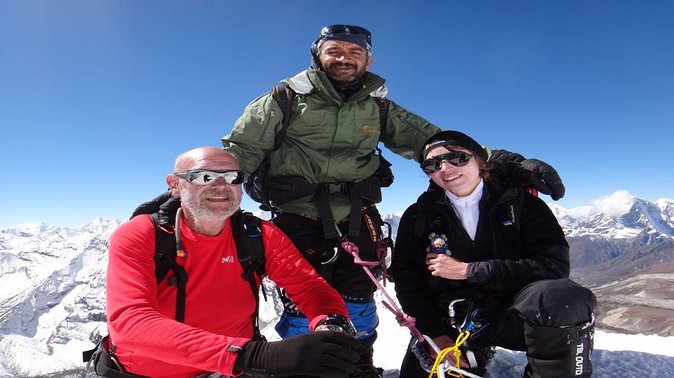
After an early morning flight to Lukla, you meet the rest of your trekking team, including porters, and then start with a short trek to Phakding. The flight is described as an adventure in itself, with aerial views over valleys, rivers, and the Himalayan range.
Once you’re on foot, the walking quickly feels “real.” You’ll descend to Chheplung and pass mani walls, then cross several suspension bridges while moving through dense forest. It’s not just pretty scenery—bridges and changing trail conditions are part of what you’ll need to manage across the whole trip.
Expect a local guesthouse night here. That gives you the classic EBC feel: simpler rooms, less comfort than a city hotel, and more time spent sharing meals and trail talk with your team.
Namche Bazaar acclimatization: the altitude lesson, done the practical way
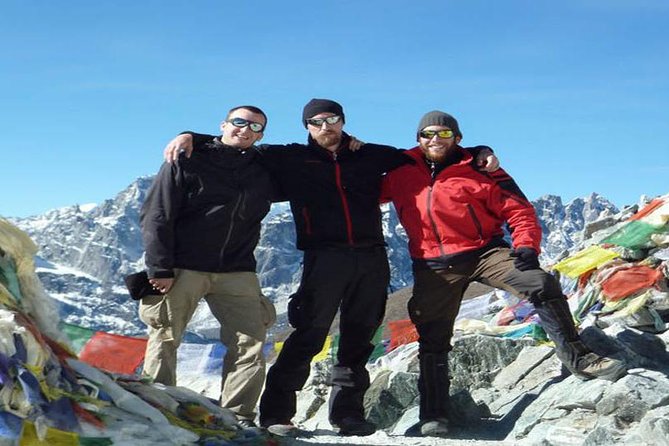
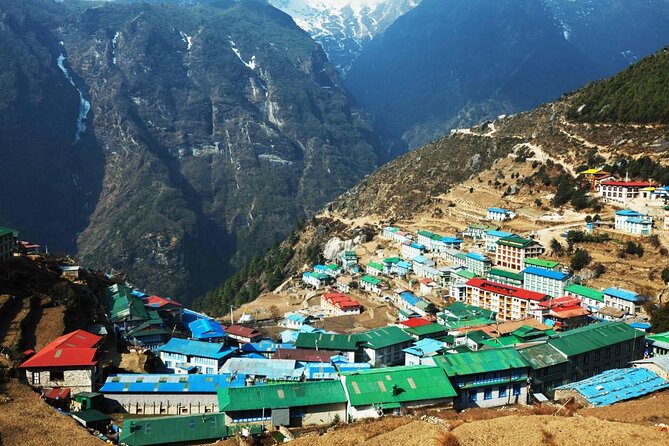
Then you climb into Namche Bazaar, the hub of the Everest region. On the way, you’ll cross a Hilary bridge and walk along the riverbank through the mix of villages and prayer-wheel moments that make this route feel distinct.
On your next day, you’ll rest in Namche for acclimatization. But this isn’t a full “do nothing” day. The trip’s guidance is clear: stay mobile and do short vertical treks rather than sitting in your lodge all day. If you want to explore, Namche offers plenty—lodges, tea shops, souvenir shops, ATMs, money exchangers, internet cafes, and restaurants.
This is one of the smartest parts of the whole plan. At high altitude, “rest” is not truly rest. Getting your body used to climbing without pushing too hard is the difference between feeling steady later and feeling wrecked when you should be strong.
Tengboche to Pangboche: monasteries and the steady climb
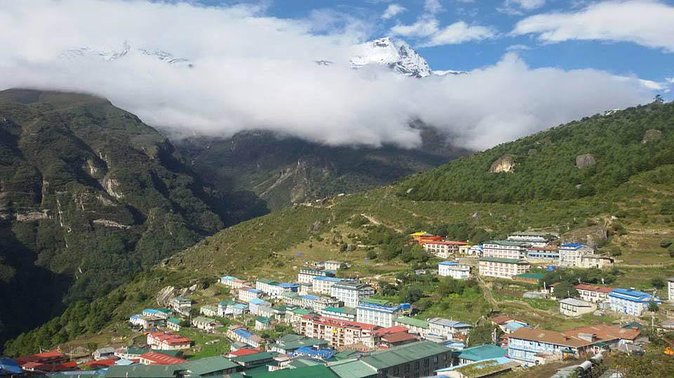
From Namche, you head toward Tengboche. The walking is described as moderate, with ups and downs and a string of increasingly dramatic mountain views—Everest, Lhotse, Nuptse, and Ama Dablam can appear depending on weather.
Tengboche is also about culture. You’ll pass through forests and river sections, and you can encounter wildlife like musk deer or Himalayan thar (as conditions allow). There’s time to visit monasteries too, which helps break up the day so it doesn’t feel like constant uphill effort.
From there, you move into the Imja Valley area, walking higher through forests with improving views, then hike up toward Pangboche (3,985m). Pangboche’s monastery dates from when Buddhism was introduced into the Khumbu region, so it’s a meaningful stop beyond the postcard.
You then reach Dingboche (4,410m) for the night. This stretch is where you start feeling the altitude more clearly. The good news: your schedule includes more time to adapt.
Dingboche: the optional Chhukung hike that earns its keep
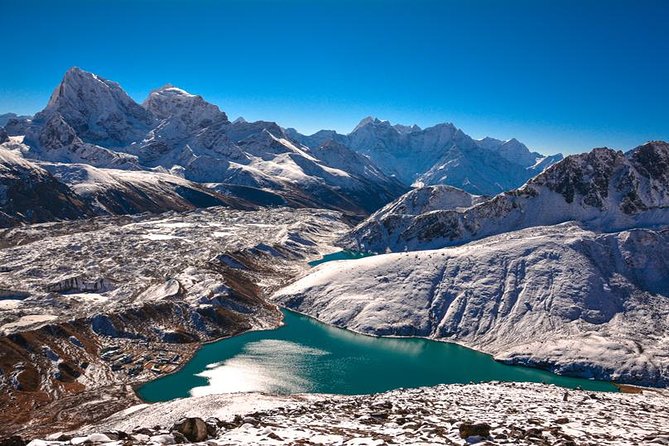
Dingboche gets another acclimatization day. Like Namche, it’s not just a pause; it’s a chance to help your body adjust. The trip includes an optional hike to Chhukung, starting around 8:30 after breakfast.
This climb is described as not too difficult, and it’s mainly for the views—especially Ama Dablam. The route is quick enough to return to Dingboche the same day, but you might get strong winds on the way back.
If you like hiking and you’re feeling okay that morning, this is a good “try it, don’t overdo it” day. If you’re feeling tired, skip it and focus on gentle walking. The trip’s design supports either choice.
Lobuche, Pheriche, and the Chukpo Lari memorial stop
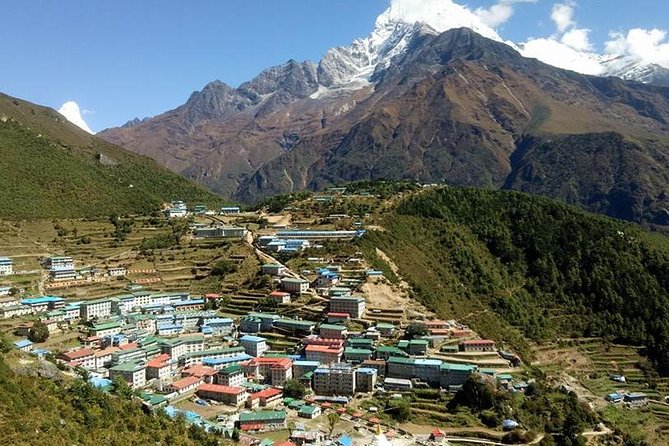
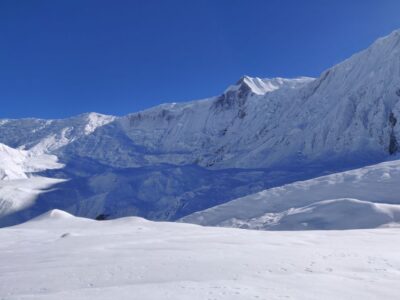
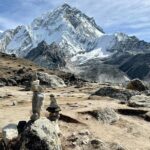
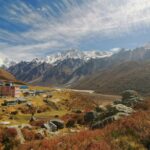
From Dingboche, you head toward Lobuche, one of the most awe-heavy sections of the trek. The scenery becomes bigger and harsher, with snow-capped peaks towering over tiny villages.
You’ll pass the Trekkers Aid Post at Pheriche (4240m), described as volunteered by western doctors. Then you climb to Chukpo Lari after a short and steep push. This spot includes memorials honoring climbers who died during Everest expeditions. It’s not a “tourist photo stop.” It’s a moment to respect the reality behind the mountain’s fame.
This day is beautiful, but it also asks for steady pacing. Keep your effort controlled, drink regularly, and don’t treat the altitude like it’s a normal hiking problem.
Gorakhshep and Everest Base Camp: two different kinds of effort
The Base Camp approach is one of the biggest days in the plan. On the day you reach Everest Base Camp, you’ll walk for about 8 hours, starting over rocky paths with glacial ponds and icebergs. You climb through meadows and moraine stone steps, then reach Gorakhshep.
From Gorakhshep you can either climb to Kalapathar (noted around 5,555m) or continue to Everest Base Camp first, depending on how you’re feeling. After time at base camp, you return to Gorakhshep for the night.
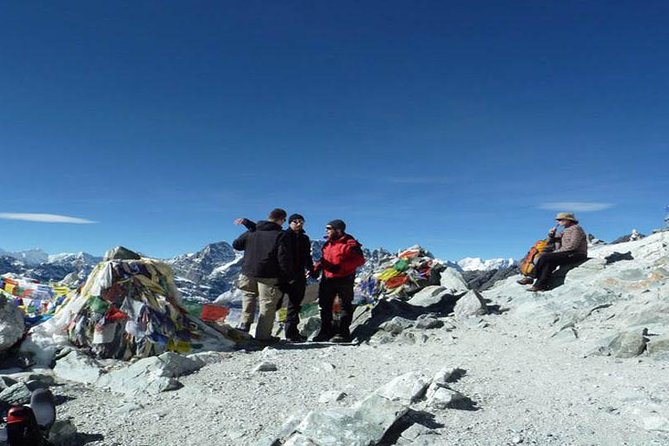
Then comes the day built around payback: early morning ascent toward Kala Patthar. You’re told it’s strenuous, but the reward is a view that goes well beyond what you expected—prayer flags, cairns, and a summit area with a small stupa and weather station.
This is also where your eyes will “connect the dots” for the whole region—Pumori, Nuptse, Changtse, Ama Dablam, Taweche, Everest, and Kantega are all named as part of the panoramic views (weather permitting).
And yes, it’s cold up there. But you’ll also understand why so many people choose this trek as their one big mountain moment.
The descent back: Namche, Lukla, and that last long day on feet
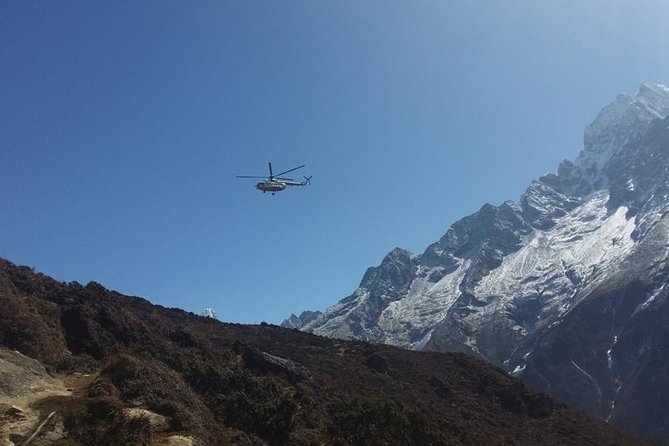
After Kalapathar, you return for breakfast at Gorekshep, then descend to Pheriche for rest. The next main movement is down toward Namche Bazaar. The schedule follows valleys and pasturelands, dropping to lower altitude where breathing gets easier and temperatures rise.
You continue back through Tengboche and Monjo valley, and the trip notes rhododendrons and juniper trees along with possible wildlife sightings. That all matters because it breaks up what could be “same trail, same thoughts” trekking.
Finally you walk to Lukla, following Sherpa villages and suspension bridges again, then pass forests and small settlements along the banks of Dudh Koshi River. You can explore Lukla Bazaar and celebrate with your crew once you arrive.
The last day always feels a little surreal—your body is exhausted, but your brain is still buzzing from the mountain. This is where a good guide really helps keep you calm and moving without pushing too hard.
Price and logistics: what $1,600 buys you (and what it doesn’t)
At $1,600 per person for about 14 days, you’re paying for a package that covers the “hard-to-arrange” parts of EBC trekking:
- Round-trip domestic flights (as part of the trek plan)
- Trekking permits and entrance fees
- Best-available twin-sharing local lodge accommodation during the trek
- Three meals a day during trekking (breakfast, lunch, dinner)
- A small morale boost: seasonal fruits each evening as dessert
- A Kathmandu setup with 2 nights hotel plus buffet breakfast
- Airport pick-up and drop-offs by private vehicle
- A guide who is professional and government certified
Not included: your Nepal entry visa and international flights, plus porter service if you want one (extra cost). So the real value question is this: do you want someone to manage the permits, guides, food timing, lodge planning, and flight schedule? If yes, the package price starts to look fair fast.
If you’re the kind of traveler who likes controlling every detail yourself, this kind of guided, scheduled trek may feel restrictive. But for most people, it’s exactly the point—EBC is hard enough without turning planning into a second job.
Guide support and safety: the “small stuff” that keeps the trip working
This trip is described as fully guided, with a trained local guide throughout. In practical terms, that means you’re not guessing route decisions, adjusting plans when altitude hits, or figuring out what to do when you’re tired.
The support doesn’t stop at directions. The package includes first aid medical kits and an oxi-meter to measure your pulse during the trek. That’s an important detail. Altitude treks are about recognizing early warning signs and managing effort, not just powering through.
From past feedback included in the materials, the standout theme is consistency: guides and the team are described as attentive and helpful from the first transfer to the end of the walk. Names that come up include Ganesh, Keshab, Krishna, and Prakash Gurung, with porters like Prakash also mentioned for being supportive and patient.
Where this trek fits best (and who might struggle)
You’re told the trek is for travelers with moderate physical fitness. Translation: you should be comfortable hiking for hours while carrying a daypack, and you should be willing to take acclimatization seriously.
This is a great choice if you want:
- a guided EBC experience with permits handled
- an itinerary that includes acclimatization days in Namche and Dingboche
- local lodges and real mountain routine, not “comfort only” trekking
It may be a tough fit if you:
- don’t want long walking days (the plan includes around 8 hours on the way to base camp)
- have a strong preference for private, high-comfort accommodation
- want porter help without paying extra (porter is not included)
Should you book Glorious Himalaya for Everest Base Camp?
If you want Everest Base Camp without turning your trip into a project, I’d say this is a smart match. You get a clear structure: flights, permits, lodge plan, meals, and a guide team built around supporting you through altitude.
Book this tour if you’re excited by the classic EBC experience—guesthouses, suspension bridges, monastery stops, and the big reward day(s) around Kalapathar and Everest Base Camp.
Hold off if you’re expecting a cushy vacation. This trek is physical. Even with strong guidance, you’ll still feel the mountain.
FAQ
How long is the Everest Base Camp trek?
The trek lasts about 14 days.
What’s included in the trek price?
The price includes Kathmandu airport pick-up and drop-offs, two hotel nights in Kathmandu with buffet breakfast, round-trip domestic flights, trekking permits and entrance fees, twin-sharing local lodges, three meals a day during the trek, seasonal fruit as dessert each evening, a guide, medical kits with an oxi-meter, plus a duffel bag and sleeping bags if needed.
Is a porter included?
Porter service is not included. You can arrange a porter for an extra cost.
Do I get help with permits and fees?
Yes. Essential trekking permits and entrance fees are included.
Will I have a guide the whole time?
Yes. The trek is fully guided, with a professional and government certified trekking guide throughout.
If I want to use a drone, what do I need?
You must obtain special permits for drones if you want to use them inside Sagarmatha National Park.
FAQ
Can I cancel for a full refund?
Yes, you can cancel up to 24 hours in advance for a full refund. If you cancel less than 24 hours before, you won’t receive a refund.
Is there a farewell dinner?
Yes, you have a farewell dinner together on your final evening in Kathmandu after the trek.