REVIEW · KATHMANDU
Everest Base Camp Trek
Book on Viator →Operated by Nepal Hiking Adventure Company - Private Day Tours · Bookable on Viator
Everest Base Camp starts with a flight. This 14-day trek links Kathmandu, a dramatic jump to Lukla, and a steady climb through the Khumbu region, with acclimatization built in at the right time. I like the way your route pauses for altitude at Namche Bazaar, and I also like that the itinerary schedules Kala Patthar for the classic dawn-style mountain views you hear about.
Here’s the key human detail: the team behind Nepal Hiking Adventure Company is the kind of operation where guides and porter support show up repeatedly in real feedback, including names like Ram and Prakash for leading, and Amer for porter assistance. That support matters when the trail gets quiet and steep.
The main drawback to plan for is simple: Lukla flights are weather-dependent, so delays and reroutes can happen. Your itinerary even mentions flying via Ramechhap during busy periods, which is a good sign you’re not pretending the logistics are perfect.
In This Review
- Key Highlights You’ll Feel on the Trail
- The Route in Real Life: Altitude, Pace, and Common Sense
- Kathmandu Arrival: Thamel, a Pre-Trek Meeting, and Easy First Steps
- Lukla Flight Day: The Start of the Everest Adventure
- Phakding to Monjo and Namche Bazaar: Entry to the Khumbu World
- Namche Acclimatization Day: Everest View Point and Sherpa Museum Time
- Tengboche: Big Peaks on the Way Up
- Dingboche and Deboche: Rhododendron Country and a Breathing Pause
- Dingboche to Lobuche: Memorials, Moraine Trails, and Everest Gravity
- Everest Base Camp Day: Icefall Views and the Real Endgame Feeling
- Gorak Shep to Kala Patthar: Highest Viewpoint Work for Real Sunrise
- Descent via Pangboche and Back Toward Lukla
- Flight Back: Kathmandu or Ramechhap and One More Logistics Check
- Price and Value: What $1,300 Buys You (and What It Won’t)
- Guides, Porters, and Group Size: The Difference Between Trek and Trip
- Day-by-Day: What to Watch For at Each Stop
- What to Pack and How to Manage Yourself Up There
- Who This Trek Is Best For
- Should You Book This 14-Day Everest Base Camp Trek?
- FAQ
- Is airport pickup and drop-off included?
- How long is the trek?
- What flights are included?
- How many people are in the group?
- Where do you stay in Kathmandu?
- Are meals included during the trek?
- Do you have an acclimatization day?
- What is the highest point on the trek?
- Does the itinerary include Everest Base Camp and the icefall area?
- What if weather causes cancellations?
Key Highlights You’ll Feel on the Trail
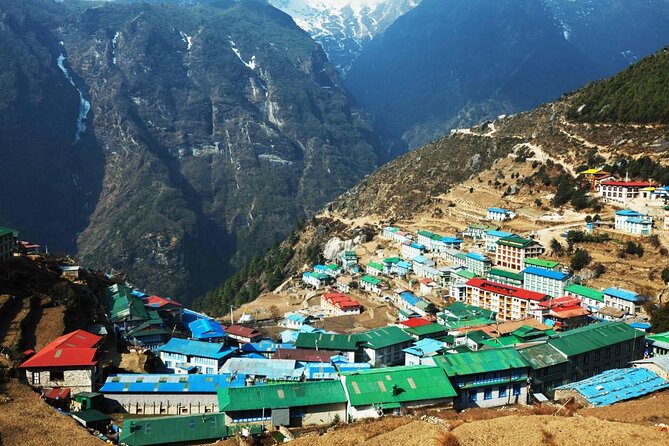
- Namche acclimatization day at 3,440m so your body has time to adjust before you climb higher
- Everest View Point and Sherpa Museum time to pair big views with real local context
- Tengboche and Deboche area monasteries for that calm spiritual pause between steep days
- Base Camp plus Khumbu Icefall viewing on the approach day
- Kala Patthar at 5,550m for the highest-point viewpoint and early-morning mountain drama
- Max group size of 8 for a trek that’s organized without feeling crowded
The Route in Real Life: Altitude, Pace, and Common Sense
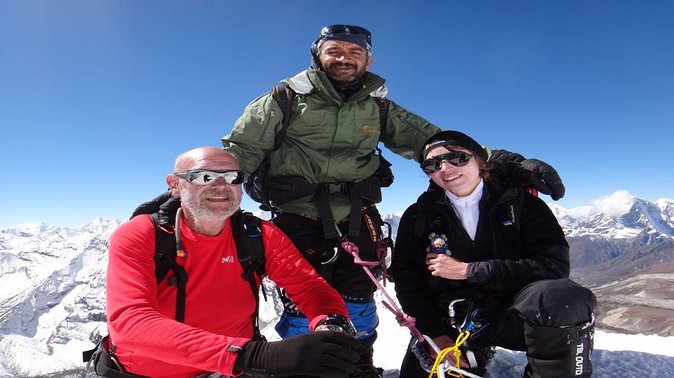
A trek to Everest Base Camp in 14 days is a serious commitment, but it’s also one of the more doable versions if you show up fit and don’t race the altitude. The itinerary is built around a very practical idea: climb, rest, climb again. You’ll feel it in the way the schedule slows down at key points like Namche Bazaar and gives you a calmer day around Dingboche.
What makes this plan stand out is that it doesn’t treat the high country like a straight line. You’ll cross through traditional Sherpa villages, pass memorial spots tied to Everest history, and spend enough time near major viewpoints that you’re not sprinting from one photo opportunity to the next. That’s how you keep the trek meaningful instead of just exhausting.
If you’re the type who gets nervous about the climb, this is also where having a steady guide matters. Multiple feedback snippets name guides who focus on keeping people calm and supported when the mind starts overthinking. That’s not a luxury on this route. It’s part of why the experience works.
You can also read our reviews of more tours and experiences in Kathmandu.
Kathmandu Arrival: Thamel, a Pre-Trek Meeting, and Easy First Steps
Day 1 is Kathmandu, right near Thamel, with airport pickup and a short drive to your hotel. That matters more than it sounds. Kathmandu traffic can be intense, and you’ll be thankful not to wrestle with directions after a long flight.
You also get a pre-trip meeting with the team. This is where you can get your bearings fast: how the trek days will flow, what to expect with flights, and how the guides want you to pace yourself. The itinerary also includes a formal session at arrival time, which is helpful because it reduces last-minute uncertainty.
You’ll stay two nights in Kathmandu total, on a bed-and-breakfast plan. That’s a practical setup because it gives you a comfortable base before the big jump to Lukla, and then again when you return.
Lukla Flight Day: The Start of the Everest Adventure
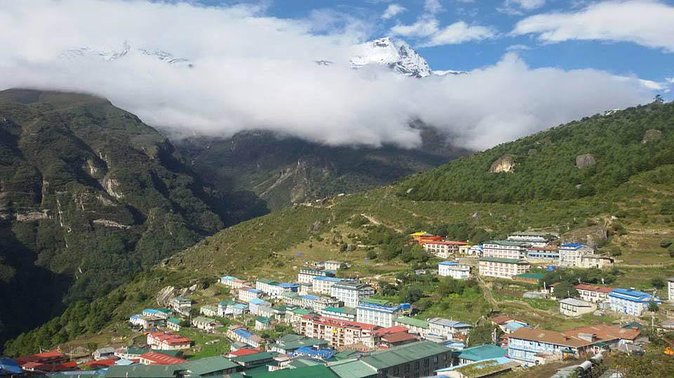
On day 2, you fly from Kathmandu (or Ramechap) to Lukla. The plan calls the flight around 40 minutes, but the tone is real: it depends on weather and local conditions, and delays can happen. The itinerary even flags Lukla as a high-stakes airport, so go in with calm expectations.
Once you land, you head toward Phakding with a short walk to the northwest of the village. This is your “body warm-up” day. You’re not yet testing your lungs at altitude the hard way, but you are getting used to the rhythm of trekking—uneven ground, quick turns, and the constant work of staying steady.
One thing I like here: after the flight stress (if there is any), you get a gentle first day. That reduces the chance you start the trek already depleted.
Phakding to Monjo and Namche Bazaar: Entry to the Khumbu World
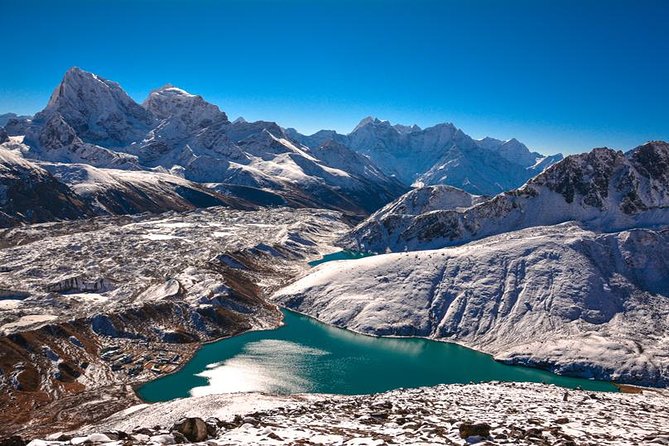
Day 3 is the shift toward Namche Bazaar, after breakfast and crossing suspension bridges into the Monjo area. It’s a good day for two reasons.
First, you’ll feel how quickly the trail changes from valley trekking into more classic Everest-region terrain. Second, you start building context: Sherpa communities, trail culture, and the sense that you’re entering a place shaped by mountains and mountaineering.
Then you arrive at Namche Bazaar, the region’s cultural hub and an obvious place to do more than just pass through. This is also the last time you’ll get to settle in before your altitude rises enough to change how you breathe and sleep.
Namche Acclimatization Day: Everest View Point and Sherpa Museum Time
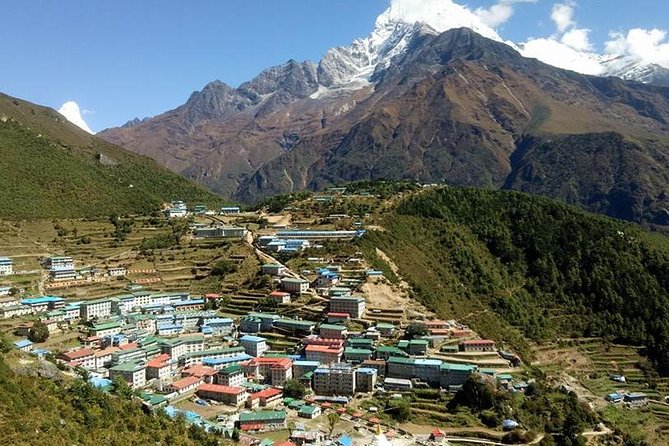
Day 4 is an acclimatization day in Namche Bazaar at 3,440m. This is a big deal. I’d rather you slow down here than suffer later. The itinerary gives you time to adjust, not just to rest.
You’ll likely do Everest View Point time and then pair it with visits like the Sherpa Museum. I really like this combo because it turns the trek from a “mountain only” adventure into a “mountain plus people” experience. You get cultural context for why this area matters and how Sherpas connect their lives to the high peaks.
There’s also a mention of Hotel Everest View in the route highlights. Even if you don’t treat it like a destination stop, this is the kind of place you’d normally want to look toward when you’re doing viewpoint time around Namche.
Possible drawback on this day: it’s still a high-altitude town. If you’re prone to feeling restless, you’ll need to resist the urge to over-walk. Let the acclimatization do its job.
Tengboche: Big Peaks on the Way Up
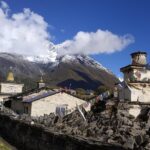
Day 5 moves you from the community into a higher path above the Dudh Koshi toward Tengboche. The schedule is paced as a 5-hour trekking day, with mountain views along the way: Everest, Nuptse, Lhotse, Thamserku, and Kwangde.
The value here is not just the views (though you’ll get those). It’s the way the route positions you for the Tengboche area, which often becomes one of the emotional peaks of the entire journey. You’re climbing, yes, but you’re also earning those wider mountain frames.
You’ll end at Tengboche, and this is where the itinerary highlights Tengboche Monastery. It’s described as a serene pause, which is exactly what you want after a day’s effort. Even if you’re not religious, that quiet can reset your brain for what comes next.
Dingboche and Deboche: Rhododendron Country and a Breathing Pause
Day 6 heads to Dingboche, with an itinerary route that passes through rhododendron forests and meadows and includes Deboche plus a Buddhist nunnery visit. It’s an interesting shift: you get a change in scenery and mood while still climbing.
This is also where the body starts asking harder questions. Even if your lungs feel okay on day 5, day 6 can be the point where you realize you can’t treat altitude like normal hiking. The itinerary timing suggests you’re walking steadily, not sprinting.
Day 7 is then a “day off” style rest in Dingboche. You can take an extra walk if you want, but the plan gives you permission to recover. I like this approach because it reduces the risk that you turn a dream trek into a grind.
And here’s what I’d watch for: if you feel tempted to do extra miles just because you’re feeling okay, consider saving that energy for the push to Lobuche and toward the icefall area.
Dingboche to Lobuche: Memorials, Moraine Trails, and Everest Gravity
Day 8 moves you to Lobuche. This day includes the Dughla village area and passes several memorials for Sherpas who lost their lives on Everest. That alone changes the tone of the hike. You’re not just doing scenery—you’re walking through a place with earned meaning.
You’ll also enjoy views that connect to famous viewpoints like Kalar Pattar and Pumori. And the route follows near the Khumbu Glacier Moraine, which helps you understand the terrain you’ll face at Base Camp.
A possible consideration here is emotional, not physical: after the memorial stretch, it can feel intense. If you’re a sensitive person, don’t rush yourself. Take breaks. Let it land.
Everest Base Camp Day: Icefall Views and the Real Endgame Feeling
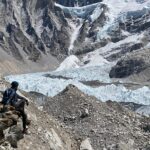
Day 9 is your Base Camp day. After lunch, you continue toward the Khumbu Icefall and Everest Base Camp, trekking across stony dunes, moraines, and streams.
This is often the day people remember most—not because it’s the hardest, but because it’s the moment you stop talking about Everest and you start standing in its orbit. The itinerary includes touring Base Camp and the glacier area, so you’re not just passing through.
What you’ll likely feel: a strange mix of awe and fatigue. You’ll be high enough that everything feels bigger, but you’re still hiking and concentrating on footing. It’s a good reminder that the “easy part” of the trek is still real trekking.
Then you check into a lodge at Gorak Shep, with a small incline that quickly turns into a steeper ascent. After that, you’ll descend back down toward Gorak Shep and get settled for the next day’s summit-style viewpoint effort.
Gorak Shep to Kala Patthar: Highest Viewpoint Work for Real Sunrise
Day 10 is Kala Patthar at 5,550m. The itinerary schedules time for this climb because it’s one of the best places for early-morning views. You’ll climb up to the viewpoint, then descend back toward Gorak Shep for breakfast and on to Pheriche for the night.
This day is a classic reason people choose the full 14 days: you’re building toward a high point that changes the whole perspective of the trek. Even if you’re not chasing speed or summit bragging rights, reaching Kala Patthar gives you a view that feels like a reward for your patience.
Practical consideration: this is high and cold. Even if your legs are fine, your breathing and fingers may not love it. Keep warm layers ready and don’t underestimate gloves.
Descent via Pangboche and Back Toward Lukla
Day 11 takes you down from the higher zone toward Namche Bazaar, with a stop at Pangboche Monastery. The itinerary notes Pangboche is the oldest monastery in the area, and that it’s open when you arrive (so timing matters).
This is a meaningful day because it flips the story. Instead of pushing higher, you’re relearning the trail while your body starts to breathe easier. You’ll travel via Tangboche and then continue toward Kyanjuma and beyond, eventually ending at Namche Bazaar.
Day 12 continues the descent toward Lukla via a few key points, including routes down to the Hillary suspension bridge and through Sherpa hamlets. The itinerary frames it as a walk through green backdrops with mountain vistas, which is a nice emotional shift after so much gray rock.
Then you reach Lukla and the guide confirms the details for the flight return.
Flight Back: Kathmandu or Ramechhap and One More Logistics Check
Day 13 is flying from Lukla back toward Kathmandu. The itinerary also mentions flying via Ramechhap during busy season because Kathmandu airport traffic can be a factor. In other words, the plan anticipates crowding and adjusts.
Your guide then transports you back to your accommodation, and you’ll have day 14 to handle departure from Tribhuvan International Airport with an included transfer.
The biggest thing to remember here: flights are the wild card. If they’re delayed, it can change how tired you feel at the end. Build in patience and a flexible mindset rather than assuming every hour stays on schedule.
Price and Value: What $1,300 Buys You (and What It Won’t)
At $1,300 for about 14 days, you’re paying for more than a trek. You’re paying for the parts that are hard to self-organize:
- Airport pickup and final drop-off
- Two nights in Kathmandu on bed-and-breakfast (Hotel Kailash Kutee or same category)
- Flights: KTM–Lukla–KTM or Ramechap–Lukla–Ramechap, plus the guide’s flight
- Food: breakfasts (13), lunches (11), dinners (11) during the trek period
- Fees and taxes included
So where does the value show up for you? Mainly in stress reduction. If you try to DIY this, flights and routing can become a headache fast. Here, the plan standardizes the big-ticket logistics and keeps you fed for most trekking days.
What’s not included is equally important: personal expenses and beverages, and tips for the guide/driver. You should also budget for what you’ll want on the trail (water, snacks, warm layers if you forgot something). Alcohol isn’t included, and the itinerary notes it’s only for adults over 18, which is standard for the region.
If you want a “no surprises” experience and you’re comfortable paying for organization, this price sits in a reasonable spot for what’s bundled.
Guides, Porters, and Group Size: The Difference Between Trek and Trip
This program caps at 8 travelers, which is a practical size. It’s small enough that your guide can pay attention without running around like a traffic cop.
You also get real evidence in named feedback about guide styles. People mention Ram’s calm, Prakash’s support, and Amer’s porter help. Even if not every guide feels identical, those patterns suggest the team tends to focus on care: keeping you on pace, managing needs, and helping you feel safe when conditions turn tough.
The itinerary also builds in “human breaks,” like monastery time and acclimatization rests. Those aren’t filler. They’re part of how you keep the trek sustainable.
Day-by-Day: What to Watch For at Each Stop
Here’s the best way to think about the itinerary stops, and what they mean for your body:
- Kathmandu (Day 1): You’re adjusting to time zones and preparing. Use this time to drink water and keep sleep consistent.
- Lukla to Phakding (Day 2): Flight first, then a lighter trek. Don’t overdo it.
- Namche approach (Day 3): Suspension bridges and entry into a hub town. This is where you start noticing altitude effects even before you feel “sick.”
- Namche acclimatization (Day 4): Viewpoint and Sherpa Museum time. Treat it like training, not sightseeing only.
- Tengboche climb (Day 5): Mountain views and monastery calm. Expect a steady effort day.
- Dingboche zone (Day 6–7): Higher terrain plus a true rest day. You’ll thank yourself for the break.
- Lobuche to Base Camp approach (Day 8–9): Memorials and glacier terrain. Watch footing and plan for cold nights.
- Gorak Shep (Day 9): Lodge night after a tough-feeling trail segment. Save energy for Kala Patthar.
- Kala Patthar and back (Day 10): Highest viewpoint push. Layer up and go slow.
- Pangboche and descent (Day 11–12): Monastery visit and returning down. Hydrate even when you’re going downhill.
- Flights (Day 13): Logistics shift with weather or peak-season traffic patterns. Be flexible.
- Departure (Day 14): Airport transfer and free time to connect with other plans.
What to Pack and How to Manage Yourself Up There
You’re trekking in the high Himalaya. That means basic planning matters: warm layers, rain protection, and footwear that works on rocky trails. The itinerary doesn’t list gear items, but the route profile does tell you what you’ll need.
A few practical rules I’d follow:
- Plan for cold early mornings, especially around Kala Patthar timing.
- Treat every steep section like it’s a warm-up for altitude, not a race.
- Keep your schedule simple: eat what’s provided on trek days and use your own snacks only if you know what your stomach handles.
- Don’t save all your questions for the viewpoint day. Ask your guide early when you’re unsure about pace or energy levels.
Also, pace downclimb matters. You’re coming off high altitude, and legs can feel okay while joints complain. Take it slow on descents.
Who This Trek Is Best For
This itinerary is a strong match if you:
- Want a classic Everest Base Camp trek with structured acclimatization
- Prefer small-group organization (max 8)
- Like the idea of learning about Sherpa culture through stops like the Sherpa Museum and Pangboche Monastery
- Are comfortable with the fact that Lukla flights can be affected by weather
It may be less ideal if you hate uncertainty or you need a perfectly predictable schedule hour-by-hour. The trek is scheduled to handle typical patterns, but nature still runs the show.
Should You Book This 14-Day Everest Base Camp Trek?
I’d book it if you want the full Everest Base Camp story in two weeks—flight in, climb with smart rests, Base Camp day, and Kala Patthar as your high point—while keeping the logistics mostly handled for you. The bundled meals, Kathmandu lodging, and included flights make it a practical value for most people who don’t want to gamble on planning.
I’d think twice if you know you’re going to struggle with weather-driven flight changes. This route depends on conditions around Lukla, and the plan itself acknowledges that with rerouting via Ramechhap during peak season.
FAQ
Is airport pickup and drop-off included?
Yes. The trip includes drop and pickup from the airport on arrival and final departure.
How long is the trek?
It’s listed as 14 days (approx.).
What flights are included?
Flights are included for clients as KTM–Lukla–KTM or Ramechap–Lukla–Ramechap, with a drive to Ramechap during peak season. The guide’s flights are also included.
How many people are in the group?
The tour has a maximum of 8 travelers.
Where do you stay in Kathmandu?
You get 2 night accommodation in Kathmandu on a bed-and-breakfast plan (Hotel Kailash Kutee or same categories).
Are meals included during the trek?
Yes. Breakfast (13), lunch (11), and dinner (11) are included.
Do you have an acclimatization day?
Yes. There is an acclimatization day in Namche Bazaar (3,440m) on Day 4.
What is the highest point on the trek?
Kala Patthar at 5,550m.
Does the itinerary include Everest Base Camp and the icefall area?
Yes. The schedule includes touring Everest Base Camp and the Khumbu Icefall/glacier area on the Base Camp day.
What if weather causes cancellations?
The experience requires good weather. If it’s canceled due to poor weather, you’ll be offered a different date or a full refund.