REVIEW · KATHMANDU
Everest Base Camp Trek
Book on Viator →Operated by Nepal Trekking Experts Pvt. Ltd. · Bookable on Viator
Everest Base Camp is big in every way. This 12-day small-group trek turns that myth into real hiking days, tea house nights, and steady, guided steps toward the world’s most famous mountain viewpoint. I especially like the mix of dramatic scenery and the human side of the route, with Sherpa hospitality and cultural stops that make the trek feel connected, not scripted.
The main drawback to plan for is simple: you’ll hike about 6–7 hours a day and sleep in basic tea houses at altitude, so this is not a comfort-first vacation. If your fitness is shaky, or you hate rough nights and thin air, you’ll feel it.
In This Review
- Key Highlights You’ll Care About
- First, Here’s What Makes This Everest Base Camp Trek Worth Your Time
- Kathmandu Setup: Pickup, Timing, and Getting Your Paperwork Straight
- Tea Houses: Comfort Level and Why They’re Part of the Experience
- Trekking Day to Day: How 12 Days Builds You Up to Base Camp
- The Views: Why Everest Region Scenery Feels Different from Other Treks
- Sherpa Hospitality and the Human Side of the Himalaya
- Villages and Historic Monasteries: The Cultural Stops That Keep You Grounded
- What’s Included (and What You’ll Pay for Yourself)
- Group Size and Pace: Why Max 10 Travelers Matters
- Guide Quality: What “Best Guides in Nepal” Looks Like in Practice
- Price and Value: Is $1,590 a Fair Deal?
- Who Should Book This Everest Base Camp Trek
- Quick FAQ
- FAQ
- How long is the Everest Base Camp trek?
- What’s the price per person?
- What group size should I expect?
- Does the price include meals?
- Are tea house stays included?
- Do I need to pay extra for monasteries?
- What drinks are not included during the trek?
- What fitness level do I need?
- What if weather forces a change?
- Should You Book It?
Key Highlights You’ll Care About
- Small group size (max 10): You move with room to breathe and still get real guidance.
- Tea house accommodations: Expect simple rooms, hot meals, and the rhythm of mountain life.
- All-in trek essentials: Lodging, meals, permits/fees, and a professional guide are included.
- Cultural stops built into the walk: Villages and historic monasteries are part of the story.
- Nature focus, not just photos: You’ll learn about flora and fauna along the way.
- Easy Kathmandu handoff: Hotel pickup/drop-off is included, plus mobile ticketing.
First, Here’s What Makes This Everest Base Camp Trek Worth Your Time
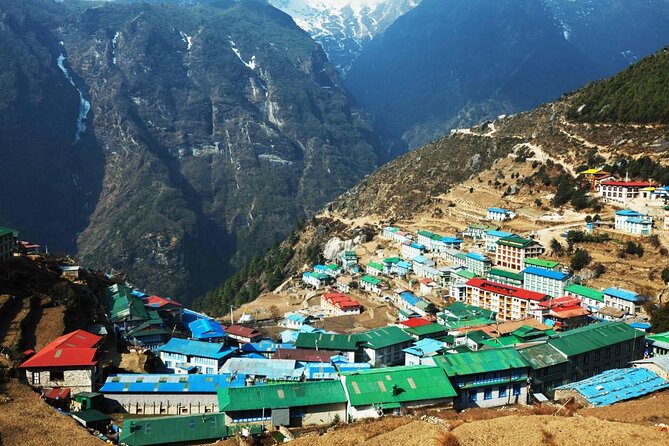
Everest Base Camp is the kind of destination people talk about in numbers: meters, days, distances. But what makes this trek feel worthwhile is how it’s paced and supported, so you’re not just chasing a checklist. You’ll spend your days trekking, hiking, and exploring, then overnight in tea houses—day after day—until the goal becomes something you can actually reach.
Two things I truly like: you get a small-group trek (max 10), and the company staffs it with a professional guide and included logistics. That matters because Everest-region trekking rewards good planning more than luck. The other big win is that the trip is designed to include villages and historic monasteries, so your route isn’t only about mountain views.
The consideration: you’re committing to daily effort—about 6–7 hours of hiking—and mountain conditions can slow things down. Good weather is required, and if conditions turn poor, the experience may be canceled and rescheduled.
You can also read our reviews of more tours and experiences in Kathmandu.
Kathmandu Setup: Pickup, Timing, and Getting Your Paperwork Straight
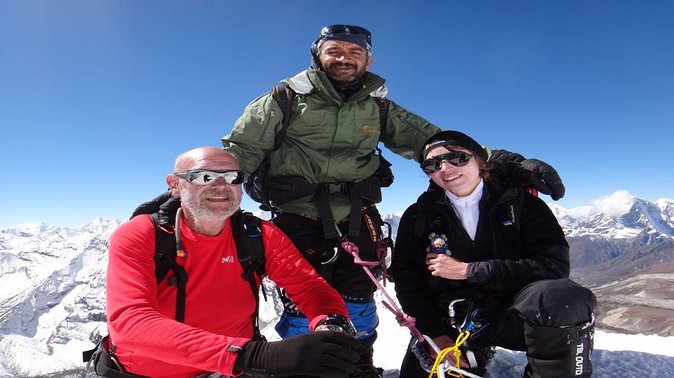
This trek starts in Kathmandu, with hotel pickup and drop-off included. That’s not just convenient. It also reduces the stress of connecting flights, paperwork, and time windows, especially on busy arrival days.
Your booking needs passport details: name, number, expiry date, and country for all participants. That’s because permits and administrative requirements are part of trekking in protected areas. If you’ve ever tried to scramble for passport info at the last minute, you’ll appreciate that this tour asks for it up front.
The operator’s contact window is long—6:15 AM to 10:45 PM, Monday through Sunday—so there’s a decent chance you can get answers quickly if your schedule gets weird. In the reviews I read, you can see this kind of responsiveness in action with guide coordination when flights don’t go as planned.
Tea Houses: Comfort Level and Why They’re Part of the Experience
Tea houses are the backbone of this style of trek, and that’s exactly why this itinerary uses them. You’ll sleep overnight in tea houses, which usually means basic rooms and shared mountain living rather than hotel-style comfort.
Here’s what I like about tea houses on an Everest trek: they force you to slow down in a good way. After a day of hiking, you eat, rest, and see how other hikers and locals handle the same altitude and weather. It also gives the guide a natural moment to explain what’s coming next and what you should watch for.
The trade-off is obvious. Tea house stays are not luxury. You should plan for limited comfort, simple facilities, and the fact that your body is working hard at altitude even when you’re sitting still.
Trekking Day to Day: How 12 Days Builds You Up to Base Camp
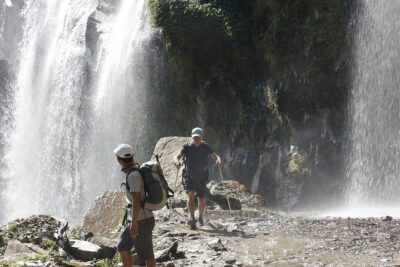
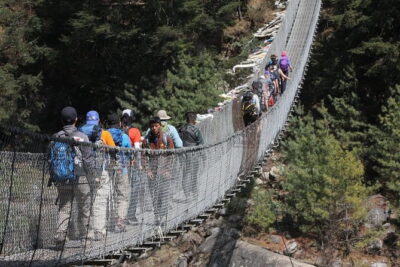
You’re looking at a roughly 12-day trek with daily hiking around 6–7 hours. That doesn’t mean the entire day is constant steep uphill. It does mean you should expect sustained walking plus breaks, with the pace set by your guide and the trail conditions.
Because the route includes villages and historic monasteries, not every day is purely about distance. Some hiking days double as “slow down and notice” days: learning about mountain flora and fauna, watching how people farm and live, and understanding why certain places matter culturally.
A helpful way to think about the itinerary is in phases:
- Build-in phase: Start moving into the trekking rhythm. You’ll be hiking, exploring, and adjusting your effort to altitude.
- Culture-and-community phase: You’ll pass through villages and historic monasteries. This is where the trek stops feeling like a track and starts feeling like a place.
- Nature-and-altitude phase: The tour explicitly sets up learning time around flora and fauna. You’ll also feel the altitude more as the days stack up.
- Goal phase: Your final stretch centers on reaching Everest Base Camp, followed by the satisfaction of descending back down through the same world you worked to enter.
Without overpromising specifics like exact town names, the structure is clear: hike most days, sleep in tea houses, and keep moving with a professional guide who knows how to manage a group through changing conditions.
The Views: Why Everest Region Scenery Feels Different from Other Treks
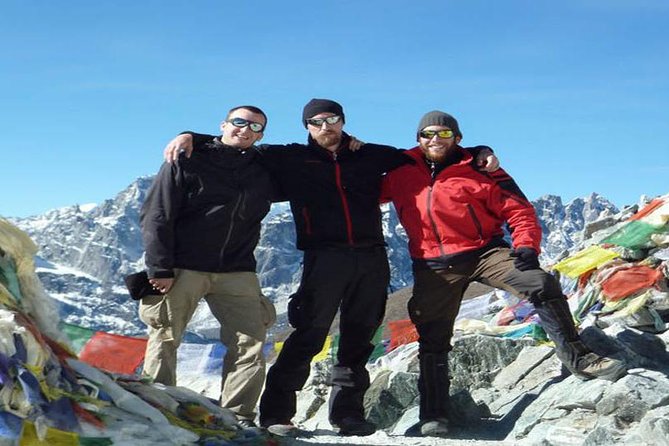
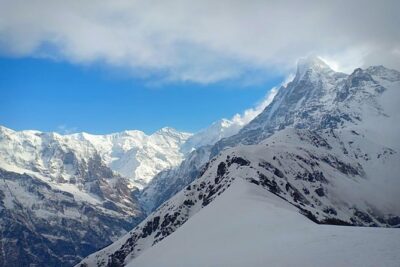
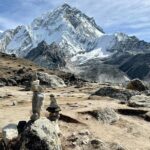
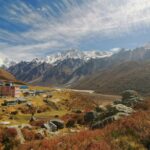
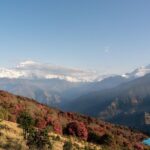
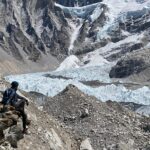
Let’s talk about the big reason people do this. The highlights promise some of the best views in the world, and Everest-region trekking is famous for a reason: the scale is hard to fake.
What I like about this tour’s approach is that it doesn’t present the views as a single postcard moment. Since you’re hiking daily and stopping along the way to explore, you get repeated payoffs. You’re not just arriving at a viewpoint; you’re earning them through effort.
Also, the tour’s nature education component is a real quality marker. You’ll learn about flora and fauna along the trek. That turns a day of “wow, mountains” into a day of “wow, and also this ecosystem is doing its own thing up here.”
Sherpa Hospitality and the Human Side of the Himalaya
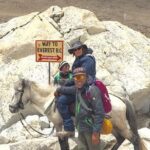
Sherpa hospitality is one of the stated highlights, and it shows up in how guided treks work. A good Everest guide isn’t only leading you along the trail. They help you interpret what you’re seeing, manage your pace, and keep morale steady when conditions tighten.
In the reviews shared from this operator, names like Rajesh (owner/operator) come up often, and guides such as Dinesh, Orsun, Resham, and Prakash are mentioned as hands-on leaders. Even without knowing who you’ll get assigned, you can infer a pattern: you’re working with a local team that’s used to both planning and problem-solving.
That’s what you want on a route where weather can change, trails can get busy, and your body might need adjustment days. The guide role here is practical and emotional. It’s both directions at once.
Villages and Historic Monasteries: The Cultural Stops That Keep You Grounded
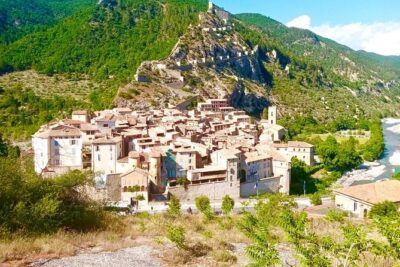
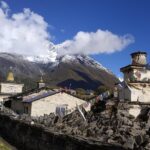
One of the best parts of this trek, based on the tour description, is that culture isn’t an add-on. You’ll visit villages and historic monasteries along the way, with the trek framed as an immersive look at life in the mountains.
Why this is valuable for you: when you’re hiking through harsh terrain, human details make the experience feel real. Monasteries aren’t only pretty viewpoints; they connect you to how communities have lived, prayed, and gathered in the Himalaya for generations.
A heads-up: temple/monastery entrance fees are not included. That means you should budget a little extra for cultural stops. It’s not a dealbreaker, but it’s one of those costs that can surprise people who assumed everything was rolled in.
What’s Included (and What You’ll Pay for Yourself)
This tour is built as a true package. Included items are:
- Accommodation as per the itinerary
- Local taxes
- National Park fees
- Meals as per itinerary (B/L/D)
- Professional guide
- Hotel pickup and drop-off
That’s strong value because trekking costs pile up fast once you factor permits, guidance, and lodging. You avoid the common pain point where half the budget is “and then you buy the rest.”
Not included items matter too:
- Temple/monastery entrance fees
- Alcoholic drinks (available to purchase)
- Drinks during the trek like cola, fanta, and mineral water
- Food and drinks in the city
- Souvenir photos (sold separately)
If you want to manage costs, plan a simple strategy: carry what you can on travel days, then buy essentials during the trek only when needed. The tour is also specific about how drinks are handled, so you won’t get the assumption that every sip is covered.
Group Size and Pace: Why Max 10 Travelers Matters
A maximum group size of 10 travelers might not sound dramatic, but on a trek like Everest Base Camp it can change everything.
Small groups typically mean:
- You can keep a steadier rhythm without constant regrouping.
- Your guide can actually notice when someone is struggling.
- The pace feels less like a conveyor belt and more like a shared effort.
It also helps with tea house dynamics. Bigger groups can mean longer meal lines or harder seating. With a small cap, you’re more likely to settle in and enjoy the tea house evening instead of spending it negotiating for space.
Guide Quality: What “Best Guides in Nepal” Looks Like in Practice
I noticed a repeated theme in the feedback pattern: people talk about guide excellence, and the reasons are practical. The operator’s leadership and team appear communicative, organized, and fairly priced—and that’s what you want before you even hit the trail.
One review snippet highlighted that when a flight to Kathmandu was delayed, the owner, Rajesh, met the traveler at the airport and helped them make their connection to Lukla. That’s not a “nice story” detail. It’s proof that the team thinks about real-world disruptions and doesn’t leave you to sort it out alone.
Another common thread is patience during harder moments, credited to guides like Dinesh, plus a consistent style of making the trip fun without losing control of the plan. That balance matters when trekking days get physically tough and your mind wants to quit early.
Price and Value: Is $1,590 a Fair Deal?
At $1,590 per person, this isn’t a budget bargain. It’s priced like a real guided package. And that’s the key question: what are you paying for?
You’re paying for:
- Tea house accommodation over multiple days
- Meals (B/L/D as per itinerary)
- National Park fees and local taxes
- A professional guide
- Pickup and drop-off in Kathmandu
Once you break it down, you’re not paying just for footsteps. You’re paying for the planning, permits/fees, food logistics, and guidance that keeps the trek running smoothly.
The main value risk is only if you’re expecting a fully luxury experience. Tea houses are simple. Drinks and some cultural fees aren’t included. But if you’re open to straightforward comfort and want your money to go into guidance and essential trek costs, this price looks reasonable.
Who Should Book This Everest Base Camp Trek
This trek fits best if you:
- Have strong physical fitness and can handle daily hiking for 6–7 hours
- Want a guided experience with included permits/fees and meals
- Prefer small-group pacing rather than large-tour chaos
- Like your travel with culture built in—villages and historic monasteries—plus nature learning around flora and fauna
It may not fit if you:
- Need hotel-style comfort every night
- Struggle with basic accommodations and limited creature comforts
- Are looking for a “light walk” vacation
Also note the trip has a maximum group size of 10, so if you like quieter, more personal guiding, that’s a plus.
Quick FAQ
FAQ
How long is the Everest Base Camp trek?
It’s listed as 12 days (approx.).
What’s the price per person?
The price is $1,590.00 per person.
What group size should I expect?
This experience has a maximum of 10 travelers.
Does the price include meals?
Yes. Meals as per itinerary are included, with B/L/D (breakfast, lunch, dinner).
Are tea house stays included?
Yes. You’ll stay overnight in tea houses, and accommodation is included as per the itinerary.
Do I need to pay extra for monasteries?
Temple and monastery entrance fees are not included, so budget for that.
What drinks are not included during the trek?
Alcoholic drinks aren’t included, and drinks like cola, fanta, and mineral water during the trek are listed as not included.
What fitness level do I need?
The tour says travelers should have a strong physical fitness level.
What if weather forces a change?
The experience requires good weather. If canceled due to poor weather, you’ll be offered a different date or a full refund.
Should You Book It?
If your goal is an honest, guided Everest Base Camp trek with included essentials and small-group support, I think this is a solid choice. The standout reasons are the small group cap (max 10), the tea house rhythm with full meals, and the fact that villages and historic monasteries are part of the route—not just a side stop.
Book it if you’re ready for real daily hiking, simple lodging, and altitude-style fatigue. Don’t book it if you want luxury comfort or you’re not confident hiking 6–7 hours per day.
If you do book, my advice is simple: plan your expectations around tea houses, pack for basic conditions, and come with a flexible mindset. That’s the easiest way to turn Everest Base Camp into a memory that lasts.