REVIEW · KATHMANDU
Everest Base Camp Trek
Book on Viator →Operated by Accessible Adventure Pvt. Ltd · Bookable on Viator
Everest Base Camp is the kind of trip that rearranges your brain. This private, guided route focuses on the mountain views you came for, plus the practical Sherpa-world details that make high trekking feel doable. I like the small group size (max 9) and the way the trip is run with a trek leader, an assistant guide, and a porter.
I also like the pacing around altitude: you get acclimatization time in Namche Bazaar and Dingboche, then the big hit days to Everest Base Camp and Kala Patthar. The teahouses are basic, yes, but the included meals and the views from where you sleep make those nights feel like part of the journey.
One consideration: while the trek includes domestic flights, the package notes that the Lukla flight is not included, and current rules may shift the flight start to Manthali (Ramechhap) with an overnight drive. That’s not scary, but it is something you should confirm before you pay.
In This Review
- Quick highlights from what matters on the ground
- Kathmandu Start: Thamel, Gear Checks, and Who You’ll Be Trekking With
- Getting to Lukla: Manthali/Ramechhap Flight Changes and the Real Deal on Small Airstrips
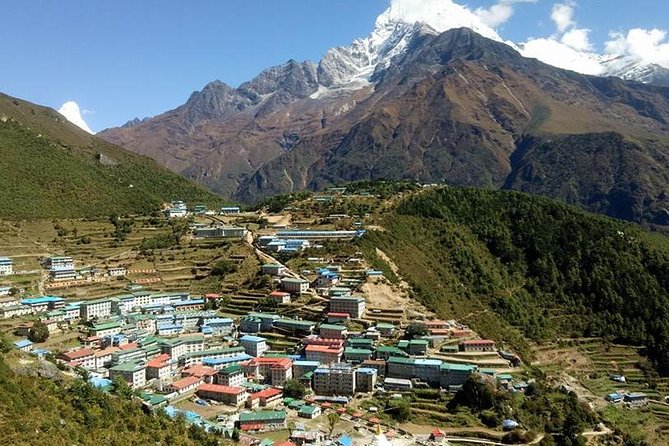
- Phakding to Namche Bazaar: Rivers, Bridges, and That First Real Everest Look
- Namche Acclimatization: Easy Walks, Everest View Hotel, and Using the Day Like a Pro
- Tengboche to Dingboche: Monastery Calm, Ama Dablam Views, and Learning the Rhythm at Altitude
- Nagarjun Hill Acclimatization Day: 5,100m Without Technical Climbing
- Lobuche and the Khumbu Glacier Edge: Memorials, Moraines, and Breathing Payback
- Everest Base Camp Day: 7–8 Hours Up to 5,365m and the Glacier Icefall Spectacle
- Kala Patthar at 5,550m: The View That Makes the Trek Worth It
- The Descent Loop: Pheriche to Namche, Then Lukla to Kathmandu
- What You’re Paying For: $1,169 Value (and What to Double-Check)
- Who This Trek Fits Best (and Who Should Think Twice)
- Final Call: Should You Book This Everest Base Camp Trek?
- FAQ
- How long is the Everest Base Camp trek?
- Is this trek private or group-based?
- What accommodations and meals are included?
- What support do you get from guides and porters?
- Are park fees included?
- Is the Lukla flight included?
- What happens if weather is poor?
Quick highlights from what matters on the ground
- Private guided feel with a small cap (9 trekkers), plus an assistant guide for more hands-on help
- Teahouses with mountain-forward views so you’re not just grinding up trails all day
- Kala Patthar (5,550m) for the closest dramatic look at Everest you can get without summit gear
- Solid altitude support tools: first-aid kit, pulse oximeter, and medicines like paracetamol and Diamox listed
- Sherpa culture stops that aren’t window dressing, including Tengboche monastery time
Kathmandu Start: Thamel, Gear Checks, and Who You’ll Be Trekking With
Your trek life begins in Kathmandu, where the operator has a rep meeting you at the airport and taking you to your hotel. After you check in, you meet your trek leader and team members and get a briefing to clear the questions that always pop up right before you leave the city.
If you have energy (or anxiety you’d like to spend), Thamel is the right place to lose a couple hours. This is where you can do last-minute shopping for trekking essentials, and it’s also a good spot to get your bearings before your first mountain flight.
What I like about this setup is simple: you’re not just handed a route. You get a gear check and a real plan for the first transition out of Kathmandu, which matters because high-country logistics can turn into chaos fast if you start off underprepared.
You can also read our reviews of more tours and experiences in Kathmandu.
Getting to Lukla: Manthali/Ramechhap Flight Changes and the Real Deal on Small Airstrips
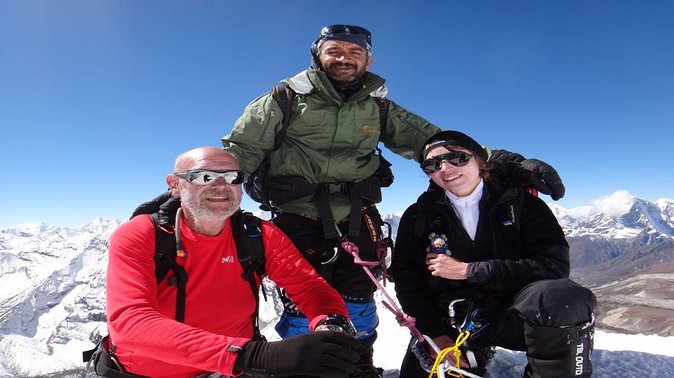
Day 2 is where the mountains start to feel real. Instead of always flying straight from Kathmandu to Lukla, the trek notes that regulations and upgrades may push Lukla flights out of Manthali Airport in Ramechhap District. That means a four-hour drive from Kathmandu during the night, then an early morning short flight (about 20 minutes) to Manthali’s connection point before you fly on to Lukla.
From Lukla, you take the small Dornier/Twin Otter flight. The landing is famously dramatic because one end of the runway is about 60m higher than the other, and the whole thing happens fast—around 25–30 minutes of flying. It’s exciting, but it’s also why you’ll want to treat this day like an airplane day, not a sightseeing day.
Now the important detail: your price includes domestic flights, but the “not included” section specifically lists Lukla Flight. So before you lock anything in, I’d confirm with the operator whether Lukla is included in your exact departure dates, and if not, what the separate cost and timing are. This is one of those “small line item” moments that can save you stress later.
Phakding to Namche Bazaar: Rivers, Bridges, and That First Real Everest Look
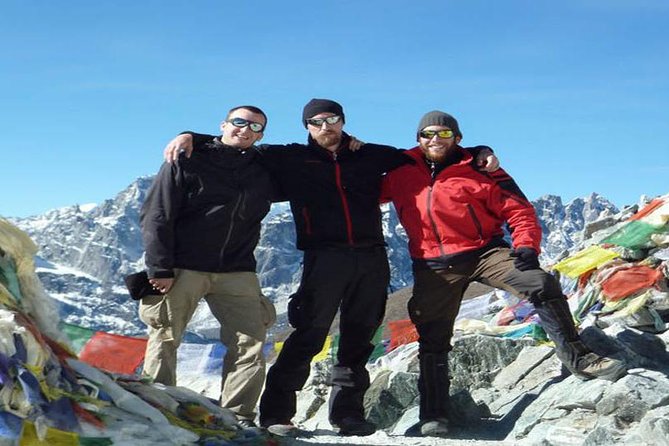
After landing, you trek to Phakding (2,610m) through Chauri Kharka village and down toward the Dudh Koshi River. You’ll follow the river bank on a scenic trail through Sherpa country. Along the way, you may spot Khumbila, a sacred peak the Sherpas worship—one of the few unclimbed peaks in the Khumbu region because people aren’t allowed to step on it.
Phakding is a good first-night base: small, local, and perfect for settling in without pushing the altitude too hard. If you’ve got it in you, it’s also a nice day to chat with locals and warm up in a cafe over a hot drink.
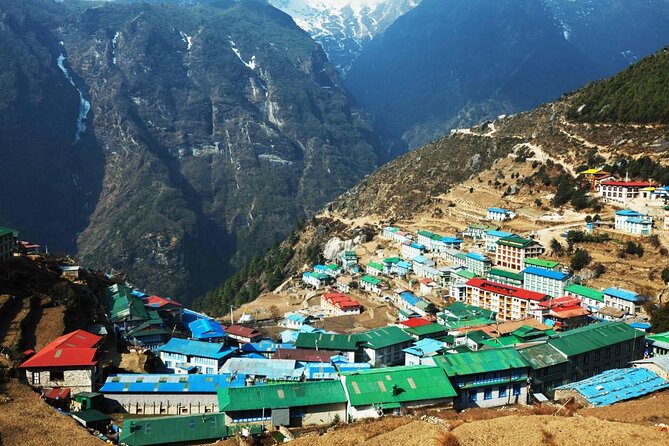
Next comes Namche Bazaar, the Sherpa capital and the biggest practical hub in the Everest region. The trail crosses milky glacial water and moves above suspension bridges—one of them is the well-known Hillary Suspension Bridge. You also get your permits checked when approaching Sagarmatha National Park.
The day ends with a climb into Namche, and the payoff is your first strong Everest tease from a viewpoint called Tope Danda. I like that the trip doesn’t rush you straight to the highest drama; it gives you that early “Oh, this is really happening” moment.
Namche Acclimatization: Easy Walks, Everest View Hotel, and Using the Day Like a Pro
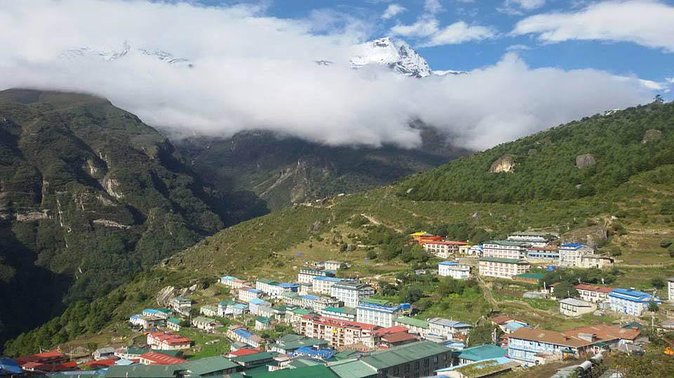
Day 4 is an acclimatization day in Namche Bazaar. Instead of treating it like a blank day, the plan suggests real options: exploring cafes, souvenir and gear shops, and local sites like Hillary School, a Sherpa settlement, Syangboche Airport, and yak farms. If you’re chasing big-picture Everest views, the route recommends hiking up to Everest View Hotel.
This is also where your trip adds a special overnight option: Hotel Everest View, sitting on a ridge with 360-degree views. The plan notes that you can see the Everest range from every room. That’s not just a luxury add-on; it’s a smart acclimatization strategy because you get stunning sightlines without spending extra energy on a longer trek.
A short stop at Syangboche Airport is included as well (about 30 minutes). It’s the closest airstrip to the Everest Base Camp area, but it’s not often used for the usual Everest trekking acclimatization approach. Still, it’s a good context moment: you’ll understand how close planes can get, and why the trek still matters for your body.
The drawback here is time and weather sensitivity. If visibility is poor, you might not get the full wow factor from these ridgeline viewpoints. That said, the whole Everest region is weather-driven, so you’ll be grateful for the buffer.
Tengboche to Dingboche: Monastery Calm, Ama Dablam Views, and Learning the Rhythm at Altitude
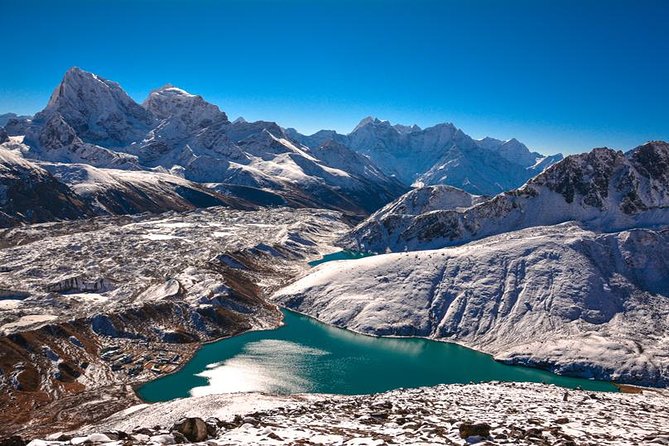
Day 5 heads to Tengboche (Tyangboche), with sweeping mountain views. You’ll see Everest, Nuptse, Lhotse, Ama Dablam, Thamserku, and Kwangde. The trail runs through juniper and rhododendron forests, which helps break up the monotony that can creep in on longer trekking stretches.
You end in Tengboche, with close views of Ama Dablam from the village area. You also visit Tengboche Monastery (Dawa Choling Gompa), described as the largest gompa in the Khumbu region. It’s at 3,867 meters and feels like a pause button—quiet, spiritual, and a reminder that this is living culture, not just a photo backdrop.
Day 6 moves onward to Dingboche via Pangboche, and it’s a bigger step up in altitude. The plan calls out Pangboche as having the biggest and highest permanent Sherpa settlement in the region. Dingboche itself is known as a popular high stop for trekkers and climbers headed higher toward Everest routes. The route also keeps the view theme going, with Island Peak and Ama Dablam on display.
What I like here is that the day isn’t just about walking; it’s about getting your body used to living higher while still feeling connected to Sherpa life: food, villages, monastery energy, and mountain drama all in one.
Nagarjun Hill Acclimatization Day: 5,100m Without Technical Climbing
Day 7 is your acclimatization work period in Dingboche. The plan recommends a hike to Nagarjun Hill (5,100m / 5100m) with no technical sections. Yes, it’s uphill and you’ll need to watch your footing because there can be loose rocks, but the key is that it doesn’t involve scrambling like a climbing route.
This viewpoint is called out as one of the best in the Khumbu area, with 360-degree views that include Makalu, Lhotse, Ama Dablam, Kantega, Thamserku, and more. The route highlights that Ama Dablam stands out here, and that you may also see the Imja glacier from the viewpoint.
This kind of day matters because it helps your body respond to altitude before the “big commitment” days. You don’t need to go too hard; you just need to go high enough to teach your system what it’s about to face.
Lobuche and the Khumbu Glacier Edge: Memorials, Moraines, and Breathing Payback
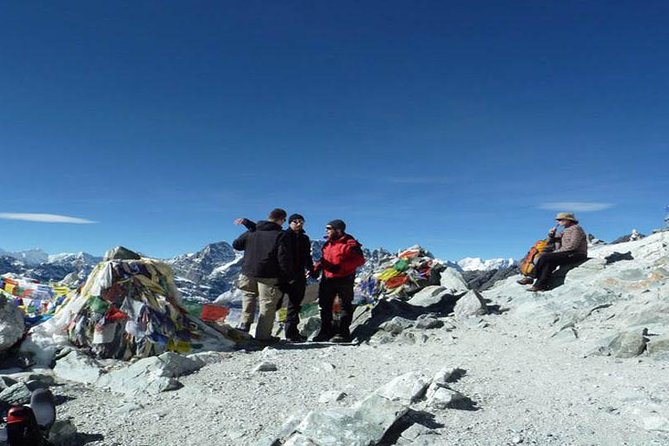
Day 8 brings you to Lobuche, and the route becomes more “high expedition” feeling. You travel along the lateral moraine of the Khumbu Glacier, and you pass by stone memorials for climbers who perished on nearby summits. It’s sober terrain, and it also puts you in the right mental space: this area is stunning, but it’s serious.
You may feel breathing issues today due to altitude, and the plan openly flags that. That honesty is useful. The operator includes a first-aid kit and a pulse oximeter, and they list essential medicines like paracetamol and Diamox—so you have basic medical support tools on the trek.
If you’re the type who tends to push through discomfort, use this day as a reminder to go slow even when you feel pressure to keep up.
Everest Base Camp Day: 7–8 Hours Up to 5,365m and the Glacier Icefall Spectacle
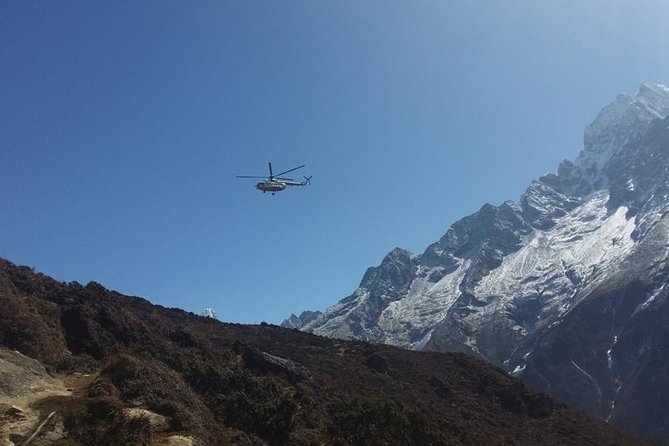
Day 9 is a long day: about 7–8 hours and around 12 km to reach Everest Base Camp (5,365m). The route is described as big and difficult, and you’re walking along the Khumbu Glacier area.
This is the closest you can get to Everest without mountaineering equipment, and the plan notes that the view of the Khumbu Icefall from Base Camp is spectacular. When you arrive, you’re basically stepping into the stage set for the Everest expedition world—logistics, tents, and the whole seasonal rhythm of climbers.
You then return to Gorak Shep for the night. The plan emphasizes that lodges here are basic, but it also notes access to satellite high-speed internet in recent times. Even if you don’t care about internet, it can matter for check-ins or sharing a moment without burning daylight.
Kala Patthar at 5,550m: The View That Makes the Trek Worth It
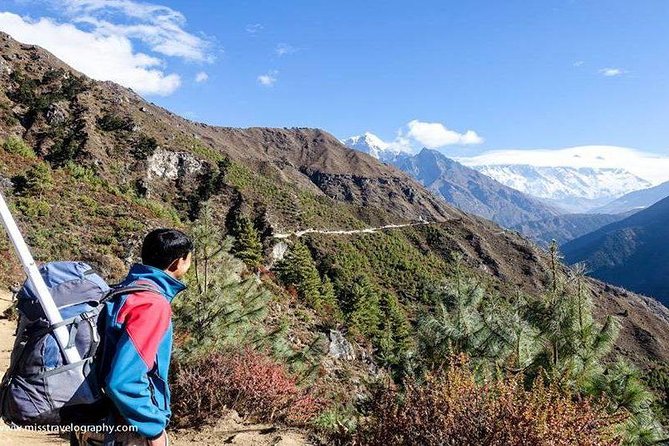
Day 10 is your signature climb: Kala Patthar. It’s the highest point on the trek at 5,550 meters. The plan points out that the Everest summit isn’t visible from Base Camp, so Kala Patthar is the move that gives you a close-up, dramatic look at Everest and surrounding giants.
From the top, you get a 360-degree view of peaks like Mount Pumori, Everest, Nuptse, and Lhotse. The route also describes the lighting effect: watching the sun rays hit Everest’s rocky pinnacle from up there. It’s one of those “arrive at the viewpoint and time slows down” moments you remember long after the miles fade.
Afterward, you return to Gorak Shep, then head down to Pheriche for the night. This is a smart day layout: big summit-feel payoff first, then easier altitude adjustment afterward.
The Descent Loop: Pheriche to Namche, Then Lukla to Kathmandu
Day 11 is downhill: Pheriche to Tengboche, then by late afternoon you reach Namche Bazaar. Downhill days feel easier physically, but the mountains still demand focus—your knees and ankles will be talking back if you hurry too much.
Day 12 brings you back to Lukla, trekking past the Hillary Suspension Bridge and through local villages. In Lukla, you get your last mountain night and a chance to celebrate your accomplishment with your group.
Then it’s back to Kathmandu on Day 13, where you wake early, watch the mountains pass below the window, and then transfer to your hotel. Day 13 ends with free time in the city—use it to eat well, sleep deep, and do a little honest recovery shopping in Thamel.
Day 14 is the final transfer to the airport. If you want to extend your Nepal trip, the operator says they can help plan follow-on travel into the Himalayas.
What You’re Paying For: $1,169 Value (and What to Double-Check)
At $1,169 per person, you’re not just paying for “a guide and vibes.” The plan includes:
- airport pickup and drop-off in private vehicle
- a government-licensed English-speaking trek leader with first-aid training
- an assistant guide (for a group structure listed as 4 trekkers : 1 assistant)
- a porter to carry your main luggage (porter ratio listed as 2 trekkers : 1 porter)
- Sagarmatha National Park entry fee and community fee
- full-board meals (breakfast, lunch, dinner) during the trek
- tea house accommodation with a twin-share setup
- key medical gear (first aid kit, pulse oximeter) and listed medicines
- take-home souvenirs: duffel bag, T-shirt, and trekking map
- use of a down jacket and sleeping bag (returned after trek completion)
That’s meaningful value because the costly parts of this trip are often the support layer: permits, food, guiding, and the practical stuff that lets you focus on the trail.
Two things to verify so you don’t get surprised:
- Lukla flight is listed as not included, even though the route describes flights to Lukla. Confirm what your exact package covers.
- For solo travelers, porter for solo traveler is not included. The porter structure is tied to the group ratio, so plan accordingly.
Who This Trek Fits Best (and Who Should Think Twice)
This Everest Base Camp plan is built for people who want a high-quality, guided experience without technical mountaineering. It also suits you if you appreciate Sherpa culture stops and want acclimatization structured into the calendar, not treated as an optional extra.
It’s also a good fit if you like clear support: the trek leader has first-aid training, and the team includes tools like a pulse oximeter and medicines listed in the plan. That’s not a guarantee against altitude problems, but it’s the right direction.
Who should think twice? If you have limited flexibility around flight timing or you’re not ready for possible early starts (including an overnight drive if Manthali is used), you may find the logistics stressful. And if you can’t handle long trekking days—like the Base Camp day—it might be worth choosing a gentler itinerary.
Final Call: Should You Book This Everest Base Camp Trek?
I’d book it if you want organized support, strong altitude planning, and the two Everest payoff days—Everest Base Camp and Kala Patthar—done in a way that feels well run. The price also looks fair when you factor in meals, permits, guides, porter support, and your take-home kit.
Before you pay, do two quick checks:
1) confirm whether the Lukla flight is actually included for your dates, especially with the possible Manthali/Ramechhap route
2) confirm how porter support works for your specific group and whether solo porter is relevant
If those points line up, this trek is a solid way to reach the Everest region without turning your trip into a logistics puzzle.
FAQ
How long is the Everest Base Camp trek?
The duration is listed as 14 days (approx.), based from Kathmandu and returning back to Kathmandu by the end of the trip.
Is this trek private or group-based?
It’s described as a private guided trek, but the group size has a maximum of 9 travelers.
What accommodations and meals are included?
You get twin-share tea house accommodation during the trek and full-board meals (breakfast, lunch, and dinner) throughout the trekking days.
What support do you get from guides and porters?
The trek includes a government-licensed, English-speaking trek leader trained in first aid, an assistant trekking guide for personalized care, and a porter to carry your main luggage during the trek (with porter service structured by group size).
Are park fees included?
Yes. The plan includes Sagarmatha National Park entry fee and community fee.
Is the Lukla flight included?
The itinerary describes mountain flights to Lukla, but the tour’s listed “not included” items specifically say Lukla Flight. You should confirm what’s included for your exact departure dates.
What happens if weather is poor?
The experience notes it requires good weather. If it’s canceled due to poor weather, you’ll be offered a different date or a full refund.