REVIEW · ARUSHA
6 Days Trekking Marangu Route Mount Kilimanjaro
Book on Viator →Operated by MERU SLOPES TOURS AND SAFARIS · Bookable on Viator
Huts make this Kilimanjaro route feel doable. The Marangu Route is known for a steady, moderate climb through rainforest, moorland, and alpine desert, with a tougher final push at night. I love how the trek uses mountain huts instead of tents, so you get a more comfortable rhythm between hiking hours.
I also like the human side: the climb runs with tight organization, clear communication, and guides who take care of the details. In particular, guides Michael and Yano are specifically mentioned for looking after the group well, and that matters when you’re sleeping high on the mountain.
One consideration: hut trekking is still trekking—basic accommodation means sleep can be rough, and the summit section gets steep and demanding even on the easier Marangu profile.
In This Review
- Quick, useful highlights
- Marangu Route basics: why hut trekking feels more manageable
- Day 1: Rainforest walking to Mandara Hut and a Mahundi option
- Day 2: Moorland hiking to Horombo Hut with Kibo and Mawenzi views
- Day 3: The acclimatization day that makes the summit attempt smarter
- Day 4: Alpine desert ascent and the last water point moment
- Day 5: Summit night, Hans Meyer, and the steep crater-rim grind
- Day 6: Descent to Marangu Gate through cloud forest—and certificates
- Price and value check: what $1,900 covers (and what it doesn’t)
- Guides, group size, and real-world organization
- What to expect from the huts: simple comfort, not luxury
- Who should book the 6-day Marangu Route
- Should you book this Kilimanjaro Marangu Route tour?
- FAQ
- FAQ
- What is the duration of the 6 Days Trekking Marangu Route?
- Where does the trek start and what time does it begin?
- What type of accommodation is used during the trek?
- What meals are included in the tour price?
- Is transportation included?
- What is included in the price?
- What is not included?
- How do summit certificates work on this route?
Quick, useful highlights
- Hut-based comfort: simple mountain huts instead of camping, which helps you recover between days
- A built-in acclimatization day: you get an extra night at Horombo so your body can adjust
- A classic summit-night route: Hans Meyer and Gillman’s points are clear milestones on the steep crater-rim path
- Water planning is serious: there’s a last water point at 13,550 ft / 4,130 m, then you carry more for the next stretch
- Certificates at Marangu Gate: silver for Gillman’s point and gold for Uhuru Peak
Marangu Route basics: why hut trekking feels more manageable
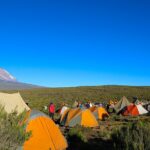
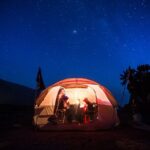
The Marangu Route is often picked when you want the Kilimanjaro experience without the full camping setup. Instead of moving camp each night, you sleep in simple mountain huts. For many people, that reduces stress: fewer logistics, a steadier routine, and a warmer spot to regroup than trying to manage gear in wind and precipitation.
This route also tends to climb at a constant, moderate pace for most of the trek. That matters because Kilimanjaro isn’t only about strength—it’s about pacing. Your schedule is built so you hike regularly, stop regularly, and spend enough time at altitude to lower the odds of a bad acclimatization day.
The trade-off is that the huts are not a hotel. Expect simple rooms, shared basic facilities, and cold nights as you climb higher. If you’re someone who needs consistent, comfortable sleep to function, you’ll want to bring gear that helps you handle cold and early mornings.
You can also read our reviews of more tours and experiences in Arusha.
Day 1: Rainforest walking to Mandara Hut and a Mahundi option
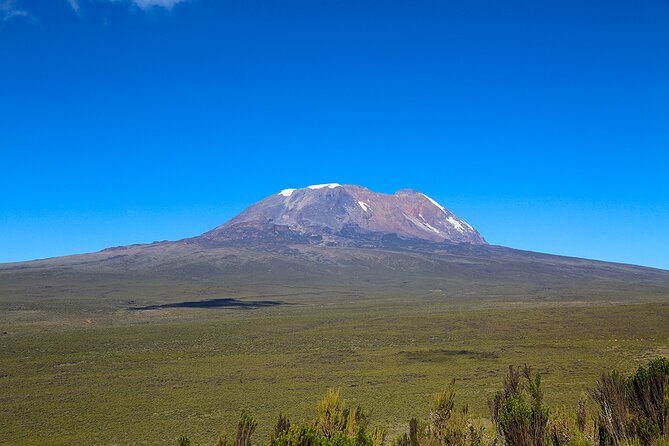
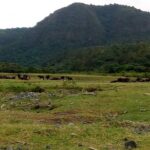
Your trek day starts with a transfer out of Arusha/Moshi area in the morning, heading to Marangu Gate for registration. After that, you begin with a narrow trail through Kilimanjaro rainforest, where the air is humid and the light changes under the canopy.
This first day is the gentler on-ramp. You hike through rainforest for most of the day, then stop for a picnic lunch at Kisambioni, which is the halfway point. Lunch here is useful because it breaks the day into a manageable block while you still have comfortable breathing.
After lunch, you continue through the rainforest until you reach Mandara Hut. The rest of Day 1 is downtime, but you can choose a short walk to Mahundi Crater. On a clear day, you can get striking views east over Taveta and northwest toward Mawenzi Peak, and that’s exactly the kind of payoff that makes the early effort feel worth it.
Practical tip: rainforest trails can be slick. Even if the pace is easier, watch your footing and keep your steps smooth.
Day 2: Moorland hiking to Horombo Hut with Kibo and Mawenzi views
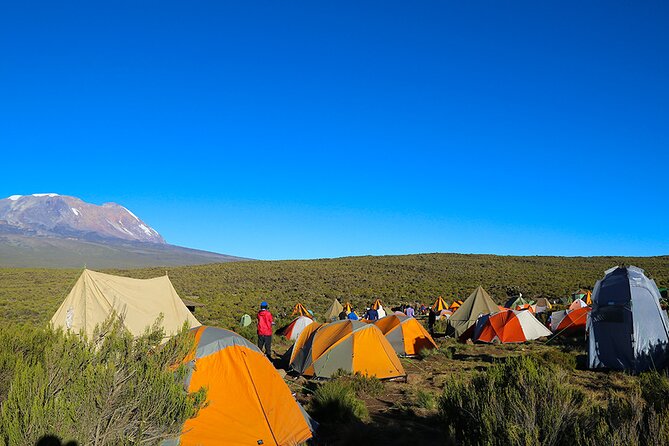
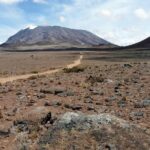
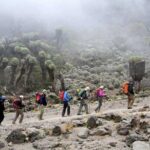
After breakfast, you move from Mandara Hut toward Horombo Hut, leaving the forest behind. Most of the day is over Kilimanjaro moorland—rocky ground with desert-like plants. The surface can feel harsher underfoot, but the thinner air at altitude also helps some people settle into a steady rhythm.
You’ll have a picnic lunch at Kambi ya Taabu. This is another built-in “reset” moment, and I like that the schedule doesn’t force you to plow for hours without structure.
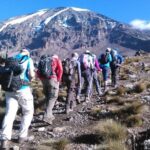
If the day is clear, the views can be excellent, with Mawenzi and Kibo showing up in the distance. Around 1500 hrs, you arrive at Horombo Hut and then spend the afternoon relaxing. That afternoon is not random—it’s recovery time, giving your body a chance to adjust before the next day’s altitude work.
Small caution: moorland can be windy and cold. Even when the sun is out, temperatures can drop fast as you get higher. Layers matter more than you think.
Day 3: The acclimatization day that makes the summit attempt smarter
Day 3 is an extra day and night at Horombo, specifically for acclimatization. This is one of the best parts of the Marangu plan because it gives you time to reduce the “rush” your body might otherwise feel.
You’ll hike toward Mawenzi and pass Zebra Rocks on the way—about 3 hours up and about 1.5 hours down. That hike isn’t just about legs; it’s about training your breathing at altitude and giving your system time to adapt.
If you’re trying to make the summit attempt more realistic, this is the day you treat as a true acclimatization block. Go steady. Don’t race. You’re building tolerance, not speed.
Day 4: Alpine desert ascent and the last water point moment
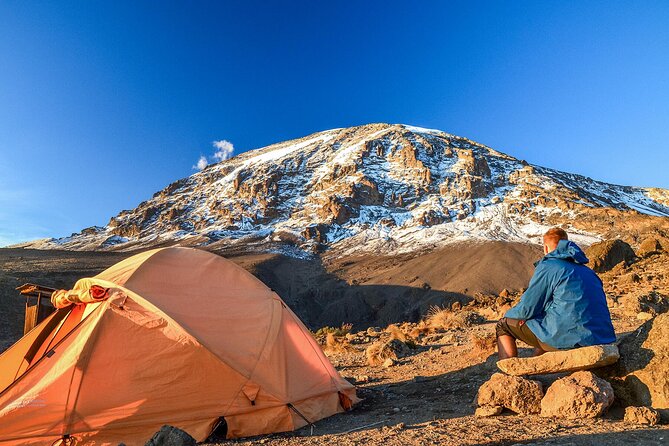
Day 4 is where the mountain changes its personality. After breakfast, you continue your ascent into the alpine desert. This is where the air feels thinner, the terrain feels more exposed, and the routine becomes more focused.
You pass the last water point at 13,550 ft / 4,130 m. After that, you’ll need to fill your bottles with enough water to cover the next stretch, until you return to Horombo in two nights’ time (unless you choose to buy mineral water at Kibo Hut).
This is a key moment because dehydration can sneak up during long, cold hours where you don’t feel as thirsty. I’d rather over-pack water strategy than gamble. Even if you’re not sure how much you’ll drink, the safe move is to fill adequately at the last water point and plan for slow sipping.
Also note the timing: the summit is still further up, and you start your final ascent the same night. You go to bed around 1830 hrs and aim for as much sleep as possible—because later you’ll get up when most of your body wants to stay asleep.

Day 5: Summit night, Hans Meyer, and the steep crater-rim grind
Around 2330 hrs, you wake up for tea and biscuits, then head into the dark. This is where the climb gets truly tough, not just because of altitude, but because you’re moving on tired legs at night.
The first section is a rocky path to Hans Meyer Point at 17,225 ft / 5,250 m. This point is both a physical milestone and a mental one. Reaching it helps you measure progress and keep your focus from drifting.
After Hans Meyer, the trail zigzags up to Gillman’s Point at about 18,639 ft / 5,681 m on the crater rim. This segment is steep and has a lot of stone scree. That means heavy foot placement, careful pacing, and solid mental concentration.
Practical tip: choose a steady cadence. Short steps usually feel safer than long strides on scree. If your guide calls for pauses, take them—micro-pauses keep you efficient.
Day 6: Descent to Marangu Gate through cloud forest—and certificates
After breakfast, you end the trek with a descent to Marangu Gate. This last day is beautiful because you pass through Kilimanjaro cloud forest. The air often feels more alive here—cooler, greener, and visually rich compared with the stark zones earlier in the climb.
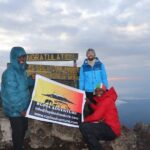
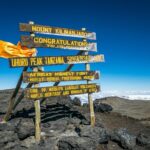
You’ll sign for departure at Marangu Gate, and this is also where the summit certificates are awarded. Here’s the neat part: if you reached Gillman’s Point, you receive a silver certificate. If you reached Uhuru Peak (about 5,895 m), you receive a gold certificate.
That means your effort is recognized even if you don’t make the absolute top. Still, the descent needs care: the trail can be slippery, so watch your footing and keep your balance even when you feel the finish line is close.
Vehicles then take you back to Arusha.
Price and value check: what $1,900 covers (and what it doesn’t)
At $1,900 per person for about six days, you’re paying for much more than guide time. The trip includes all fees and taxes, park fees, professional guides, and salaries for guides, porters, and cooks—so you’re not scrambling for extra line items once you arrive.
You also get private transportation plus arrival and departure transfers, and nights of accommodation before climbing. Meals are included for the trekking days as well: breakfast (7), lunch (7), and dinner (7). When you’re at high altitude, meal planning stops being a fun idea and becomes a survival task, so having it handled is real value.
What’s not included is equally important. International and domestic flights, visa fees, tips, alcoholic beverages, and mountaineering insurance are not part of the price. If you hate surprises, budget for those upfront.
To judge value, I look at balance. This price is meant to cover the mountain systems: guides, porters, cooking, park access, and the permits that allow the trek to run safely. If you’d otherwise be shopping for those individually, the package can feel efficient.
Guides, group size, and real-world organization
This is a small group trek with a maximum of 6 travelers. I like small groups on Kilimanjaro because pacing becomes easier to manage. You’re less likely to get stretched out or forced into someone else’s tempo.
You’ll hike with professional, experienced guides, and transport is arranged through the provider rather than you piecing things together yourself. Reviews also highlight strong organization and communication, and the named guides Michael and Yano came up for good care.
Porters and cooks are part of the team, and that support is not just about comfort. It helps you carry less and reduces the number of things you must manage while focusing on altitude and breathing. One review specifically notes that porters carried the baggage and even helped with smaller backpacks.
Practical note: if you want your load to feel manageable, pack smart. Lighten your day bag and keep valuables and essentials close to you, but let the porters do the heavy lifting.
What to expect from the huts: simple comfort, not luxury
Hut stays are a major reason people pick the Marangu Route. You’ll pass through huts like Mandara Hut and Horombo Hut, and you’ll also spend nights on the route with the routine organized around rest and altitude.
But simple huts also mean you should plan for basic conditions. Cold is the big one. Nights can feel freezing as you go higher, even when daytime is okay. Bring a warm sleeping setup that matches mountain cold, and plan layers for early mornings.
Also remember: you’re sleeping at altitude. Even with a good sleeping setup, you might not feel like you slept deeply. That’s normal for many people, so build your day with flexibility and don’t count on perfect rest.
Who should book the 6-day Marangu Route
This trek suits people who want a Kilimanjaro summit attempt with more comfort than camping. If you like a structured schedule, built-in acclimatization, and a route known for a steady climb profile, you’ll probably appreciate how the days are staged.
It also works well if you want a small group experience. With a group size capped at 6, you get more control and less chaos than on larger climbs.
If you’re someone who dislikes very cold nights or expects hotel-level bedding, you should temper expectations. The summit night is tough, the scree is steep, and the huts are basic.
Should you book this Kilimanjaro Marangu Route tour?
If your goal is the Kilimanjaro experience with hut-based accommodation, this plan makes sense. The schedule gives you an acclimatization day at Horombo, includes clear summit milestones like Hans Meyer and Gillman’s Point, and recognizes effort through silver and gold certificates.
I’d book if you:
- want less camp logistics and more rest between hiking blocks
- like small group pacing (max 6)
- are prepared for steep, rocky summit-night conditions
- can plan around water at the last supply point
I wouldn’t book if you:
- need luxury sleeping conditions at altitude
- can’t handle steep scree segments
- are not willing to do basic planning for cold and hydration
One more planning note: the experience requires good weather, so the provider may offer a different date or a full refund if cancellations happen due to poor conditions.
FAQ
FAQ
What is the duration of the 6 Days Trekking Marangu Route?
The trek is listed as 6 days (approx.).
Where does the trek start and what time does it begin?
You start around 7:00 am, with departure from the Arusha/Moshi area around 0800 hrs to Marangu Gate for registration.
What type of accommodation is used during the trek?
Accommodation is in simple mountain huts.
What meals are included in the tour price?
Breakfast, lunch, and dinner are included during the trek days (Breakfast 7, Lunch 7, Dinner 7).
Is transportation included?
Yes. The tour includes private transportation plus arrival and departure transfers.
What is included in the price?
It includes all fees and taxes, park fees, professional mountain guides, guide/porter/cook salaries, and the meals and transfers listed above.
What is not included?
Not included are international and domestic flights, visa fees, tips, alcoholic beverages, and mountaineering insurance.
How do summit certificates work on this route?
At Marangu Gate, you receive a certificate based on your highest point: silver for reaching Gillman’s Point and gold for reaching Uhuru Peak.
If you tell me your trekking date and your fitness level (and whether you’re prone to altitude issues), I can help you sanity-check whether this hut-based schedule fits your style and how to pack for the cold summit night.