REVIEW · ARUSHA
3 Days Mount Meru trekking
Book on Viator →Operated by Rupia Adventure · Bookable on Viator
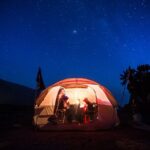
Midnight on Meru hits different. This 3-day trek from Arusha National Park gives you wildlife on the trail and a private guide running the show, from the first gate check to sunrise on the summit. You’re hiking to Mount Meru (Tanzania’s 5th-highest peak) with animals in the mix, so it feels part mountain climb, part walking safari.
I also like the built-in comfort of all meals and hut accommodation. Your porters handle the packing, you start early on day two, and you’re kept on a tight schedule for the summit attempt. The main catch is the brutal timing: a 00:30 wake-up and steep, rocky hiking at altitude means you should be in strong shape and ready for early-hours effort.
In This Review
- Key Things to Know Before You Go
- First Steps From Arusha: Momella Gate to a Walking Safari Day
- What day one feels like (and why it’s worth it)
- Day Two’s Climb: Saddle Ridge, Crater Views, and Optional Little Mt. Meru
- Camp, early dinner, and the acclimatization choice
- The one drawback to plan for
- The Summit Morning: 00:30 Wake-Up, 01:30 Start, and a Sunrise Finish
- Why the summit timing is part of the experience
- Your Team and the Small-Group Feel (Max 15)
- Meals, Hut Accommodation, and What’s Included (and What That Means for Your Budget)
- What you should consider before assuming it’s easy
- Wildlife Moments: What You Might See and How the Ranger Requirement Helps
- How to maximize your wildlife time
- How Challenging Is This Really?
- Price and Booking Reality: The Value vs. the One Red Flag
- Who This Trek Suits Best
- Should You Book the 3-Day Mount Meru Trek?
- FAQ
- Where does the trek start?
- What time do we begin the experience?
- How does the summit attempt work on day three?
- How high is Mount Meru on this trek?
- Is the ranger included, and is it required?
- Are meals and accommodation included?
- What fitness level do I need?
Key Things to Know Before You Go
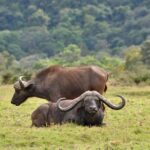
- Wildlife hiking in Arusha National Park: giraffes, zebras, buffalo, and more can show up along the route
- Armed ranger required: the park requires ranger support for the trek
- Porters pack and organize: you focus on walking while they manage your load
- Midnight summit start: wake at 00:30, begin at 01:30, reach the top at sunrise
- Optional acclimatization hike: Little Mt. Meru (3820m) is an option on day two
- Small group: maximum of 15 travelers for this private-style experience
First Steps From Arusha: Momella Gate to a Walking Safari Day
You’ll begin in Arusha, then get picked up and routed to Momella Gate inside Arusha National Park. Right away, your team handles the admin with Tanzania National Park (TANAPA) while the porters organize and pack your hike items. It’s a small detail, but it matters: when you’re climbing at altitude, even “unsexy” logistics can drain energy you’ll want later.
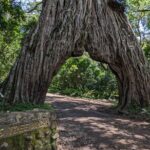
Day one is your gentle ramp into the mountain. You’ll hike for about 6 hours, and the character of the day is more like a walking safari than a pure scramble. Because you’re inside a national park, you can realistically expect animals such as giraffes, zebras, antelope, buffalo, and possibly elephants near the trail.
One important safety requirement shapes the whole experience: an armed ranger. The park requires a ranger for the duration of the hike, and that’s part of why the day feels controlled and professional, even when you’re moving through wildlife habitat.
You can also read our reviews of more tours and experiences in Arusha.
What day one feels like (and why it’s worth it)
If you’ve ever climbed in a place that feels empty and silent, this day can surprise you. Here, your attention shifts between the trail and what’s moving in the trees or grass. That adds variety, and it also helps you stay mentally fresh while you build stamina.
The one consideration is pacing. Day one is not a “lazy warm-up,” but it’s also not the maximum effort of day three. If you arrive feeling underprepared, you’ll pay for it later. Go into this with realistic energy.
Day Two’s Climb: Saddle Ridge, Crater Views, and Optional Little Mt. Meru
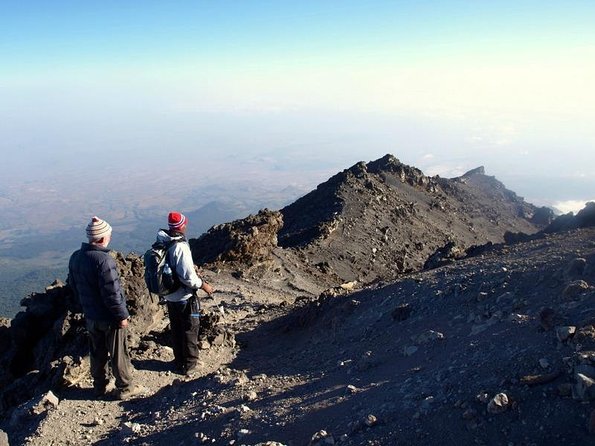
After breakfast, you start day two by ascending the steep trail along the ridge of the saddle. You’re now in the zone where you’ll feel the altitude more clearly, but the hike stays structured and goal-oriented.
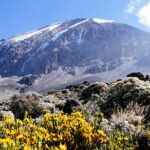
This day has a strong visual payoff. You’ll have views of Mt. Meru Crater and the Ash Tray. The Ash Tray is one of those landmarks you’ll be happy to know by name before you see it, because it turns the hike into more than just “walking up.” It gives you a reference point as the terrain changes and the mountain starts to feel like a place with its own features.
Camp, early dinner, and the acclimatization choice
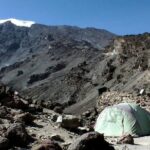
When you reach camp, you have an option: hike Little Mt. Meru (3820m) with your guide to further acclimate. The logic is simple. You’re already high, and a short acclimatization hike can help your body handle the final push. It’s not mandatory, but it’s a smart choice if you want the best chance of feeling steady on the summit morning.
Then comes another key pattern of this trek: early rest. You’ll have an early dinner and are told to sleep by 1900. That’s not just to be polite—it’s to set you up for the midnight summit attempt on day three.
The one drawback to plan for
Day two is where “challenging but manageable” can turn into “hard” if you push too fast. You’ll be gaining elevation on a steep trail, so keep your effort controlled. If you go out too hard on day two, the summit attempt becomes a bigger battle than it needs to be.


The Summit Morning: 00:30 Wake-Up, 01:30 Start, and a Sunrise Finish
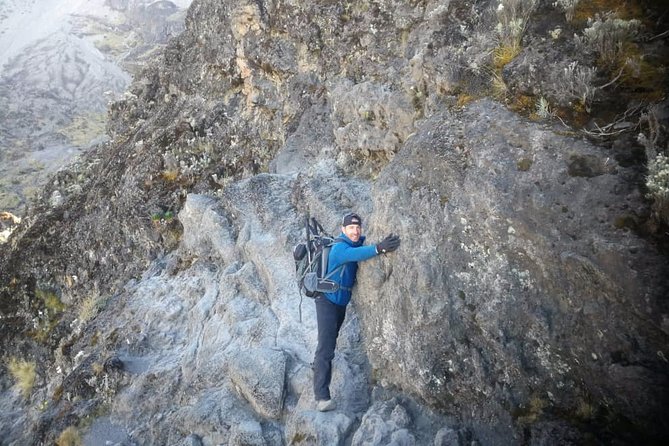
Day three begins in the dark. Your guide wakes you at 00:30 with tea and biscuits. Then you start the summit attempt at 01:30am. This is the moment most people imagine when they think of Mount Meru, and it’s as intense as you’d expect.
The route starts steep to Rhino Point (3800m), then continues toward Cobra Point (4350m). After that, the final stretch becomes a rocky challenge. In the last hour, you’ll scramble on a rocky ridge between the crater and the inner cliffs of Meru. It’s not a vague “steep walk.” It’s hands-and-feet mountain terrain.
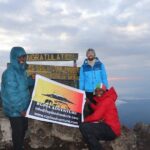
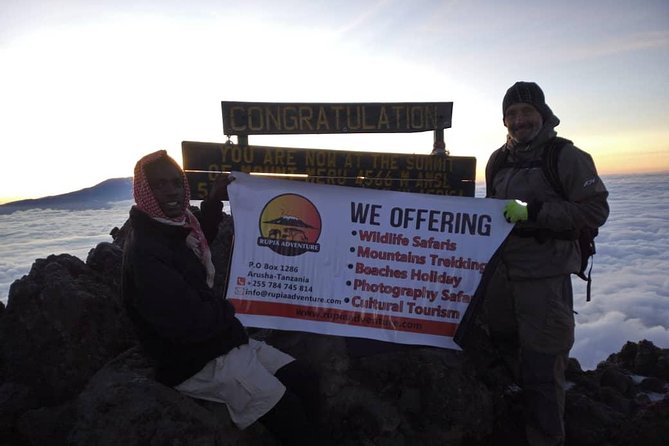
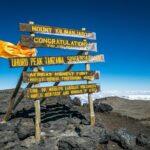
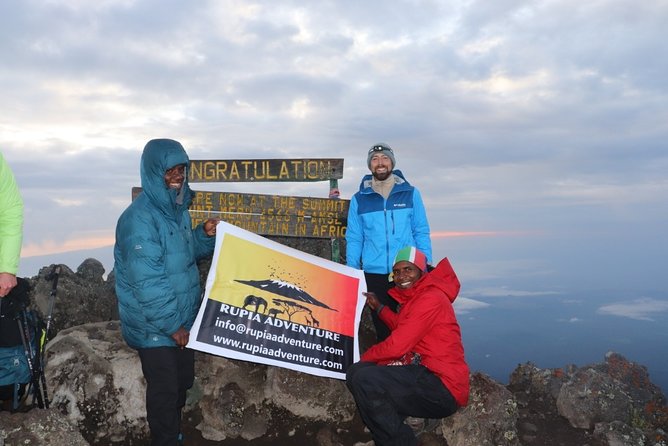
And then the payoff arrives. You’ll reach the summit at 4565m at sunrise, with views of Meru Ash Tray and Mount Kilimanjaro. Kilimanjaro is the big name in this region, so seeing it from Meru is a special sort of validation: you earned it with effort.
After sunrise views, you descend back to Momella Gate, and then return to Arusha.
Why the summit timing is part of the experience
Starting before dawn does two things. First, it helps you move before the hottest part of the day. Second, it gives you that sunrise reward when you’re at the highest point—exactly when your senses are most switched on. If you struggle with early mornings, this trek can feel like a grind. But if you handle nights and steep uphill well, it’s the best kind of grind: purposeful, scenic, and finite.
Your Team and the Small-Group Feel (Max 15)
This is a private-style experience with a personal guide, and it runs with a small group cap of 15 travelers. That matters because it keeps things from turning into a crowd. You get the rhythm you need on steep ground and you can ask questions when you spot wildlife or want to understand the mountain features.
You’ll also have a whole support system behind the scenes:
- Porters who organize and pack your hike items
- A ranger hired through the National Park who’s required for the trek
- A guide who keeps you moving toward the summit at the right time
In a trek like this, those roles are not decoration. They’re the difference between “I climbed it” and “I made it feel doable.” One of the strongest signals from past participants is that the team pays attention to comfort, timing, and information along the way—so you’re not guessing what you’re looking at.
One guide name that comes up in feedback is Frank, who reportedly shared a lot of information on flora, fauna, and general mountain life. If you like learning what you’re stepping through—not just staring at it—that kind of guide adds real value.
Meals, Hut Accommodation, and What’s Included (and What That Means for Your Budget)
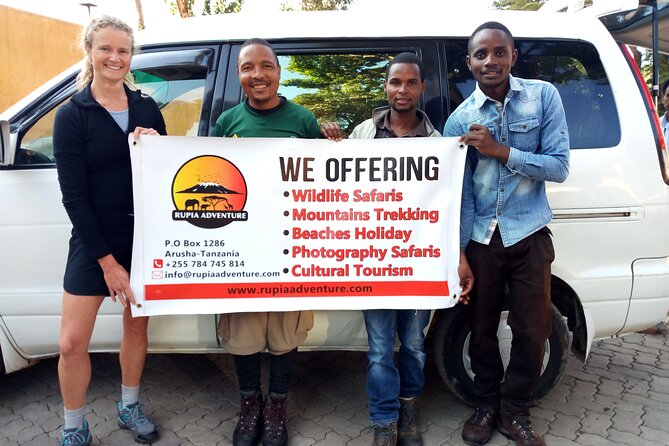
You get all meals and hut accommodation included across the trek. For a three-day hike, that’s a big deal because it removes most of the cost uncertainty. The main cost you’re paying is the guided, supported climb itself.
The price is $800 per person. That number may look steep until you factor in:
- Park entry and admission tickets included
- Ranger requirement through the park
- Private guide
- Porters handling packing
- Meals and hut stays for the full route
In other words, you’re buying a complete package of logistics, safety structure, and mountain support—not just “someone will walk with me.”
What you should consider before assuming it’s easy
Inclusion doesn’t mean comfort is unlimited. Mountain huts and meal schedules are part of the plan, but you’re still at altitude and still hiking on steep trails with an early-morning summit. If you’re hoping for a relaxed day hike, this isn’t that.
Wildlife Moments: What You Might See and How the Ranger Requirement Helps
Wildlife is a real theme here. Day one can include giraffes, zebras, antelope, buffalo, and even elephants near the trail. Day two keeps that possibility alive, with wildlife sightings referenced along the route as you climb.
It’s also why the armed ranger is not optional. You’re moving through a managed wildlife zone, and the trek is organized to keep you safe while you enjoy the surprise sightings.
How to maximize your wildlife time
When you’re hiking in search mode, you tend to look up and around more. Do that safely: keep your footing first, especially on steeper sections and near rocky ground. The last hour of day three is ridge scrambling, so wildlife curiosity should be second to stability.
How Challenging Is This Really?
The trek is described as requiring strong physical fitness. That matches the itinerary shape:
- Day one is long (about 6 hours)
- Day two is steep ridge hiking, with an optional second climb to 3820m
- Day three includes a midnight start and a rocky scramble, finishing at 4565m
If you can handle long uphill days and you’re comfortable walking in the dark, you’ll likely find it challenging in a rewarding way. If you’re more used to easy hikes, this can feel more punishing than the name “three-day trek” suggests.
Price and Booking Reality: The Value vs. the One Red Flag
I like the way the trek is packaged: support, ranger requirement, meals, hut accommodation, and admission tickets are all part of the deal. For $800, you’re not piecing together logistics or scrambling for extra arrangements.
That said, there’s a red flag worth taking seriously. One of the low-rated accounts in the background includes accusations of payment problems, incorrect bank details, repeated charges, and communication issues, along with complaints about vehicles and equipment quality. I can’t verify what happened, but I can suggest a smart safety habit: before you send money or commit fully, confirm the operator’s payment details in writing and make sure your pickup and contact numbers are correct.
For a trek that relies on timing and transport, last-minute payment confusion is the kind of stress you want to avoid.
Who This Trek Suits Best
This Mount Meru trek is a great fit if you:
- Want a real summit challenge with a defined schedule
- Like wildlife, not just mountain views
- Appreciate a team structure with porters and a ranger
- Are okay with early nights and a midnight wake-up for sunrise
You might rethink it if you:
- Struggle with steep climbing or rocky scrambling
- Hate very early starts
- Prefer fully self-guided travel with minimal structure
Should You Book the 3-Day Mount Meru Trek?
I’d book it if you’re chasing the combination of sunrise summit energy and wildlife-in-the-park atmosphere. The inclusion of meals, hut accommodation, and a ranger-driven safety setup makes this one of the more complete ways to tackle Meru, and the route details like Rhino Point, Cobra Point, Ash Tray, and the Kilimanjaro view give you enough anchors to stay excited even when the climb hurts.
I’d be careful if you’re the type who hates any uncertainty around payments or contact. Do your due diligence, confirm payment details, and ensure your pickup plan is locked in. With that handled, this trek can be a memorable Tanzania highlight for the right kind of hiker.
FAQ
Where does the trek start?
The trek starts with pickup in Arusha and a route to Momella Gate in Arusha National Park, where you register with TANAPA.
What time do we begin the experience?
The listed start time is 9:00am, and the trek days follow a schedule that includes early starts, including a midnight summit attempt on day three.
How does the summit attempt work on day three?
You’ll be woken at 00:30 for tea and biscuits, then begin the summit hike at 1:30am. You reach the summit at sunrise.
How high is Mount Meru on this trek?
The summit is 4565m, reached at sunrise during the day three ascent.
Is the ranger included, and is it required?
Yes. An armed ranger hired through the National Park is required to hike with the team.
Are meals and accommodation included?
Yes. All meals and hut accommodation are included, along with admission tickets for the trek days.
What fitness level do I need?
You should have a strong physical fitness level, since the trek includes steep hiking and a rocky final hour on summit day.