REVIEW · KATHMANDU
Everest Short Trek – 5 Days
Book on Viator →Operated by White Hill Adventure Treks & Expedition Pvt. Ltd. · Bookable on Viator
Five days, and Everest feels close. This is a compact way to get Everest views without spending weeks on the trail, starting with an early morning flight to Lukla and ending with a return flight to Kathmandu. I like the tight pacing because it keeps the days moving (not dragging), and I like that you get a real Namche-based pause with a later climb up toward the Everest View Hotel. One thing to plan for: a porter isn’t included, so you’ll need to manage your own pack weight unless you arrange help.
The logistics are mostly handled for you: hotel pickup and drops, round-trip Kathmandu–Lukla flights, daily meals, and an English-speaking trekking guide. I also picked up a strong pattern from the guide names shared in feedback—Sabin for trip support and Pemba on the trek—so it helps to know you’re not just getting dropped at the trailhead with no guidance.
Price-wise, it’s $1,076.93 per person, and it doesn’t look cheap on paper. But when you break it down, a big chunk of what you pay goes to the hard-to-replicate parts: flights, park fees/permits, guide services, and tea house lodging with meals included. Still, watch the extras: hot/cold drinks and many personal costs are not included.
In This Review
- Key Things I’d Zoom In On
- Getting There Fast: Kathmandu, Lukla, and Phakding on Day 1
- Namche Bazaar and Acclimatization: The Day 2 Workhorse
- Everest View Hotel at 3,800 m: Your Big Payoff on Day 3
- Heading Back Down: Lukla on Day 4
- The Finale: Lukla to Kathmandu on Day 5
- Tea House Days: Meals, Comfort, and What Costs Extra
- The Price: What $1,076.93 Buys You (and Why It’s Not Just Marketing)
- Guides and Group Style: How Your Days Actually Feel
- Who This Everest Short Trek Really Fits
- Should You Book This 5-Day Everest Short Trek?
- FAQ
- How long is the Everest Short Trek?
- Where does the trek start and end?
- Are flights included?
- What meals are included during the trek?
- Are permits and national park fees included?
- Is a porter included?
- What’s the cancellation policy?
Key Things I’d Zoom In On
- Lukla flights bookend the whole trek with about a 30-minute scenic hop each way.
- Namche Bazaar is your altitude buffer, not just a passing stop.
- Everest View Hotel at 3,800 m gives you a high-perch payoff without a long, multi-week climb.
- Meals and tea/coffee are included daily, so you’re not constantly checking costs mid-trek.
- Sagarmatha National Park fees and local permits are covered, which saves you hassle.
- Support from the team matters, with Sabin and Pemba specifically highlighted for making things easier.
Getting There Fast: Kathmandu, Lukla, and Phakding on Day 1
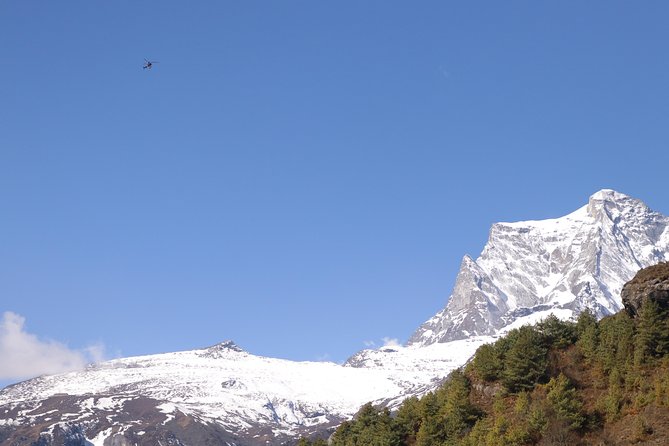
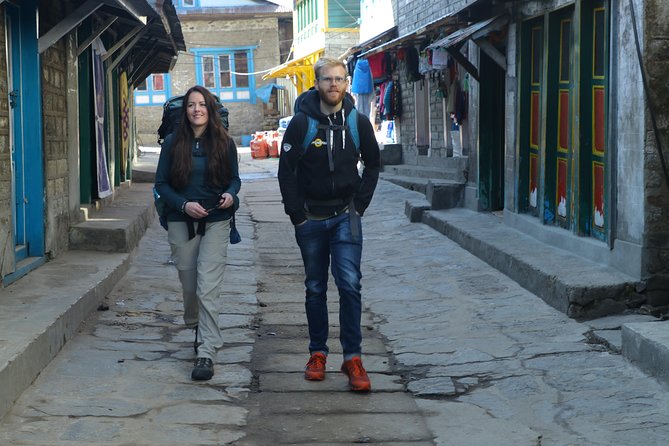
Day 1 is built around one goal: get you into the Everest region quickly. You start in Kathmandu (at Tribhuvan International Airport), then take an early morning flight to Lukla (Tenzing Hillary Airport). That flight is short—about 30 minutes—but it’s the key that makes this trek feel “short” rather than “stuck in transit.”
Once you land, you trek to Phakding, at about 2,612 m (8,570 ft). The walking time is roughly 3–4 hours, which is a friendly way to wake up your legs after the flight. Phakding is usually where the trail settles into its rhythm—tea house stays, steady walking, and a gradual change in air and temperature.
What I like here: you’re not spending your first day trying to solve travel problems. With pickups and drops included, you’re already ahead of the game.
A practical consideration: this trek starts early and moves. If you’re the type who likes a slow morning coffee and a relaxed start, plan to adjust expectations on Day 1.
You can also read our reviews of more tours and experiences in Kathmandu.
Namche Bazaar and Acclimatization: The Day 2 Workhorse
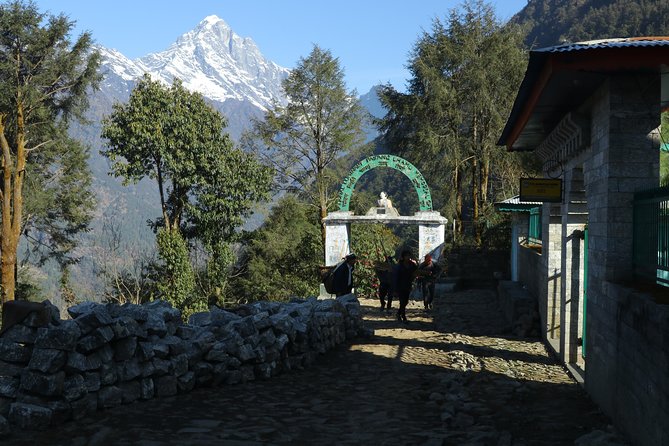
Day 2 is the first big effort. You trek to Namche Bazaar via Sagarmatha National Park. Total walking time is about 6–7 hours, and you finish around 3,440 m (11,287 ft). That’s a meaningful altitude jump, so this day is where the trek starts teaching you how to travel smarter: not racing, not forcing your breathing, just putting one foot down and letting the guide keep you steady.
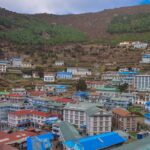
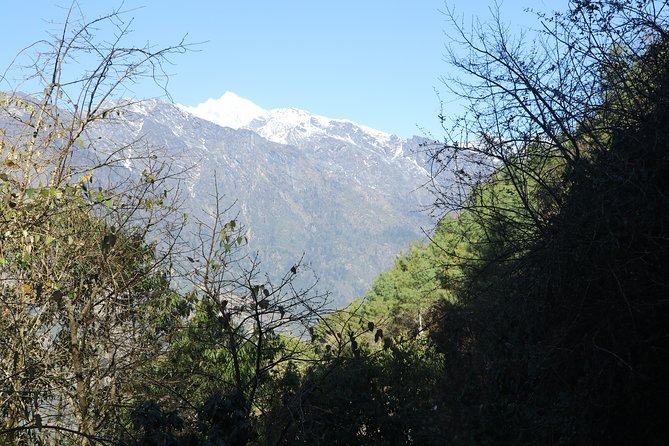
Namche Bazaar is special because it’s more than a viewpoint stop. It’s a hub in the region—where Sherpa culture and the local Buddhist influence show up in everyday life, and where you get a real sense of how people live in the high country. For many first-time visitors, Namche is the moment when the Everest region stops being a travel brochure and becomes a place.
Even though Day 2 is the long trek, you’re also setting up the rest of the itinerary. The plan builds toward time in Namche, so you’re not just walking through at high altitude and calling it done.
Why this part is valuable: acclimatization isn’t “optional” on an Everest short trek. A smart route makes the remaining days feel more doable, and Namche is the tool that helps you do that.
Everest View Hotel at 3,800 m: Your Big Payoff on Day 3
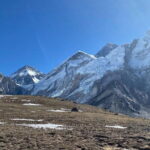
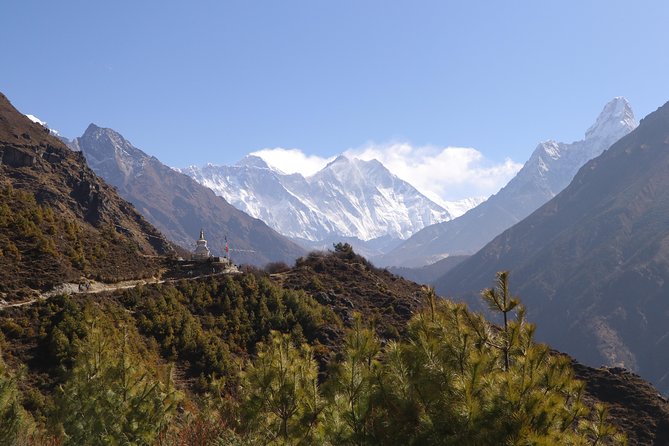
Day 3 is where you go for the signature moment: the hike up to Everest View Hotel (around 3,800 m / 12,467 ft), then back to Namche. Walking time is roughly 4–5 hours total.
This is a smart design for a 5-day itinerary. Instead of attempting a full-on summit-style route, you get the high-altitude experience in a way that’s still realistic. The hotel isn’t the point by itself—the point is altitude, air, and that sense that the world has tilted toward Everest.
What I like: you’re not just arriving at a number and leaving. You get a day that explicitly aims for views, then returns you to Namche, which helps you avoid feeling “over your head” for too long.
One thing to watch: altitude doesn’t always feel dramatic on the way up. Sometimes it shows up later—sleep, appetite, and breathing can shift. On this kind of route, it helps to take the pace seriously even when you feel okay.
Heading Back Down: Lukla on Day 4
Day 4 brings the return leg: you trek to Lukla, around 2,860 m (9,383 ft). Walking time is again roughly 6–7 hours, which surprises some people who assume the downhill day is automatically easy.
Downhill can still be tough. Your knees get a workout, and the air changes quickly as you drop. But the good news is that you’re trending toward easier altitude and finishing near your flight departure zone.
Lukla is where the Everest short trek becomes a travel trip again. You’re back at the staging area for the last flight, so your attention shifts from walking to getting ready for Kathmandu—charging your devices if you need to, checking schedules, and making sure you have everything you’ll need for the final day.
Practical note: personal expenses like battery charging and hot showers are not included, so if those matter to you, decide ahead of time how much you want to spend.
The Finale: Lukla to Kathmandu on Day 5
On Day 5, you fly from Lukla to Kathmandu and get transferred to your hotel. This is the unwind day. After days of tea house routines and mountain air, the city feels loud and fast again.
This last flight also caps the emotional arc of the trek. You started with a scenic hop into the mountains; you end with a scenic hop out. It’s a clean structure for travelers who want a meaningful Everest-region experience without turning it into a multi-week project.
What you’ll likely remember: not just the view, but the rhythm—walk, pause, eat, sleep, repeat—then suddenly the quiet of the high trail is gone and you’re back to traffic lights.
Tea House Days: Meals, Comfort, and What Costs Extra
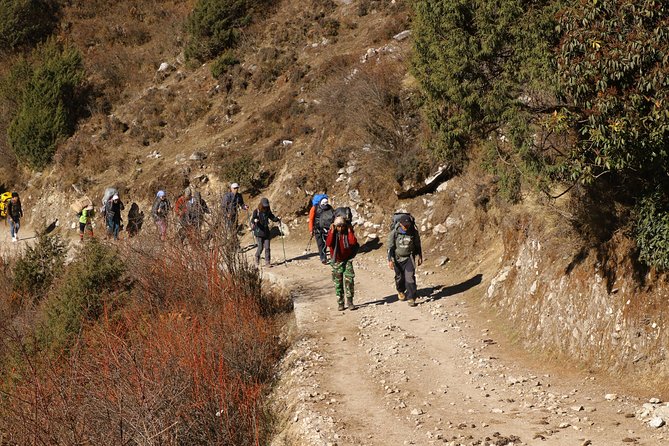
One of the smartest parts of this trek is the inclusion setup. Your package covers breakfast, lunch, and dinner every day, plus tea and coffee. You’ll stay in mountain tea houses and accommodations each night, and you don’t have to constantly navigate where to eat.
That helps you focus on walking and altitude rather than logistics.
Here’s what’s not included, and it matters for budgeting:
- Hot and cold drinks (tea/coffee are included, but other drinks may cost extra)
- Personal expenses like laundry, phone calls, battery charge, bar bills
- Hot shower and boiled water
- Your personal travel insurance
- Trekking equipment (you can rent in Kathmandu)
- Porter (so plan how you’ll carry your own load)
My practical advice: if you hate unpredictable costs, set a daily spending limit for personal items. The big predictable costs are already handled; the unpredictable bits usually come from charging things, snacks, and “I deserve a shower today” decisions.
The Price: What $1,076.93 Buys You (and Why It’s Not Just Marketing)
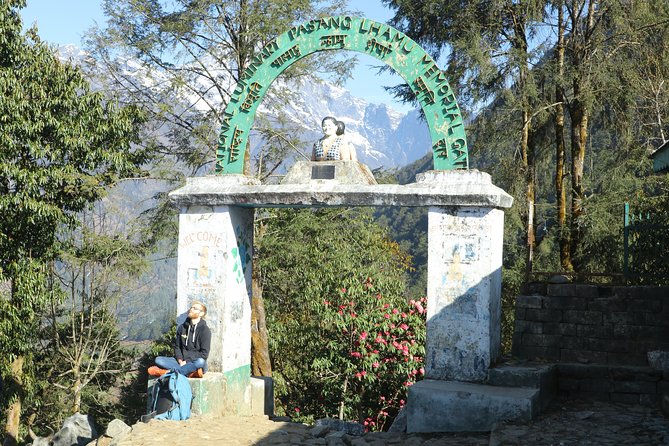
The headline price is $1,076.93 per person, and yes, it’s a serious number. But for an Everest short trek, what you’re paying for is a lot more than “a guide and a dream.”
Covered items include:
- Domestic airport pickups and drops
- Both-way flights Kathmandu–Lukla–Kathmandu
- Sagarmatha National Park fee and local permit
- An English trekking guide, including salary, equipment, transport, food, and sleep
- Daily meals and tea house accommodation
That’s the real value. The flight logistics and permits are the kinds of items that can derail budget planning when you DIY.
A balanced takeaway: you’re paying for safety, coordination, and the mountain infrastructure behind the scenes. If you want to minimize your own planning workload, this kind of package price often feels more reasonable. If you want maximum flexibility, the next section (about changes) is where you need to think carefully.
Guides and Group Style: How Your Days Actually Feel
This is a private tour/activity, meaning only your group participates. That can be a big deal on a short trek. You’re not stuck negotiating pace with strangers who want to sprint or stop every five minutes for photos. A private setup also tends to make communication easier with your guide.
The guide component is also where the experience can rise above “just a walk.” English, trained guide support is included, and based on the names shared in feedback, you’re likely to get clear on-the-trail guidance. Sabin is mentioned in relation to smooth trip support, and Pemba is called out for being supportive and keeping things organized during the short timeline.
If you’re sensitive to changes: keep in mind the trip is described as non-refundable and cannot be changed for any reason. So before you book, double-check your fitness expectations and your schedule. On a trek that runs on flight timing, there isn’t much room for last-minute edits.
Who This Everest Short Trek Really Fits
This route is aimed at people with moderate physical fitness. The walking days are 3–7 hours, and altitude rises to about 3,800 m at the hotel. That’s demanding enough to feel special, but it’s not a summit mission.
It also fits well if you:
- Want Everest-region views in 5 days
- Prefer a guided structure that handles permits, meals, and lodging
- Like the idea of Namche as a real place, not just a checkbox
- Want the payoff of Everest View Hotel without weeks on the trail
It may be less ideal if you:
- Don’t want to carry your own pack (porter isn’t included)
- Need lots of flexibility to adjust plans after booking
- Are expecting drinks and personal items to be included (they’re not)
Should You Book This 5-Day Everest Short Trek?
If you want an efficient, well-run Everest-region experience, I’d say this trek is a strong candidate—especially because flights, permits, meals, tea house lodging, and a guide are already covered. The Namche pacing plus the hike to Everest View Hotel is a practical route design for seeing Everest without turning your vacation into a second job.
But don’t treat it like a casual stroll. Altitude and walking time are real, and no porter included means you should plan your load and energy. Also, given the non-refundable, non-changeable nature of the booking, only lock it in when your dates and fitness level are solid.
If that sounds like you, book it—and spend your prep time focusing on being ready to walk and breathe at altitude, not on inventing extra logistics.
FAQ
How long is the Everest Short Trek?
It’s an approximately 5-day trek, with walking days plus flight days between Kathmandu and Lukla.
Where does the trek start and end?
You start in Kathmandu (Tribhuvan International Airport) and fly to Lukla (Tenzing Hillary Airport). The trek ends with a flight back to Kathmandu and a transfer to your hotel.
Are flights included?
Yes. Round-trip flights between Kathmandu and Lukla are included.
What meals are included during the trek?
Breakfast, lunch, and dinner are included every day, along with tea and coffee.
Are permits and national park fees included?
Yes. Sagarmatha National Park fees and local permits are included.
Is a porter included?
No. A porter is not included.
What’s the cancellation policy?
The experience is non-refundable and cannot be changed for any reason. If you cancel or ask for an amendment, the amount paid will not be refunded.