REVIEW · KATHMANDU
9 Days LANGTANG VALLEY TREKKING IN NEPAL
Book on Viator →Operated by Mountain Tiger Nepal · Bookable on Viator
Langtang rewards you with two kinds of wonder. This 9-day route starts with Kathmandu’s major UNESCO sites and then trades city streets for Langtang National Park trails, Tamang culture, and a high-mountain payoff at Kyanjin Ri.
I really like how the trek is set up to be approachable without feeling watered down. You get an experienced guide, a porter, tea-house/lodge nights, and a gear handoff (sleeping bag and trekking poles), so you can focus on walking and taking in the scenery. I also like that your Kathmandu time isn’t just checkbox sightseeing: you see major Hindu and Buddhist landmarks in a way that sets the cultural tone before you head uphill.
One consideration: the climb to Kyanjin Ri reaches about 4,773 meters, so cold mornings and thinner air are part of the deal. If you’re prone to altitude headaches or you hate slow, steady steps, you’ll need to take the pacing seriously.
In This Review
- Key highlights worth your attention
- Kathmandu first: UNESCO temples that set your trekking mindset
- Getting to the mountains: Dhunche, Syabrubesi, and park-permit reality
- The Syabrubesi hot spring reset
- Village days: Thulo Syabru and Langtang Village with Tamang culture
- Kyanjin Gompa: the spiritual checkpoint before the big summit
- Sunrise and Kyanjin Ri’s panoramic payoff
- Ghodatabela and the tea-house rhythm on the return
- Price and value: what your $1,050 actually covers
- Guides, pacing, and the small touches that change the trip
- Who this Langtang Valley trek fits best
- Should you book this 9-day Langtang trek?
- FAQ
- What are the main places visited on this 9-day Langtang Valley trek?
- How long is the trekking portion, and how many nights are in lodges?
- Is Kathmandu accommodation included, and what category is it?
- Are permits included for Langtang National Park?
- Does the price include meals?
- Are a sleeping bag and trekking poles provided?
- Is a porter included?
- Is travel insurance included?
Key highlights worth your attention
- UNESCO Hindu and Buddhist stops in Kathmandu before you start trekking
- Private A/C transfer from Kathmandu toward Syabrubesi, with the Langtang National Park checkpost in your plan
- Syabrubesi hot spring for a real reset after the travel day
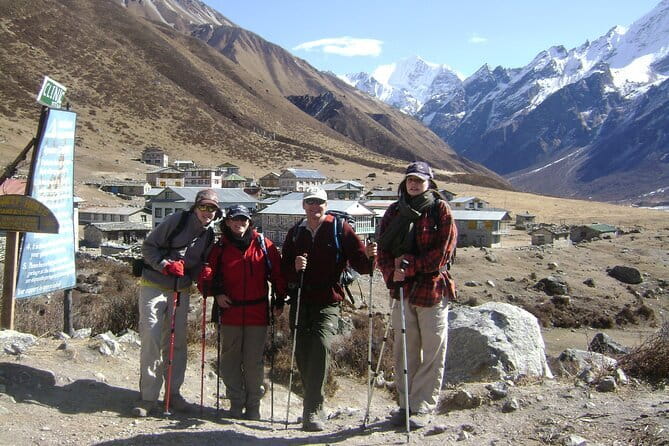
- Tamang village rhythm at Thulo Syabru and Langtang Village, with prayer flags and local hospitality
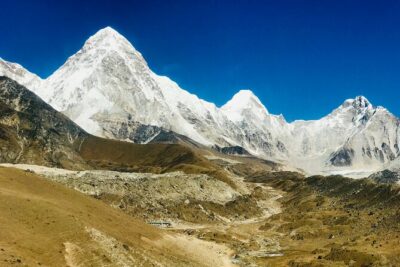
- Kyanjin Gompa + Kyanjin Ri views including Langtang Lirung, Dorje Lakpa, and Ganchempo
- Support that matters: guide, porter, permitted trekking logistics, and provided trekking gear
Kathmandu first: UNESCO temples that set your trekking mindset
Even though this trip is built around the Langtang Valley, the Kathmandu portion is where you start feeling the meaning behind what you’re walking toward. You’ll visit Pashupatinath Temple on the Bagmati River, a UNESCO World Heritage Site and one of the biggest Shiva pilgrimage destinations in Nepal and beyond. If you’re sensitive to crowds and rituals, go calmly and give yourself space to watch respectfully from where you’re allowed.
Next is Swayambhunath Stupa—the Monkey Temple—an ancient Buddhist site on a hill, also UNESCO-listed. It’s a classic place to get your bearings visually: the stupa sits above Kathmandu, so you start to understand how the city’s built up around layers of faith and stone.
Then you head to Boudhanath Stupa, one of the oldest and holiest Buddhist landmarks in Kathmandu Valley, believed to date back to the 5th century. The big dome and the painted Buddha eyes on all four sides are the kind of detail you don’t forget: you’ll feel how symbolism becomes architecture here.
Practical tip: these places can involve lots of walking on uneven surfaces, and you’ll want layers. A Kathmandu start is a smart choice because it’s easier to get your culture fix on day one than after you’re tired from days of hiking.
You can also read our reviews of more tours and experiences in Kathmandu.
Getting to the mountains: Dhunche, Syabrubesi, and park-permit reality
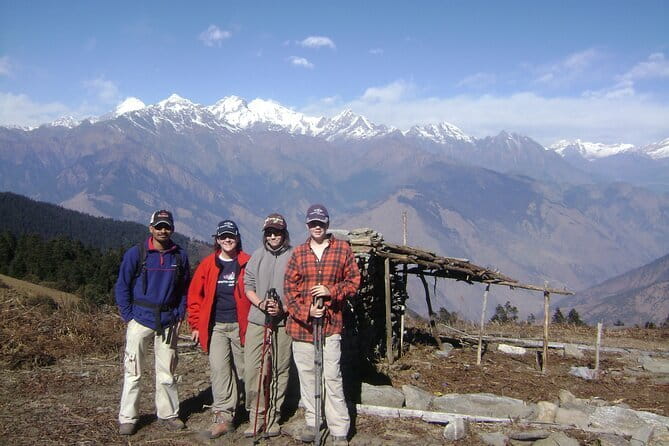
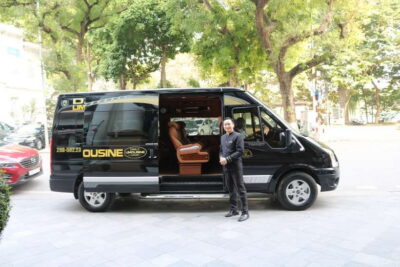
The first big transition is the drive from Kathmandu to the trek start around Syabrubesi. You travel by private air-conditioned vehicle, passing small villages, terraced hills, and views that hint at what’s ahead—like glimpses of Ganesh Himal as you move toward the Langtang region.
You’ll pass through Dhunche, described as the gateway area for Langtang National Park and common access to routes toward Gosainkunda Lake and nearby Tamang villages. Dhunche is also the kind of place where you’ll see rural daily life without the gloss of a tourist strip. It’s a useful “bridge” stop: you go from city systems into mountain basics.
From there, you enter the Langtang National Park checkpost. This matters because the trek isn’t only about altitude and views—it’s also about doing the paperwork right. Your TIMS permit and Langtang National Park permit are included, and you may be asked to show the permit at the checkpost.
Once you reach Syabrubesi, the plan includes an overnight and a chance to step into trekking mode. This staging area works well because Syabrubesi is set up for trekkers: guesthouses, eateries, and shops that serve basic needs.
The Syabrubesi hot spring reset
Right near Syabrubesi, you’ll have time for Syabrubesi Hot Spring. After a travel day, this is more than a “nice add-on.” Warm mineral water helps your legs feel less stiff before the walking starts in earnest. If you tend to get sore easily, take the soak seriously—it’s one of those practical comforts that changes how you feel the next morning.
Village days: Thulo Syabru and Langtang Village with Tamang culture
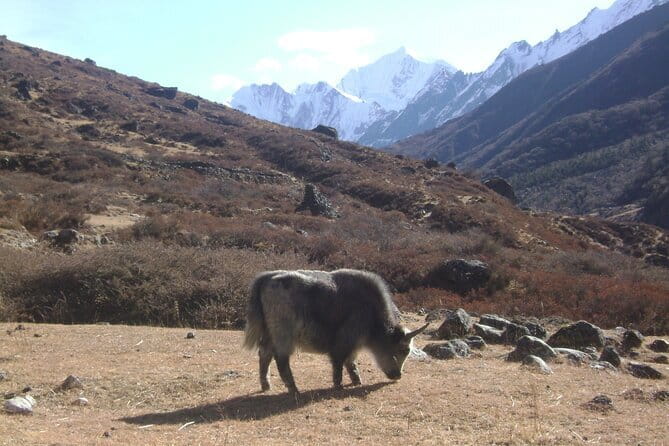
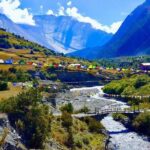
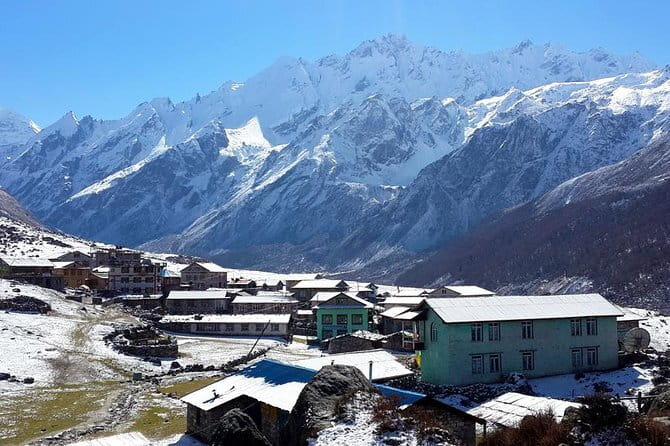
From Syabrubesi, the trek moves through the Langtang region’s village life. Thulo Syabru sits around 2,200 meters and is known for Tamang culture and traditional architecture. For me, this kind of stop matters because it’s where you see the trail stop being only a path and becoming a community corridor.
You’ll often notice small things that make the region feel lived-in: prayer flags, stone-and-wood village structures, and the way guesthouses work. Even without luxury, the lodging system is functional, and you’ll learn quickly how tea-house trekking depends on routines: eat, rest, refill, sleep, and repeat.
Next comes Langtang Village, a settlement in the Langtang Valley with mountain views and a strong Tamang identity. It’s a calm place to walk slowly and look around, because the valley frame keeps drawing your eyes back to the high peaks. The cultural encounters are part of the value here: you’re not only consuming scenery; you’re interacting with locals and their day-to-day hospitality.
Practical note: in village areas, the food and accommodation are usually simple but dependable. That’s exactly what you want on a trek like this. If you expect big-city variety every day, you may get annoyed. If you like predictable meals and warm tea as part of the rhythm, you’ll be happy.
Kyanjin Gompa: the spiritual checkpoint before the big summit
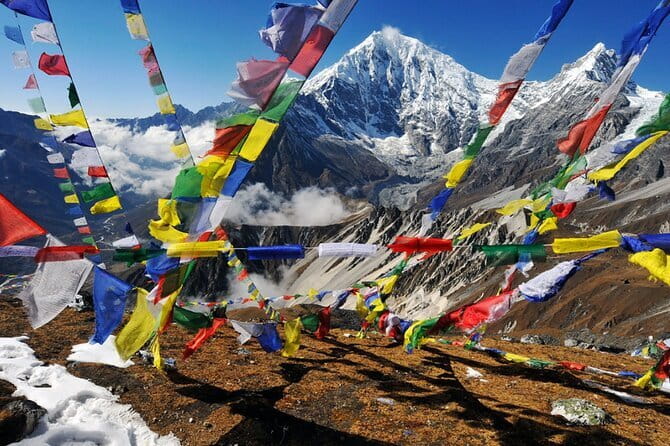
At around 3,870 meters, Kyanjin Gompa is a Tibetan Buddhist monastery and a major spiritual stop in the valley. The monastery setting is dramatic in a way that’s hard to fake: you’re surrounded by towering peaks, colorful prayer flags, and the feeling that this place is an anchor for pilgrims as well as trekkers.
Kyanjin Gompa is also where the trip’s emotional tempo shifts. You start thinking beyond “how many kilometers today?” and more about how high you’re getting and why. You can explore the monastery grounds, and the itinerary indicates visitors can participate in meditation sessions if offered.
This is also the launch point for the top highlight: Kyanjin Ri. So if you want the summit day to feel like a reward instead of a punishment, treat the Kyanjin Gompa time as your buffer. Rest, warm up, and take it easy on extra side hikes.
Sunrise and Kyanjin Ri’s panoramic payoff
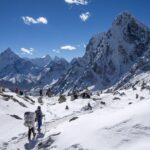
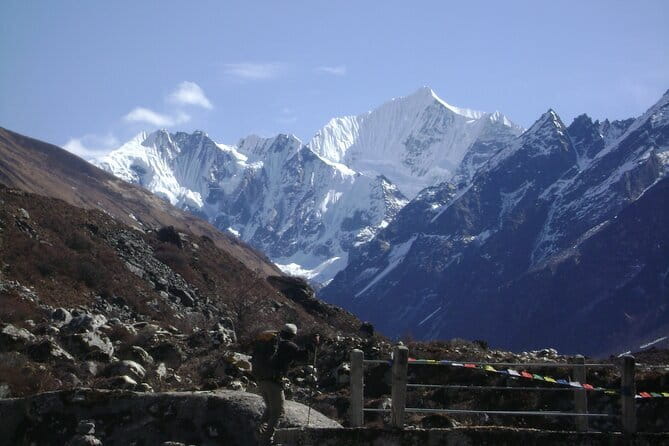
Kyanjin Ri rises to about 4,773 meters and is the trek’s famous view day. The reward is panoramic sightlines across peaks including Langtang Lirung, Dorje Lakpa, and Ganchempo, with glacial valleys spread out below.
The hike up to Kyanjin Ri is a steep, cold-minded effort—meaning you’ll move slower than you expect. What you gain is a moment that feels bigger than the route: early light on snow and ice, crisp air, and a skyline that gives you scale. That sunrise angle is one of the strongest reasons this trek earns repeat bookings.
Altitude reality check: if you’re getting breathless, stop more often rather than pushing through. Steady beats fast at these elevations, and that’s exactly what a good guide helps you do.
Ghodatabela and the tea-house rhythm on the return
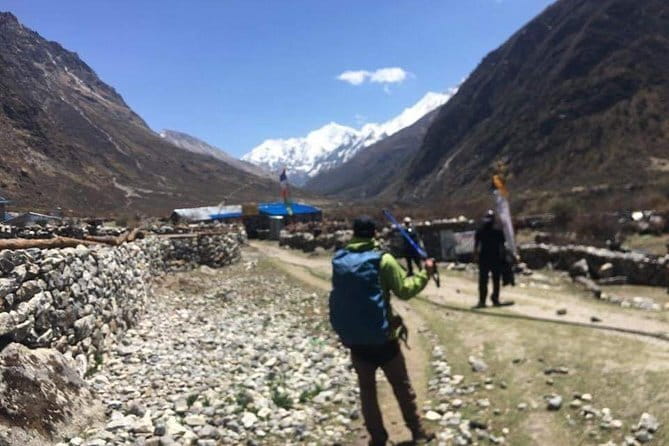
Not every big moment is a summit. Ghodatabela—which translates to horse stable—functions as a scenic stopover along the Langtang Valley trek route. You’ll find it described as a quieter, more natural area with lush forest and cascading water sounds, plus panoramic mountain views.
This kind of stop is valuable because it breaks up the day and gives you a reset without pretending the trek is easy. It’s also where you feel the “tea-house rhythm” clearly. In these areas, your day usually looks like: walk to the next lodge, arrive before you freeze, eat a proper lunch, and then settle into an evening routine (warm drinks, rest, and planning the next morning).
If you’re the kind of trekker who loves nature detail, pay attention to animals and birdlife while you walk. One solo trekkers experience highlighted spotting a spiny babbler along the Langtang trails on the way toward Mundu Valley. Your exact route may vary day to day, but the takeaway is solid: the Langtang region can reward patience with wildlife moments, not just views.
Price and value: what your $1,050 actually covers
At $1,050 per person, the value comes from what’s included, not from the base cost alone. This isn’t a bare-bones trekking arrangement. You get:
- Meals: breakfast x8, lunch x7, dinner x6
- 6 nights in tea house/lodge during the trek
- 2 nights in Kathmandu at a 3-star category hotel
- Private transportation for the drive toward the trek starting area
- A professional experienced trekking guide throughout
- TIMS and Langtang National Park permits
- Trekking poles and a camp-grade sleeping bag provided
- Porter included, so you’re not carrying the entire load
That porter and gear piece is a big deal for comfort and weight. When you’re trekking at altitude, every extra kilogram feels heavier. Provided trekking poles also save money and help your knees on descents, which is where most people feel the damage.
What’s not included is equally important for planning: insurance/medical coverage and personal expenses or drinks you buy on your own. If you don’t already have trekking coverage, I’d treat that as a must before you go.
One more practical note: it’s listed as a private tour/activity for your group. That usually means you’re not stuck in a random crowd with a mismatched pace. Group discounts apply, but the “private to your group” style generally keeps the hike more coherent.
Guides, pacing, and the small touches that change the trip
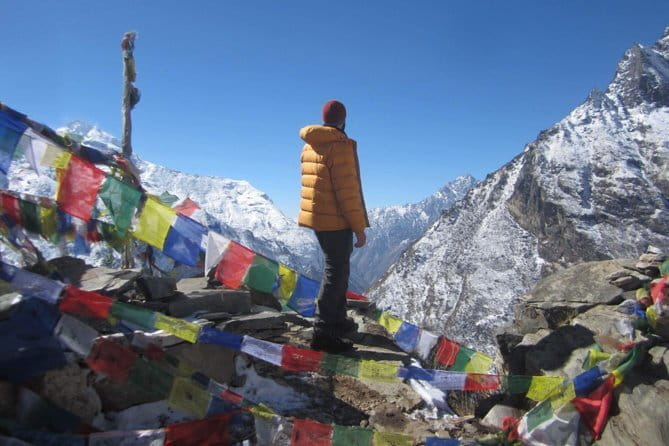
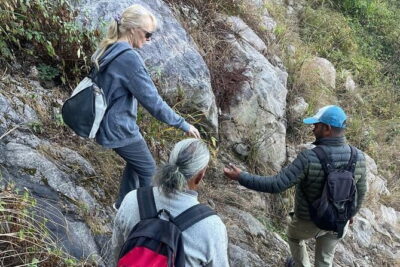
The biggest quality indicator for this kind of trek is how the guide handles people on different days and different energy levels. In the trek experiences shared for this program, guide Rai was praised for navigating well and keeping the group comfortable with the best accommodations possible.
That matches what you want from a guide here: route decisions, timing, and handling the small altitude hiccups before they become big problems. A competent guide also makes the cultural stops smoother—because Kathmandu temples and monastery visits have their own pace and rules.
There’s also a hospitality angle that stands out in the shared experiences: Binod was credited with hosting and a memorable farewell dinner. Those are the kinds of human details you can’t easily replicate on a self-guided trek, and they matter more than people expect. After a 9-day trek, the final meal is when everything lands.
For couples, families, and first-timers, this kind of support helps you avoid the common frustration trap: planning stress replaces hiking joy. One shared honeymoon experience tied the trip to feeling well cared for while still getting real mountain time.
Who this Langtang Valley trek fits best
This trek is a strong choice if you want:
- Beginner-friendly structure with real mountain walking
- A mix of culture in Kathmandu plus nature in the Langtang Valley
- Clear logistics: permits, guide support, porter help, and lodge meals handled
- A summit goal (Kyanjin Ri) that feels like a real reward rather than a vague hope
It may be less ideal if:
- You strongly dislike altitude climbs, especially the late-stage jump to Kyanjin Ri
- You want a mostly “pure wilderness” experience with minimal temple time up front
- You prefer a trip with no cold mornings or early starts for summit viewing
Should you book this 9-day Langtang trek?
If you’re the kind of traveler who likes walking with structure, photos that actually match the effort, and culture that’s tied to place (not just stops on a map), I think this is worth booking. The included permits, meals, porter, and provided sleeping bag and trekking poles lower the stress level so you can spend your energy on the trail.
My honest advice: if altitude makes you nervous, plan to go slow and trust the guide. And pack for cold mornings even if you’re used to mild weather at home. Do those two things, and the payoff at Kyanjin Ri can feel like the moment you came to Nepal for.
FAQ
What are the main places visited on this 9-day Langtang Valley trek?
You’ll start in Kathmandu with UNESCO World Heritage sites including Pashupatinath Temple, Swayambhunath Stupa, and Boudhanath Stupa. Then the route goes to Dhunche and Syabrubesi, and continues through Langtang National Park areas including Thulo Syabru, Langtang Village, Kyanjin Gompa, Kyanjin Ri, and Ghodatabela before returning to Kathmandu.
How long is the trekking portion, and how many nights are in lodges?
The tour is listed as approximately 9 days, with 6 nights in tea house/lodge during the Langtang trek.
Is Kathmandu accommodation included, and what category is it?
Yes. The package includes 2 nights in Kathmandu at a 3-star category hotel.
Are permits included for Langtang National Park?
Yes. TIMS permit and Langtang National Park permit are included.
Does the price include meals?
Yes. Breakfast is included 8 times, lunch 7 times, and dinner 6 times.
Are a sleeping bag and trekking poles provided?
Yes. A camp-grade sleeping bag and trekking poles are provided.
Is a porter included?
Yes, a porter is included.
Is travel insurance included?
No. Insurance/medical coverage is not included.