REVIEW · HANOI
Sapa 2 days 1 night trekking Lao Chai Ta Van – Fansipan mountain by cable car
Book on Viator →Operated by Mountain Light Travel · Bookable on Viator
Sapa feels different when you walk into the valleys. This 2 days 1 night package mixes village life in the Muong Hoa area with a big-ticket payoff: Fansipan by cable car. It’s a practical way to see multiple ethnic groups, rice-terrace scenery, and a high mountain without committing to a full summit hike.
What I like most is the village-to-village pacing. You start with the Black Hmong scenery around Y Linh Ho, then head to Lao Chai and finish with time in Ta Van, right near Hoàng Liên National Park. The other standout is that the package bundles the big costs: your Viet Flower hotel night, meals, entrance fees, and the cable car ticket.
One drawback to keep in mind: the trek part is short, but it still involves uneven paths. You will want proper footwear, and good weather matters because the mountain visit can shift if conditions are poor.
In This Review
- Key highlights worth booking
- Entering the Sapa valleys: why this combo works
- Night bus and Viet Flower: the pacing you’ll feel immediately
- Day 2: Y Linh Ho terraces, then Lao Chai village
- The Y Linh Ho pass-by: an easy first look
- Lao Chai: old village in the Muong Hoa valley
- Ta Van village: the human core of the day
- Lunch and timing matter
- Sapa at night: dinner, then your own pace
- Day 3: Sun World Fansipan Legend and your cable car day
- Why cable car matters for your trip
- Return timing and a real end to the trip
- Price and value: is $125 reasonable?
- The guides: why personalities make or break the day
- What to pack and what to expect on the walking
- Who this tour is best for
- Should you book this Lao Chai–Ta Van + Fansipan cable car trip?
- FAQ
- What does the tour include?
- What isn’t included in the price?
- How many people are in a group?
- Do I need a trekking level of fitness?
- Is the Fansipan cable car ticket included?
- Will there be a guide on Day 3?
- Where is the meeting point in Hanoi?
- What is the cancellation policy?
Key highlights worth booking
- Lao Chai to Ta Van village time focused on real daily life, not just photo stops
- Y Linh Ho Black Hmong rice terraces as a strong scenic warm-up
- Fansipan by cable car means you get the summit experience without a hard climb
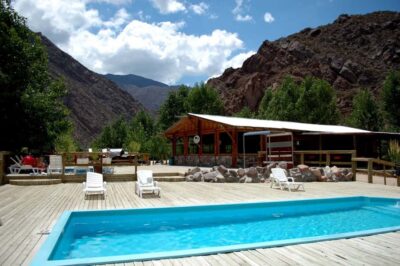
- Viet Flower hotel included for an easy 1-night base in Sapa
- Small group size (max 15) keeps the day feeling manageable
- Guides you can learn from: many past guests praised guides like Sao, Zu, Phenh, Khu Ly, and Cha for clear English and local stories
Entering the Sapa valleys: why this combo works
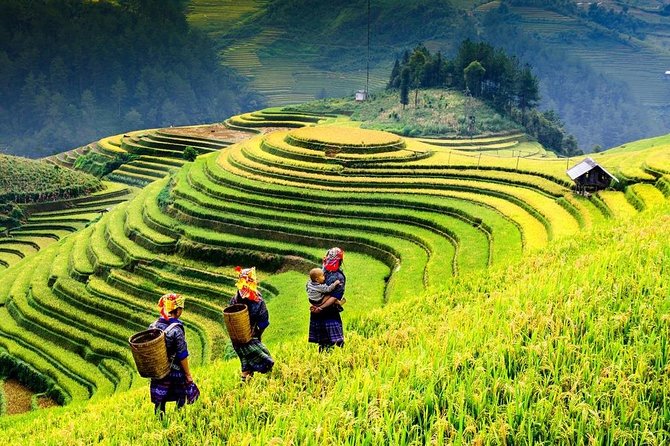
If you only do Sapa town, you miss the point. The fun here is that the day is built around valleys and villages, where the scenery and the culture are linked. You’ll see how terraced farming shapes daily rhythm, and you’ll get village time with ethnic communities such as the Black Hmong, Giay, and Dao.
This itinerary also smartly pairs two different Sapa moods. Day 2 is slow, human, and hands-on: houses, fields, and trails through the Muong Hoa valley area. Day 3 flips the tone with the height-and-view payoff at Sun World Fansipan Legend. You end up with both: the grounded village experience and the iconic mountain moment.
You can also read our reviews of more tours and experiences in Hanoi.

Night bus and Viet Flower: the pacing you’ll feel immediately
The tour starts with a pickup in Hanoi’s Old Quarter area. You’ll get picked up around 21:00–21:45 and transfer by sleeping bus to Sapa. This is a classic Vietnam travel move: you spend the night in transit so you gain daytime hours for village walking and sightseeing.
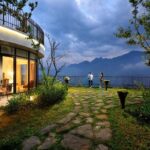
Once you arrive, you check in to Viet Flower (a deluxe room is included), and dinner is part of the package. There’s also free time to explore Sapa at night after dinner. That matters because Sapa can feel like two places: the village valleys by day, and the bus-and-cafe streets at night. Having that buffer helps you avoid a totally rushed feeling.
Is this the best option if you hate moving logistics? If you prefer everything in daylight, the night bus might feel like a tradeoff. Still, it keeps the overall schedule efficient for a short trip.
Day 2: Y Linh Ho terraces, then Lao Chai village
Day 2 is where the experience starts to feel personal, because you’re in village country rather than just sightseeing from a vehicle.
The Y Linh Ho pass-by: an easy first look
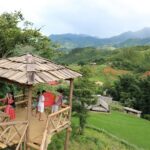
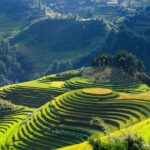
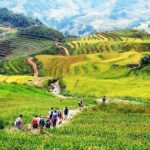
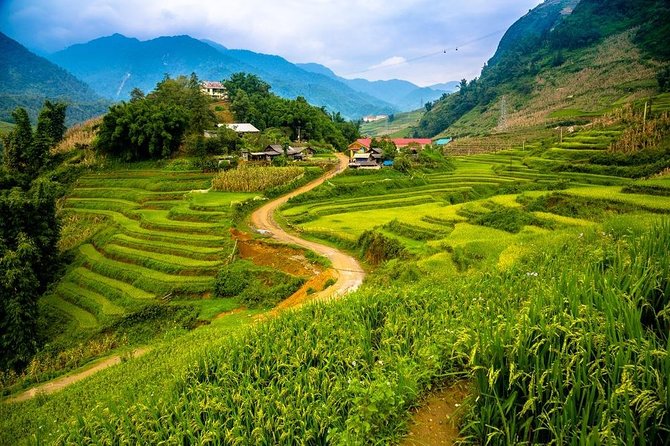
On the way to Lao Chai, you’ll see Y Linh Ho from the main road. This is a small Black Hmong village with terrace rice fields and dramatic mountains in the background. Even as a pass-by stop, it sets expectations: the region is all about elevation, slopes, and long views.
Practical note: since this is a viewing stop, plan for quick photo moments rather than long wandering. If you’re the type who hates feeling rushed, you’ll want to keep your camera ready and your expectations simple.
Lao Chai: old village in the Muong Hoa valley
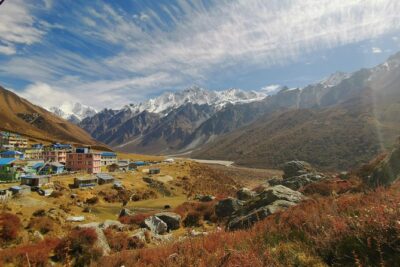
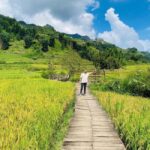
Lao Chai means the old village, and it sits about 6 km from the center town area. It’s also described as the beginning of the Muong Hoa valley, which is exactly why it’s worth including: you get a sense of the valley funneling outward, with village paths and terraces stretching into the distance.
Admission is free for this stop. You’ll spend about 1 hour here, enough time to walk around, see the architecture in context, and get a feel for how daily life fits into a hillside landscape. The big value is not trying to do everything. Use this hour to notice what’s built where, what looks worn-in versus new, and how people move between home, fields, and paths.
A realistic consideration: one hour is short. If you’re hoping for deep village interaction, you’ll likely get more of that later at Ta Van.


Ta Van village: the human core of the day
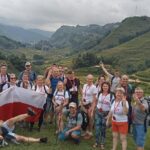
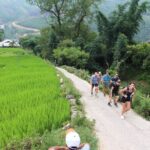
After Lao Chai, you continue toward Ta Van. This village is home to the Giay and Dao ethnic groups and sits within the territory of Hoàng Liên National Park. The drive distance from Sapa is about 15 km southeast, and you’ll spend around 3 hours in the area.
This is the part that connects strongly to what most people come to Sapa for: the feeling that heaven-and-earth scenery and village life are fused into one system. On the ground, it looks like paths, terraces, and small homesteads following the slope. You’re not just looking at the countryside; you’re moving through it.
Lunch and timing matter
Lunch is included at a local restaurant. Afterward, you’ll get time to return to Sapa for about 1 hour of free time before check-in. In other words, Day 2 is not only trekking or touring. It’s also built to keep energy steady—morning walking and village time, then a meal, then a breather.
If you’re food-sensitive, keep expectations flexible. One past guest said the food wasn’t their taste but was okay. That’s a fair mindset for Vietnam group meals: you’ll likely be fed well enough, but it may not match your exact preferences. Drinks are not included, so you may want to budget for water or soft drinks separately.
Sapa at night: dinner, then your own pace
When you return to Sapa town, dinner at the hotel is included. After that, you get free time to explore at night. This is where you can do low-effort things that still make the town memorable: a casual walk, a snack stop, or simply soaking in the cooler evening air.
This free time also helps if your group pace was fast earlier. You can decompress rather than getting dragged from one planned stop to another.
Day 3: Sun World Fansipan Legend and your cable car day
Day 3 is a different style of experience. After breakfast at the hotel, you have time at Sun World Fansipan Legend. This day specifically notes that it does not include the tour guide, so you’ll be exploring by yourself.
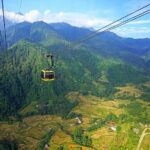
You get about 6 hours here. That’s enough time to ride the Fansipan cable car (your cable car ticket is included) and then wander the complex at your own pace. The advantage of this structure is freedom: if you want more views, you can spend longer. If you’re more tired than you expected, you can keep it simple.
Why cable car matters for your trip
Fansipan is the highest mountain of Indochina, and for many people it’s the headline. But full trekking to the summit is a major commitment. Cable car changes the math. You get the key payoff—high altitude views and the mountain experience—without the physical burden of a long climb.
Is it a fully quiet, slow, nature-only day? Not really. Sun World is a designed attraction. Still, the view from high above the region can be worth it, especially if your itinerary already includes more grounded village time.
Return timing and a real end to the trip
You return to the hotel around 12:39–13:30 for lunch. Then you head back to Hanoi. The bus departs 15:00–15:30 and drops you back around 21:30.
That schedule is efficient, but it also means you should travel light. You’ll want an easy day bag for cable car and a backup layer for cooler air at altitude.
Price and value: is $125 reasonable?
At $125 per group, the value comes from what’s bundled rather than what’s just included on paper.
Here’s the practical way to think about it:
- Round-trip Hanoi–Sapa by sleeping bus (big transport cost component)
- 1 hotel night in a deluxe room at Viet Flower
- Meals: breakfast (2) plus lunch (2) plus dinner
- All entrance fees
- Fansipan cable car ticket
When a package includes both transport and a major paid attraction, the price feels more fair. If you tried to DIY this—transport, hotel, meals, village guides, and cable car tickets—you’d likely spend more time coordinating, and costs can creep up fast in Vietnam.
The one “cost” you should plan for is personal spending: drinks and tips are not included. If you tend to drink sodas or buy snacks often, that can add up.
The guides: why personalities make or break the day
Even though this tour has set stops, the day’s flow depends a lot on who’s guiding you. Past guests have praised guides for friendly, clear explanations and for making cultural learning feel natural.
Names that came up again and again include Sao, Zu, Phenh, Khu Ly, Cha, and Ly Phenh. People specifically highlighted things like:
- explaining local history and culture in easy English
- helping with understanding what you’re seeing in village life
- friendly support through the hike and transitions
- sharing practical context while you’re walking
You can’t always request a specific guide, but you can ask when booking. If you’re choosing between similar Sapa tours, guide quality is often the difference between a trip that feels like a route and one that feels like a story.
What to pack and what to expect on the walking
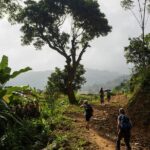
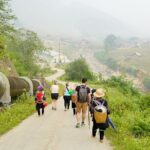
One practical theme from guest feedback is simple: wear trekking shoes. Paths in Sapa can be muddy, uneven, and slippery, especially after rain. Even if the trek feels “moderate” in length, your feet will thank you for shoes with real grip.
Also plan for layers. Mountain weather changes quickly. You might start your day cool and end it warmer, or the reverse—especially on the Fansipan cable car day.
Finally, keep your day bag light. You’ll be moving between hotel, villages, lunch stops, and the cable car complex. Comfortable basics beat a heavy pack.
Who this tour is best for
This is a strong fit if:
- you want village culture and rice-terrace scenery without a long multi-day trek
- you care about seeing more than just Sapa town
- you want Fansipan without a summit hike
- you’re okay with a small group and a tight schedule
It’s less ideal if you:
- want a totally guide-free village day (Day 3 is guide-free, but Day 2 includes guided activities)
- dislike night travel. The sleeping bus is part of the package rhythm.
- expect a flexible, custom route. This is a structured itinerary with set stops and timing.
Should you book this Lao Chai–Ta Van + Fansipan cable car trip?
If you want the smartest short Sapa plan—villages plus terraces plus Fansipan—this tour makes sense. The biggest reasons to book are the bundled value (hotel, meals, entrances, cable car) and the village-focused Day 2 pacing that doesn’t feel like a speedrun.
Before you book, do two quick checks:
1) Can you walk on uneven ground with good shoes? If yes, you’ll enjoy the villages much more.
2) Are you traveling with realistic weather expectations? The experience notes good weather is required, and poor conditions can change plans.
If you like your travel days practical and your scenery memorable, I’d say this one is worth it—especially for first-timers to Sapa who still want the big mountain moment.
FAQ
What does the tour include?
It includes a deluxe hotel room at Viet Flower, dinner, breakfast (2) and lunch (2), all entrance fees, the Fansipan cable car ticket, and round-trip transfer between Hanoi and Sapa by sleeping bus. A bottle of water is included for one way. Pickup is offered and you use a mobile ticket.
What isn’t included in the price?
Drinks, personal expenses, and tips or gratuities are not included.
How many people are in a group?
The tour has a maximum of 15 travelers.
Do I need a trekking level of fitness?
The tour is listed as requiring a moderate physical fitness level.
Is the Fansipan cable car ticket included?
Yes. Your ticket to Fansipan via cable car is included, and you spend about 6 hours at Sun World Fansipan Legend on Day 3.
Will there be a guide on Day 3?
No. Day 3 does not include a tour guide, so you’ll explore Sun World Fansipan Legend by yourself after breakfast.
Where is the meeting point in Hanoi?
The meeting point is in Hanoi at 26 P. Hàng Tre, Lý Thái Tổ, Hoàn Kiếm. The tour ends back at the same meeting point.
What is the cancellation policy?
You can cancel up to 3 days in advance for a full refund. If you cancel less than 3 full days before the experience start time, you won’t receive a refund. If poor weather causes cancellation, you’ll be offered a different date or a full refund.